Workplace Hazards That Cause the Most Harm — and How to Control Them
Every workplace contains hazards. Some are obvious, such as exposed electrical wiring, moving machinery or an unprotected roof edge. Others…
Workplace Hazards That Cause the Most Harm — and How to Control Them

Every workplace contains hazards. Some are obvious, such as exposed electrical wiring, moving machinery or an unprotected roof edge. Others develop gradually through poor housekeeping, repeated manual handling, excessive noise, heat exposure, weak procedures or unsafe working habits.
The presence of a hazard does not automatically mean an incident will occur. The real danger begins when hazards are not identified, assessed or controlled properly.
Effective workplace safety is therefore not based on reacting after someone is injured. It is based on recognising hazards early, understanding who may be affected, applying suitable controls and checking whether those controls work in practice.
**ATTICS International** supports professionals and organisations through safety-focused training and competence development. Its programmes help workers, supervisors and managers understand workplace hazards, risk assessment, operational controls and safer working practices.
What Is a Workplace Hazard?
A workplace hazard is anything with the potential to cause injury, illness, damage or operational disruption. Hazards may come from equipment, materials, working conditions, human behaviour, work organisation or the surrounding environment.
A strong safety system does not only ask whether a hazard exists. It also asks:
- Who may be exposed?
- How could harm occur?
- How serious could the outcome be?
- What controls are already in place?
- What additional action is required?
This turns hazard identification into practical risk control rather than a paperwork exercise.
Hazard, Risk and Control: Understanding the Difference

1. Slips, Trips and Falls on the Same Level
Why They Happen
Slips and trips are often treated as minor housekeeping issues, but they can cause fractures, sprains, head injuries and lost working time. Common causes include wet floors, oil spills, uneven surfaces, trailing cables, loose materials, poor lighting and obstructed walkways.

How to Prevent Them
- Clean spills immediately and display warning signs where needed.
- Keep walkways, stairs and emergency routes clear.
- Repair damaged flooring and uneven surfaces.
- Route cables safely away from pedestrian areas.
- Provide suitable lighting and slip-resistant flooring.
- Use appropriate footwear for the work environment.
Practical Point: Good housekeeping should be treated as a continuous safety control, not an occasional cleaning activity.
2. Working at Height
Why It Is High Risk
Working at height includes any task where a person could fall from one level to another and be injured. This may involve roofs, scaffolds, ladders, elevated platforms, towers, fragile surfaces or unprotected openings.

Falls are among the most serious hazards in construction and industrial work because even a short fall can result in permanent injury or death.
How to Prevent Falls
- Avoid work at height where the task can be completed from ground level.
- Use properly designed platforms, scaffolds and edge protection.
- Inspect ladders and access equipment before use.
- Provide suitable anchor points and fall-protection systems.
- Restrict access below elevated work areas.
- Prepare a rescue plan before fall-arrest equipment is used.
ATTICS International’s **Safely Working at Heights Course** supports workers and supervisors in understanding fall hazards, safe access, elevated work practices and fall-protection awareness.
3. Moving Machinery and Caught-In Hazards
How Harm Occurs
Machinery can create crushing, cutting, entanglement, shearing and drawing-in hazards. Injuries often occur when guards are missing, equipment is cleaned while operating, isolation procedures are ignored or workers attempt to remove blockages without controlling stored energy.

How to Control Machinery Risks
- Install and maintain suitable machine guards.
- Prevent access to moving parts during operation.
- Use lockout and tagout procedures before maintenance.
- Control stored electrical, hydraulic, pneumatic and mechanical energy.
- Allow only trained and authorised employees to operate equipment.
- Inspect emergency stops and safety devices regularly.
Important Note: Switching a machine off is not always the same as isolating it. Stored or residual energy must also be controlled before maintenance begins.
4. Struck-By and Falling-Object Hazards
Where These Hazards Occur
Workers may be struck by moving vehicles, suspended loads, falling tools, unstable materials, flying particles or objects released from machinery. These hazards are common in construction, warehousing, lifting operations, maintenance and manufacturing.

How to Prevent Struck-By Incidents
- Create exclusion zones around lifting and overhead work.
- Use toe boards, tool lanyards and secure storage systems.
- Separate pedestrians from vehicles and mobile equipment.
- Secure loads before lifting, transport or storage.
- Use suitable eye, face and head protection.
- Maintain clear communication during lifting operations.
5. Workplace Transport and Vehicle Movement
Why Transport Hazards Are Serious
Forklifts, trucks, loaders, cranes and delivery vehicles can create collision, crushing and reversing risks. Loading and unloading areas are particularly dangerous when pedestrians, drivers, contractors and moving vehicles occupy the same space.

How to Control Vehicle Risks
- Separate pedestrian routes from vehicle routes.
- Use barriers, signs, markings and controlled crossing points.
- Provide safe loading, unloading and driver waiting areas.
- Use trained operators and authorised banksmen where required.
- Maintain reversing alarms, mirrors, cameras and lighting.
- Enforce speed limits and site traffic rules.
Workplace transport risk assessments should examine traffic routes, loading areas, visibility, pedestrian movement and the interaction between drivers and other workers.
6. Electrical Hazards
Common Electrical Risks
Electrical hazards may result in shock, burns, fires, explosions or falls caused by sudden contact with electricity. Common causes include damaged cables, exposed conductors, overloaded circuits, poorly maintained equipment, wet conditions and unsafe work near overhead or underground services.

How to Prevent Electrical Incidents
- Inspect electrical tools, plugs and cables before use.
- Remove damaged equipment from service immediately.
- Use appropriate isolation and lockout procedures.
- Keep electrical equipment away from water and moisture.
- Use suitable protective devices and grounding systems.
- Allow electrical work to be performed only by competent persons.
Key Message: Electrical work should never rely on assumptions. Equipment must be isolated, verified and tested before work begins.
7. Manual Handling and Ergonomic Hazards
How Musculoskeletal Injuries Develop
Manual handling includes lifting, lowering, carrying, pushing, pulling and supporting loads. Poor technique, excessive weight, awkward posture, repetitive movement and poorly designed workstations can contribute to back injuries, muscle strain and long-term musculoskeletal disorders.

How to Reduce Manual Handling Risk
- Eliminate unnecessary lifting where possible.
- Use trolleys, hoists, lifting aids and mechanical handling equipment.
- Reduce load weight or divide large loads into smaller units.
- Store frequently used materials at suitable heights.
- Improve workstation layout and working posture.
- Provide practical manual handling training.
The strongest control is usually to redesign the task so workers do not need to perform hazardous lifting in the first place.
8. Hazardous Substances, Dust and Fumes
Common Exposure Routes
Workers may be exposed to hazardous chemicals, gases, vapours, fumes, dust or biological substances through breathing, skin contact, ingestion or accidental injection. Harm may occur immediately or develop after repeated exposure.

How to Control Exposure
- Identify all hazardous substances used or produced by the process.
- Substitute harmful materials with safer alternatives where possible.
- Use enclosed systems and local exhaust ventilation.
- Provide clear labels, safety information and storage controls.
- Train workers in handling, spill response and emergency procedures.
- Use suitable PPE only as part of a wider control system.
Important Note: PPE should not be the first or only control when exposure can be eliminated, substituted or controlled through engineering measures.
9. Noise and Vibration
Why They Are Often Overlooked
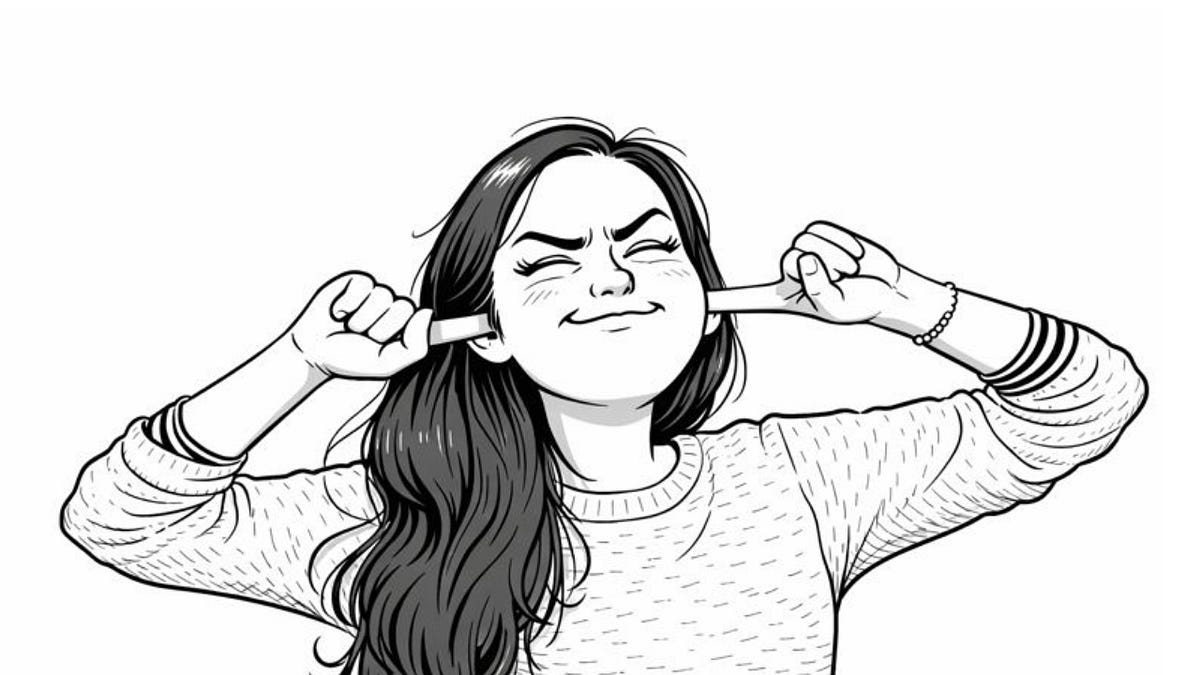
Excessive noise can damage hearing gradually, while vibration can affect the hands, arms or whole body. Because the effects may develop slowly, workers and employers may underestimate the risk.

How to Control Noise and Vibration
- Select quieter equipment and low-vibration tools.
- Enclose or isolate noisy machinery.
- Maintain equipment to reduce unnecessary noise and vibration.
- Limit exposure time and rotate tasks where appropriate.
- Provide hearing protection and health monitoring where required.
- Train workers to recognise early symptoms.
10. Heat Stress and Extreme Temperatures
Who May Be Exposed
Heat stress can affect both outdoor and indoor workers. High temperature, humidity, heavy physical work, protective clothing and lack of acclimatisation can increase the risk of heat exhaustion, heat stroke and other heat-related illness.

How to Prevent Heat-Related Illness
- Provide cool drinking water and encourage regular hydration.
- Schedule heavy work during cooler periods where possible.
- Provide shaded or cooled rest areas.
- Allow new and returning workers time to acclimatise gradually.
- Train workers and supervisors to recognise heat illness symptoms.
- Use work-rest schedules based on conditions and workload.
Emergency Warning: Confusion, collapse, altered behaviour or loss of consciousness in a hot environment may indicate a medical emergency requiring immediate action.
11. Fire and Explosion Hazards
Common Causes
Fire risks may arise from flammable materials, fuel, gas cylinders, hot work, electrical faults, combustible dust, poor storage or blocked emergency exits.

How to Control Fire Risk
- Control ignition sources and combustible materials.
- Store flammable substances correctly.
- Use permit systems for welding, cutting and other hot work.
- Maintain alarms, extinguishers and fire-protection systems.
- Keep escape routes and emergency exits clear.
- Conduct evacuation drills and emergency training.
12. Psychosocial Hazards, Fatigue and Work Pressure
How Organisational Factors Affect Safety
Long working hours, fatigue, bullying, poor communication, unrealistic deadlines, understaffing and lack of support can affect concentration, judgement and mental wellbeing. These conditions can also increase the likelihood of operational errors and physical incidents.

How Organisations Can Respond
- Plan realistic workloads and staffing levels.
- Control excessive overtime and fatigue.
- Provide clear responsibilities and supervisor support.
- Encourage respectful communication and early reporting.
- Review work schedules following incidents or recurring errors.
- Create confidential routes for raising concerns.
Use the Hierarchy of Control
The most effective safety measures remove hazards or prevent exposure rather than depending entirely on worker behaviour. This is why controls should be selected using the hierarchy of control.
- Eliminate: Remove the hazard completely.
- Substitute: Replace it with a safer material, method or process.
- Engineering controls: Isolate people from the hazard through guards, barriers, ventilation or automation.
- Administrative controls: Use procedures, permits, supervision, signs, scheduling and training.
- Personal protective equipment: Protect the worker when remaining risk cannot be controlled adequately by stronger measures.
PPE is important, but it is usually the final line of defence. It should support stronger controls rather than replace them.
A Practical Workplace Hazard-Control Process
- Inspect the workplace: Observe tasks, equipment, materials and working conditions.
- Consult workers: Employees often understand practical risks that procedures fail to capture.
- Assess risk: Consider likelihood, severity and the number of people exposed.
- Select controls: Apply the hierarchy of control.
- Assign responsibility: Make clear who will complete each action.
- Monitor performance: Check whether controls are being followed and remain effective.
- Review after change: Reassess risks after incidents, process changes, new equipment or audit findings.
Common Mistakes Organisations Make
- Completing risk assessments only for audit purposes
- Using generic assessments that do not reflect real site conditions
- Relying on PPE without considering stronger controls
- Failing to involve workers in hazard identification
- Ignoring near misses because no injury occurred
- Not reviewing risks after operational changes
- Allowing production pressure to override safety requirements
A near miss is not evidence that the system worked. It may be evidence that the organisation was fortunate and needs to improve controls before the next event.
How ATTICS International Supports Workplace Safety Competence
**ATTICS International** supports professionals and organisations through structured, standards-based training that helps strengthen hazard awareness, risk assessment, operational control and workplace safety leadership.
Professional development programmes designed to strengthen competence, compliance awareness and operational performance.
Supports understanding of fall hazards, elevated work practices, safe access and fall-protection awareness.
Designed to help managers and supervisors understand workplace risk, incident prevention and practical safety responsibilities.
Conclusion
Workplace hazards cannot always be removed immediately, but they must never be ignored. The strongest safety systems identify hazards early, involve the people doing the work, apply effective controls and monitor whether those controls continue to work.
Falls, moving machinery, vehicle movement, electrical energy, manual handling, hazardous substances, heat, noise and fatigue may affect different workplaces in different ways. The correct response is not a generic checklist. It is a risk-based approach matched to the actual task, environment and potential consequences.
Preventing workplace harm depends on consistent planning, competent supervision, worker involvement and the discipline to stop unsafe work before an incident occurs.
Build Safer Workplaces Through Practical Competence
**ATTICS International** supports workers, supervisors and organisations through professional safety training designed to strengthen hazard awareness, risk control and safer workplace practices.
Explore training opportunities at: **ATTICS International Training Services**
메타데이터
- post_id
- 1356c58d6f54
- slug
- workplace-hazards-that-cause-the-most-harm-and-how-to-control-them-1356c58d6f54
- url
- https://medium.com/@attics.international1/workplace-hazards-that-cause-the-most-harm-and-how-to-control-them-1356c58d6f54
- canonical_url
- https://medium.com/@attics.international1/workplace-hazards-that-cause-the-most-harm-and-how-to-control-them-1356c58d6f54
- author_url
- https://medium.com/@attics.international1
- status
- ok
- fetched_at
- 2026-07-18 17:08:22