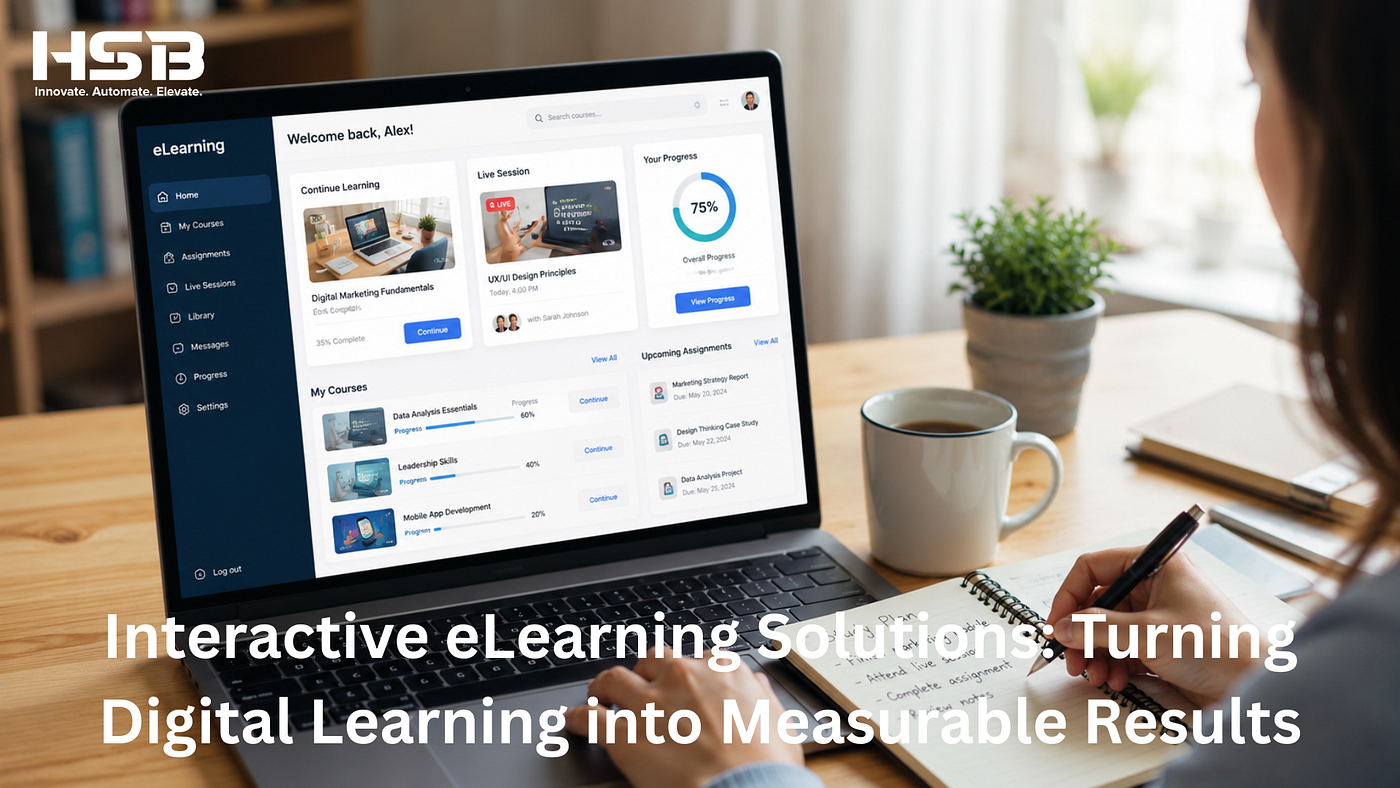
7 Learning Experience Trends — Every Educational Institution Should Know
The education sector is experiencing one of its biggest transformations in decades. As digital learning becomes mainstream, students expect…
7 Learning Experience Trends — Every Educational Institution Should Know

The education sector is experiencing one of its biggest transformations in decades. As digital learning becomes mainstream, students expect engaging, personalised, and flexible learning experiences that extend beyond traditional classrooms. Schools, universities, coaching institutes, EdTech companies, and corporate learning providers are increasingly investing in modern Learning Management Systems (LMS), AI-powered learning platforms, and digital education technologies to meet these evolving expectations.
For educational institutions, keeping pace with emerging learning experience trends is no longer just about innovation; it’s about improving learner engagement, increasing course completion rates, enhancing operational efficiency, and staying competitive in a rapidly changing education landscape.
Here are seven learning experience trends that every educational institution should understand.
1. AI-Powered Personalised Learning is Becoming the New Standard
One-size-fits-all education is gradually giving way to personalised learning experiences. Artificial Intelligence (AI) enables learning platforms to recommend courses, adapt learning paths based on student performance, and provide intelligent feedback in real time.
Institutions using AI-powered Learning Management Systems can better support individual learning needs while improving engagement and academic outcomes. Personalised learning also helps educators identify struggling students earlier and provide timely interventions.
Business Outcome: Higher learner engagement, improved course completion rates, and enhanced student satisfaction.
2. Mobile Learning is Driving Anytime, Anywhere Education
Today’s learners expect uninterrupted access to educational content from smartphones, tablets, and laptops. Whether attending live classes, watching recorded lectures, completing assignments, or participating in discussions, mobile-first learning has become essential.
Modern cloud-based LMS platforms provide seamless learning experiences across devices, making education more accessible for remote and hybrid learners.
Business Outcome: Increased learner participation, greater accessibility, and improved learning flexibility.
3. Data Analytics is Improving Educational Decision-Making
Educational institutions generate valuable data every day. Learning analytics help administrators and educators understand student performance, attendance, engagement levels, assessment results, and course effectiveness.
Advanced dashboards allow institutions to identify learning gaps, measure faculty performance, and optimise curriculum planning based on real insights instead of assumptions.
Business Outcome: Better academic planning, data-driven decisions, and improved institutional performance.
4. Microlearning is Increasing Knowledge Retention
Long lectures are gradually being complemented by shorter, focused learning modules. Microlearning delivers educational content in bite-sized lessons that are easier to consume and remember.
Short videos, interactive quizzes, infographics, and quick assessments allow learners to study at their own pace while improving knowledge retention and reducing cognitive overload.
Business Outcome: Higher learner engagement, faster skill development, and improved knowledge retention.
5. Interactive Learning is Replacing Passive Content Consumption
Students today expect more than recorded lectures. Interactive learning experiences, including live virtual classrooms, discussion forums, simulations, gamification, collaborative projects, and scenario-based assessments, make education more engaging.
Modern Learning Experience Platforms (LXPs) and LMS solutions encourage active participation rather than passive content consumption, resulting in deeper learning outcomes.
Business Outcome: Increased student interaction, stronger collaboration, and higher course completion rates.
6. Cloud-Based Learning Platforms Are Enabling Scalable Education
Cloud technology has transformed how institutions deliver education. Cloud-based LMS platforms reduce infrastructure costs, simplify maintenance, and enable institutions to scale quickly as student enrollments grow.
Cloud solutions also provide automatic updates, improved security, disaster recovery, and seamless integration with Student Information Systems (SIS), ERP software, CRM platforms, and video conferencing tools.
Business Outcome: Lower operational costs, greater scalability, and simplified IT management.
7. Skills-Based Learning and Digital Certifications Are Gaining Importance
Employers increasingly value practical skills alongside academic qualifications. Educational institutions are responding by offering competency-based learning, industry-aligned certifications, digital badges, and professional development programs.
Modern LMS platforms make it easier to manage certifications, track learner progress, and support lifelong learning initiatives that prepare students for evolving workforce demands.
Business Outcome: Improved graduate employability, stronger industry partnerships, and enhanced institutional reputation.
Preparing for the Future of Digital Learning
The future of education is becoming increasingly learner-centric, technology-enabled, and data-driven. Institutions that invest in AI-powered Learning Management Systems, personalised learning experiences, cloud infrastructure, and advanced analytics are better positioned to deliver high-quality education while improving operational efficiency.
However, technology alone is not enough. Success depends on selecting the right digital learning platform that aligns with institutional goals, supports educators, engages learners, and adapts to future educational trends.
How HSB Infotech Supports Modern Learning Experiences
At **HSB Infotech, we help educational institutions, universities, schools, coaching centres, corporate training organisations, and EdTech companies build scalable, secure, and customizable [Learning Management System (LMS) solutions](https://hsbinfotech.com/learning-management-systems) that support the future of digital education.**
Our **LMS solutions** are designed with features such as AI-enabled learning, personalised learning paths, mobile accessibility, virtual classrooms, assessments, certification management, analytics dashboards, and seamless third-party integrations. By focusing on usability, scalability, and long-term flexibility, we help institutions create engaging learning environments that improve both educational outcomes and operational efficiency.
Conclusion
The education industry is evolving rapidly, and learner expectations continue to grow. Institutions that embrace these seven learning experience trends, AI-powered personalisation, mobile learning, learning analytics, microlearning, interactive learning, cloud-based platforms, and skills-based education, will be better equipped to deliver meaningful learning experiences and achieve sustainable growth.
Investing in the right LMS and digital learning strategy today enables educational institutions to stay ahead of industry trends, enhance learner success, and build a future-ready education ecosystem.
메타데이터
- post_id
- 13dcf89a19d1
- slug
- 7-learning-experience-trends-every-educational-institution-should-know-13dcf89a19d1
- url
- https://medium.com/@hsbinfotech.com/7-learning-experience-trends-every-educational-institution-should-know-13dcf89a19d1
- canonical_url
- https://medium.com/@hsbinfotech.com/7-learning-experience-trends-every-educational-institution-should-know-13dcf89a19d1
- author_url
- https://medium.com/@hsbinfotech.com
- status
- ok
- fetched_at
- 2026-07-30 16:42:12