The Sower, Revisited
Based in part on Holy Writ
The Sower, Revisited
Based in part on Holy Writ
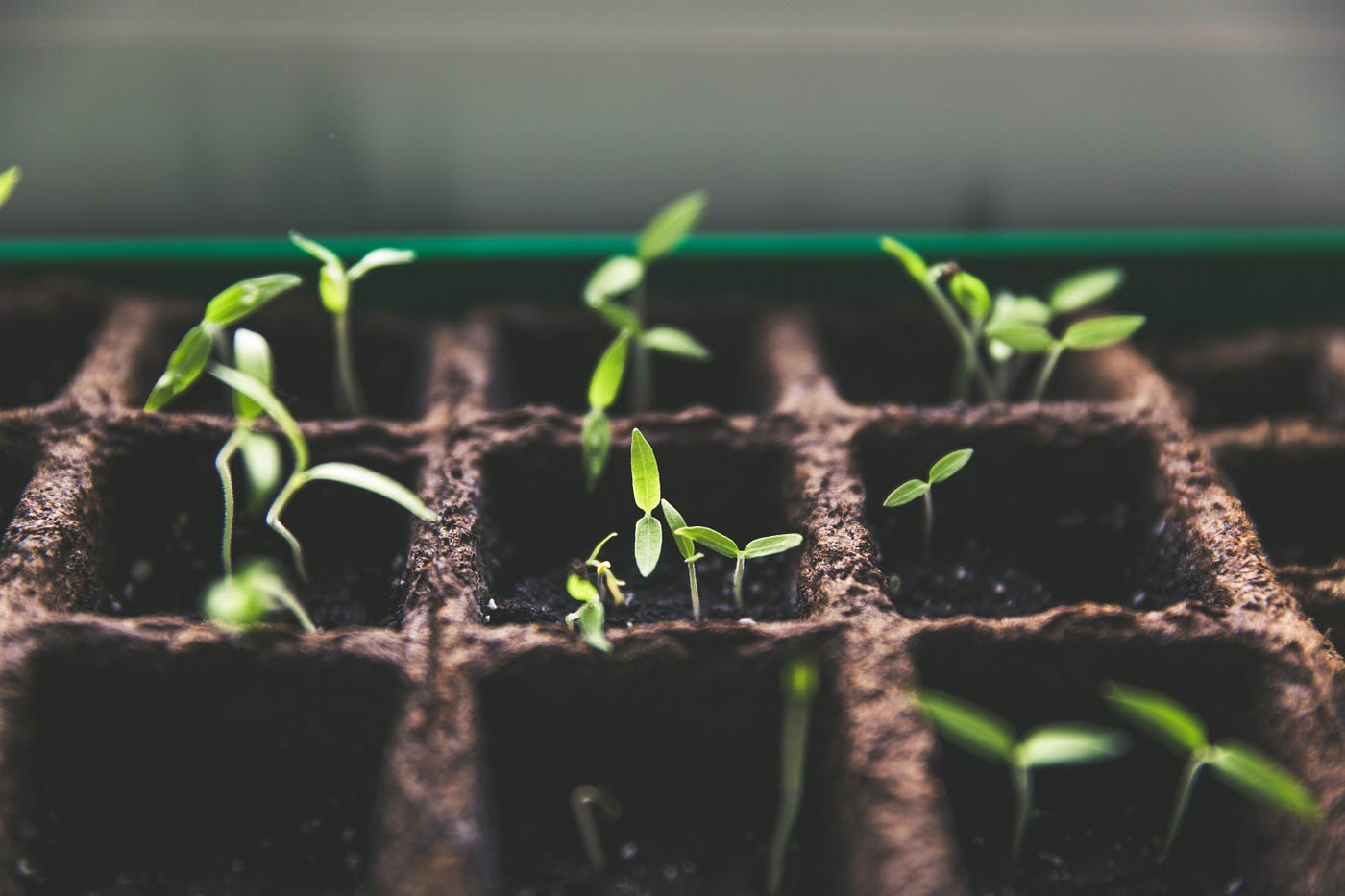
Unsplash. Markus Spiske
A sower went forth to sow.
Beneath the head covering, a sandy-colored cowl which shielded him from the sun, his face was noble, his features fine.
He looked a little different than any other person who had ever lived, or who would come after.
His feet were bare, his sandals dusty and worn, his clothing loose fitting, as at times the heat of the day became oppressive.
The bag which held seed had a strap which went over a shoulder.
Over his other shoulder he wore a leather flask of water, from which he took a drink every so often and which he would replenish with water from a not too distant well.
From a distance, he could easily be mistaken for any number of similar nondescript people who worked the fields and tilled the earth. They dotted the landscape. Along with livestock and the birds, they were the only things that moved.
He planted.
Some seed fell in the fertile loam and grew into vegetables. This was not that long after the Fall. Cain was not a gentle person. We do not know why. It seems the seeds of self-destruction lay within him. His boiling point was just below skin’s surface. At one point, he had words with his younger brother, Abel, and violence ensued. Cain lost his temper and killed Abel. This was the first murder. After that happened the vegetables may not have grown the same; they might have grieved for Abel and were perhaps smaller, less colorful and tasty.
Other seed became oak seedlings, which grew into gopher trees, the wood from which Noah and his sons, over 120 years, built to specifications the ark that would protect them from the Great Deluge. Gopher wood survived the centuries. What is now called Quercus virginiana is a resilient live oak. It was used by the U. S. Navy to build hulls and beams of their ships.
Some seed fell in soil and grew into trees from which came the wood that was used to make the wheels of the sturdy chariot that Pharaoh drove into the bed of the Red Sea in his pursuit of the multitude of Hebrews, whom he had released from 430 years of bondage. Only he got mired in the sand and the waters of the Sea closed over him and the other Egyptian charioteers. Their graves were watery.
Other seed became trees, from whose wood came the wheel that Samson turned to grind grain in the prison house after he was blinded by his captors, the Philistines. But his hair regrew and he would literally bring down the house, killing more in his death than he had in his lifetime.
Some seed fell in the field in which Ruth the Moabite woman gleaned after reapers had completed their task. Finding fertile soil, it germinated. From this genetic lineage was to come King David and, later, the Messiah.
Other seed fell on a bluff to the east of the great city of Nineveh, capital of Assyria. It became a gourd, which grew large enough to provide shade for the prophet Jonah, as he awaited the destruction of Nineveh, as he had prophesied. But a worm came, and devoured the gourd, and the shade it had furnished was gone. And Jonah was disappointed that his prophecy did not come to pass. He would not be remembered as a major prophet.
Some seed became the wheat grain from which five small loaves were made by a Jewish woman, mother of a lad who went to hear the Word. They, along with two fishes, fed 5000 when they were multiplied many times over, but one of many miracles wrought by the Master.
Other seed became grain that was plucked by the Master and His disciples in the fields on a Sabbath day.
Some seed became the palm tree whose fronds were waved by those who cheered the triumphal entry of the Master into Jerusalem on a borrowed donkey.
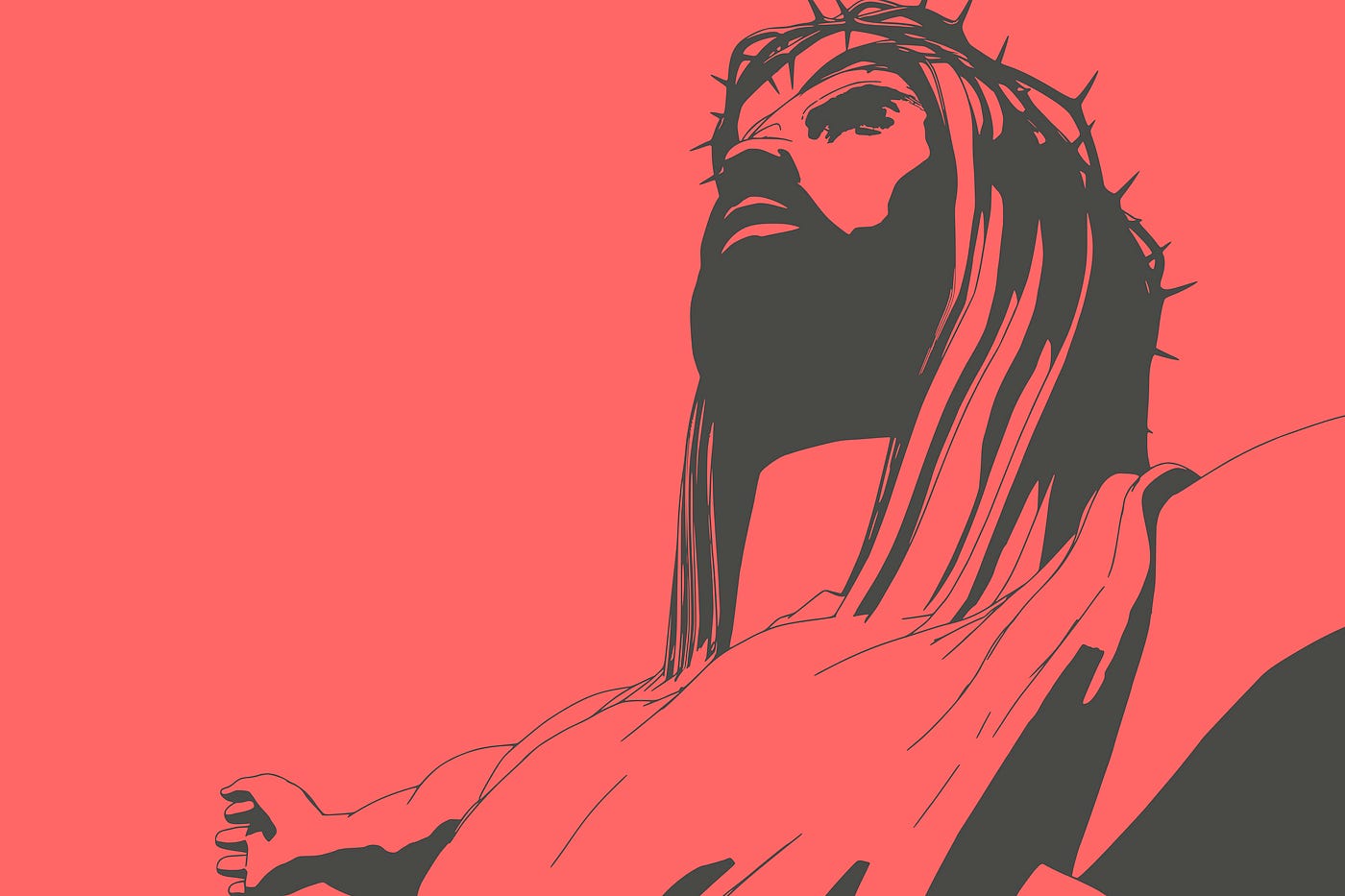
Other seed became the tree from which was hewn the cross that was carried by Simon to the top of the hill of Golgotha, upon which the Master was fastened and crucified. At which time the cosmos held its collective breath, the veil in the temple was torn asunder, and a number of people who had died were resurrected and ascended Earth for the Good Place.
Some seed became trees from which were hewn other crosses. There were three on Golgotha that day, one to the right and one to the left of the one on which the Master hung. The destinies of the two who hung along with Him were vastly different, based on their choices. One was destined for the Good Place. The other? Another place.
Other seed grew into trees whose wood became paper upon which was printed the Holy Writ, the first accomplishment of the Gutenberg press with movable type.
Some seed became trees yielding wood from which a slave ship was constructed. It was captained by John Newton, who, during a storm at sea, promised to change his ways. He would later write the beloved hymn Amazing Grace and become a preacher of the Word.
Other seed grew into The Giving Tree, a wondrous tree and the topic of a bestselling children’s book by author and artist Shel Silverstein.
Some seed fell in small patch of dirt in a metropolitan city in the West, outside a tony apartment in which a businessman, a venture capitalist in Silicon Valley, lived. He drove a BMW, wore fancy suits, and had his hair cut at an upscale salon. His black leather valise was initialed. He had all the trappings of success, but his soul was parched, dry as the hills of Gilboa, having neither dew nor rain. Then one day, body ravaged by the drugs he had begun using (a practice he had begun in recreation, but soon found himself unable to relinquish), he wandered into a building in which the Word was being preached. It was at that point he was struck by an epiphany and the sudden realization that his life to that point had been for naught. Soul revived, a recipient of grace, he turned his life around.
What grows in your garden?
메타데이터
- post_id
- 140bf39e2a17
- slug
- the-sower-revisited-140bf39e2a17
- url
- https://medium.com/@sctmtn/the-sower-revisited-140bf39e2a17
- canonical_url
- https://medium.com/@sctmtn/the-sower-revisited-140bf39e2a17
- author_url
- https://medium.com/@sctmtn
- status
- ok
- fetched_at
- 2026-07-29 03:27:06