The ideological conflicts of WW2 and their similarities to Nietzsche’s master/slave morality…
The similarity between the dichotomies of Nietzsche’s master/slave morality and that of nazism and communism during the 20th century
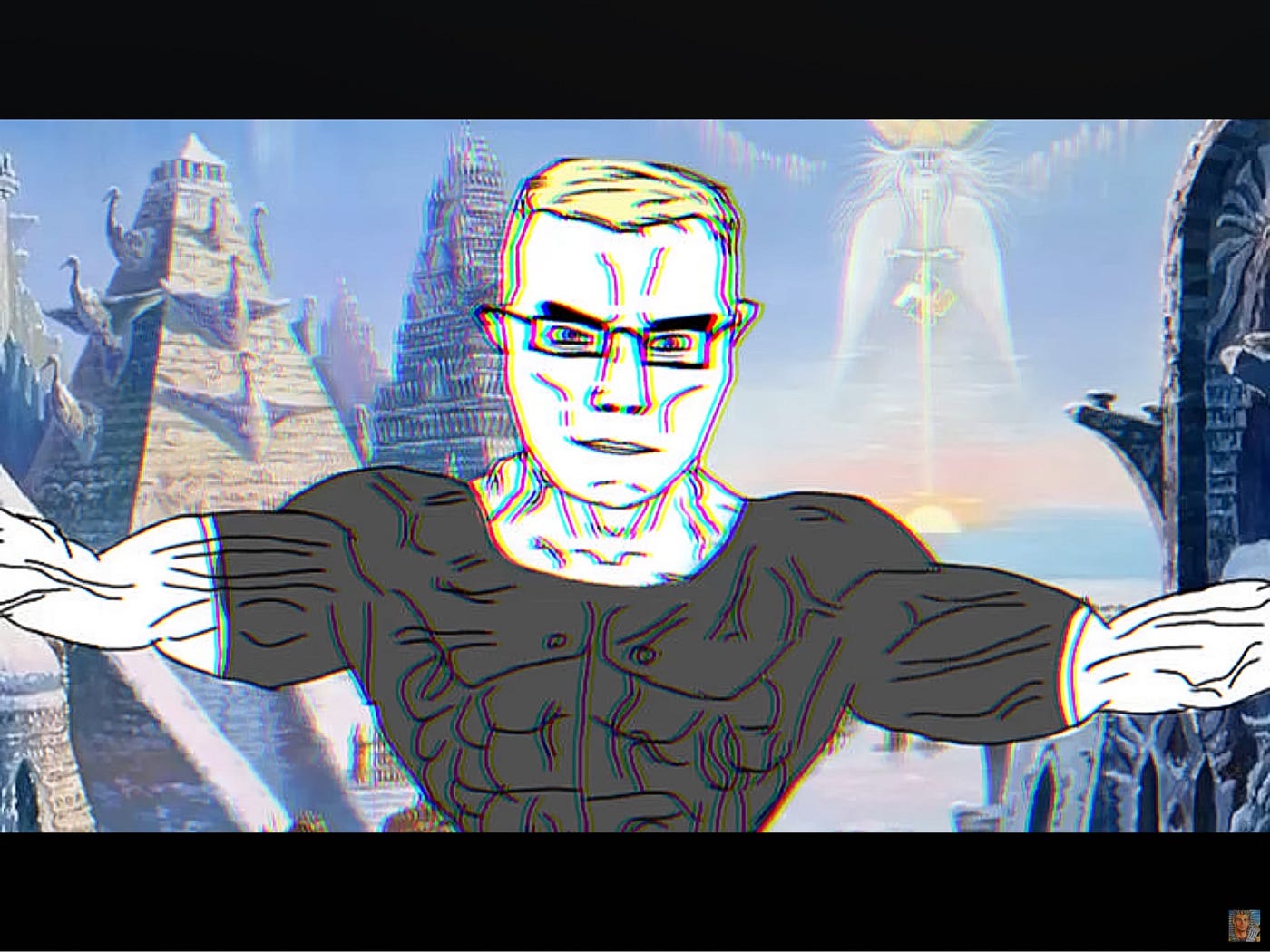
To begin this Essay, I will first briefly explain Nietzsche idea of master and slave morality. In the genealogy of morals Nietzsche suggests the innately gifted at the beginning of human society came to dominate after acting in accordance with there biological instincts chiefly what he called the will to power. Subsequently they came to define their conception of ‘good’ in accordance with there biological instincts. Nietzsche claimed that this moral framework was characterised by Greco-roman culture and morality. However, as this societal structure necessitated the suffering and oppression of those less gifted who became slaves these people therefore constructed their conception of good as the antithesis of that of there masters. This morality is most apparent within Christianity were the weak are venerated egalitarianism is praised and the main symbol of the religion is a cross: a torturous instrument used by the romans to kill slaves. This being said the Christian aristocracy certainly did not fully adopt slave morality evidenced by events such as Charlagmanes conquest of Germany and the Spanish Inquisition. However, this is a vast oversimplification of of nietzche’s thesis on morality and for a better explanation you should read his books.
Now after establishing these definitions, I will attempt to draw a link between this dichotomy and the one between nazism and communism during the 20th century. Whilst some aspects of nazism share little in common with master morality such as the concept of Fuhrerprinzep (leader principle) in which aspects of people’s everyday lives were controlled by the supreme dictator in contrast with master morality which is highly individualistic. However, there are several notable similarities such as the nazis heavy emphasis on social Darwinism in which they believed the german people being the superior race had a biologically ordained right to the conquest of inferior races to secure lebansraum for the german people. This is strikingly similar to master morality in which good is acting in accordance with one’s own instincts which are dictated by evolution and therefore similar to that of social Darwinism. Moreover, in nazism egalitarianism was strongly rejected as weak and ungerman, remarkably similar the master morality’s views on egalitarianism. Additionally, the weak and sickly where heavily discriminated against evidenced by the euthanasia programs enacted on disabled people similarly to how the weak were the property of the strong in master morality. Nazism also heavily praises natural beauty and physical perfection highlighted by the rigorous fitness programs for youths, in master morality beauty and physical fitness is an absolute moral good. Furthermore, hitler rejected Christian morality in favour of neopaganism and a return to the morality of early antiquity. Now as for the similarities between communism and slave morality they are both highly egalitarian with communism providing each person with possessions according to there needs which are taken from those according to there ability. This state enforced equality of outcome venerates the less gifted similar to slave morality. However, whilst communism claims to be atheistic and materialist and thus reject Christian doctrine its moral principals are very similar so in reality it simply removes God and replaces them with the idol of science and knowledge. However, this act in of itself is highly unscientific as science is characterised by an unwavering skepticism even towards scientific institutions.
Briefly I will mention liberal democracy which does not clearly fall in to either camp as it takes aspects of both moral systems simultaneously celebrating the naturally gifted via capitalism whilst also being somewhat egalitarian via welfare policies. Here in lies one of the main flaws in characterising entire ideologies under one moral system as most ideology’s are vastly more complex and nuanced than what this allows for.
메타데이터
- post_id
- 144ca9afe2e2
- slug
- the-ideological-conflicts-of-ww2-and-their-similarities-to-nietzsches-master-slave-morality-144ca9afe2e2
- url
- https://medium.com/@oscarboyle241/the-ideological-conflicts-of-ww2-and-their-similarities-to-nietzsches-master-slave-morality-144ca9afe2e2
- canonical_url
- https://medium.com/@oscarboyle241/the-ideological-conflicts-of-ww2-and-their-similarities-to-nietzsches-master-slave-morality-144ca9afe2e2
- author_url
- https://medium.com/@oscarboyle241
- status
- ok
- fetched_at
- 2026-07-25 07:20:16




