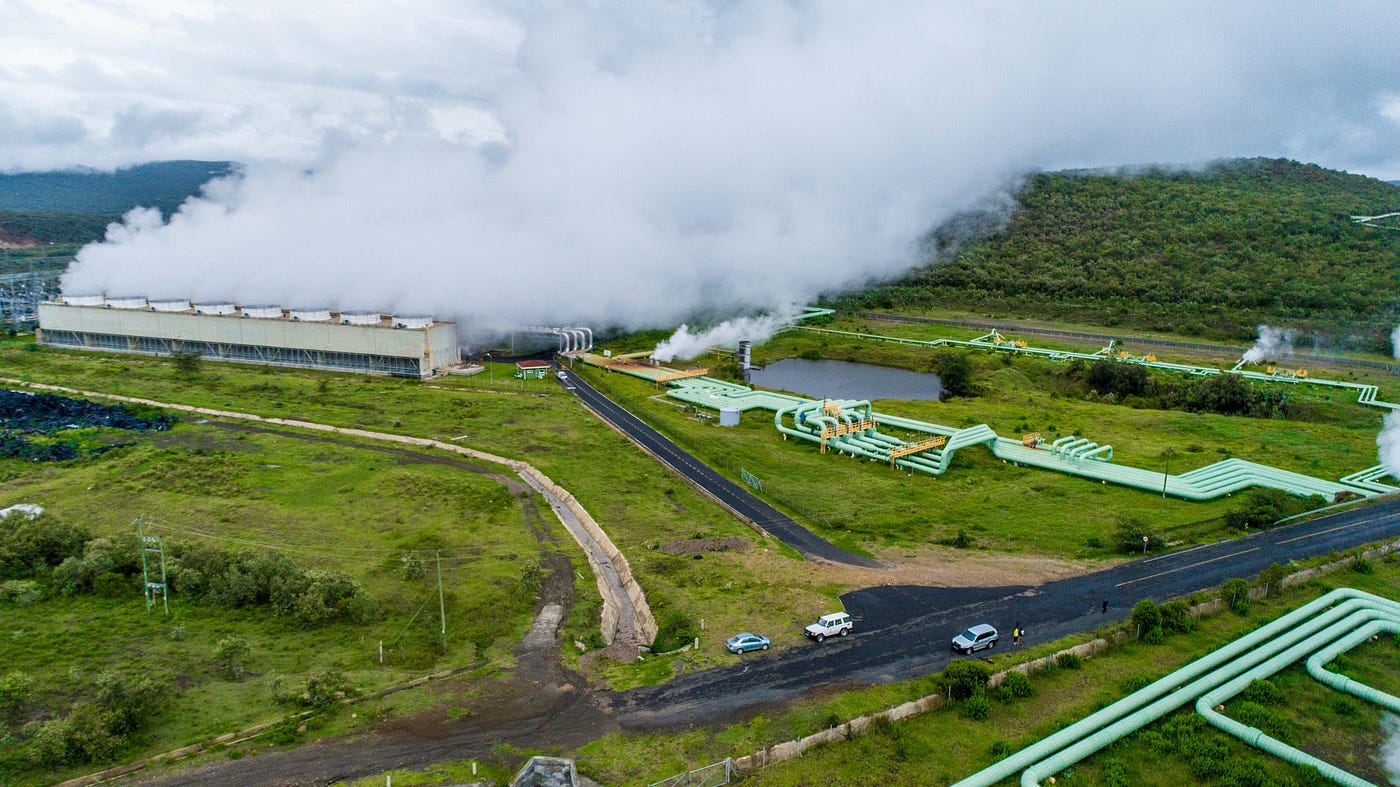
The Floating Petri Dishes. Or, I Took A Cruise And Got Covid
Our oceans support life on earth.
The Floating Petri Dishes. Or, I Took A Cruise And Got Covid
Our oceans support life on earth.

Image Credit: Word Press
This article is a followup to my **previous post** on the cruise ship industry. The allure of a cruise vacation conjures up images of luxurious accommodations, exotic destinations, and unparalleled relaxation.
But (and it’s a big but) , beneath the surface of this idyllic fantasy lies a harsh reality:
The catastrophic impact cruise ships have on the delicate ecosystems of the Earth’s oceans.
While these polluting, floating cities promise an escape from the everyday hustle and bustle, they leave behind a **trail of devastation that threatens marine life, biodiversity, and the very health of our planet. They also offer passengers the opportunity to contract communicable diseases such Covid, hepatitis A, measles, meningococcal disease, mumps, pertussis, rubella, norovirus and varicella. Friend’s of mine and two relatives took a cruise to Alaska and all four contracted Covid.**
It is the main reason cruise ships are called “floating petri dishes” by many medical people.
One of the most pressing concerns associated with cruise ships is their significant contribution to marine pollution. These playgrounds of the sea generate an astonishing amount of waste, ranging from sewage and wastewater to solid waste and hazardous chemicals. Despite advancements in waste management technologies, many cruise lines still discharge untreated sewage directly into the ocean, endangering marine habitats and contaminating coastal waters.
Photo by Naja Bertolt Jensen on Unsplash
The sheer volume of plastic waste generated by cruise ships contributes to the global marine pollution crisis. Plastic straws, bottles, and packaging find their way into the ocean, where they pose a grave threat to marine life. Sea turtles, seabirds, and marine mammals often mistake plastic debris for food, leading to ingestion, entanglement, and ultimately death.
The accumulation of plastic pollution in the ocean not only harms individual animals but also disrupts entire ecosystems, undermining the balance of marine biodiversity. Cruise ships also contribute to the degradation of marine ecosystems through the release of harmful chemicals and toxins.
The discharge of ballast water, which is used to stabilize vessels, introduces invasive species into new environments, disrupting native ecosystems and threatening indigenous marine species.
Emissions from cruise ship engines contain high levels of sulphur dioxide, nitrogen oxides, and particulate matter, contributing to air pollution and acidification of the oceans. These pollutants have devastating effects on marine organisms, including coral reefs, fish populations, and plankton communities, which form the foundation of the marine food chain.
The dredging of ports and the construction of artificial islands to accommodate these floating pollution machines often result in the destruction of coral reefs, mangrove forests, and sea-grass meadows. These vital ecosystems provide essential services, such as shoreline protection, nutrient cycling, and habitat provision, and their loss undermines the resilience of coastal communities and exacerbates the effects of climate change.
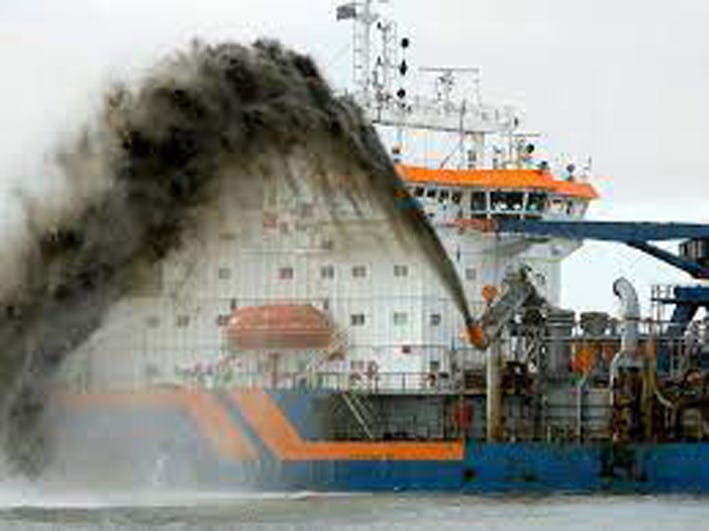
Image Credit: The Guardian
Despite these alarming realities, the cruise industry continues to grow at an unprecedented rate, driven by rising consumer demand and aggressive marketing campaigns. The latest cruise shipped launched carries an astounding 10,000 passengers.
While some cruise lines have taken steps to reduce their environmental footprint through the adoption of cleaner technologies and sustainable practices, much more needs to be done to address the systemic issues underlying the industry’s environmental impact.
I know I am tilting at windmills when I say the disastrous effects of cruise ships on Earth’s oceans are undeniable and demand urgent action. I am just one voice.
To institute change in this multi-billion dollar industry requires vacationers giving more thought before booking the pleasures they are being offered, whether a cruise ship or an all inclusive. Is the company I’m booking with at the top or the bottom of compliancy in protecting the environment?
At the risk of repeating myself, the environmental toll of these floating cities is staggering. Earth’s human inhabitants, as stewards of the planet, must hold the cruise industry accountable for its actions and work towards more sustainable and responsible practices that prioritize the health and integrity of our oceans.
Only through collective effort and decisive action can we hope to mitigate the negative effects of cruise ships on marine ecosystems and safeguard the future of our planet’s most precious resource.
Think twice or three times before you book that cheap cruise. This planet and the oceans we are fortunate enough to inhabit is Plan A.
There is no Plan B.

The Author
If you have any comments, disagreements, or additional information on this post, please contact me either through Medium, or through my **website.**
Follow me on **FACEBOOK & [LINKEDIN](https://www.linkedin.com/in/handshakeconsultants/)**.
If you have kids, email me at handshakeconsultantsATshaw.ca. I’ll send you are FREE E-book.
Two of my project can be seen by clicking on these links:
My business interest is:
메타데이터
- post_id
- 1464b0ca7e4e
- slug
- the-floating-petri-dishes-or-i-took-a-cruise-and-got-covid-1464b0ca7e4e
- url
- https://medium.com/@michaeltrigg/the-floating-petri-dishes-or-i-took-a-cruise-and-got-covid-1464b0ca7e4e
- canonical_url
- https://medium.com/@michaeltrigg/the-floating-petri-dishes-or-i-took-a-cruise-and-got-covid-1464b0ca7e4e
- author_url
- https://medium.com/@michaeltrigg
- status
- ok
- fetched_at
- 2026-08-28 19:58:59