How Marketing Managers Can Lead Through Uncertainty
In today’s fast business world, things change quickly. A new trend starts, rules change, or the economy goes up and down. For a marketing…
How Marketing Managers Can Lead Through Uncertainty

In today’s fast business world, things change quickly. A new trend starts, rules change, or the economy goes up and down. For a marketing manager, this uncertainty can be very hard. But, it is also a chance to show strong leadership. If you want to know how to manage a team when things are unclear, you need to learn how to lead through uncertainty. This skill is very important for keeping your team happy and reaching your marketing goals.
This guide will show you the best ways marketing managers can steer their teams through tough times. We will look at why it matters, the main problems you will face, and practical steps you can take today.
Why Leading Through Uncertainty is Important in Marketing
Marketing is all about talking to people and understanding what they want. When the world changes, what people want changes, too. A marketing plan that worked last month might fail today. This is why a marketing manager must be ready to adapt.
When things are uncertain, your team might feel stressed or confused. They look to you for direction. If you panic, they will panic. If you stay calm and focused, they will do the same. Leading through uncertainty means giving your team confidence, even when you don’t have all the answers yet. It means showing them that while the path may be unclear, the team is still moving forward together.
The High Cost of Poor Leadership During Crisis
If a marketing manager cannot lead well during tough times, the cost is high. First, the team loses its drive. When people do not know what the plan is, they stop working hard. They spend more time worrying than working. This means projects get delayed and the quality of work goes down.
Second, good people might leave the company. No one likes to work in a place where they feel lost and unsupported. If a manager does not talk to the team or show support, the best workers will find a new job.
Finally, the company loses money. If the marketing team is not working well, the marketing campaigns will fail. The company will not reach new customers, and old customers might forget about the brand. This shows why learning to lead through uncertainty is not just a soft skill; it is essential for the business to survive.
The Benefits of Strong Leadership
On the other hand, strong leadership during a crisis can make a team even better. When a manager communicates well and supports the team, the team trusts the manager more. They feel safe. This safety allows them to be creative and try new things, which is exactly what a company needs when the old ways are no longer working.
A team that is well-led during uncertain times learns how to adapt quickly. They become stronger and more united. When the crisis is over, this team will be much faster and more effective than a team that was poorly led. They will have learned how to handle stress and how to change plans quickly.
Common Challenges Marketing Managers Face
Before we look at the solutions, we must understand the problems. Leading a marketing team during uncertain times comes with specific challenges.
Rapidly Changing Consumer Behavior
The biggest challenge is that customers change their minds quickly. What they cared about yesterday is not what they care about today. For example, during a financial crisis, people might stop buying luxury goods and only buy essentials. A marketing campaign selling expensive watches will suddenly fail.
Marketing managers must constantly watch what customers are doing and saying. They cannot rely on old data. They need new data, every day or every week, to understand the new reality.
Budget Cuts and Doing More with Less
When the future is unclear, companies often cut budgets. The marketing department is usually one of the first places to lose money. Marketing managers are suddenly told they must achieve the same goals, but with half the budget.
This is a very difficult position. Managers must be very creative to find ways to reach people without spending a lot of money. They must focus only on the most important projects and stop doing things that are nice but not necessary.
Team Burnout and Stress
Uncertainty creates stress. When team members worry about their jobs, their health, or the future, they cannot focus on their work. They become tired and might experience burnout.
A marketing manager must watch the team carefully for signs of stress. They must find ways to reduce the pressure and help the team take care of themselves. If the team burns out, the marketing department stops working completely.
Key Strategies for Marketing Managers
Now that we understand the importance and the challenges, here are practical steps you can take to lead through uncertainty effectively. These strategies are designed to help you keep your team focused, adaptable, and motivated.
1. Communicate Clearly and Often
The biggest mistake you can make during uncertain times is being quiet. Even if you don’t have new information, talk to your team. Let them know you are watching the situation. Silence creates fear. When people do not hear from their leaders, they imagine the worst.
- Be honest: If you don’t know something, say so. Don’t make promises you can’t keep. Say, “I do not know the answer to that right now, but I will tell you as soon as I do.” This honesty builds trust.
- Keep it simple: Avoid using complicated words. Make sure everyone understands the current plan. Use simple, clear language. Send short emails or have brief meetings to update everyone.
- Listen actively: Communication is a two-way street. Let your team share their worries. When they feel heard, they feel better. Create a safe space where they can ask questions without feeling foolish.
- Establish a routine: Have a regular time to talk to the team. Maybe it is a short meeting every morning or a longer meeting every Monday. This routine gives the team something they can rely on when everything else is changing.
2. Stay Flexible and Ready to Change
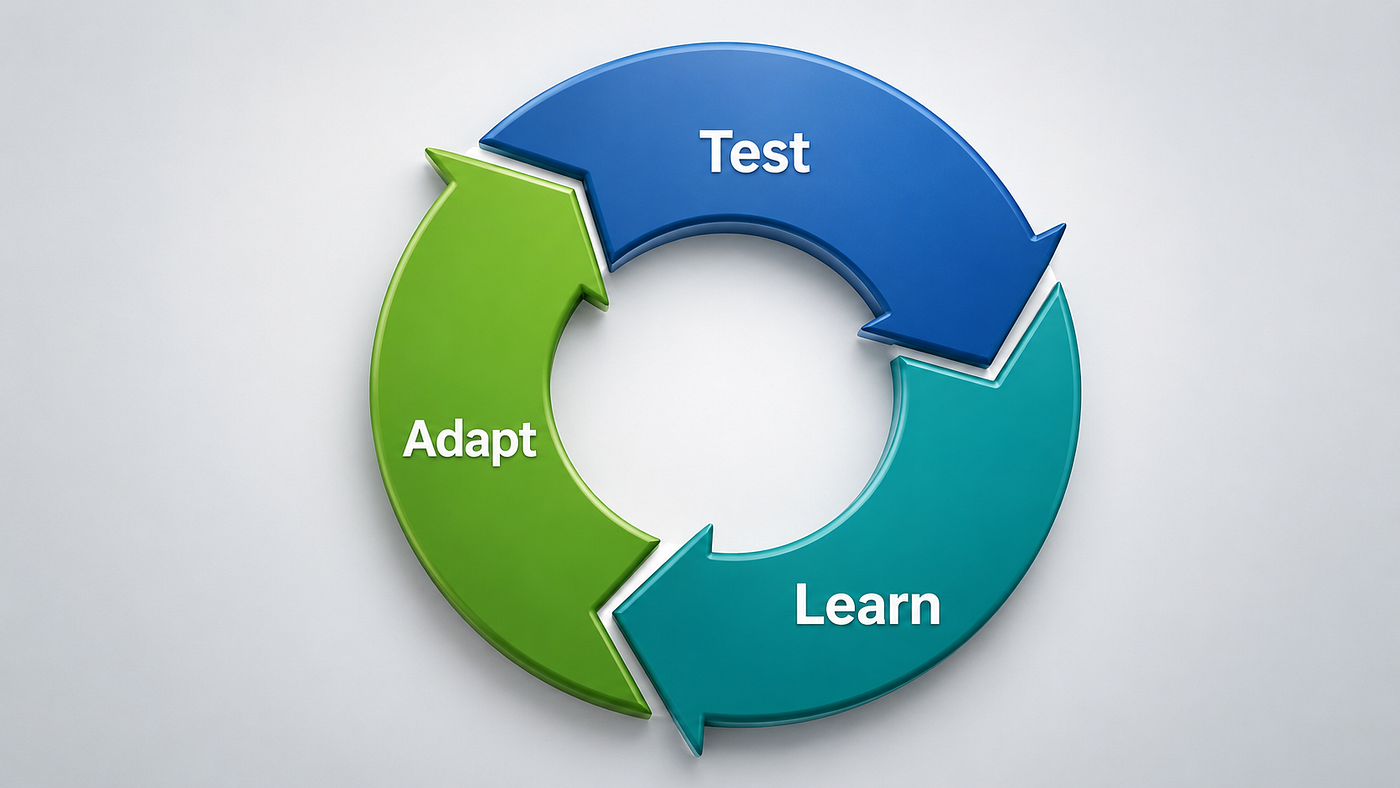
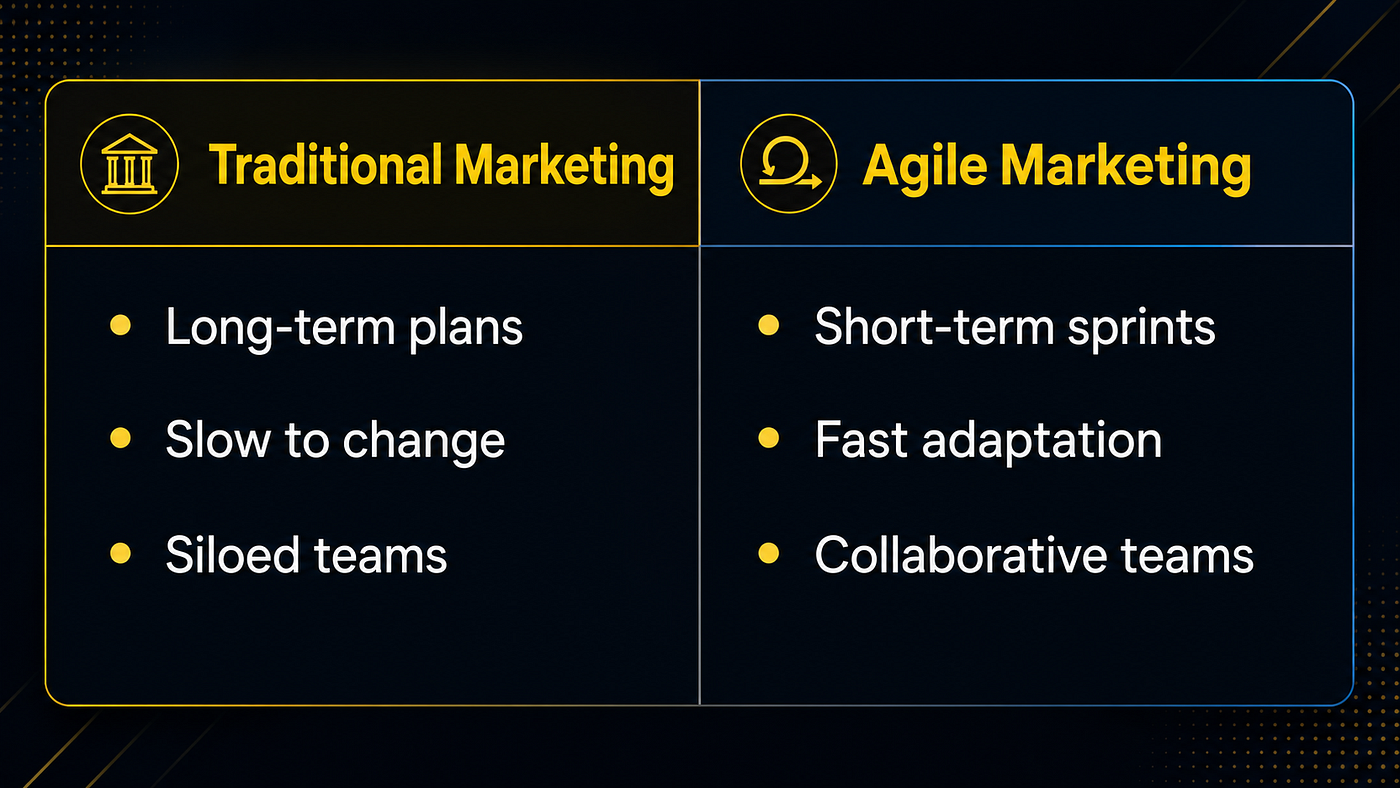
Your old marketing strategy might not work right now. You need to be ready to pivot. This means changing your plan quickly based on new information. In normal times, a marketing plan might last for a year. During uncertain times, a plan might only last for a week.
- Review data often: Look at your campaign results every week, or even every day, not every month. If something is not working, stop doing it immediately. Do not waste money on failing campaigns.
- Try small tests: Before spending a lot of money on a new idea, test it first to see if it works. Run a small ad campaign or send an email to a small group of people. If the test is successful, then you can spend more money on it
- Empower your team: Let your team make small decisions so things can move faster. If they have to wait for your approval for every small change, you will move too slowly. Trust your team to do their jobs.
- Embrace Agile Marketing: Adopt an agile approach. Break large projects into smaller tasks. Work in short bursts, called sprints. This allows you to review your progress frequently and change direction if necessary.
3. Focus on Your Core Customers
When times are tough, don’t try to reach everyone. Focus on the people who already love your brand. It is much easier and cheaper to keep a current customer than to find a new one.
- Offer real value: Ask yourself, “How can we help our customers right now?” Maybe they need a discount, or maybe they need more information. Find out what they need and give it to them.
- Build deep trust: Show your customers that you understand their current situation. Be empathetic in your messages. Do not ignore the crisis; acknowledge it and offer support.
- Keep the message clear: Ensure your marketing messages are helpful and not pushy. Now is not the time for hard selling. Focus on building relationships.
- Create loyalty programs: Reward your best customers for staying with you. Give them early access to new products or special discounts. Make them feel valued.
4. Support Your Team’s Well-being
Your team cannot do good work if they are stressed and tired. Leading through uncertainty means taking care of your people first. A healthy team is a productive team.
- Encourage regular breaks: Make sure your team takes time to rest away from their desks. Encourage them to take a walk or simply step away from their computers.
- Be understanding: Recognize that people might be dealing with personal stress. They might have sick family members or financial worries. Be flexible with their working hours if possible.
- Celebrate small wins: When your team does something good, celebrate it loudly. Did a small test campaign work well? Did someone finish a difficult task? Celebrate these moments. This keeps morale high and shows the team that they are still succeeding.
- Check-in personally: Do not just talk about work. Ask your team members how they are feeling. A simple “How are you holding up today?” can make a big difference.
5. Redefine Success and Set Realistic Goals
During uncertain times, you cannot use the same goals you had before. If your original goal was to double your sales in six months, that might be impossible now. If you keep the old goals, your team will feel like they are constantly failing.
- Adjust expectations: Look at your goals and make them realistic for the current situation. Maybe the new goal is just to maintain your current sales numbers, or maybe the goal is to successfully launch one small new product.
- Focus on short-term wins: Set goals that can be achieved in a few weeks, not a few months. This gives the team a sense of accomplishment more often.
- Measure what matters now: You might need to track different numbers. Instead of tracking total sales, maybe you need to track how many people are signing up for your email list or how many people are engaging with your social media posts.
6. Keep Learning and Upskilling
When the market changes, new skills are often needed. Maybe your company needs to do more digital marketing and less traditional marketing. If your team does not have these skills, they will struggle.
- Provide training: Offer your team opportunities to learn new skills. This could be online courses, webinars, or workshops.
- Encourage curiosity: Ask your team to research new trends and share what they find. Create a culture where learning is valued.
- Lead by example: You should also be learning. Read industry blogs, attend online conferences, and share your new knowledge with the team. Show them that even the manager is still learning.
The Role of Empathy in Leadership
Empathy is perhaps the most critical tool for leading through uncertainty. Empathy means understanding and sharing the feelings of another person. It means putting yourself in their shoes.
When you show empathy to your team, you are telling them, “I see you, I hear you, and I understand that this is difficult.” This simple act can reduce stress dramatically. A leader without empathy will seem cold and distant, which will only increase the team’s anxiety.
You can show empathy by listening more than you speak, by being patient when mistakes are made, and by recognizing the hard work your team is doing under difficult circumstances. Remember, you are managing people, not just projects.
Preparing for the Future
Uncertainty is not a single event; it is a constant reality in business. Even when the current crisis passes, another one will eventually arrive. Therefore, leading through uncertainty is about building a team that is always ready for change.
By practicing clear communication, staying flexible, and supporting your team, you are not just surviving the current situation; you are preparing for the future. You are building a resilient team. A resilient team can bounce back from failure quickly. They do not fear change; they expect it.
When you invest time in these leadership strategies, you are investing in the long-term success of your marketing department and your company.
Conclusion
Leading through uncertainty is a challenge, but it is a necessary skill for any successful marketing manager. It requires a shift from managing tasks to truly leading people. By communicating clearly, staying flexible, focusing on customers, and supporting your team, you can turn difficult times into opportunities for growth.
Remember, your team needs your guidance to navigate the unknown. They are looking to you for a steady hand and clear direction. If you stay calm, focused, and empathetic, you can lead them to success, no matter what challenges come your way. The lessons you and your team learn during these tough times will make you stronger, faster, and more effective in the future.
메타데이터
- post_id
- 14846e49d1fc
- slug
- how-marketing-managers-can-lead-through-uncertainty-14846e49d1fc
- url
- https://medium.com/@romina.feili/how-marketing-managers-can-lead-through-uncertainty-14846e49d1fc
- canonical_url
- https://medium.com/@romina.feili/how-marketing-managers-can-lead-through-uncertainty-14846e49d1fc
- author_url
- https://medium.com/@romina.feili
- status
- ok
- fetched_at
- 2026-06-15 20:49:13