Antibody Drug Conjugates: Ushering in the Dual-Payload Era of Cancer Therapy
The fight against cancer has always been a race between relentless disease progression and groundbreaking scientific innovation. In recent…
Antibody Drug Conjugates: Ushering in the Dual-Payload Era of Cancer Therapy
The fight against cancer has always been a race between relentless disease progression and groundbreaking scientific innovation. In recent years, **antibody drug conjugates **(ADCs) have emerged as one of the most promising therapeutic classes in oncology. By marrying the precision of targeted antibodies with the potency of cytotoxic drugs, ADCs deliver a “smart bomb” approach to cancer therapy — hitting tumors hard while sparing healthy tissues.
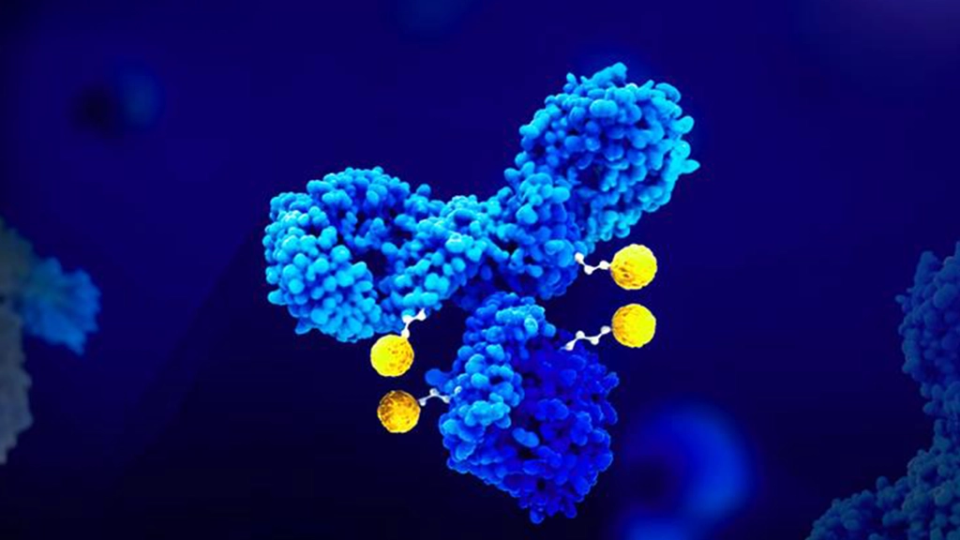
Now, as dual-payload ADCs enter clinical trials in 2025, the oncology community stands at the cusp of a paradigm shift. This next wave of innovation holds the potential to overcome resistance mechanisms, expand therapeutic windows, and redefine how cancers are treated across indications.
The Promise of Antibody Drug Conjugates
ADCs work on a deceptively simple principle: an antibody targets specific tumor-associated antigens, guiding a linked cytotoxic drug (the payload) directly to the cancer cells. Once inside the tumor microenvironment, the payload is released, destroying malignant cells with precision.
This targeted approach has already transformed patient care in areas like breast cancer, hematologic malignancies, and urothelial carcinoma. Drugs such as trastuzumab emtansine (T-DM1) and brentuximab vedotin have demonstrated the real-world power of ADCs, combining specificity with potency.
Yet, despite their success, traditional single-payload ADCs face limitations:
- Tumor heterogeneity often reduces efficacy.
- Resistance pathways evolve, rendering payloads less effective.
- Off-target toxicities, though reduced compared to chemotherapy, remain a concern.
These challenges have driven researchers to reimagine ADC design — leading to the advent of dual-payload ADCs.
Dual-Payload ADCs: What Sets Them Apart
Unlike conventional ADCs that carry a single cytotoxic agent, dual-payload ADCs deliver two different therapeutic payloads simultaneously. This innovation addresses key limitations in cancer therapy by:
- Overcoming Drug Resistance Tumors often adapt to one class of payload by upregulating repair mechanisms or altering drug transport. A dual-payload approach, combining mechanisms of action (e.g., DNA damage + microtubule disruption), makes it far harder for cancer cells to evade treatment.
- Expanding Tumor Targeting Dual payloads allow ADCs to target heterogeneous tumor populations, where not all cancer cells express uniform sensitivity to one drug type.
- Improving Therapeutic Index By balancing potency across two payloads, researchers can reduce toxicity levels associated with high concentrations of a single drug.
In essence, dual-payload ADCs embody precision medicine at a new level, ensuring multi-pronged attacks on complex cancers.
Clinical Trials in 2025: A Historic Milestone
According to recent industry updates, the first dual-payload ADCs entered clinical trials in early 2025, a landmark development in oncology therapeutics. These trials are designed to evaluate not just safety and efficacy, but also the scalability of dual-payload conjugation technologies.
The key objectives being tested include:
- Tolerability profiles compared to single-payload ADCs.
- Synergistic efficacy, proving that dual mechanisms outperform monotherapy approaches.
- Stability and delivery efficiency, ensuring that both payloads remain intact until they reach the tumor microenvironment.
If successful, these trials could accelerate regulatory pathways and fast-track a new standard of care for resistant and metastatic cancers.
Technological Advances Driving the Shift
The rise of dual-payload ADCs is made possible by innovations in linker chemistry and bioconjugation techniques.
- Linker Diversity: Modern linkers can release payloads in response to specific triggers (pH changes, enzymatic activity) inside tumors, minimizing systemic release.
- Controlled Drug-to-Antibody Ratio (DAR): Dual-payload designs allow precise control of DAR to optimize stability and potency.
- Payload Selection: Combining agents with distinct mechanisms — such as topoisomerase inhibitors with microtubule disruptors — creates synergistic cancer-killing effects.
These technical leaps ensure dual-payload ADCs can be manufactured at scale without compromising precision.
Strategic Implications for Pharma and Biotech
For pharmaceutical companies, dual-payload ADCs represent both an opportunity and a challenge.
- Opportunity: The global ADC market is projected to surpass $20 billion by 2030. With dual-payload therapies, companies can secure strong differentiation in a crowded oncology landscape.
- Challenge: Development costs, regulatory complexities, and intellectual property hurdles remain steep. Companies must secure robust patent strategies to protect innovations in payload design, linker chemistry, and conjugation platforms.
Collaborations between biotech innovators and established pharma players are increasing, as shared expertise accelerates clinical development. Partnerships around co-development, licensing, and platform technologies are now central to capturing value in this fast-growing segment.
The Patient Impact: A Step Toward Durable Responses
At the heart of this evolution lies the patient. For individuals battling aggressive or resistant cancers, dual-payload ADCs offer:
- Higher response rates, even in tumors unresponsive to first-line therapies.
- Durable remission potential, by attacking cancers through multiple mechanisms simultaneously.
- Improved safety, as dual payloads reduce the need for high-dose single-drug exposure.
As trials progress, patients and oncologists alike are hopeful that this new generation of ADCs can bring more personalized and effective treatment options to the forefront of oncology.
Looking Ahead: The Next Frontier
The introduction of dual-payload ADCs is not the endpoint but the beginning of a new era. Future directions may include:
- Triple-payload ADCs, expanding therapeutic versatility.
- Combination regimens pairing ADCs with checkpoint inhibitors or CAR-T therapies.
- Tumor-agnostic approvals, as payload strategies prove effective across cancer types.
In this context, dual-payload ADCs serve as a bridge between today’s targeted therapies and tomorrow’s multi-dimensional precision oncology.
Conclusion
The story of antibody drug conjugates is one of continuous reinvention. From early proof-of-concept to today’s successful FDA-approved therapies, ADCs have steadily advanced cancer care. Now, with dual-payload ADCs entering clinical trials in 2025, oncology stands at a tipping point.
These next-generation therapies promise to overcome resistance, deliver superior efficacy, and offer renewed hope to patients worldwide. For the pharmaceutical industry, they represent a critical inflection point — where scientific ingenuity meets strategic opportunity. And for society, they symbolize progress in the enduring battle against cancer.
As we step into this bold new era, dual-payload ADCs may well be remembered as the innovation that redefined the future of oncology.
메타데이터
- post_id
- 14929b34ca80
- slug
- antibody-drug-conjugates-ushering-in-the-dual-payload-era-of-cancer-therapy-14929b34ca80
- url
- https://medium.com/@mohit_90438/antibody-drug-conjugates-ushering-in-the-dual-payload-era-of-cancer-therapy-14929b34ca80
- canonical_url
- https://medium.com/@mohit_90438/antibody-drug-conjugates-ushering-in-the-dual-payload-era-of-cancer-therapy-14929b34ca80
- author_url
- https://medium.com/@mohit_90438
- status
- ok
- fetched_at
- 2026-08-09 00:10:06