Interactive Brand Experiences: Why They’re Taking Over Experiential Marketing
How immersive, participatory campaigns are changing how brands connect with audiences
Interactive Brand Experiences: Why They’re Taking Over Experiential Marketing
How immersive, participatory campaigns are changing how brands connect with audiences

The Alienware Artifact NYC
If you’ve noticed brands doing more pop-ups, immersive events, or interactive digital campaigns lately, that’s not a coincidence. Marketing is changing quickly.
Consumers don’t just want to see a brand anymore. They want to experience it.
That shift is driving the rise of interactive brand experiences, which are quickly becoming a core part of modern experiential marketing.
[embed]eBay live at the National
What Are Interactive Brand Experiences?
www.interactivebrandexperiences.com states, “An interactive brand experience is a designed encounter that invites an audience to actively participate in a brand — not just observe it. Through technology, spatial design, and storytelling, these experiences create real-time, two-way engagement between a brand and its audience, resulting in deeper emotional connection, stronger recall, and measurable business outcomes.”.
These are are marketing moments that people actively participate in.
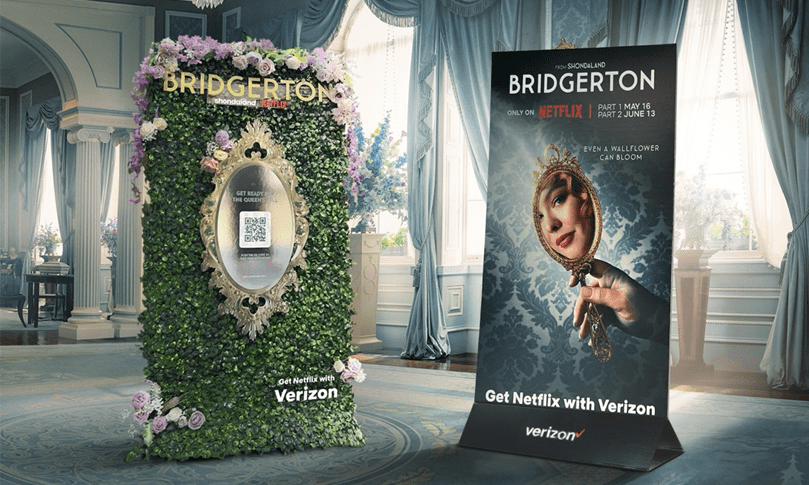
Instead of watching a video or walking past a display, the audience becomes part of the experience. That might include:
- Exploring an immersive pop-up installation
- Using augmented reality to interact with a product
- Personalizing something in real time
- Playing a branded game or challenge
The difference is simple. It is not passive. People are doing something instead of just observing.

eBay Live at the National, Chicago
Why Interactive Experiences Are Growing So Fast
1. People Are Tired of Traditional Ads
Most ads are easy to ignore. Between ad blockers, constant scrolling, and content overload, attention is harder to earn than ever.
Interactive experiences cut through that noise because they require involvement. When someone is actively engaged, they are far less likely to tune out.
2. Experiences Stick Longer Than Ads
Think about the last ad you saw. Now think about the last experience you had with a brand.
The experience is usually easier to remember.
Interactive marketing engages multiple senses and emotions at the same time. It creates a moment, not just a message, and those moments are what people remember and talk about later.
3. Built for Social Sharing
Interactive campaigns naturally encourage people to share.
Whether it is a visually striking setup, a personalized result, or something unexpected, people want to post about experiences that feel unique. When they do, brands benefit from authentic, user-generated content.
In many cases, the audience becomes the distribution channel.
4. Better Data Without Feeling Intrusive
One of the less obvious advantages is data.
Interactive experiences allow brands to understand how people behave, including what they click, choose, or engage with, without relying on traditional surveys or forms.
Because this happens within the experience itself, it does not feel intrusive. It feels like a fair exchange of value.
5. Personalization Feels More Meaningful
People expect personalization now, but interactive experiences take it further.
Instead of just seeing their name in an email, users can shape the outcome of the experience. Whether it is a custom product, a tailored recommendation, or a unique interaction, it feels more meaningful because they helped create it.
6. The Line Between Digital and Physical Is Blurring
Technology is a major driver behind this shift.
Augmented reality, motion sensors, touchscreens, and connected devices are making it easier to combine physical spaces with digital interaction. A simple environment can become dynamic and immersive.
This opens new opportunities for brands to create experiences that feel fresh and worth exploring.
Experiential Marketing Is Evolving
Experiential marketing used to focus on large, visually impressive events.
Now the focus is changing.
It is less about spectacle and more about participation. Brands are asking how they can involve people, not just capture attention.
Challenges Brands Should Keep in Mind
Interactive experiences are not always easy to execute.
They can require higher budgets, technical expertise, and coordination across teams. If something fails during the experience, it can quickly lead to frustration.
Strong execution matters as much as the concept itself.
What This Means Going Forward
Interactive brand experiences are not a passing trend. They reflect how people prefer to engage today.
As technology continues to evolve, experiences will become even more advanced through artificial intelligence, real-time data, and immersive environments.
The core idea will stay the same. People want to take part in the brand, not just hear about it.
Final Thoughts
Experiential marketing has always been about creating memorable moments. Interactive brand experiences go a step further by creating real connections.
In a crowded and fast-moving digital world, that connection is what helps brands stand out.
메타데이터
- post_id
- 14aaeddd8635
- slug
- interactive-brand-experiences-why-theyre-taking-over-experiential-marketing-14aaeddd8635
- url
- https://medium.com/@cognitioninteractive/interactive-brand-experiences-why-theyre-taking-over-experiential-marketing-14aaeddd8635
- canonical_url
- https://medium.com/@cognitioninteractive/interactive-brand-experiences-why-theyre-taking-over-experiential-marketing-14aaeddd8635
- author_url
- https://medium.com/@cognitioninteractive
- status
- ok
- fetched_at
- 2026-06-09 15:37:30