Ekphrastic Life Goals
My beautiful poet friend, Daneen, taught me about “ekphrastic” poems — written works based on or inspired by a painting or other piece of…
Ekphrastic Life Goals
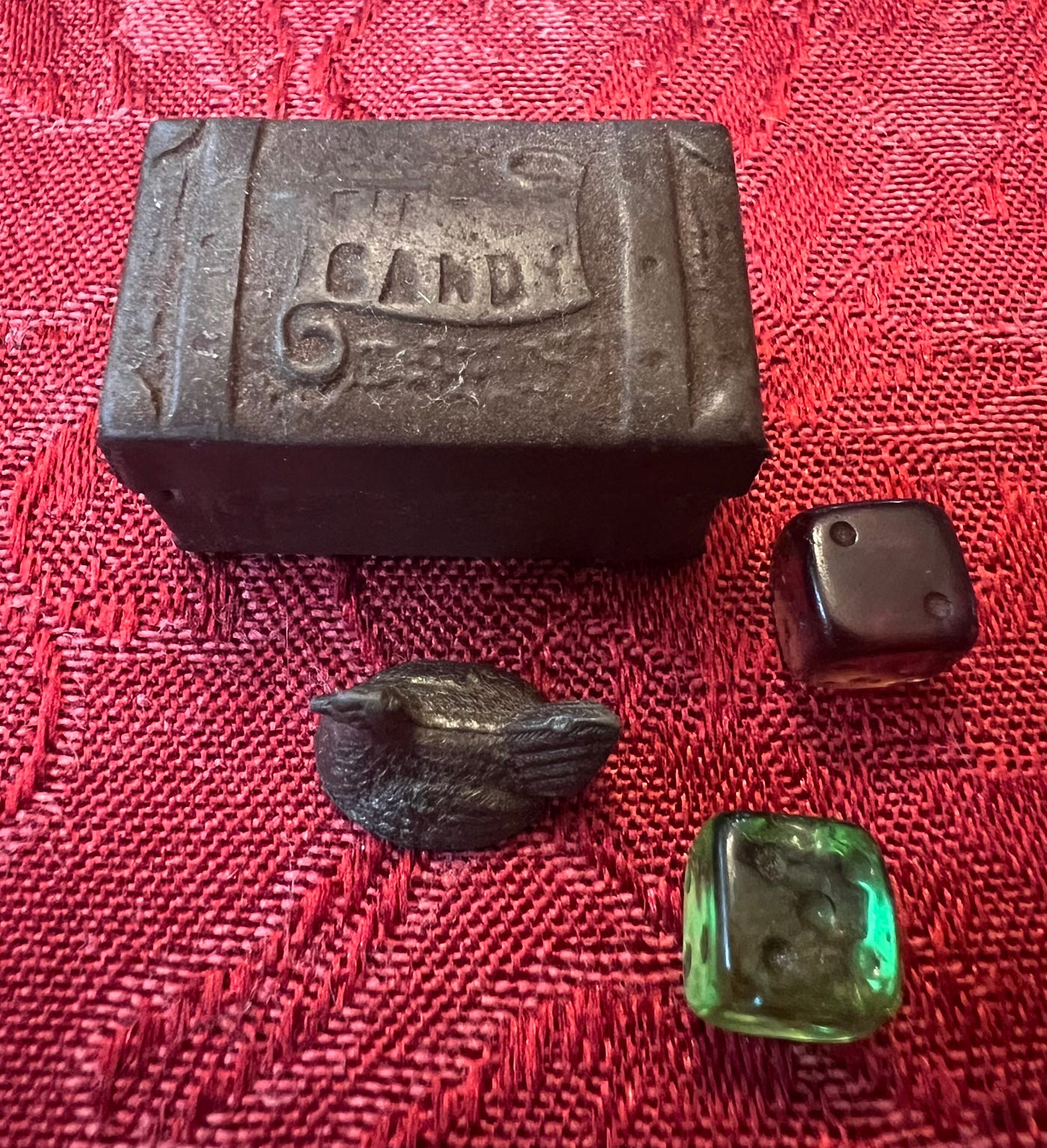
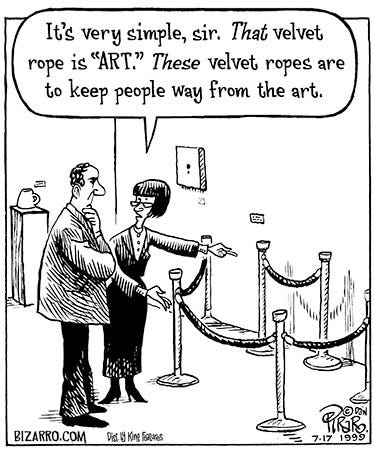
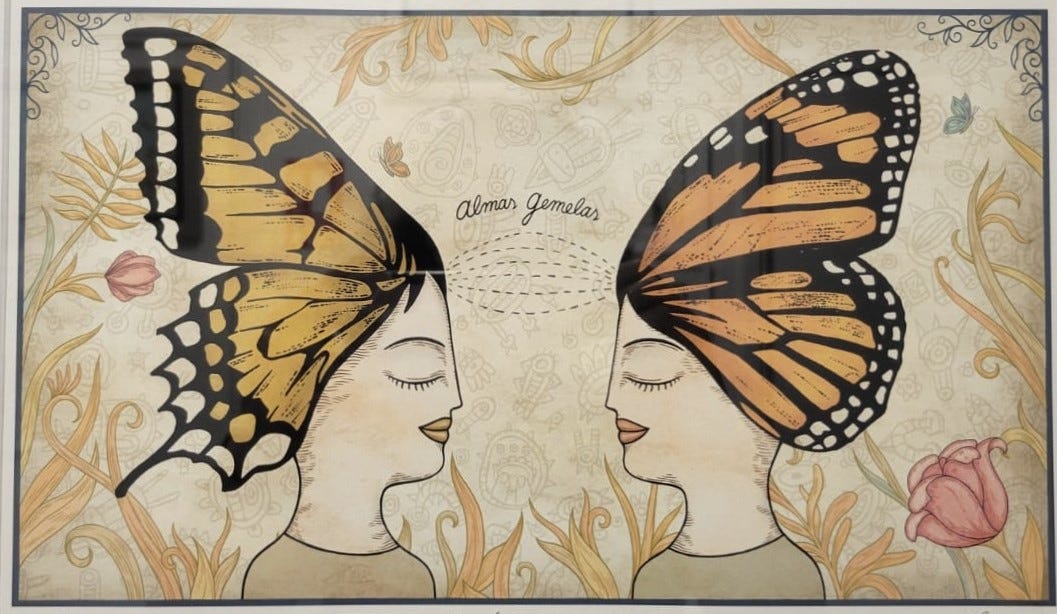
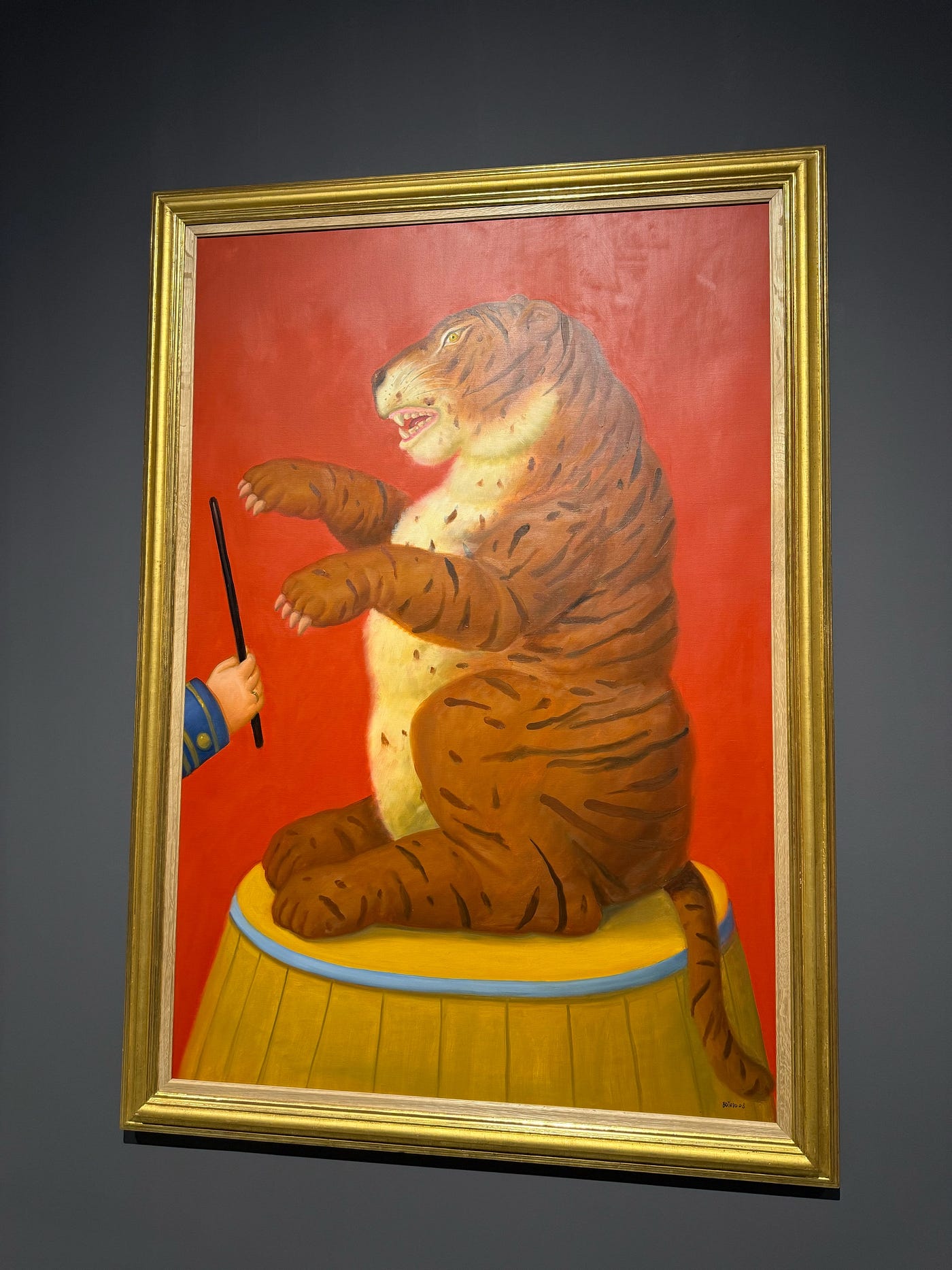
My beautiful poet friend, Daneen, taught me about “ekphrastic” poems — written works based on or inspired by a painting or other piece of visual art. Tonight, for the first time, I attended the “Writing Cafe” — a weekly event at Stack’s Coffee Shop on N. Killingsworth and Campbell, just blocks away from where I have been staying since mid-April. There are two “sessions” on Tuesday evenings (4–6 p.m., and 6–8 p.m.), in which the event facilitator reads a poem of their choice, and then offers a writing prompt. Two hours are allotted for writing, and then there is a 15 min. “open mic” time, when writers are free to share that (or other) writing.
Tonight, the prompt was to create an “ekphrastic” piece — either a poem, or prose, or some other short form — in response to a work of art that was either hanging on the wall, or contained in a book on the myriad shelves that line the wall of this cafe.

Stack’s Coffee Shop
I love an assignment. Ever since my earliest days of schooling, I have been the lamest of creative types — dependent on a prompt, a key word or direction, or an expectation presented to me, to propel me forward into the creative process. At this point, perhaps I need to just accept who I am, and quit yearning for that explosion of creative lightning that bursts forth into the minds of true creative geniuses. I am who I am. And for the record, I love spinach.
This evening, I pulled a book of Rembrandt’s paintings from the shelves, and was drawn to this painting of “Doctor Nicolaes Tulp Demonstrating the Anatomy of the Arm,” from 1632. The following is the result of two hours of writing, and then approximately another hour of tinkering later in the evening. Don’t ask me what the point of any of this is.
The Professor:
Dr. Tulp clenched the meat of the cadaver’s forearm, which had been sliced away from the bone and peeled back to reveal the deadened rose pink below, giving way to the slick white structure to which it still semi-clung in taught shreds. His pupils stood around him, at various states of attention. Damn Johan and his ruffled collar stinking of sweat and last night’s roast — hovering dangerously close to his own mustache and thus distracting him from the arduous task of imparting knowledge to this collection of pompous blowhards. He had expressly requested that they not wear the ruffled collars — thank god these other bores had set aside their various vanities, and worn the accordion style collars as he had directed.
The Carnivore:
Johan Wagner looked just beyond the tip of Dr. Tulp’s nose, lost in reverie. That roast from the night before had truly been a triumph for his fresh, young wife. After burning her first three cuts to absolute leather, she was at last getting the hang of the coals and the fire, to properly satiate his carnivorous lust for beef. It was something he couldn’t explain — this yearning for the fruits of the cow. Haunches, hindquarters, shoulder, flank. . .an obsession since Johan’s boyhood spent on his grandparents’ farm in the northern countryside of Holland. The lowing from the fields in the morning, his awakening; accompanying his grandfather on rounds of the pastures, his afternoon constitutional; and sitting down to plates of rich, yellow Dutch cheese and bloody slices of steak, his evening prayer. When his first wife couldn’t stomach this obsession, withdrawing further and further into her damned vegetable garden and driving him to absolute madness with her incomprehensible muttering and dirt-crusted fingers in the bread dough, he had no choice but to commit her to the sanatorium recommended by his mother — who could not, herself, tolerate her son being victimized by a woman’s insistence on a plant-based diet. His pretty new bride, eager to please him with her own fingers pressed into the raw bloody flesh of the roast, made an alluring picture in his thoughts as he drifted further and further away from Dr. Tulp’s demonstration of the inside of an arm. Peripheral knowledge at best, as his own ambitions were more to do with the internal organs and humors of the blood.
The Brother:
‘How like an older version of my brother this dead man looks,’ thought Hans Jansen, as he watched Dr. Tulp pull the skin and meat of the forearm toward him in the jaws of a clamp. Does resemblance to another human on the outside necessarily promise resemblance underneath? Would his brother’s own forearm contain similar shades and textures? Would the pearl of his brother’s bone shimmer as brightly in the glow of a candle? When Hans had come across his brother’s dead body 5 years ago, on the floor of a one room cabin in the Mastbos Forest where he had confined himself after he lost his position at the printing house due to his excessive love of the drink, he had been struck by how excessively old his brother looked. Three years Hans’ junior, Aaron had always been like a spark at Hans’ heels — biting and nipping and trailing him through the streets of their village, peppering Hans with questions, and then trusting his ridiculously uninformed answers — holding these misguided nuggets of adolescent wisdom like pebbles of faith in his still chubby hands. He had always been a brighter light than Hans himself, who later watched jealously as Aaron obliviously drew the eyes of girls and women, school teachers and shop owners. Would the insides of Aaron’s body’s vessels resemble those of this cadaver’s? When sliced open, would the curve of his organs be similarly aligned? The bend of his rib cage as graceful? The pulp and layers beneath filling out the flesh in similar bulges and tucks?
The Lover:
Elbert Barnhart smiled serenely with the realization that this would be Dr. Tulp’s last demonstration of the inner arm. Dr. Smit, the headmaster of the teaching hospital where Elbert and Dr. Tulp were both in the final year of their medical education, had imparted a secret promise that nestled nicely in Elbert’s throat, just above where Dr. Smit had lain his own tender lips not 15 minutes before this demonstration: the promise that Elbert himself would be replacing Dr. Tulp as head surgical instructor within the week. After that, nothing would stop Elbert and Dr. Smit from being together every moment — in classrooms, offices, and in the private hall behind the school, where afternoon meals were prepared and the servant’s quarters presented a catacomb of closets and dark corners, with endless possibilities of stolen moments in each other’s arms. ‘It will be an unfortunate loss for the school,’ Elbert mused, admiring the gentle grace with which Dr. Tulp always approached his tasks — far more careful and measured than his own methods. Dr. Tulp was bound, after all, to be an excellent doctor.
The Lesser:
‘How is it that I find myself at the end of the table, my view obscured by Gideon DeGroot’s fat head, every damn time?’ seethed Yorick Baas. Gideon, who was his brother-in-law, endlessly flaunted the favor that Yorick’s own parents bestowed upon him, despite Yorick’s exhaustive efforts to prove his worth to them. At the game of darts and pegs just the other evening, after a dinner celebrating his father’s retirement from the bank, Yorick had raised his mug in a toast of honor, delineating his father’s accomplishments and devotion to hearth and home — his prowess at the helm of the financial institution where he had been ensconced since his late teens. In the years ensuing that young appointment, he had stained his fingers with the filth of bills and coin, working his way through the dreary channels of advancement, licking boots, spending late nights at the menial tasks assigned to him, swallowing opinions and plucking the lint from his superior’s coattails. None of this latter history, of course, made its way into Yorick’s speech — only the shining outcome of his father’s final years and impressive severance. But when Gideon swept forward before Yorick’s last word had faded from the air above the table, pressing a gold watch and chain into Yorick’s father’s hand with that obscenely white smile of his, Yorick could have just leapt across the table and grabbed Gideon by the scrubbed pink flesh of his neck. A neck which rose slenderly from its collar like that of a peacock whose gaudy plumage and shrill squawk cannot be ignored — no matter the tireless effort that a loyal, doting and devoted son who could never seem to be noticed above that wild blue fan of feathers, put into trying.
The Failure:
Gideon DeGroot stared distractedly at the door, losing his focus on the exposed flesh and bone of the cadaver in front of him, as well as the thread of Dr. Tulp’s explanation of the inner structures of the forearm. This would be his downfall, he knew. He would fail this examination, exactly as he had the last three, and would receive a rejection notice in response to his application to the final year of the school’s medical program — a formal letter that was surely being composed, even as they all sat there in the examination theater. It would also undoubtedly be the final straw in his already crumbling marriage to that damn Yorick’s fair sister, who had given him notice that one more red mark on his personal record would absolutely banish him from the marriage bed and home, and send her down the path of divorce and divestment from his unending string of failed endeavors. Damn that village witch and her concoction! Damn his foolishness, in believing that he could trust back alley magic to secure his acquisition of love and success. He cursed the night he had spent in her bed, succumbing to her kisses and promises, awaking the next morning with his pockets picked clean and only a small vial of bitter liquid to indicate that the woman had even been there in the first place. The silky feel of her hair against his chest, the press of her fingers into his arms, the dusky whispers laying close and wet on his flushed earlobes — deep in these memories, he sunk gradually into acceptance of his fate, absently noting the lopsided progress of a spider with only 7 legs, stumbling across the cracked stone of the theater floor.
The Acolyte:
Mathias Claussen leaned as closely as he dared, straining over the cadaver’s upper torso. He trained his eyes on Dr. Tulp’s capable hand, which gripped the flesh of the dead man’s arm in the silver prongs of a clamp, exposing the gloriously arranged inner structures of the human forearm. What wonder! What divine puzzle! The slender bundle of smooth material, taut and narrowed at each end where it attached to bone and tendon, widening at the middle with the deep pinkness of meat and muscle. The promise of movement. The dance of signal and execution — of willing the body to lunge and twist, wave and push, press and pull — and then the miracle of it all happening flawlessly. Here is where the secrets were revealed. The tiptoeing map of the dance steps laid forth in their dizzying journey across the anatomical dance floor. Mathias felt tears well up with the beauty of it all. He marveled at his privilege to gaze upon it. To revel in the vibration of growing understanding of it all. He suppressed the tears, aware of how this would demean him in the eyes of these respected men. He guarded his tender adoration close to his beating heart, biding his time until he himself could be the wielder of the clamp — the giver of the gift of understanding. He blinked the moist emotion away, and silently prayed for his own worthiness.
The Son:
Nikolaas Tulp willed his brow into a clenched position — deepening the grooves on either side of his trembling forehead bulge in an effort to squeeze the thoughts from his boiling mind. He tunneled his inner vision away from this room and tried to imagine himself free of this odor, wandering away from the dim theater with its gloomy story of blood and death, and from the impossible expectations of his father, whose clenched hand before him was like a spidery, gnarled vise on its clamp — the inside of the dead man’s arm a mocking reminder of everything Nikolaas could never comprehend. Unable to keep his thoughts at bay for long, Nikolaas took what he hoped would be an inaudible, strained breath — steeling his will against the ever more increasingly irrepressible urge to vomit.
POST SCRIPT — ONE WEEK PRIOR:
Abe Bakker was distracted when he stepped out onto the cobblestone street of Bronkhorst where he had lived and worked as a cobbler for 36 years. His wife of 40 years had died three days before, and his thoughts in that moment were like blurred paintings of a life he had once lived, stretched and lumbering across the landscape of his mind. Her death had been sudden and unexpected — a searing fever that rendered her bedridden and delirious for nearly a week, culminating in a clear-eyed moment on the 7th day when, as he leaned over her and clutched her small wet hand to his chest, she spoke in a voice that was more like a bell than a human. “Why did you never become a doctor, Abe? You have the hands of a surgeon.” Almost before the last word had escaped her flushed lips, she had collapsed back into her pillow, the remaining breath behind that word seeping out on either side of it like a hissing thing — lasting longer than he could have imagined possible. He had closed his eyes in anguish, and when he opened them again only seconds later, she was gone. Now, as he took his first stride into the street — vaguely considering the costs of her funeral, the family who would need to be contacted, the belongings to sort through — he wondered how things might have ended differently, had he pursued his medical degree as she had always wished. He never saw the horse and carriage coming.
Unable to halt the horse in time, the carriage driver cried out in distress, trying to warn the old cobbler of the impending collision. But Abe was lost in thought, hearing his wife’s last words tinkling in his head with a particular sweetness that she alone had uniquely possessed — and the snapping of his neck that occurred when he fell at an impossibly awkward trajectory made for a mercifully quick end.
Dr. Tulp, alarmed by the jolting halt and the sound of his driver’s cry, burst immediately from the body of the carriage. He leapt down to the cobblestone street where Abe Bakker lay, lifeless but strangely unmarked by the violence of death. His neck, bent at an eerie angle and pointing his gaze oddly back toward his own arm, was the only indication that something was amiss. Otherwise, he might have been asleep in the middle of the road.
Ever the pragmatic professional, Dr. Tulp allowed the requisite sacred moment of honor for the unexpected loss of a life, and then began the careful calculation of next steps to secure the body of Abe Bakker as a specimen for the furtherment of medical science, naked and nobly laid out in the candlelit glow of his surgical theater.
메타데이터
- post_id
- 14d42bb69c99
- slug
- ekphrastic-life-goals-14d42bb69c99
- url
- https://medium.com/@tristan.trotter.13/ekphrastic-life-goals-14d42bb69c99
- canonical_url
- https://medium.com/@tristan.trotter.13/ekphrastic-life-goals-14d42bb69c99
- author_url
- https://medium.com/@tristan.trotter.13
- status
- ok
- fetched_at
- 2026-06-20 20:29:01