Revolutionizing Rural Healthcare Access: The Digital Doctor Clinic Initiative
In a world where technological advancements are reshaping various sectors, healthcare is undergoing a significant transformation…
Revolutionizing Rural Healthcare Access: The Digital Doctor Clinic Initiative

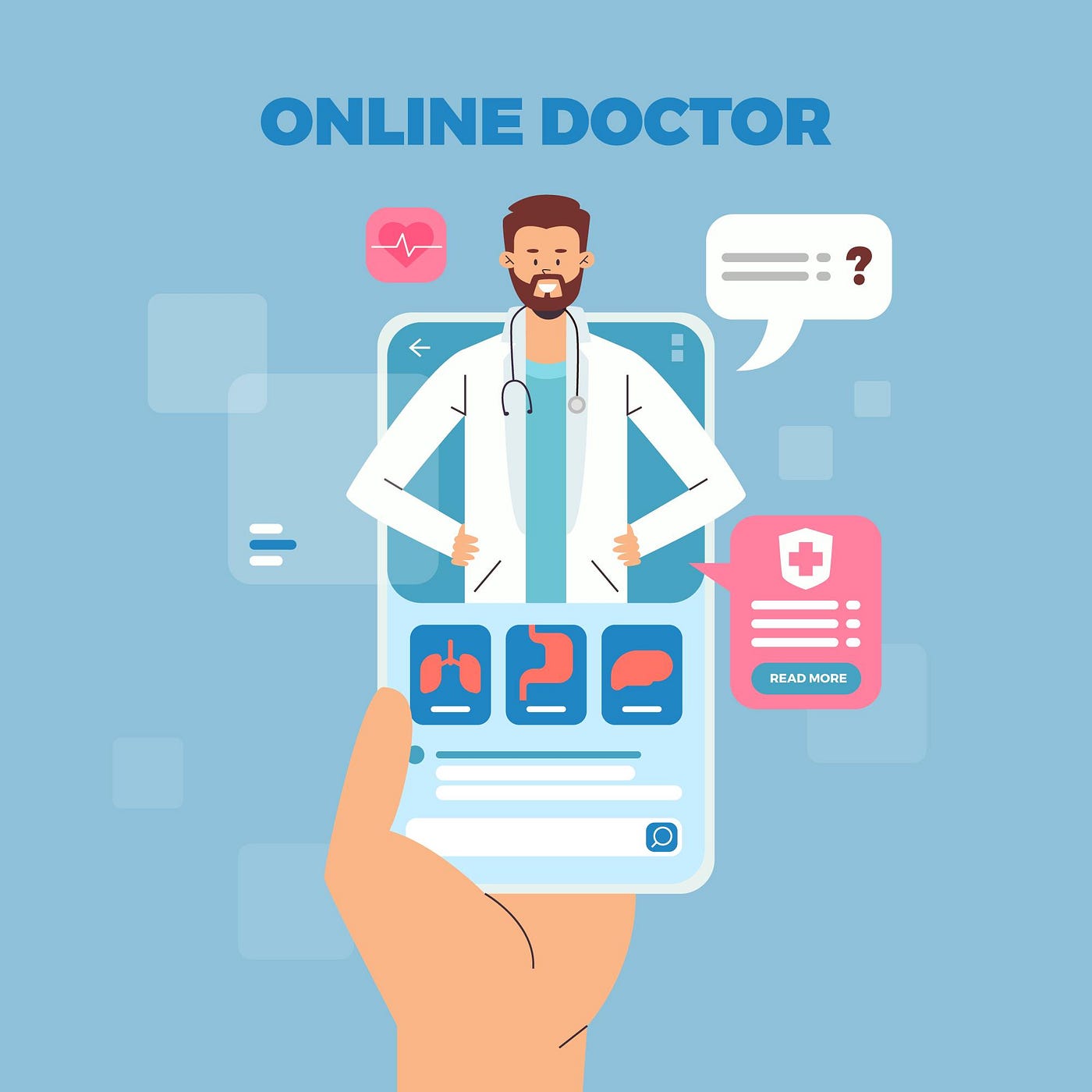
In a world where technological advancements are reshaping various sectors, healthcare is undergoing a significant transformation, especially in rural and remote areas. The Digital Doctor Clinic (DDC) initiative, led by the OBDU Group in collaboration with the Uttar Pradesh government, exemplifies a pioneering effort to revolutionize healthcare accessibility and delivery through telemedicine and advanced technology.
Empowering Rural Communities Through Telemedicine:
The Digital Doctor Clinic initiative’s primary objective is to bring essential medical services directly to the doorsteps of residents in rural and remote regions. By harnessing the power of telemedicine, individuals who have historically been underserved by traditional healthcare systems now have the opportunity to consult with MBBS doctors from the comfort of their own village panchayats. This initiative effectively addresses the geographical barriers to healthcare access, empowering communities by providing timely and expert medical advice.
Enhanced Diagnostic Capabilities:
One of the standout features of the DDC initiative is its focus on leveraging technology to enhance diagnostic capabilities. For instance, blood tests are available at a nominal cost of Rs 20, allowing patients to undergo necessary diagnostic procedures swiftly and efficiently. Additionally, the integration of artificial intelligence (AI) technology ensures that test reports are analyzed promptly. This rapid analysis enables doctors to make informed decisions and provide timely consultations, improving diagnostic accuracy and overall healthcare delivery efficiency.
Affordable Diagnostic Imaging Services:
The affordability of ultrasound services at Digital Doctor Clinics is another critical aspect of this initiative. With costs ranging from Rs 200 to 300, these services are designed to be accessible to patients from all socio-economic backgrounds. This focus on affordability aligns with the mission of providing quality healthcare to underserved communities, ensuring that essential diagnostic imaging is within reach for everyone.
Innovative Telemedicine Approach:
CEO Sanjay Kumar of OBDU Digital Health Care Private Limited has highlighted the groundbreaking nature of the Digital Doctor Clinic project, emphasizing its distinction as the firs” initiative in India to operate on the principles of telemedicine. By incorporating telemedicine and deploying a health-related employee on-site, the project aims to strengthen the health system in rural areas and bridge the healthcare gap between urban and rural regions. This innovative approach underscores the commitment of both public and private sectors to leveraging technology for social good and improving healthcare outcomes.
Significant Investment in Healthcare Infrastructure:
From an investment perspective, the Digital Doctor Clinic project represents a substantial commitment to advancing healthcare infrastructure in Uttar Pradesh. With an initial investment of Rs 350 crore, the project is set to expand significantly, with projected investments exceeding Rs 1000 crore state-wide. This considerable investment reflects the scale and ambition of the project and underscores the government’s commitment to improving healthcare access and quality in rural areas.
Economic Empowerment and Job Creation:
The DDC initiative is expected to have a transformative impact on employment generation in the state. With plans to create over 190,000 jobs for the youth of Uttar Pradesh, this initiative holds immense potential for economic empowerment and social development. By providing employment opportunities in healthcare-related fields, the project not only addresses the healthcare workforce shortage but also contributes to poverty alleviation and socio-economic growth.
Implementation and Early Successes:
The implementation of the Digital Doctor Clinic initiative is already making significant strides towards improving healthcare access in rural Uttar Pradesh. With the establishment of 20 teleconsultation clinics in Lucknow and Bulandshahr as part of the pilot phase, the project is laying the groundwork for the expansion of digital healthcare services across the state. These clinics, equipped with state-of-the-art facilities, including laboratories for blood work and ultrasound services, are poised to become primary healthcare centers, addressing the diverse medical needs of rural populations.
The Future of Rural Healthcare Delivery:
Looking ahead, the **Digital Doctor Clinic** initiative holds immense promise for transforming healthcare delivery in rural India. As the project expands and reaches more communities, it has the potential to serve as a model for similar initiatives nationwide, paving the way for inclusive and technology-driven healthcare delivery models. By harnessing the power of telemedicine and advanced technology, the Digital Doctor Clinic initiative is set to usher in a new era of accessible, affordable, and quality healthcare for all residents of rural Uttar Pradesh.
Training and Education for Sustainable Healthcare Delivery:
An essential aspect of the DDC initiative is the training and education provided to both healthcare providers and patients. Healthcare professionals receive training in telemedicine technologies, remote diagnosis, and digital health platforms to ensure they can deliver quality care through DDCs. Additionally, patient education campaigns are crucial to ensure understanding and acceptance of telemedicine services. These campaigns emphasize the benefits of DDCs, address common concerns, and provide guidance on accessing and utilizing these services effectively.
Technological Innovations Driving the Initiative:
Technological advancements continue to play a vital role in the success of the DDC initiative. Developments in remote monitoring devices, wearable sensors, and AI algorithms enable comprehensive and personalized healthcare solutions. For example, remote patient monitoring allows healthcare providers to track vital signs, medication adherence, and disease progression, facilitating timely interventions and proactive management of chronic conditions.
Furthermore, telemedicine platforms are increasingly incorporating features such as secure messaging, virtual waiting rooms, and electronic health records integration. These innovations enhance the patient experience and streamline workflow, improving access to care and empowering patients to take an active role in managing their health.
Policy and Regulatory Support for Telemedicine:
As DDCs proliferate, policymakers must address regulatory and policy considerations to ensure their safe and effective implementation. Regulatory frameworks should provide clear guidelines for licensure, credentialing, reimbursement, and liability in telemedicine practice. Additionally, policymakers should consider strategies to incentivize the adoption of DDCs and promote equitable access to these services, such as reimbursement reforms and investment in broadband infrastructure to improve internet connectivity in rural areas.
Policies supporting research and evaluation of DDCs are also crucial. These policies can inform evidence-based decision-making and drive continuous improvement in healthcare delivery, ensuring that DDCs achieve their full potential in improving health outcomes and reducing disparities.
Collaborative Efforts and Public-Private Partnerships:
The success of the Digital Doctor Clinic initiative hinges on collaborative efforts and public-private partnerships. By fostering cooperation between healthcare providers, technology companies, and government agencies, the initiative can leverage a wide range of expertise and resources. Public-private partnerships are particularly effective in facilitating investment in DDCs, ensuring their affordability and accessibility for underserved communities.
Expanding Reach and Integration with Existing Healthcare Systems:
Expanding access to DDCs involves not only establishing physical clinics in remote areas but also ensuring seamless integration with existing healthcare systems. This integration requires collaboration between DDCs and local healthcare providers, as well as the development of interoperable health information systems. By incorporating DDCs into the broader healthcare ecosystem, their impact can be maximized, reaching more underserved populations.
DDCs can also leverage partnerships with community organizations, NGOs, and local governments to enhance outreach and engagement in rural communities. Mobile clinics and outreach programs can bring healthcare services directly to underserved populations, complementing the efforts of stationary DDCs. Additionally, community health workers and volunteers can play a crucial role in promoting awareness of DDCs and facilitating access to these services among marginalized groups.
Sustainability and Scalability of the Digital Doctor Clinic Initiative:
Ensuring the long-term sustainability and scalability of the DDC initiative is vital for its success. By leveraging digital technologies, DDCs can overcome challenges such as limited infrastructure and healthcare workforce shortages. Their adaptable nature allows for rapid deployment and scalability, making them suitable for addressing healthcare needs in both rural and urban settings.
Read Also- **Revolutionizing Rural Healthcare: The Impact of Digital Doctor Clinics**
Continued research and innovation are essential for maximizing the potential of DDCs. Collaborations between healthcare providers, technology companies, and policymakers can drive advancements in telemedicine platforms, diagnostic tools, and remote monitoring devices. Furthermore, research into the effectiveness of DDCs in improving healthcare outcomes and reducing disparities will inform future implementation strategies and resource allocation.
Conclusion: A New Era for Rural Healthcare:
The Digital Doctor Clinic initiative represents a bold and innovative approach to addressing the healthcare challenges faced by rural communities in India. By leveraging technology, fostering public-private partnerships, and investing in human capital, this initiative has the potential to transform lives, strengthen communities, and drive socio-economic development in rural Uttar Pradesh and beyond. As the project unfolds, it is poised to leave a lasting legacy of improved health outcomes and enhanced well-being for millions of individuals across the state.
The promise of Digital Doctor Clinics lies in their ability to revolutionize rural healthcare delivery and address longstanding disparities in access to care. By overcoming geographical barriers and streamlining service delivery, DDCs empower individuals in underserved communities to access essential healthcare services conveniently and affordably. Realizing the full potential of DDCs requires a multifaceted approach that addresses challenges related to access, integration, education, technology, regulation, and policy. By collaboratively addressing these challenges, the Digital Doctor Clinic initiative can transform healthcare delivery and improve the lives of those in rural and underserved areas, setting a precedent for future healthcare innovations.
메타데이터
- post_id
- 14ff2d48fa8d
- slug
- revolutionizing-rural-healthcare-access-the-digital-doctor-clinic-initiative-14ff2d48fa8d
- url
- https://medium.com/@astha.ddc/revolutionizing-rural-healthcare-access-the-digital-doctor-clinic-initiative-14ff2d48fa8d
- canonical_url
- https://medium.com/@astha.ddc/revolutionizing-rural-healthcare-access-the-digital-doctor-clinic-initiative-14ff2d48fa8d
- author_url
- https://medium.com/@astha.ddc
- status
- ok
- fetched_at
- 2026-06-09 15:37:30