Prestige Pricing Without the Perfume Fog
Premium pricing has a scent problem. Not because luxury is fake. Real luxury exists. Real craftsmanship exists. Real expertise exists. But…
Prestige Pricing Without the Perfume Fog
Premium pricing has a scent problem. Not because luxury is fake. Real luxury exists. Real craftsmanship exists. Real expertise exists. But too many businesses discover the word “premium” and immediately behave as if price alone can do the heavy lifting. They raise rates, soften the lighting, add black packaging, use fewer words, and hope customers mistake vagueness for refinement.
That is not prestige pricing.
That is perfume fog.
Prestige pricing means charging more because the offer creates more value, more trust, more status, more clarity, or less risk for the buyer. It is not pretending to be expensive. It is proving that expensive makes sense.
There is a difference, and customers can smell it.
A higher price changes the burden of proof. At a low price, customers tolerate friction. At a premium price, friction becomes evidence. Slow replies, messy invoices, unclear deliverables, cheap materials, careless language, vague support, and inconsistent tone all begin to work against you. The more you charge, the more every detail becomes testimony.
This is where many ambitious brands fail. They upgrade the surface before they upgrade the system.
The logo improves. The service does not. The website becomes elegant. The onboarding remains chaotic. The offer sounds exclusive. The delivery feels improvised.
Prestige pricing starts underneath the visible layer.
First, you need a clear reason the customer should pay more. That reason cannot be “because we want better margins,” though I admire the honesty. It must be rooted in value. Faster implementation. Better judgment. Lower risk. Stronger materials. Scarcer access. Deeper customization. Cleaner experience. Proven outcomes.
A premium price must answer one question before the customer asks it.
Why this and not the cheaper option?

If you cannot answer that in plain language, you are not pricing for prestige. You are testing customer confusion.
Second, the buying experience must reduce anxiety. Expensive purchases create hesitation. That hesitation is not irrational. The customer is trying to protect themselves from regret. Your job is not to shout over that fear. Your job is to remove it.
This means clear terms. Clean contracts. Transparent scope. Professional follow up. Proof of past work. A confident explanation of what happens next.
A premium buyer does not only buy the product. They buy the feeling that someone competent is in control.
Third, scarcity must be real. False scarcity has become painfully common. “Only three spots left” on a service that somehow always has three spots left is not luxury. It is theater with bad bookkeeping.
Real scarcity comes from limited capacity, rare materials, specialist knowledge, or careful selection. If your premium offer depends on personal attention, say so. If you can only take five clients per month without quality dropping, that is a legitimate boundary. It also helps you avoid the classic mistake of selling exclusivity and then overbooking yourself into mediocrity.
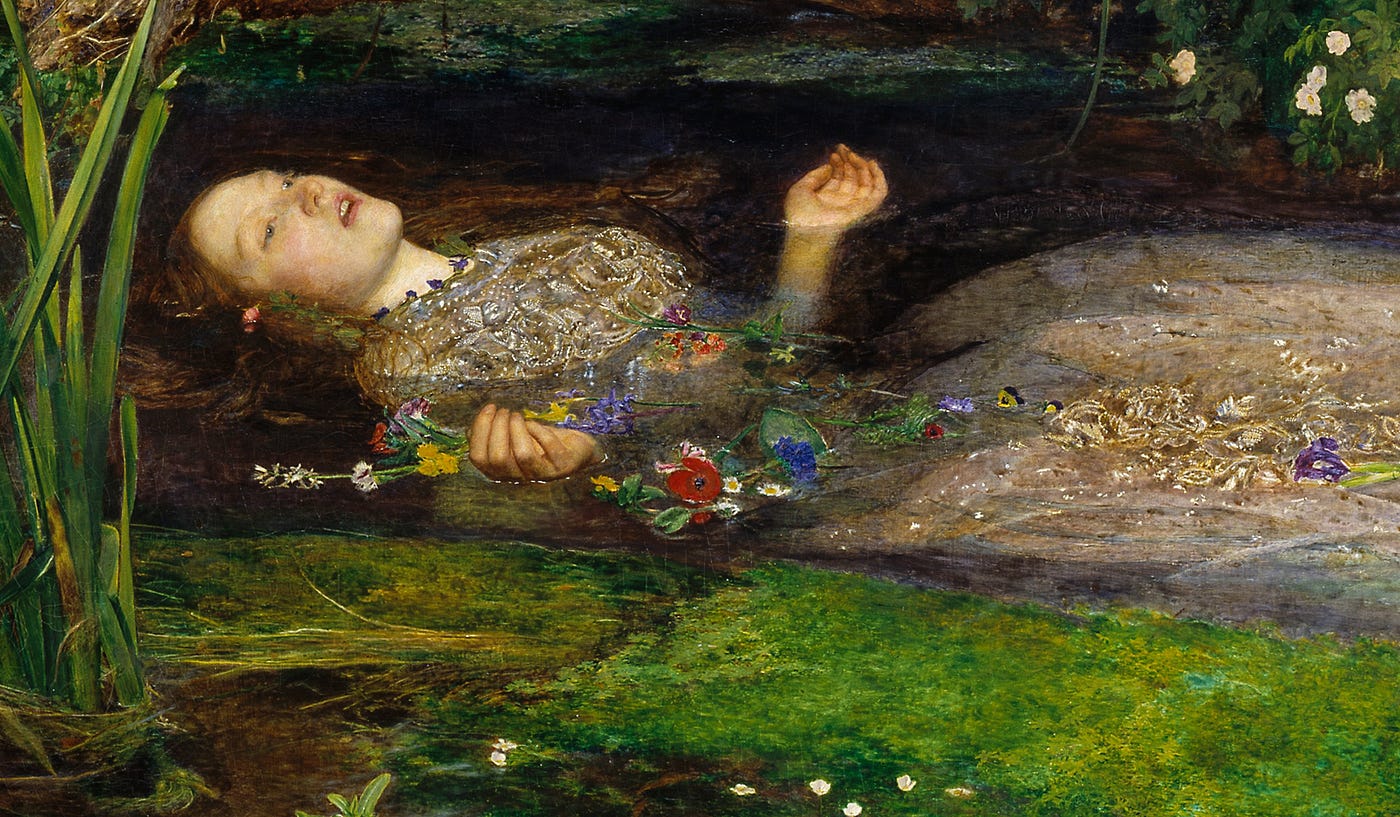
Fourth, aesthetics must serve trust. Visual polish matters. Packaging, tone, environment, and design all influence perceived value. But aesthetics cannot replace substance. They are the frame around the painting, not the painting.
This is especially important for public image work. A brand can look powerful, refined, or exclusive, but if its behavior contradicts the image, the effect collapses. People forgive simplicity faster than they forgive pretension.
Prestige is consistency under observation.
That applies to businesses, creators, consultants, and even organizations shaping their public identity. If you want to be perceived as serious, every touchpoint must speak the same language. Not loudly. Clearly.
The invoice should match the promise. The delivery should match the price. The support should match the tone. The team behavior should match the story.
Fifth, premium pricing requires the courage to lose unsuitable customers. This is the part people dislike. Raising prices is not just a revenue decision. It is a filtering decision. Some customers will leave. Some should.
A premium offer cannot be built around pleasing everyone. If it tries, it becomes expensive but not distinct. The goal is not mass approval. The goal is strong alignment with the people who genuinely value what you provide.
This is where psychology enters. People do not always buy the highest utility. They buy identity, confidence, relief, belonging, and status. That does not make them foolish. It makes them human. Good prestige pricing understands this without exploiting it.
A premium business respects the buyer’s desire to feel discerning. It gives them something real to be discerning about.
One practical test is simple. Remove the branding for a moment. Remove the lighting, the language, the expensive adjectives. Does the offer still justify its price through structure, outcome, quality, or trust?
If yes, polish it.
If no, fix it.
There is nothing wrong with wanting higher margins. Higher margins create resilience. They allow better service, better staff, better materials, and more breathing room. But margins earned through illusion are fragile. Margins earned through value are durable.
Prestige pricing is not about acting superior. It is about making the customer feel they made a superior decision.
That takes discipline. It takes restraint. It takes operational competence, which is far less glamorous than gold foil and far more useful.
Charge more when you can defend it.
Then make every part of the experience prove you were right.
메타데이터
- post_id
- 152e941f6ec8
- slug
- prestige-pricing-without-the-perfume-fog-152e941f6ec8
- url
- https://medium.com/@andreas.jaeger.rpllc/prestige-pricing-without-the-perfume-fog-152e941f6ec8
- canonical_url
- https://medium.com/@andreas.jaeger.rpllc/prestige-pricing-without-the-perfume-fog-152e941f6ec8
- author_url
- https://medium.com/@andreas.jaeger.rpllc
- status
- ok
- fetched_at
- 2026-07-07 01:49:13