My Journey Back to My Korean Roots: Bibimbap Chronicles
What is Bibimbap Chronicles?
My Journey Back to My Korean Roots: Bibimbap Chronicles
What is Bibimbap Chronicles?
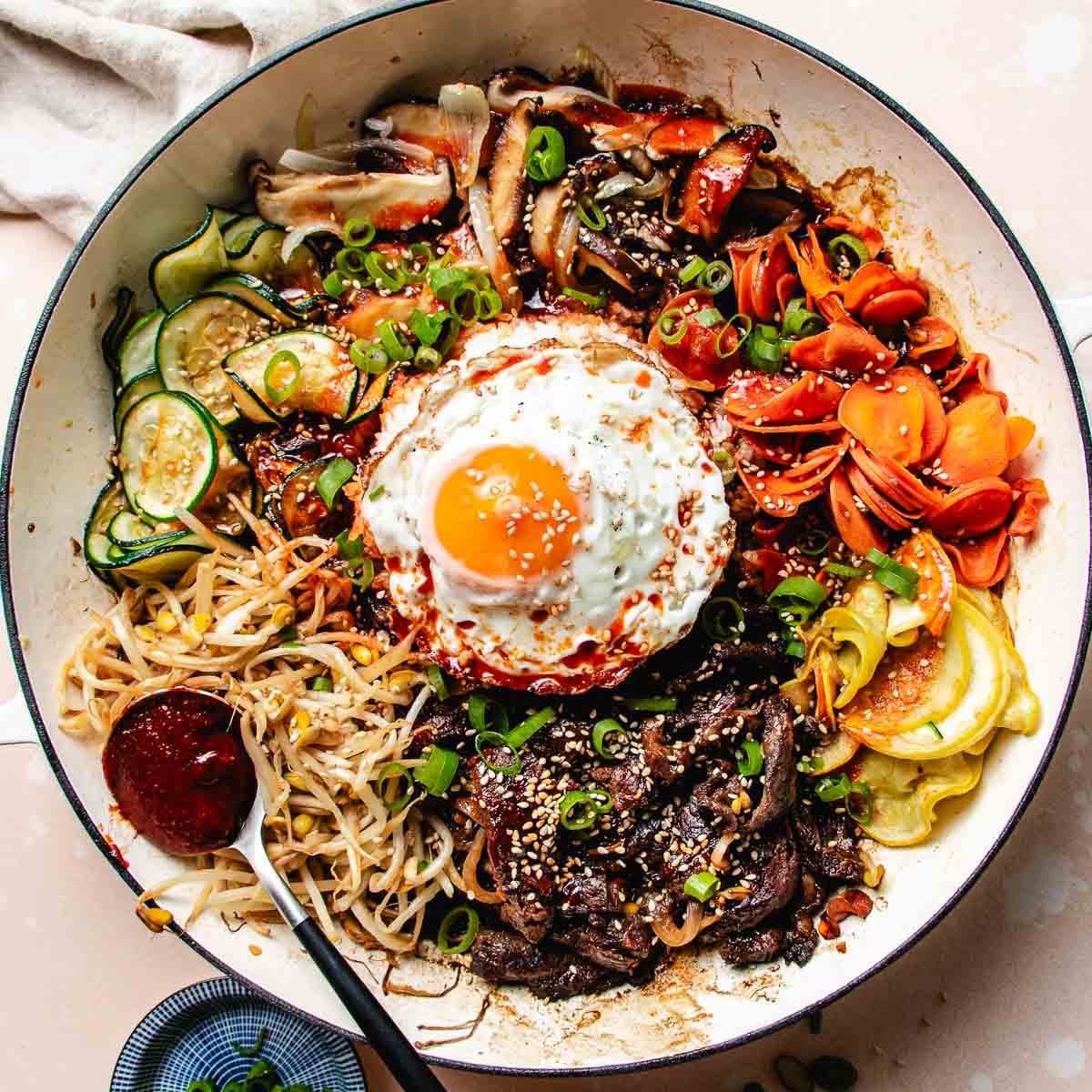
Bibimbap (비빔밥), one of Korea’s signature traditional dishes, has always been my ultimate comfort food. Translating to “mixed rice,” it’s typically served with rice, vegetables, bulgogi (sweet marinated beef), gochujang (red chili paste), and sesame oil, all topped with a delicious sunny-side-up egg. Although the unique ingredients are delicious on their own, to eat properly, you need to mix them, creating a meal that’s richer and more flavorful than the ingredients themselves.
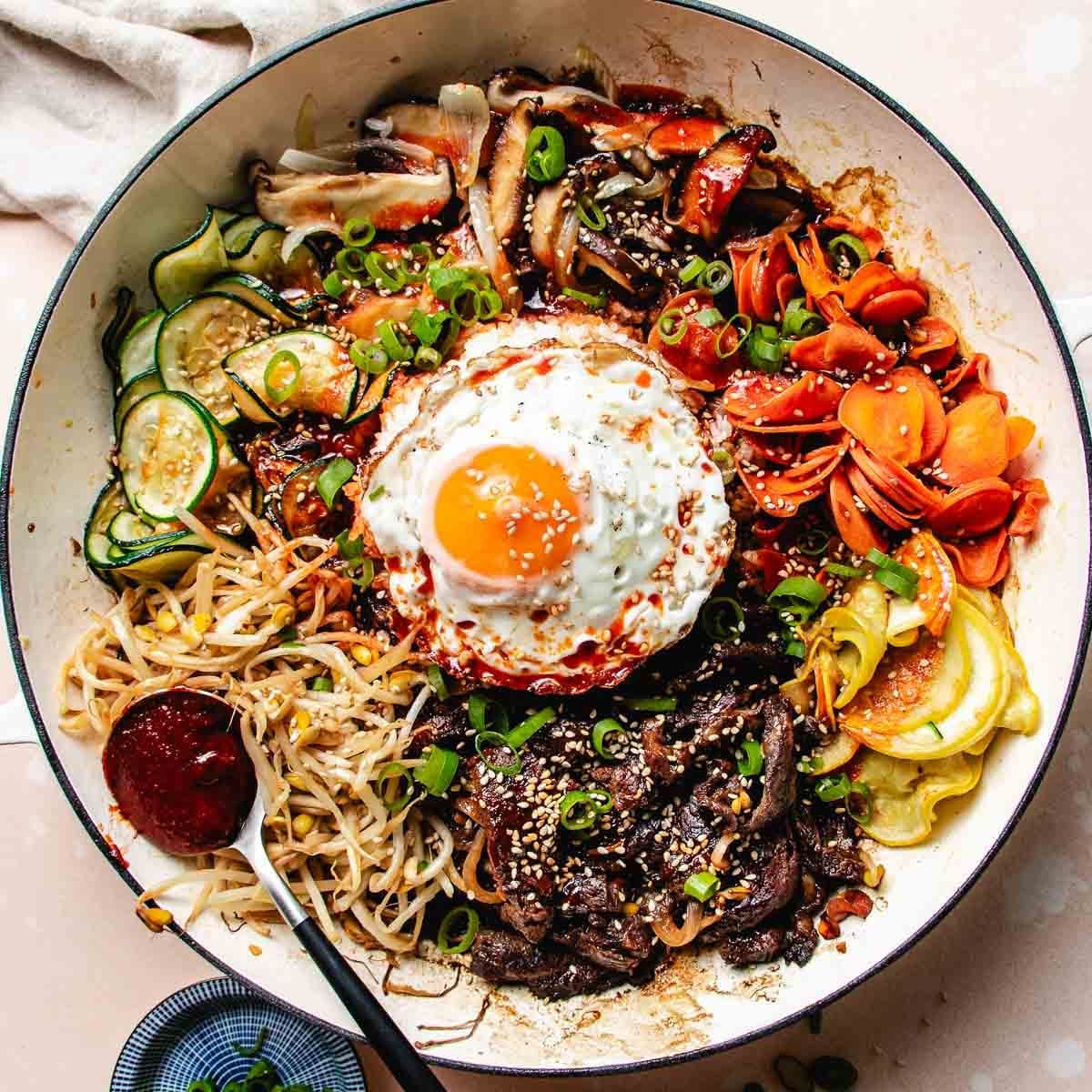
Bibimbap (https://iheartumami.com/wp-content/uploads/2025/09/Bulgogi-bibimbap-recipe.jpg)
As a Korean American, I chose to name my blog “Bibimbap Chronicles” because of the resemblance between bibimbap and my own identity. Like bibimbap, my life is made up of different parts; the sour kick of the kimchi reminds me of the many challenges I’ve faced, and the sweetness of the gochujang represents the joys that have shaped me, and blending it all somehow works out, making me who I am today. Every time I eat bibimbap, I’m reminded not only of everything that I’ve persevered through but also of my Korean heritage. Throughout this blog, I hope to connect with others who are exploring their own cultural identities and educate them on their ancestral history.
Why Asian American Studies?
Living in America, I’ve never been formally educated on Korean history or culture, and I didn’t realize what I was missing out on until I visited Korea. One of the most memorable places my family visited was the National Folk Museum. There I learned about so many Korean historical traditions, events, delicacies, and everyday life. I was astonished by how much I learned in only a day, somehow learning far more than what I learned in my entire lifespan in the US. Walking through this museum made me realize how little I knew of my own culture and how much of myself I still had to discover.
My trip also reminded me of my deteriorated relationship with my own language. Contrary to what a lot of people might think, Korean was actually my first language. As a kid, I went to a Korean daycare, and my parents, who wanted to keep my Korean heritage instilled in me, tried to speak as much of their very limited Korean as they possibly could with me. At one point, I was even more fluent in Korean than my dad, who was born in Korea. Given my circumstance of speaking Korean fluently and only being able to articulate a couple of basic English words, when I went to American kindergarten, I was placed in ESL. Funny enough, when my teachers met my parents, they were surprised that my parents were as Americanized as they were (they assumed my parents were Korean FOBs (Fresh off the Boats)), since I spoke Korean fluently. Anyways, despite these ESL classes, due to my fluency in Korean, in combination with my learning disabilities of dyslexia and ADHD, I still struggled a lot in the humanities courses, eventually falling to the bottom of my English class. To keep up, I focused solely on learning English, and ever since then, English became my dominant language, while my Korean was forgotten in the past.
I never realized the extent of how bad my Korean got until I visited my 5-year-old twin cousins in Korea. Watching them have effortless, full-on conversations while I, on the other hand, struggled to enunciate a couple of basic sentences in Korean was really humbling and sad. Even though I felt really embarrassed by my lack of fluency, this actually motivated me to learn my own language, inspiring me to reconnect with my culture.
Follow the Journey
Over the past few years, I’ve been trying to reconnect with my Korean heritage by studying Korean independently and attending K school weekly. I still have so much to learn, and I plan to share it all with you on this blog. Whether you’re looking to learn more about your own cultural heritage or you’re simply curious about Asian American history, I hope you’ll join me. I’m so excited to start this journey with you all to reconnect with my heritage. Please make sure to comment on my posts, follow Bibimbap Chronicles on Medium, and connect with us on our social media pages! I look forward to keeping in touch!
메타데이터
- post_id
- 1558a1253051
- slug
- my-journey-back-to-my-korean-roots-bibimbap-chronicles-1558a1253051
- url
- https://medium.com/@bibimbapchronicles/my-journey-back-to-my-korean-roots-bibimbap-chronicles-1558a1253051
- canonical_url
- https://medium.com/@bibimbapchronicles/my-journey-back-to-my-korean-roots-bibimbap-chronicles-1558a1253051
- author_url
- https://medium.com/@bibimbapchronicles
- status
- ok
- fetched_at
- 2026-08-03 03:26:57