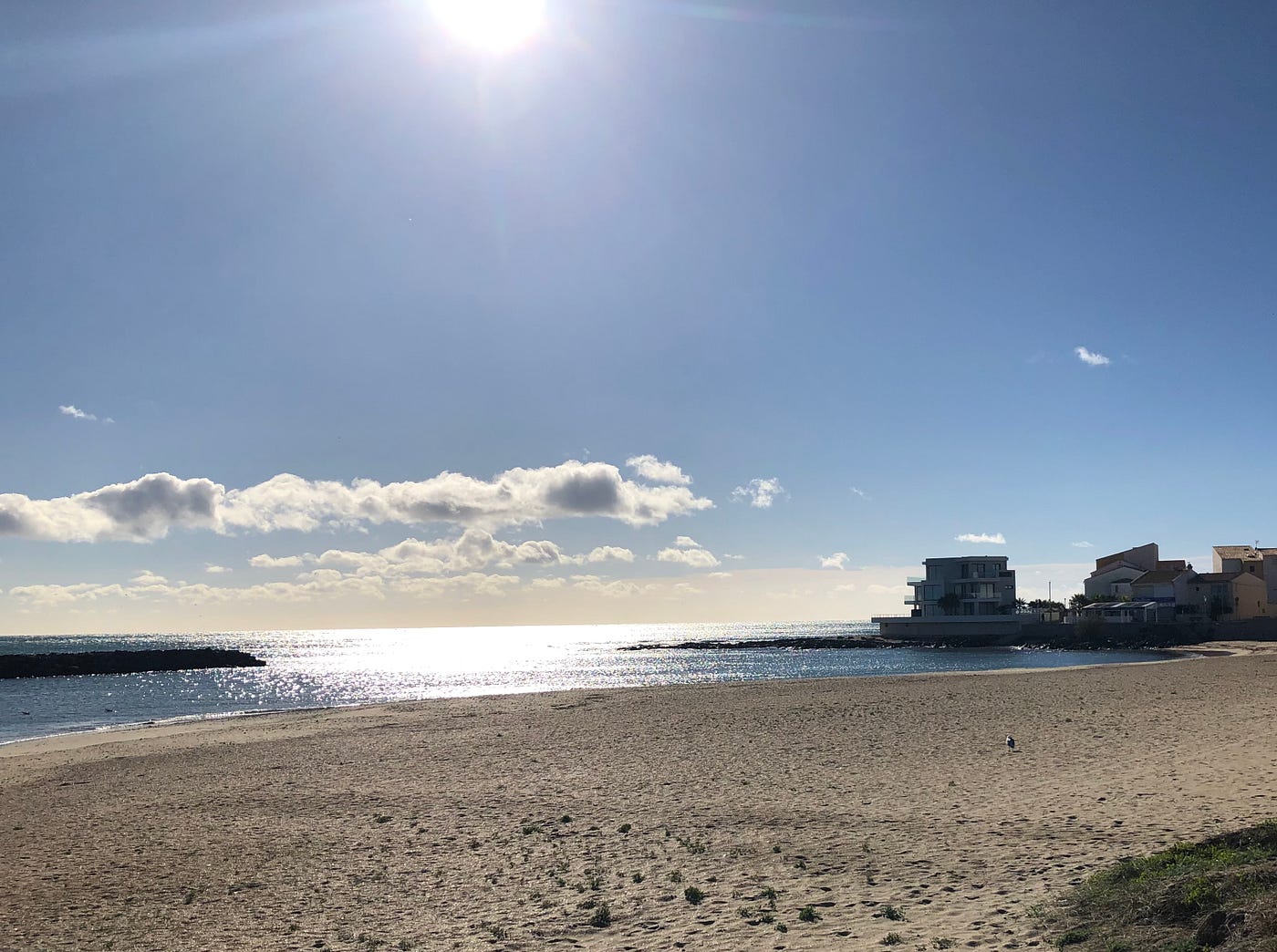
A Young French Engineer’s Passion For Keeping History and Tradition Alive
As French villages lose population and housing tracts replace vineyards, Antoine Guibert considers future generations
FRENCH LIFE
A Young French Engineer’s Passion For Keeping History and Tradition Alive
As French villages lose population and housing tracts replace vineyards, Antoine Guibert considers future generations
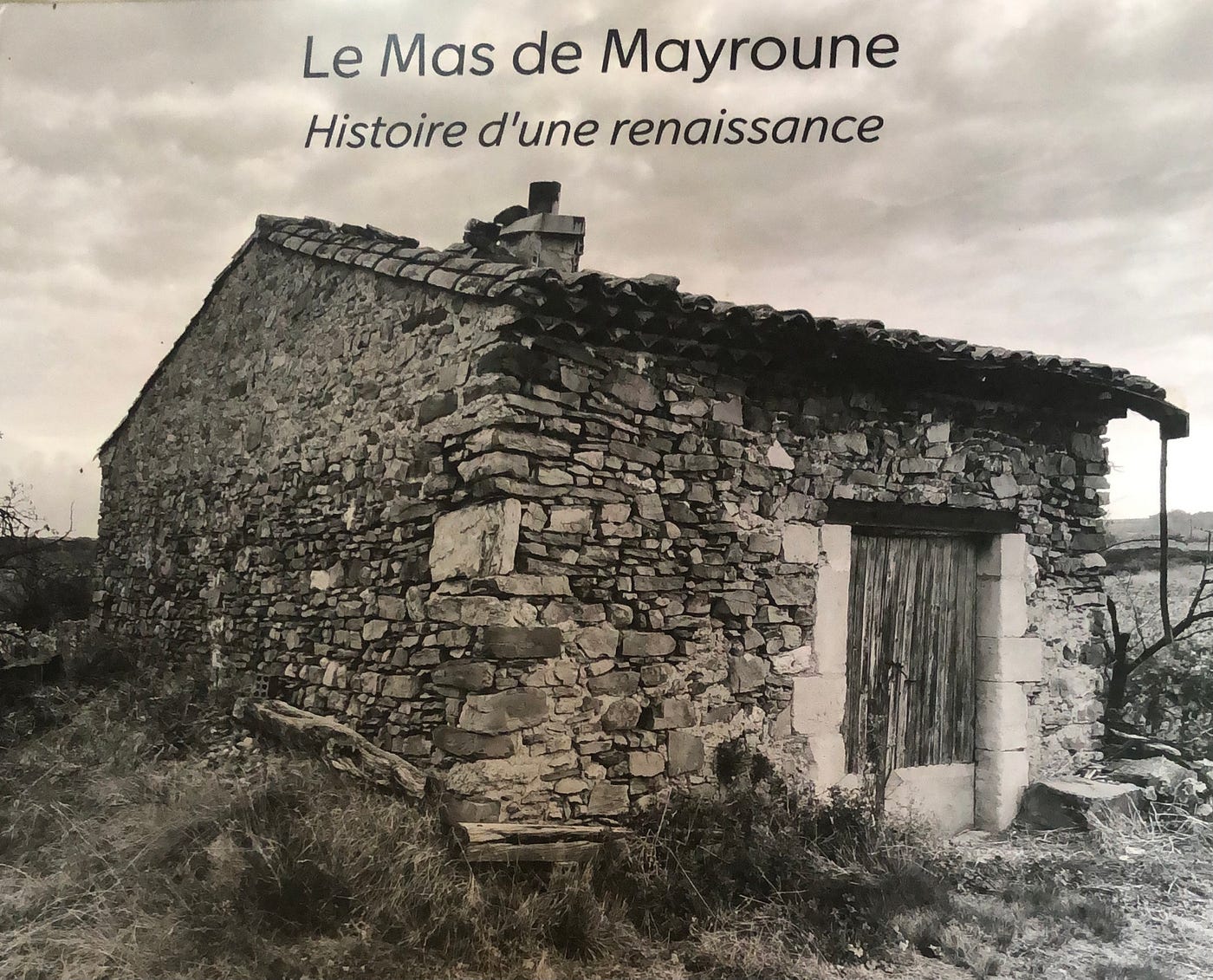
Image Antoine Guilbert, used with permission
Walking along the Grande Rue, the main street running through my village, I see half a dozen or so empty houses, paint peeling from shuttered windows. Houses where walls have crumbled, some with partial roofs. Old houses that my friend Hélène, who keeps an eye on such things, tells me have been on sale, or just abandoned, for years.
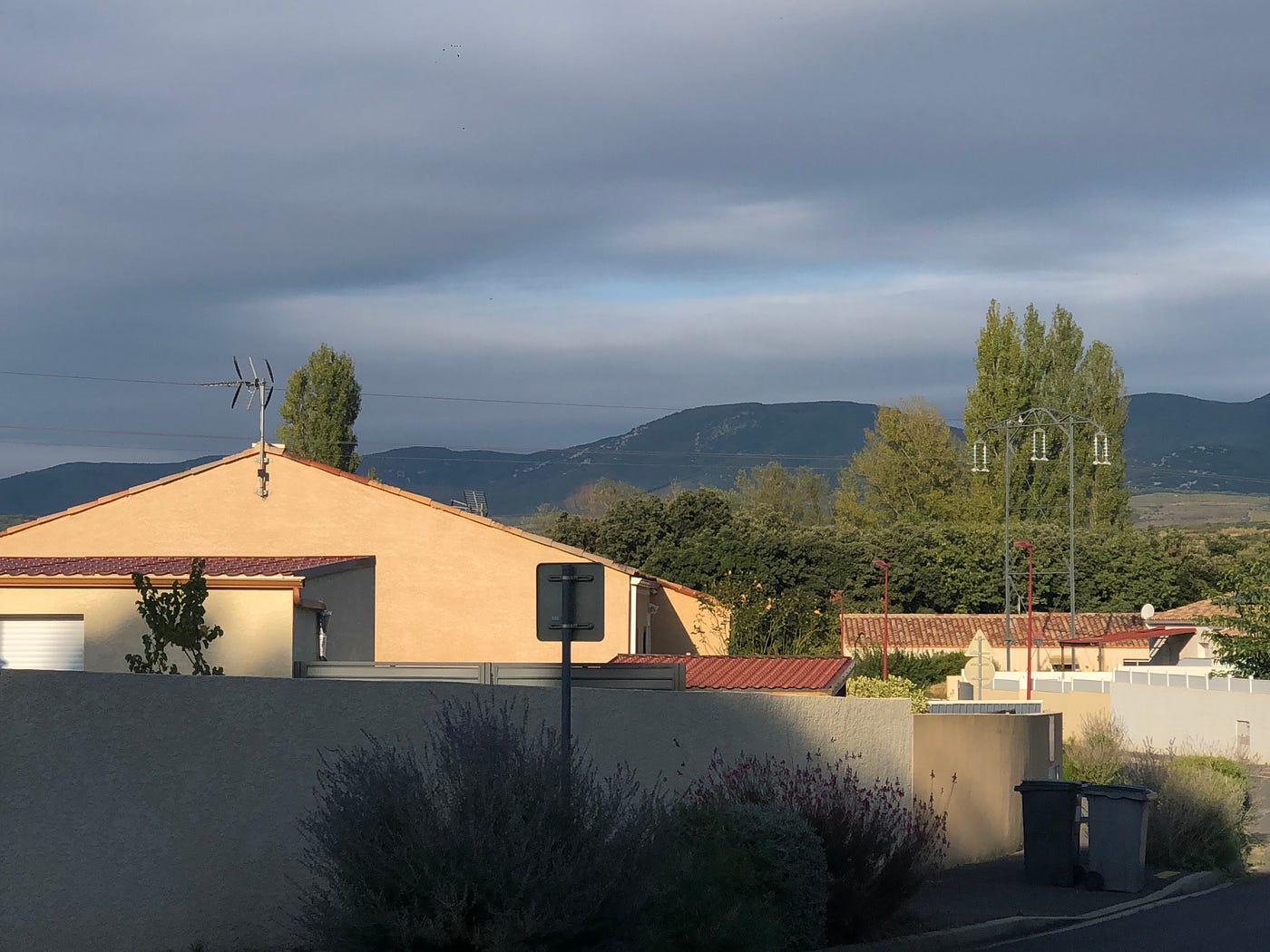
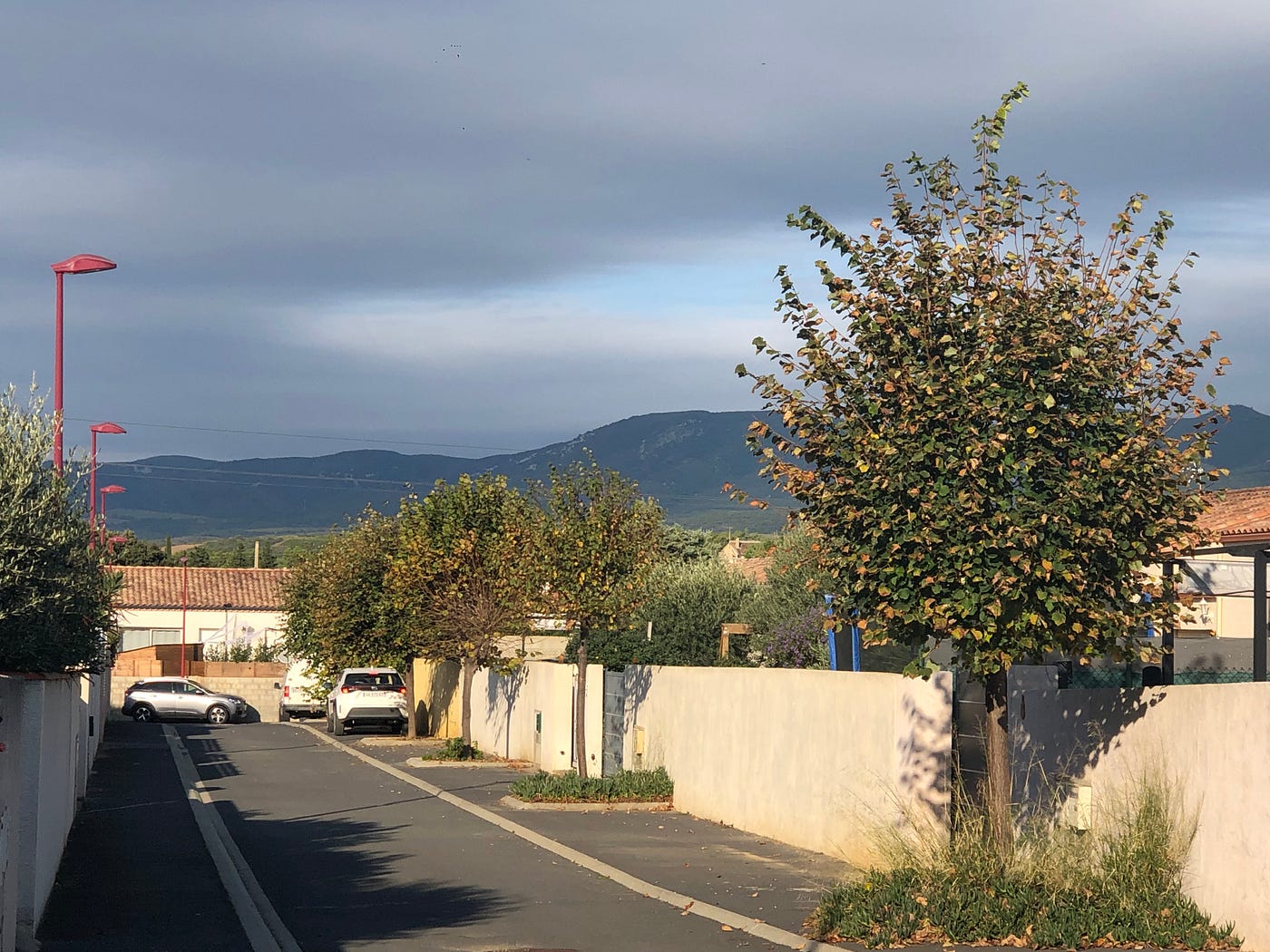
Modern housing tracts built on former vineyards (unless noted, all photos by author)
Yet on the edge of the village, a sort of sub-village exists on what was once a vineyard. Streets of tidy pastel-coloured bungalows that seem to sell as fast as they are built. When I moved to this village ten years ago, vines were still growing on parts of the undeveloped land where I once picked a handful of wild asparagus. Ten years from now, will kids have any sense of the history of this area?
On the main road into Beziers, I’ve watched housing tracts and commercial properties spring up around a recently built Lidl — again on land where vines once grew. Streets are named for the grape varieties, an ironic nod to history. More and more, I’m reminded of the endless suburbs of Southern California where I lived and worked and raised my now adult children.
It’s easy to decry all this; people have to live somewhere. New houses are easier and cheaper to maintain than older village properties. Supermarkets and chain stores are cheaper and more efficient than the local epiceries and boulangeries. Yet, in this ancient region, it’s difficult not to feel regret for a way of life that is gradually disappearing.
I recently heard about Antoine Guibert, a 42-year-old hydraulic engineer by profession — perhaps not so young, but having just celebrated my 80th, anyone under 50 seems young to me. Guibert, the father of two young children, is passionate about maintaining the tradition and heritage of the village and the surrounding land and doing all he can to keep local traditions alive.
Born near Grenoble in the Auvergne-Rhône-Alpes of southeastern France, Guibert moved to the village where his wife’s family still live and was struck by the history of so many ancient structures — the ramparts of a castle held by barons until the end of the 13th century, parts of it dating back to Roman times. Tiny dwellings built within the castle walls, still occupied today.
But he also saw a village in decline and is doing what he can to halt further deterioration.
After taking on some of the neglected houses along the Grand Rue, he then began work on restoring and converting a once grand 1870s building on the main square — until 1978, the first floor served as the village pharmacy. In dividing the building into four apartments, he was careful to preserve authentic details such as the parquet flooring and other materials used in the original construction. Not long ago, he hosted two Ukrainian families in a couple of the apartments. A clock in the shape of Ukraine hangs in the lobby, a token of their thanks for his generosity.


Languedoc mazets. Images Christian Ferrer via Wikimedia Commons,
But it is the ancient mazets and capitelles that dot the vineyards and garrigues (scrubland)in and around the village that captures Guibert’s heart. You can’t drive far in vineyard country without seeing the small dry-stone constructions, most no larger than a hut, some barely more than a heap of partially constructed stone.
Built a century or more ago, they served — and some still serve — a variety of uses: a place to store tools, to keep animals and to provide shelter from the elements, mostly the hot Languedoc sun. Perhaps more significantly, they serve as a link to past generations who toiled the often uncultivated and rocky land, clearing it to raise stone walls around olive groves and vineyards and to form simple stone huts.
The ancient construction used no mortar, just carefully selected stones that interlock to bind the pieces together. A technique known as pierre seche (dry stone ) links man with nature through long-forgotten skills and crafts.
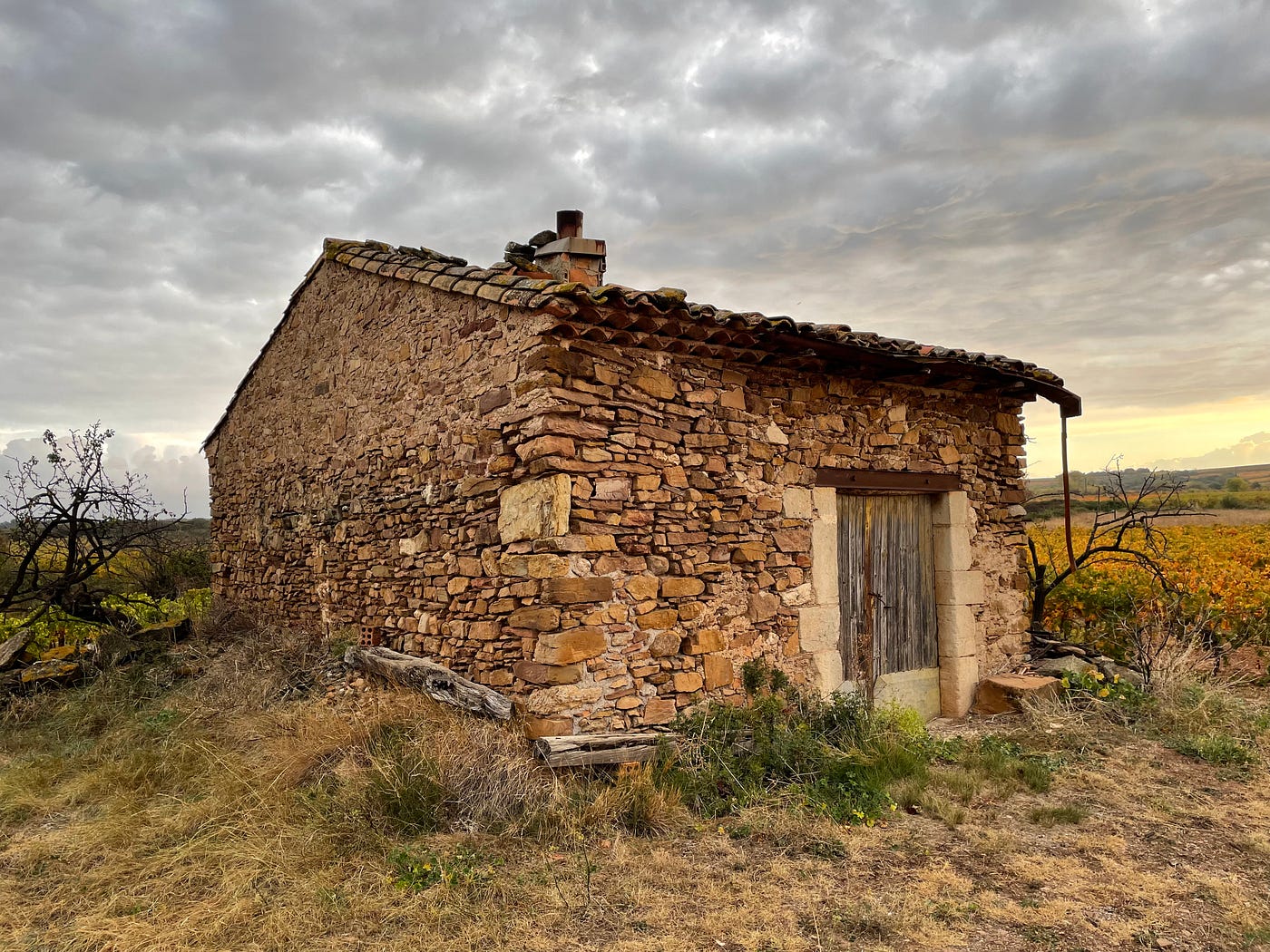
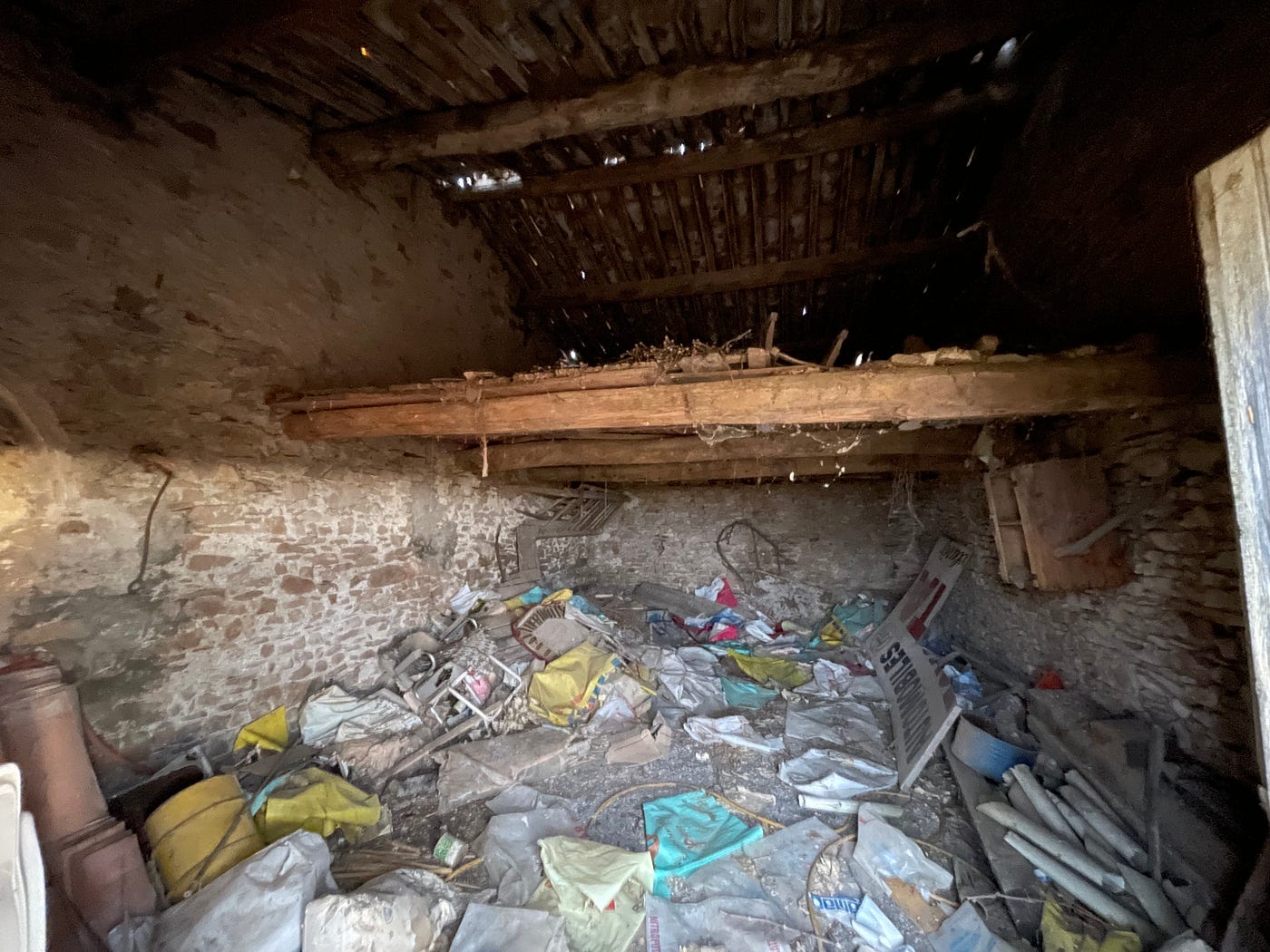
The original mazet (also seen at the top of the page) and interior prior to renovation photos by Antoine Guibert
A week ago, on an overcast day, I rode with Guibert along a winding road through a vineyard to see Le Mas de Mayroune, his first restored mazet. He’d wanted to buy just the piece of land the mazet was on, but the vineyard owner persuaded him to also purchase the vineyard. Guibert agreed but turned over the winemaking operation to a friend — his own passion was restoration.

The original mazet, featured at the start of this piece, as it looks today. (author’s photo)

Guibert paid careful attention to the interior, using authentic pieces of the period.
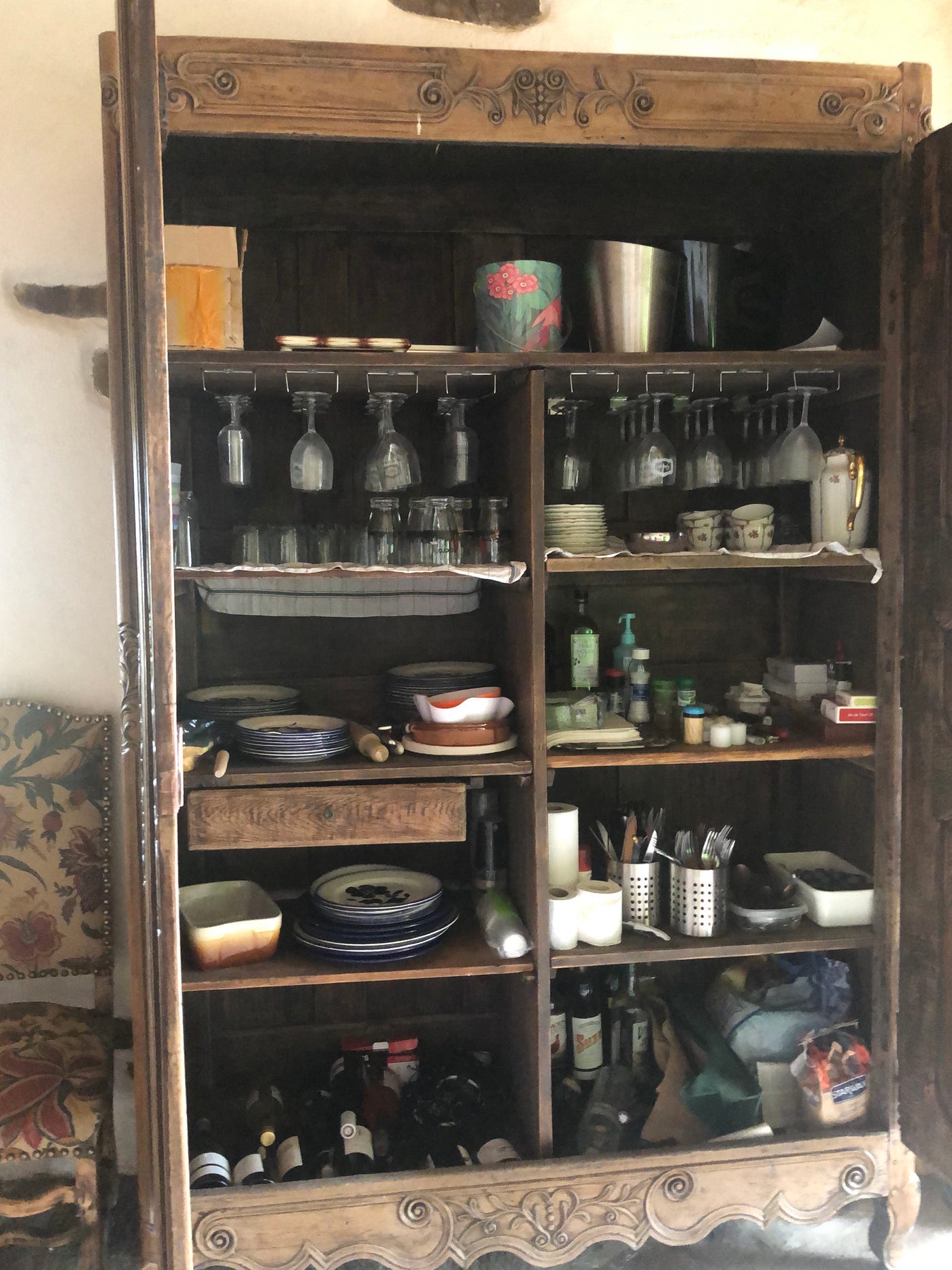
The wine, refrigerator and various utensils are the few exceptions to preserving history
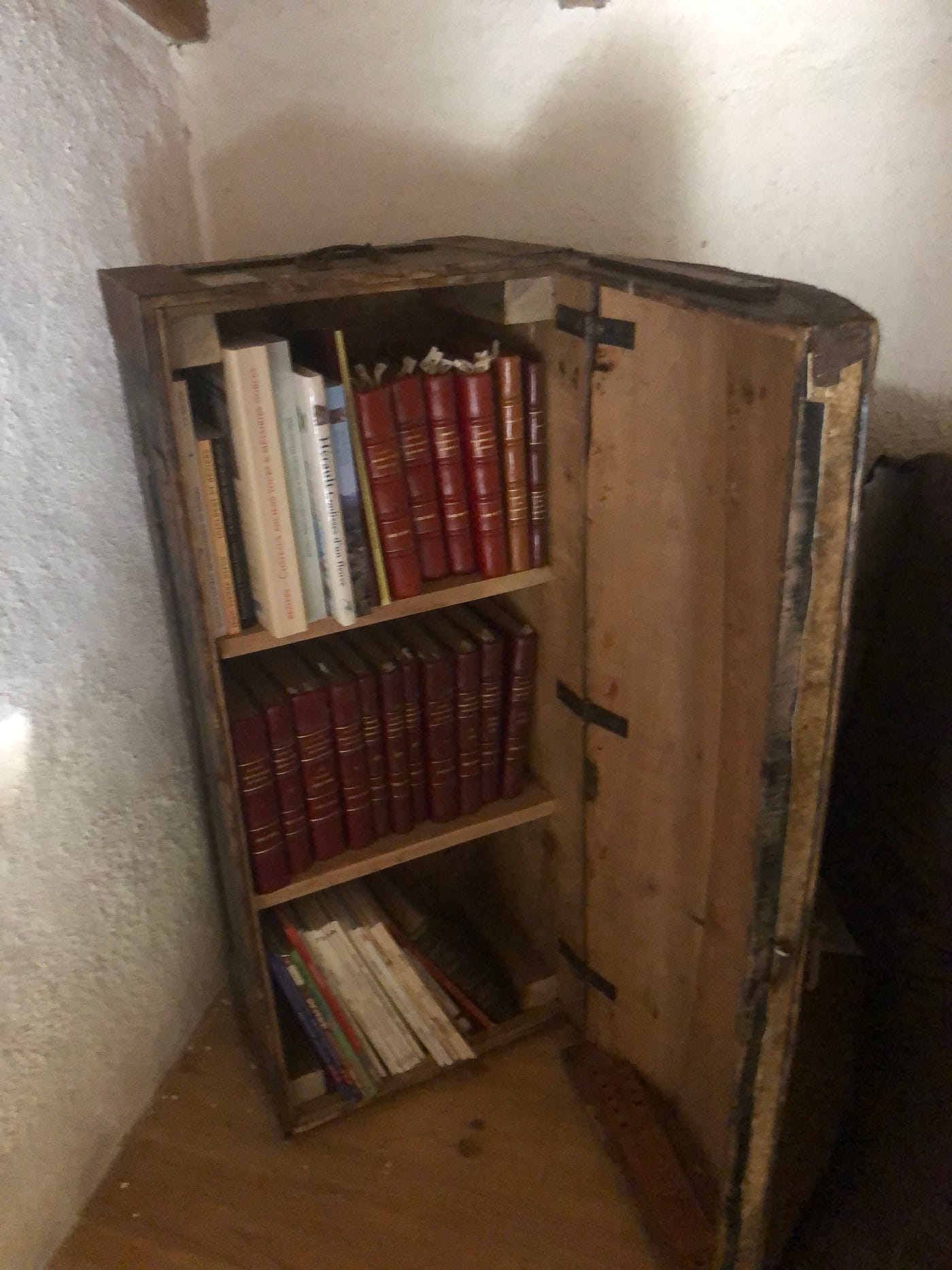
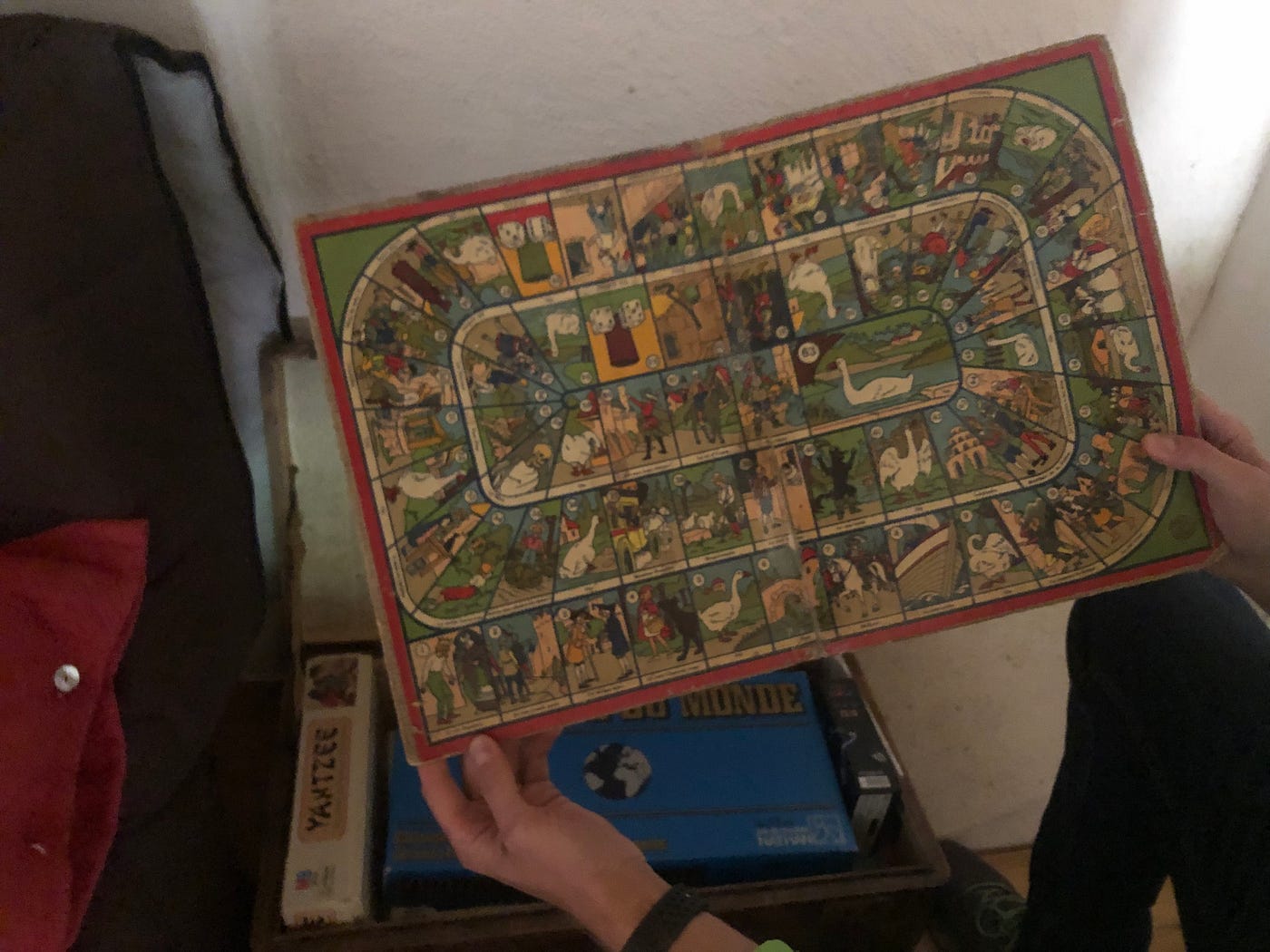
Books on local history and children’s games
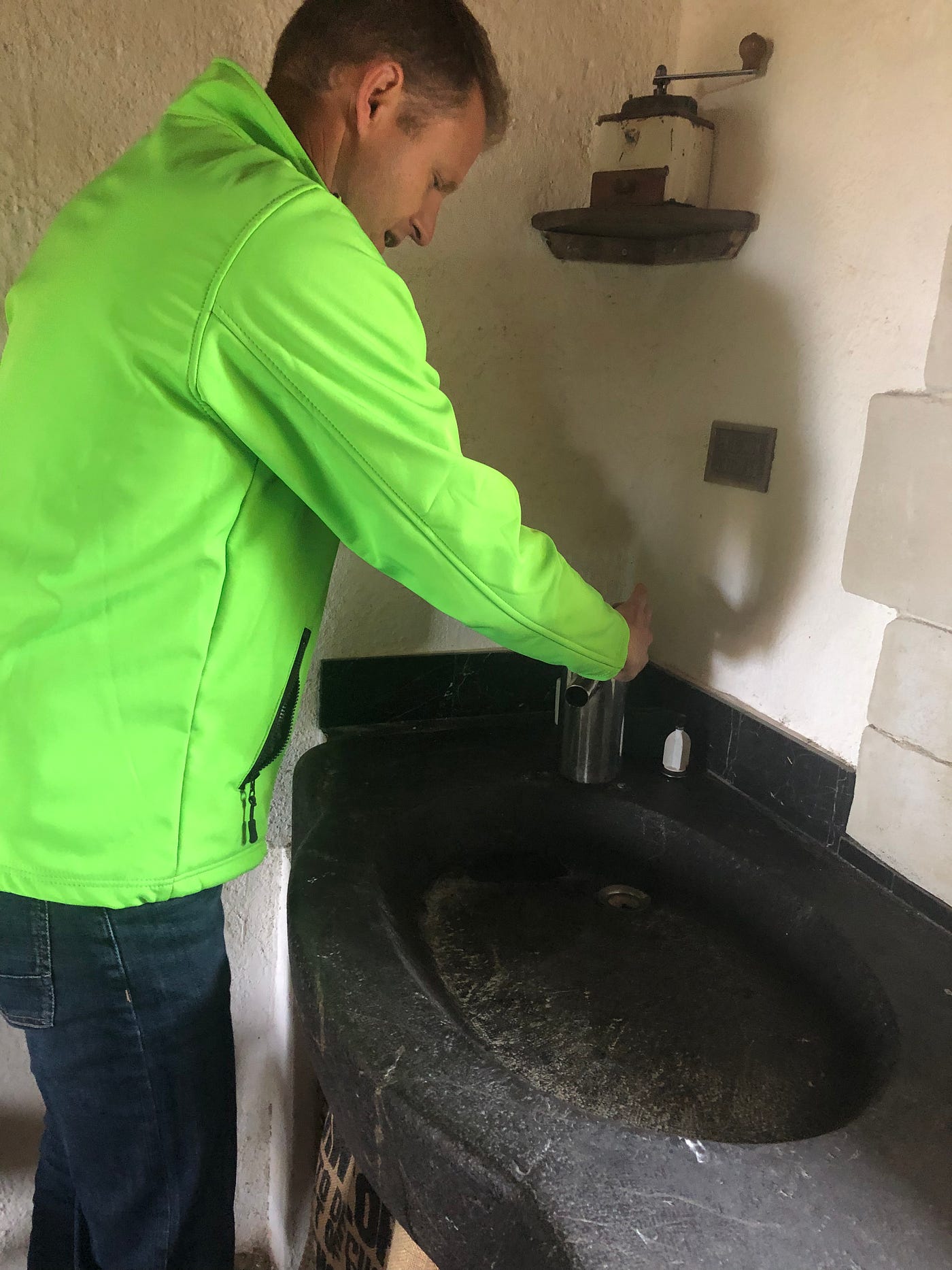
Work to restore the original mazet was a labour of love that took more than three years to complete — much of it accomplished when Guibert could spare the time from the engineering company he founded, but time-consuming also because of his insistence on authenticity. Stones from surrounding fields like those used in the original dry stone construction and marble and granite from the local quarry for a counter and sink. He also insisted on using local artisans to craft pieces like the decorative grills on the windows.
Although Guibert didn’t restore the house as a residence — rather as a place to gather friends and family — he also carefully selected furnishings inside the mazet. From the wooden dining table to a box of board games for his children’s entertainment.
“They do not use their phones in here,” he said with a grin.
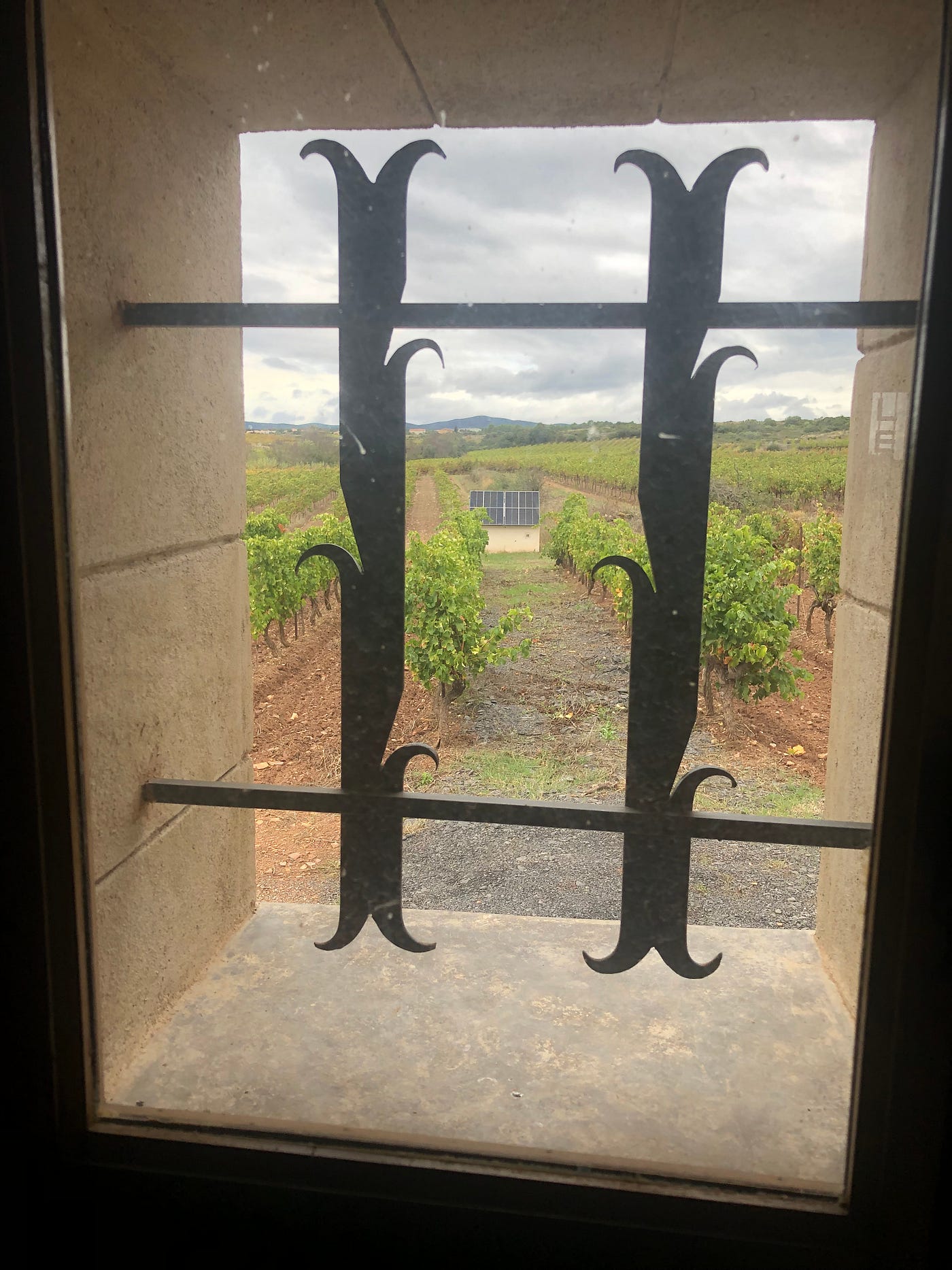
Wrought Iron bars created by a local tradesman look out on vineyards and the solar panels to provide electricity.
Equally impressive as his determination to preserve tradition are his environmental concerns related to the numerous challenges and adaptions due to climate change. While deep-rooted Mediterranean vines, well suited to the hot, dry climate, can survive with very little water, the drought of the past few years means the rain and storms that vignerons once depended on for irrigation are no longer sufficient. Reduced yields create financial strain on an already precarious industry.
But Guibert’s background in hydroelectric and his passion for preserving tradition demonstrated in his mazet may be adaptable to the needs of local winegrowers. Glazed terracotta gutters around the roof of the mazet, for instance, collect rainwater into a swimming-pool sized holding tank built beneath the building. “If it didn’t rain again for two years,” he said, “I would have enough water to last.”
And once again, the link to the past. He explains that terracotta gutters have a longer lifespan than those typically made of zinc or aluminium. “This is the material that was used by the Romans,” he said. “And we still have examples of terracotta pipes that have lasted more than 2,000 years.”

Glazed terra cotta drainpipes
Walking home after talking to Guibert, I felt more hopeful than I have for a while. Amidst the climate sceptics and deniers and the focus on little else but financial profits, it’s encouraging to know there are some who care enough to make a difference. True, Guibert is just one man in one small village, and not everyone has the means or the expertise to indulge in this sort of labour of love, but his enthusiasm is contagious.
He pointed to a mazet on a distant hill where the owner, inspired by Guibert’s example, is undertaking a similar renovation. Others have approached him. In three years he intends to retire from his firm to focus entirely on efforts in the village, including the restoration of other mazets and capitelles.


Another restored mazet and a renovated, and functioning, well.
What a tragedy it would be to see villages that have existed for centuries die from neglect and indifference, as so many throughout France already have. As I write this, the words to Joni Mitchell’s song about paving paradise ring in my ear.
‘You don’t know what you got ‘till it’s gone.’
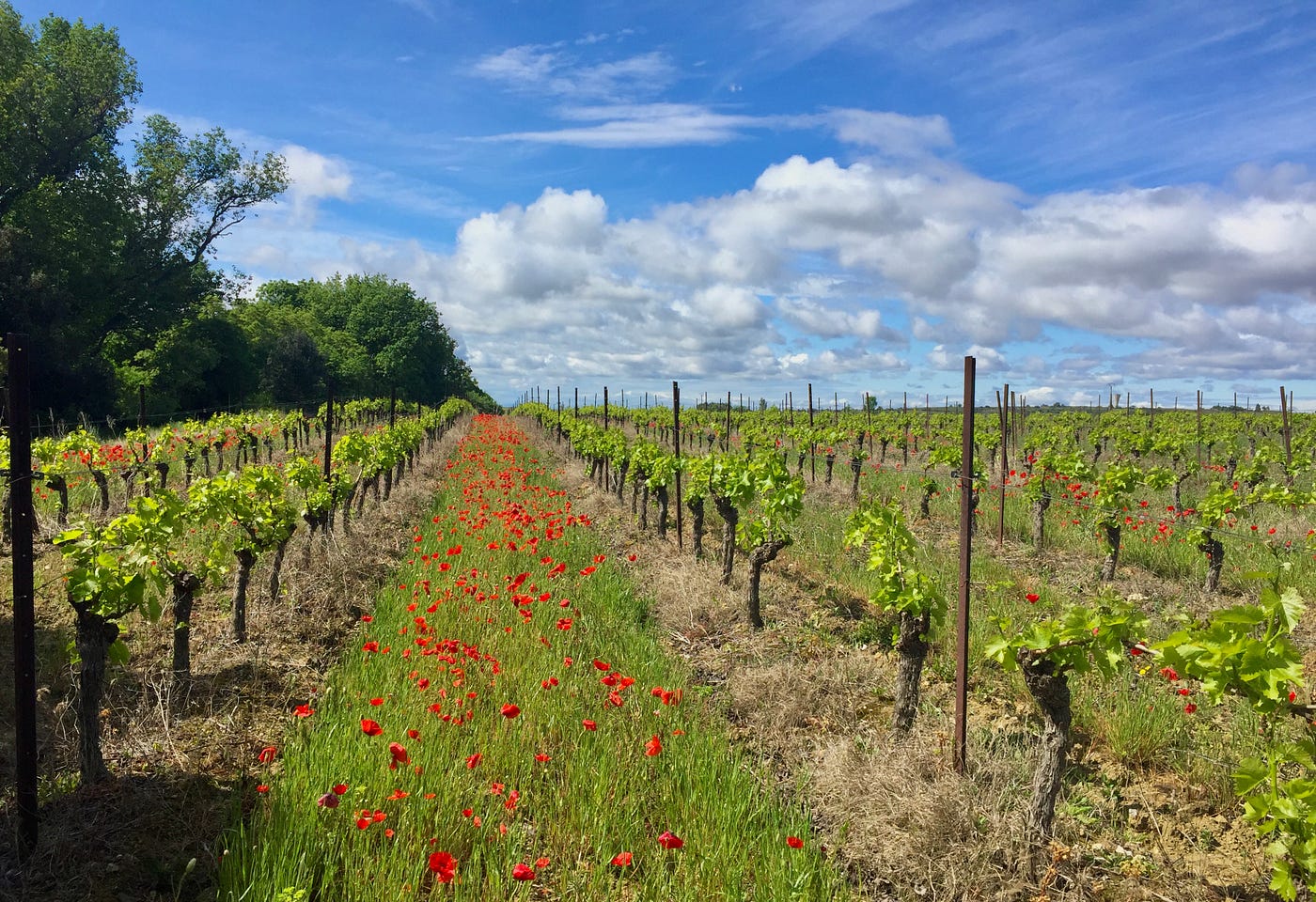
Languedoc vineyard
메타데이터
- post_id
- 156d0f2269f1
- slug
- a-young-french-engineers-passion-for-keeping-history-and-tradition-alive-156d0f2269f1
- url
- https://medium.com/minds-without-borders/a-young-french-engineers-passion-for-keeping-history-and-tradition-alive-156d0f2269f1
- canonical_url
- https://medium.com/minds-without-borders/a-young-french-engineers-passion-for-keeping-history-and-tradition-alive-156d0f2269f1
- author_url
- https://medium.com/@janicemacdonald
- status
- ok
- fetched_at
- 2026-07-08 08:18:29