Is America Losing the Iran War?
Explore the untold story of shifting alliances, oil markets, and the global power struggle behind the conflict.
Is America Losing the Iran War?
Explore the untold story of shifting alliances, oil markets, and the global power struggle behind the conflict.
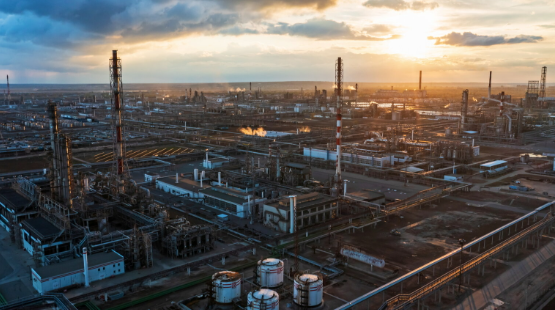
Image used from nytimes
Let me be straight with you from the start wars rarely play out the way the people starting them expect. And the conflict unfolding around Iran right now is a perfect example of that.
While the US and Israel are directly involved, and while Iran is taking real hits, there are two countries sitting at the sidelines that are quietly walking away with some of the biggest gains. No boots on the ground. No missiles fired. Just cold, calculated positioning.
I’m talking about Russia and China.
Now, before you roll your eyes and think this is some conspiracy theory, hear me out. The economic logic here is actually pretty clear once you lay it all out. So let’s sit down and go through this properly what was happening in these two economies before the Iran conflict, how this war has changed things for them, and whether they actually want to see it end anytime soon.
The answers might surprise you.
Russia’s Economy Before the Iran War: Surviving, Not Thriving
To understand why Russia is quietly celebrating this conflict, you first need to understand just how battered its economy already was before any of this started.
After the 2022 invasion of Ukraine, Russia became the most heavily sanctioned country on Earth. Thousands of sanctions from dozens of countries hit Russian banks, state enterprises, oligarchs, and entire industries. Western companies pulled out. Access to advanced technology dried up. The central bank had to hike interest rates above 15% just to keep inflation from running completely out of control and even then, prices for everyday goods kept climbing as imports became harder to source.
For ordinary Russians, this translated into higher costs for basic products and a shrinking range of things available to buy. Meanwhile, hundreds of thousands of young men people who would have been in the productive prime of their working lives were being killed or injured in Ukraine.
That demographic damage isn’t something an economy recovers from quickly. You lose a generation of workers and it echoes for decades.
But three things were keeping Russia from completely going under. First, its enormous natural resource wealth. Russia sits on vast reserves of oil, gas, metals, and timber. And here’s the thing about Russian crude once it enters the global system through intermediary countries like India or Turkey, where it gets refined or blended, its origin becomes very hard to trace. Buyers who don’t want to ask too many questions don’t have to. The sanctions were hurting, but the energy revenues never fully stopped.
Second, Russia can feed itself. It’s one of the world’s largest wheat exporters and its domestic agriculture is strong enough to sustain its own population even under a partial economic siege. That kind of food self-sufficiency is a genuine strategic advantage many sanctioned countries simply don’t have it.
Third, the relationship with China. China wanted cheap energy. Russia needed a willing buyer and access to manufactured goods. Neither side was thrilled about being this dependent on the other, but both sides needed what the other had. It was a partnership of convenience that was holding things together.
So that’s the picture going into the Iran conflict. An economy that was surviving but not in great shape, bleeding slowly, and increasingly dependent on a narrow set of lifelines.
How the Iran War Became Russia’s Unexpected Lifeline
Here’s where things get interesting and uncomfortable, depending on your perspective.
The disruption to oil flows from the Gulf region caused global energy prices to rise significantly. That single fact changes everything for Russia’s economic situation, almost overnight.
Think about it this way. Russia was already selling oil on the gray market at a discount to get around sanctions. But when the global benchmark price for oil goes up by, say, $30 a barrel, even a steep discount still puts more money in Russian hands than they were getting six months ago. Higher global prices lift the floor for everyone in the market, including sellers who are supposed to be frozen out of it.
But the price effect isn’t even the most interesting part. What’s happened alongside the price increase is that some governments in the West the same ones that were loudly condemning Russian aggression just a couple of years ago have quietly started importing Russian energy again through intermediary channels.
Because when your own citizens are facing doubled heating bills and fuel shortages, the political math changes fast. The cost of an energy crisis at home becomes higher than the political cost of hypocrisy abroad.
So Russia is now getting more money per barrel AND finding more willing buyers. Both things at the same time.
There’s also a food angle that’s about to become very significant. Oil and gas aren’t just energy sources they’re key inputs for producing nitrogen fertilizers, which is how modern agriculture feeds most of the planet. When gas prices stay elevated, fertilizer production gets more expensive, crop yields drop, and food prices rise globally.
Countries across Africa, South Asia, and the Middle East that depend on imported grain and fertilizer are going to find themselves increasingly dependent on Russia one of the world’s largest agricultural exporters whether they like it or not.
And perhaps most valuable of all: the world stopped paying attention to Ukraine. Global media, diplomatic energy, political bandwidth all of it shifted to the Middle East. The pressure on Western governments to maintain tough Russia sanctions weakened when their voters started worrying about a completely different war.
Russia didn’t need to do anything to get all of this. It just needed the conflict to keep going.
China: This Isn’t a Lifeline It’s an Opportunity
China’s situation is completely different from Russia’s. Its economy wasn’t drowning before this conflict. It had problems trade tensions with the US, a struggling property market, cautious domestic consumers but it wasn’t on the edge.
So China isn’t looking at the Iran war as something that saved it. It’s looking at it as a once-in-a-generation window to accelerate things it was already working toward.
Let me walk you through what I mean.
China has been methodically building toward two long-term goals. The first is moving up the value chain shifting away from cheap manufacturing and into higher-tech, higher-margin industries. They’ve already dominated solar panels, lithium-ion batteries, and electric vehicles. Chinese companies now make more than 80% of the world’s solar panels.
When global oil prices spike and every country suddenly gets more serious about energy independence, demand for all three of those product categories goes through the roof. China built the supply chain. Everyone else is now rushing to buy from it.
The second goal is building a global coalition of countries that have historically been sidelined from the Western-led economic system. The BRICS network, the Belt and Road infrastructure investments across Africa and Asia, the ports and railways and telecommunications networks funded with Chinese money all of this is designed to create trade relationships that flow through Beijing. When you’ve built a country’s most important port, it’s very hard for that country to walk away from you later.
The Iran conflict is accelerating both of these goals simultaneously.
The Petrodollar Challenge: The Most Important Story Nobody’s Talking About
This is the part I want you to pay close attention to, because I think it’s genuinely one of the most consequential things to come out of this entire conflict.
A few weeks ago, it was announced that the blockade of the Strait of Hormuz would be relaxed specifically for ships transacting oil in Chinese renminbi not US dollars. Read that sentence again slowly.
To understand why that’s a big deal, you need a quick history lesson. Since the 1970s, the vast majority of global oil has been priced and traded in US dollars. That arrangement the petrodollar system means every country that imports oil needs to hold dollar reserves. That creates enormous, permanent global demand for American currency and for US government debt. It’s a big part of why the US can borrow so cheaply and run the deficits it does.
If even a meaningful fraction of global oil trade starts being denominated in renminbi instead of dollars, that structural demand for dollars starts to shrink. The impact isn’t immediate. It’s gradual. But it’s real, and it has very serious long-term implications for American economic power.
Now, will the renminbi replace the dollar as the global reserve currency anytime soon? Honestly, no. China still has capital controls, the currency isn’t freely movable the way dollars are, and trust in Chinese financial institutions isn’t where it needs to be for most major economies to rely on it as a default. Countries will use the renminbi when they have to, not necessarily when they choose to.
But the Strait of Hormuz arrangement wasn’t about replacing the dollar overnight. It was a warning shot. It was China demonstrating to the world that an alternative exists, and that they’re willing to use their leverage to push it. For countries that have seen the US weaponize its financial infrastructure as a geopolitical tool, the idea of having a second option even an imperfect one starts to look appealing.
My personal view on this: the long-term erosion of dollar dominance is the most underreported consequence of this entire conflict, and it’s going to matter for years after the fighting stops.
The Real Costs China Is Absorbing
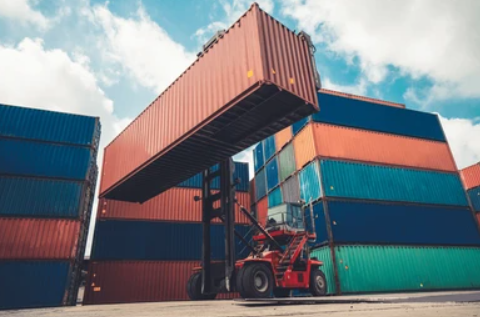
Image used from shutterstock
Now, I want to be fair here because this isn’t entirely good news for China either.
China is by far the world’s largest net importer of oil and natural gas. Every abstract geopolitical advantage it’s lining up through this conflict needs to be weighed against the very concrete reality that Chinese factories, power plants, and transportation networks are all significantly more expensive to run right now.
The workshop of the world is paying twice as much to keep the lights on. That hits manufacturing margins, raises export prices, and squeezes the domestic economy.
There’s also a diplomatic headache building inside China’s own coalition. BRICS has been expanding, and among its newer members are both Iran and Saudi Arabia two parties that are actively in conflict with each other. Geopolitical alliances work better when the members aren’t attacking one another.
China has been carefully avoiding taking sides between its Gulf State partners and Iran, but the longer this conflict goes on, the harder that balancing act becomes. At some point, Beijing may face a choice it’s been desperately trying to avoid.
These are real costs, not just theoretical risks.
So Do Russia and China Actually Want This Conflict to End?
This is the question I keep coming back to, and I think the honest answer is: it’s complicated, and their interests don’t fully align even with each other.
For Russia, the incentives are almost entirely on the side of letting this drag on. Higher oil prices, relaxed sanctions enforcement, diverted global attention Russia doesn’t need to lift a finger to benefit from any of it. If the conflict ended tomorrow and oil prices dropped back to pre-conflict levels, many of the pressures that were building before would come roaring back. Russia is buying time, and right now the clock is running in its favor.
For China, it’s more nuanced. The strategic gains are real, but so are the costs of elevated energy prices and a fractured BRICS coalition. China’s ideal outcome isn’t for the war to go on forever.
It’s to be the country that brokers a resolution to be seen as the responsible, stable global actor that stepped in and brought the parties to an agreement. That outcome gives China the diplomatic credibility while also bringing energy prices back down to levels that work for its manufacturing base.
Which is exactly why you’ve seen Beijing positioning itself publicly as the voice of reason and restraint even while quietly benefiting from the chaos.
My Take: The Countries With the Most Influence Have the Least Incentive to Use It
Here’s what I find most troubling about all of this, and I say this as someone who genuinely wants to see this conflict end: the countries best positioned to push the parties toward a negotiated resolution are the same ones currently benefiting most from it continuing. That’s a structural problem that makes peace harder to achieve, not easier.
Russia wants the clock to keep running. China wants to be the one who stops it but on its own terms and timeline. Neither of those positions points strongly toward a quick resolution.
Meanwhile, ordinary people in Iran, in the US, across the developing world they’re the ones paying the real price. Higher energy bills, more expensive food, weakened economies, and the constant background anxiety of a conflict that nobody seems in a rush to resolve.
That’s the part that should make all of us uncomfortable, regardless of which country we live in or which side we think is right.
Reference
메타데이터
- post_id
- 15c29987ee74
- slug
- is-america-losing-the-iran-war-15c29987ee74
- url
- https://medium.com/geopolitics-beyond/is-america-losing-the-iran-war-15c29987ee74
- canonical_url
- https://medium.com/geopolitics-beyond/is-america-losing-the-iran-war-15c29987ee74
- author_url
- https://medium.com/@quotesnjokes07
- status
- ok
- fetched_at
- 2026-06-09 15:37:30