The Longevity Myth I’m Beginning to Question
After years in medicine, I’m starting to wonder whether modern wellness culture has quietly confused health with control.
The Longevity Myth I’m Beginning to Question
After years in medicine, I’m starting to wonder whether modern wellness culture has quietly confused health with control.
Borges, Mirrors, and the Fear Beneath Longevity Culture
Years ago, my favorite author, Jorge Luis Borges, wrote that mirrors and fatherhood are frightening because they multiply the number of men.
I did not fully understand what he meant when I first read that line. Like many things Borges wrote, it felt intellectually beautiful before it felt personally true. But sometime in the last few years, the sentence stopped sounding literary to me and started sounding anatomical.
This happens slowly. You notice it first in photographs, usually accidentally. Then, in reflections caught unexpectedly in store windows or airport bathrooms under brutal overhead lighting. One day, you realize your hands no longer look entirely like your own. The face looking back at you while shaving contains traces of someone else’s architecture. Your father’s forehead. Your mother’s mouth. An expression that once belonged to another generation is now appearing naturally on your own face without permission or announcement.
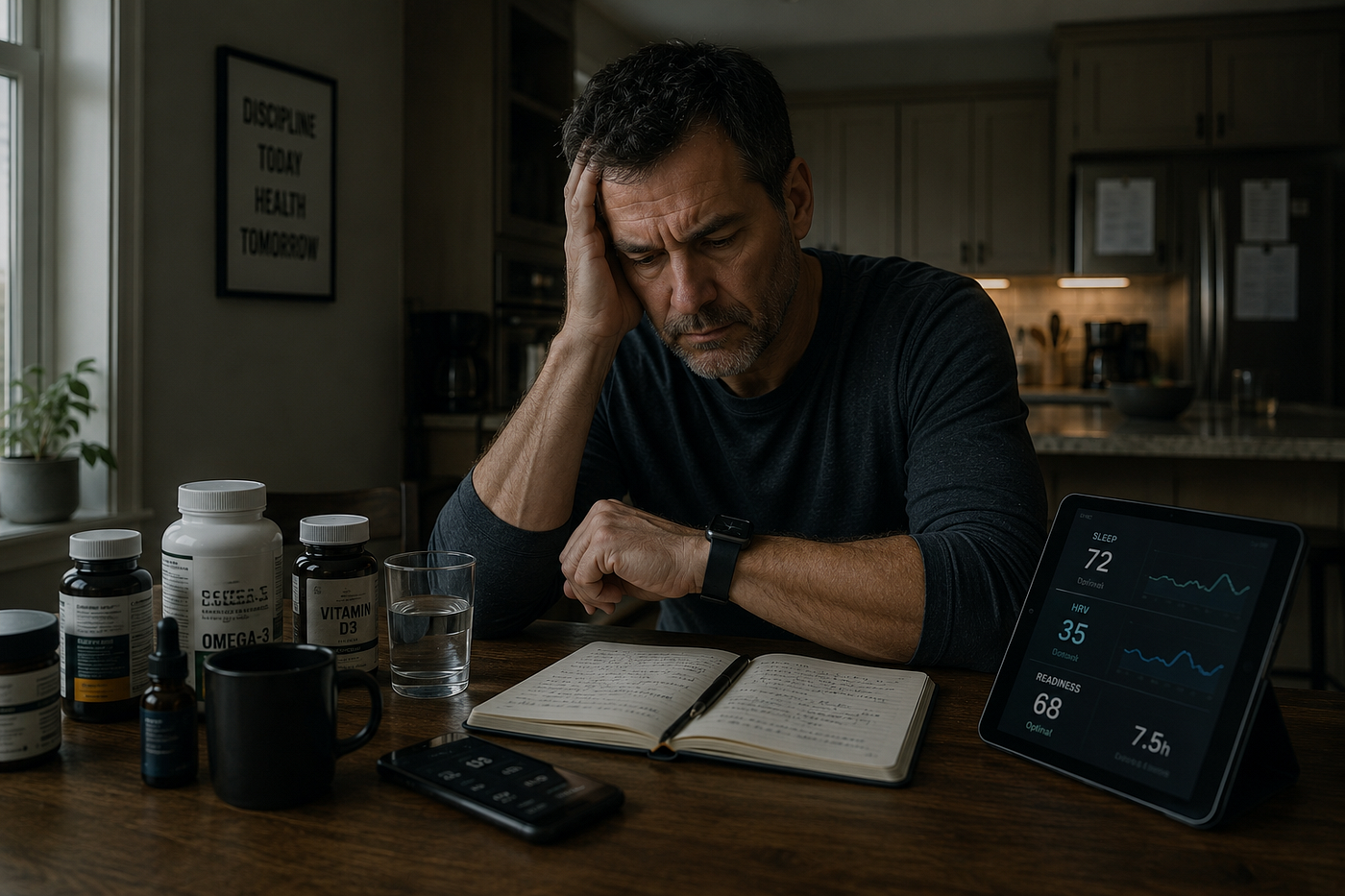
The body can slowly begin to feel less inhabited than managed.
Medicine sharpens awareness of these things. After enough years spent around illness and aging, you begin noticing subtle physiological drift everywhere, not only in patients but in yourself. Recovery takes slightly longer. Sleep becomes more fragile. Certain injuries negotiate rather than heal cleanly. You remain fully functional while simultaneously becoming aware that biology is not static and never was.
For most of my adult life, I responded to this awareness the same way many health-conscious people do now: through optimization. Exercise consistently. Protect sleep aggressively. Eat carefully. Maintain muscle mass. Monitor stress. Stay metabolically healthy. Avoid obvious self-destruction. Much of this is reasonable and evidence-based. In the clinic, I have seen lifestyle changes dramatically improve blood pressure, insulin resistance, mobility, cognition, mood, and quality of life. Prevention matters. Anyone practicing medicine honestly understands that.
But over the last decade, I think something more psychologically complicated has happened inside wellness culture, particularly among educated people who genuinely want to age well.
When Health Stops Feeling Like Health
Health no longer feels merely like vitality or function. Increasingly, it feels like a full-time attempt to prevent the body from becoming human. It increasingly feels like risk management against mortality itself.
You can see this shift everywhere now. Sleep trackers score the adequacy of our recovery. Watches monitor heart rhythms continuously. Podcasts dissect cold plunges, fasting protocols, glucose spikes, inflammation markers, VO2 max, biological age testing, microbiome diversity, and supplement regimens with the intensity that previous generations reserved for religion. People increasingly speak about aging as though disciplined individuals might eventually outmaneuver it through sufficient data and behavioral precision.
Part of me understands the appeal completely. The body can, in fact, be influenced profoundly by how we live. Exercise changes physiology, just as sleep, chronic loneliness, and emotional stress do over time. The human organism is remarkably responsive to sustained behavior.
At the same time, I increasingly suspect that many people are no longer pursuing health so much as reassurance.
I often write about the quieter psychological strain beneath modern wellness culture, aging, attention, and the feeling that many intelligent people are slowly exhausting themselves as they try to optimize every aspect of life. If these reflections resonate with you, you can join me here:
Michael Hunter Wellness Kit Newsletter
A recent paper arguing that lifespan heritability may be substantially higher than previously believed caught my attention for precisely this reason. Researchers analyzing several large cohorts suggested genetics may account for closer to half of lifespan variation than older estimates implied. What surprised me was that beneath the intellectual curiosity, I felt something closer to relief.
The Exhaustion of Trying to Outrun Biology
Not relief because lifestyle suddenly became irrelevant. That would obviously be absurd. Smoking still damages the body. Severe inactivity still accelerates cardiovascular disease, frailty, metabolic dysfunction, and cognitive decline. Sleep still matters enormously. Emotional isolation still extracts a physiological price. None of this new research erases decades of evidence showing that behavior meaningfully shapes healthspan.
What felt strangely relieving was the possibility that perhaps we are not personally failing every time biology reminds us we are human.
I do not think people fully appreciate how cognitively exhausting modern optimization culture can become once it migrates from useful health behavior into continuous self-surveillance. Every poor night of sleep starts feeling diagnostically important. Every missed workout acquires emotional weight. Every meal becomes metabolically loaded with implied future consequences. The body slowly transforms from something inhabited into something managed.
In the clinic, I sometimes hear a quieter version of this anxiety hidden beneath otherwise practical questions. Patients who are already exercising regularly, maintaining a healthy weight, sleeping reasonably well, and avoiding destructive habits will still ask whether there is something more they should be doing. Usually, what they are asking extends beyond prevention itself. What they want, understandably, is a stronger guarantee against uncertainty.
One of the hardest realities physicians come to accept over time is that outcomes do not align with moral fairness. Some disciplined people become ill unexpectedly. Some reckless people remain resilient far longer than expected. Some individuals age beautifully despite mediocre habits. Others experience a devastating decline despite years of conscientious living. Biology has always contained elements we influence and elements we inherit.
The modern wellness industry often treats acknowledging this reality as pessimistic. I increasingly think the opposite may be true.
The Difference Between Caring and Controlling
There is a meaningful psychological difference between caring for the body and trying to control mortality through the body.
I still exercise most days. I still care deeply about maintaining strength, mobility, cardiovascular fitness, cognition, emotional steadiness, and enough physical capacity to continue participating fully in work and relationships as I age. I still believe prevention matters profoundly.
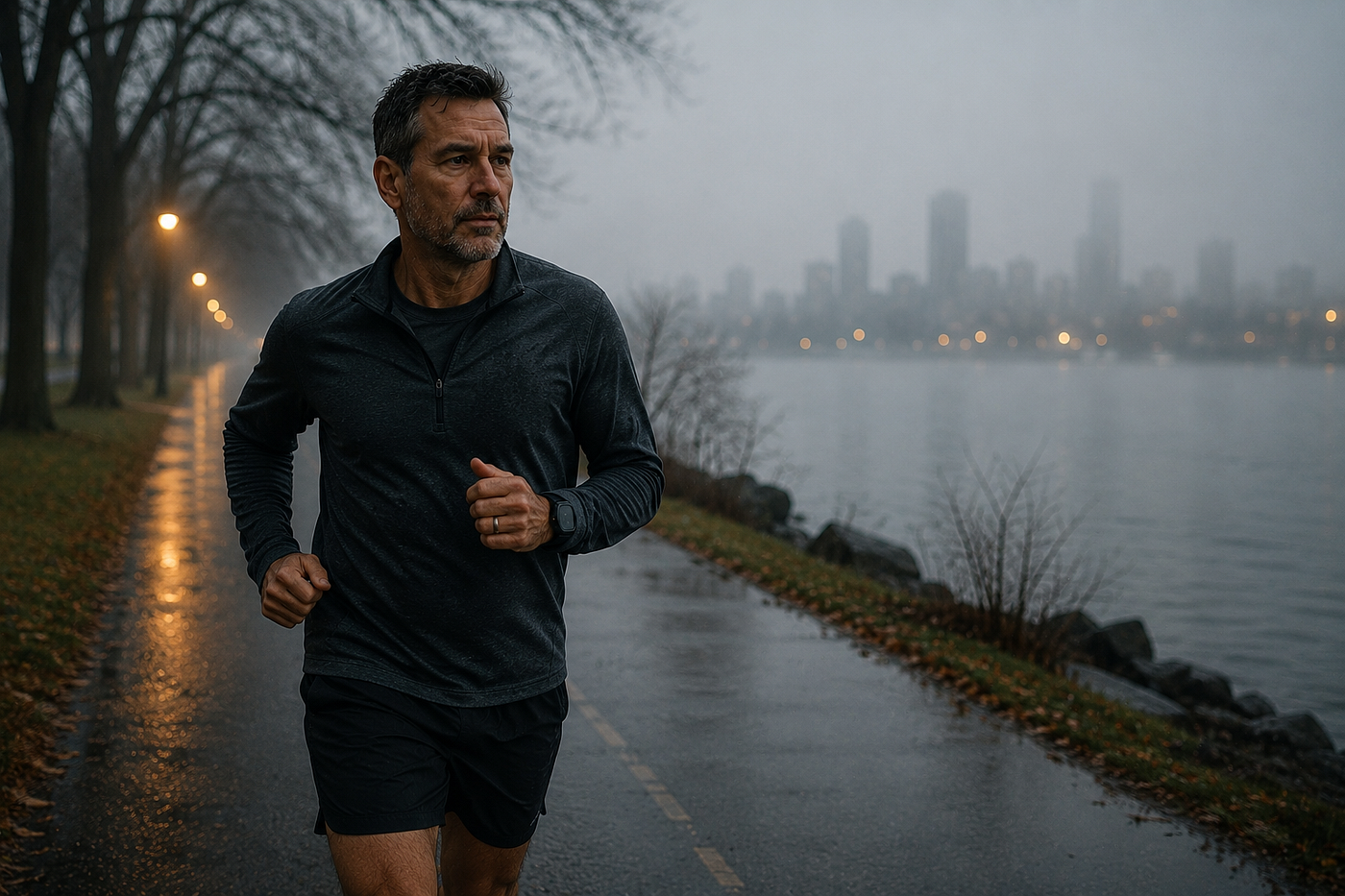
Movement can become less about defeating aging and more about remaining fully engaged with life.
But increasingly, I think the emotional frame surrounding these habits matters too.
When health behaviors become rooted primarily in fear, they begin narrowing life psychologically even while attempting to preserve it biologically. The person becomes trapped in continuous negotiation with future decline. Every behavior acquires hidden existential pressure. Health stops feeling like participation in life and starts feeling like an endless attempt to bargain with uncertainty.
I understand this impulse because I feel it myself sometimes, especially after years spent around scans, pathology reports, difficult conversations, recurrence statistics, and the unmistakable fragility medicine reveals once you stand close to illness for enough years.
Still, age has slowly pushed me toward a different understanding of health altogether.
Final Thoughts
The older I get, the less interested I become in treating the body like a permanent optimization project. I still want to remain healthy for as long as possible. I still want enough strength to travel easily, enough clarity to continue writing and thinking well, and enough vitality to remain fully present for the people I love. But I no longer believe peace arrives through perfect behavioral management.

Aging well may involve learning how to participate more fully in life rather than trying to control every outcome.
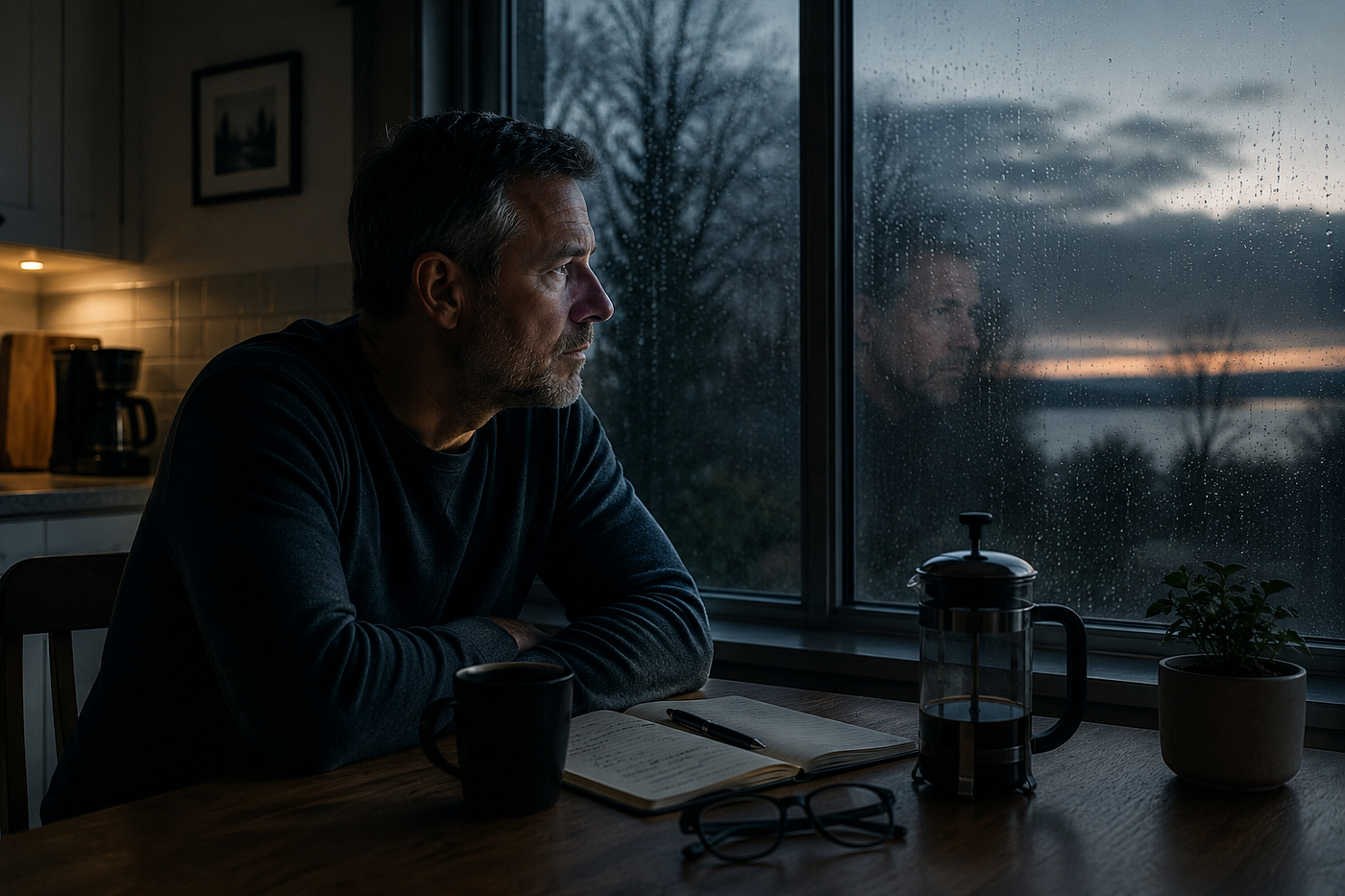
A few mornings ago, after waking too early again, I sat quietly in the kitchen before sunrise while rain moved against the windows outside. No podcast played. No sleep score waited to be reviewed. No device was measuring recovery. For a few minutes, the entire modern machinery of self-optimization fell silent.
What remained was something both simpler and harder to accept: health may not ultimately be about defeating mortality so much as about remaining sufficiently alive, physically and emotionally, to participate fully in the years we are given.
If these quieter reflections on health, aging, attention, and the hidden psychological strain beneath modern life resonate with you, you can join me here:
Michael Hunter Wellness Kit Newsletter
Michael Hunter, MD, is a radiation oncologist who writes about health, attention, and how small, quiet changes reduce strain before burnout.
메타데이터
- post_id
- 15e873f63822
- slug
- the-longevity-myth-im-beginning-to-question-15e873f63822
- url
- https://medium.com/dr-michael-hunters-wellness/the-longevity-myth-im-beginning-to-question-15e873f63822
- canonical_url
- https://medium.com/dr-michael-hunters-wellness/the-longevity-myth-im-beginning-to-question-15e873f63822
- author_url
- https://medium.com/@drmichaelhunter
- status
- ok
- fetched_at
- 2026-06-09 15:37:30