Puppy Potty Training Schedule: The Simple System That Stops Accidents for Good
From 8 weeks to 6 months — the exact times to take your puppy out, how to use a crate the right way, and what to do when accidents happen
Puppy Potty Training Schedule: The Simple System That Stops Accidents for Good
From 8 weeks to 6 months — the exact times to take your puppy out, how to use a crate the right way, and what to do when accidents happen
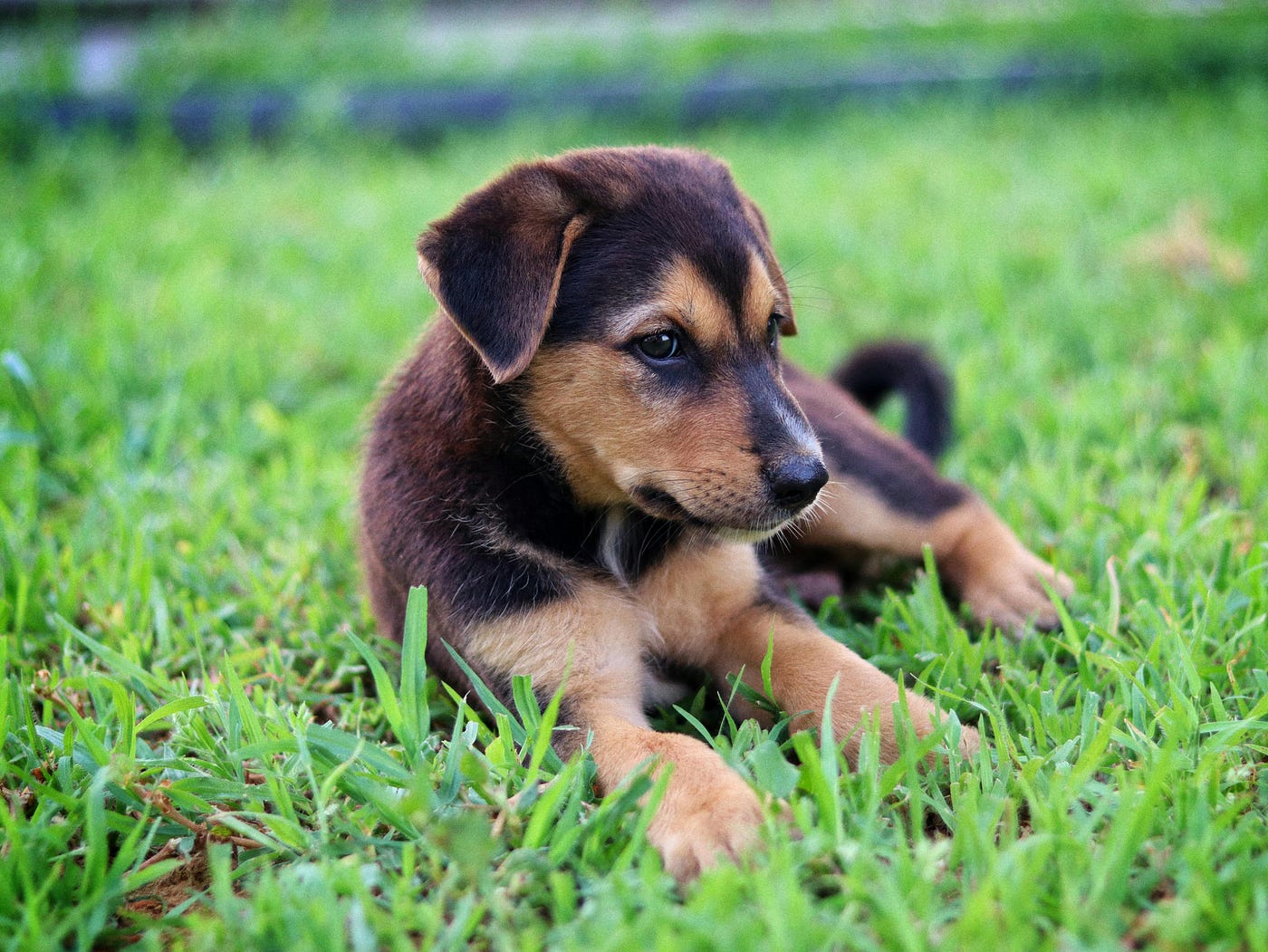
You just brought home the most adorable creature on the planet. And then they peed on your rug. Again.
Here’s the good news: potty training a puppy doesn’t have to be a nightmare. With the right schedule and a little consistency, most puppies are reliably trained in just a few weeks.
Why a Schedule Is the Secret to Potty Training Success
Puppies don’t have full bladder control — especially under 12 weeks old. Their bodies work on a predictable rhythm, and that’s actually great news for you.
A solid puppy potty training schedule takes advantage of that rhythm. Instead of waiting for accidents to happen, you’re staying one step ahead.
The golden rule: puppies typically need to go out every 1–2 hours, plus after every meal, nap, and play session.
The Complete Puppy Potty Schedule (By Age)
8–10 Weeks Old
At this age, your puppy has almost zero bladder control. Expect to go out a lot.
Sample daily schedule:
- 6:00 AM — First thing out of crate, straight outside
- 6:30 AM — After breakfast, outside within 5–10 minutes
- 7:30 AM — Out again (every hour is realistic at this age)
- 9:00 AM — After nap, outside immediately
- 10:00 AM — Mid-morning potty break
- 12:00 PM — After lunch, outside
- Continue every 1–2 hours through the day
- Last outing: Right before bed (10:00–11:00 PM)
Nighttime: Expect 1–2 nighttime trips. Set an alarm rather than waiting for whining.
10–12 Weeks Old
Bladder control is slowly improving. You can start stretching trips to every 90 minutes during the day.
Key times to always go out:
- Immediately after waking up (morning and post-nap)
- 5–10 minutes after every meal
- After any active play session
- Before bedtime
3–4 Months Old
Most puppies can now hold it for 2–3 hours during the day. Nighttime stretches are getting longer too — many pups can go 4–5 hours overnight.
Your dog’s potty training schedule at this stage starts to look more manageable:
- Morning outing
- After each meal (3x a day)
- Mid-afternoon break
- Evening outing
- Pre-bedtime outing
4–6 Months Old
This is when real progress happens. Many puppies are close to fully trained by 6 months with consistent effort. Daytime trips can stretch to 3–4 hours, and overnight accidents become rare.
Crate Training: Your Most Powerful Potty Training Tool
If you’re using a puppy potty training crate setup — and you should be — you’re working with your puppy’s natural instincts.
Dogs don’t like to soil where they sleep. A properly sized crate uses that instinct to your advantage.
Getting the Crate Size Right
This is where most people go wrong. Too big = accidents inside the crate.
The crate should be just large enough for your puppy to stand up, turn around, and lie down comfortably. Nothing more. If it’s too roomy, they’ll use one corner as a bathroom.
If you have a large breed and bought a big crate, use a divider panel to block off the extra space until they grow into it.
Crate Schedule That Works
- Never leave a puppy in the crate longer than their age in months + 1 hour. So a 2-month-old puppy = maximum 3 hours.
- Always take them outside immediately after letting them out of the crate — don’t stop to grab your coffee first.
- Feed meals in or near the crate to build a positive association.
- Make the crate cozy: a worn t-shirt with your scent, a safe chew toy, a cozy blanket.
What to Do If They Whine
If they whine in the crate: wait 5 minutes. If the whining escalates or you haven’t had a recent potty break, take them out. If they whine and go quiet, don’t rush in — you’ll teach them that whining = freedom.
Puppy Toilet Training Schedule: The Key Times You Can Never Skip
Whether you’re following a puppy toilet training schedule or winging it, these moments are non-negotiable:
- Immediately after waking — bladder fills up during sleep, first thing every morning is critical
- 5–10 minutes after eating — food triggers the gastrocolic reflex; they will need to go
- After play sessions — excitement and movement speeds everything up
- Before bedtime — the last outing of the night matters for overnight success
Miss these windows consistently and you’ll extend training by weeks.
How to Respond to Accidents (The Right Way)
Accidents will happen. Here’s what matters:
Do:
- Clean up with an enzymatic cleaner (regular cleaners leave a scent trace that draws them back)
- Interrupt mid-accident with a calm “outside!” and rush them out
- Praise immediately when they finish outside
Don’t:
- Rub their nose in it — this does nothing except confuse and stress them
- Punish after the fact — they won’t connect the punishment to the accident
- Get angry — frustration slows the process
If accidents are happening often, the schedule probably needs to be tightened, not the discipline.
Signs Your Puppy Needs to Go (Learn These!)
- Sniffing the floor in circles
- Squatting suddenly
- Pacing or acting restless
- Heading to a previously soiled spot
- Whining or going to the door
Once you learn your puppy’s individual signals, you’ll catch most accidents before they happen.
Quick Recap: What Actually Works
- Use a consistent schedule — every 1–2 hours for young puppies, stretching as they age
- Crate train correctly — right size, short enough stretches, immediate outdoor release
- Never miss the key moments — after sleeping, eating, and playing
- Praise enthusiastically — every single successful outdoor trip deserves a party
- Clean accidents properly — enzymatic cleaner only
Most puppies show major improvement within 2–3 weeks of a consistent routine. Some take longer — that’s normal. Be patient, stay consistent, and trust the process.
Want to Fast-Track the Whole Thing?
Schedules and tips are a great start — but if you want a step-by-step system that takes the guesswork out completely, I put everything together in **Dog Potty Training in 7 Days**.
It’s a focused guide that walks you through exactly what to do each day, from Day 1 through Day 7 — the right crate routine, the exact schedule to follow, how to handle setbacks, and the fastest way to get to accident-free.
If you’re in that exhausting early stage and just want it done, it’s worth a look.
Got questions about your puppy’s specific situation? Every pup is a little different — drop a comment below and let’s figure it out together.
메타데이터
- post_id
- 160a6dd18cac
- slug
- puppy-potty-training-schedule-the-simple-system-that-stops-accidents-for-good-160a6dd18cac
- url
- https://medium.com/@Ashley1560/puppy-potty-training-schedule-the-simple-system-that-stops-accidents-for-good-160a6dd18cac
- canonical_url
- https://medium.com/@Ashley1560/puppy-potty-training-schedule-the-simple-system-that-stops-accidents-for-good-160a6dd18cac
- author_url
- https://medium.com/@Ashley1560
- status
- ok
- fetched_at
- 2026-07-09 23:49:47