My Trip to Russia
Wally’s Travelog #2
My Trip to Russia
Wally’s Travelog #2
I love history, have since I was a kid. Thought I would major in History in college until I got a C- in History of Western Civilization my Freshman year. Good thing, as I understand History professors work hard, and don’t make much money!
Growing up in the 1950s and 1960’s, with the Cold War, the Space Race and the Missile Crisis, Russia was the enemy. Khrushchev slamming his shoe on the podium in rage against us is a memory emblazoned in my brain from the black and white TV. Hiding under the desk at school for bomb drills was a scary thing. Russia was a place far away and so strange and foreign, that visiting there was never something that could be considered.
Then along comes Reagan and his famous “Mr. Gorbachev, tear down this wall!” and within years the politics of socialism and economics not only brought down the Berlin Wall, but liberated Russia itself. It didn’t take too many years before free and easy tourist travel was being arranged for all parts of Russia.
Being a curious soul, and one who loves to travel, the thought of taking a peak at Russia became something of an obsession for me. My friend Steve and I have been the best of buds since grade school, experienced all the same things, and pretty much think alike. In high school we were often seen dressed in identical outfits! My point is that Steve harbored the same curiosity about Russia that I did. One day while tailgating at a Beaver football game, we were talking travel plans — which is often a topic of discussion as we both love to get around. Our plan was hatched. A trip to Russia was born.
Mind you this was 2008. Before Putin. Before the war with Ukraine. Before that part of the world fell apart. Writing about that trip now in 2026 seems more like a dream than reality. A sort of fictional tale, except we did it and probably can’t do it again in my lifetime.
Getting to Russia back then was a lot easier than one might think. When we traveled, Delta had a daily flight to Moscow from New York and Atlanta. Several European tour companies had begun operations in Russia. We decided on an itinerary that would take us down the Volga River from St. Petersburg to Moscow on a river boat. The Flights were not easy. Five hours to the east coast, then nine more hours to Moscow.
When we arrived in Moscow, the enormity of the cultural differences slapped us hard in the face. While our first stop was Moscow, our trip really was to start in St. Petersburg and end up back in Moscow. That meant we had to negotiate the international terminal, find the domestic terminal and our flight from Moscow to St. Petersburg. What’s the problem? No English. None of the tote boards were in English. No signs in the airport were in English. Russian is a very different language from our Romance languages, and there is no way to decipher it to provide any assistance to tired travelers.
I parked my companions next to the escalator, and took off chirping like a bird “English? English? English?” After 20 minutes of searching, I finally found someone who could speak very broken English. I learned that we had to take a “blue bus” from a circular driveway to another airport. Off we went to the circular driveway which was easy to find as it was right out front, only to discover 10 blue busses all lined up going to different places. I started my “English?” chirping to the driver of the first bus in the line and worked my way down the line until a nice young tourist pointed us to the right bus. We climbed aboard the bus, and in a few short minutes we arrived at the domestic airport. By this time the anxiety had subsided, and I thought if I can make my way through the Moscow International terminal, the domestic terminal should be a breeze. Well that was wrong, but we did finally arrive at the right gate, only to find that one of our bags had not made the flight with us. We were assured that the bag would catch up to us in St. Petersburg and not to worry. It was somewhat reassuring, assuming of course we had properly understood what the flight attendant told us in her very clipped English.
When we finally arrived in St. Petersburg, all the bags were there and we were greeted by Pauline, who would be our trusty Russian guide for the next three weeks. You can not do Russia without being on a tour of some sort, or with a private guide. The language barrier is astounding. You need a guided tour just to get around. Since we had elected to visit the heart of Russia starting at St. Petersburg and sailing down the Volga River to Moscow, our tour company of choice was Viking River Cruises. This was marginally convenient as we had a nice cabin on the boat which acted as our hotel for the entire trip. This kept us from having to pack and unpack as we moved through the country, but it also kept us out of the heart of the cities we visited, and prevented any casual walking trips around the town on free hours, which is something I love to do.
Our days in St. Petersburg were filled with sight seeing and museum tours. I love a good museum, and have been to all the great museums of the world now except for the Prado in Madrid. The Hermitage in St. Petersburg stands at the pinnacle of the museum world. It is every bit as amazing as the Louvre in Paris. The history collected and preserved there is incredible. I am a sucker for the Impressionist painters, and the Hermitage has an incredible collection. We spent the better part of one day there and a short visit another day.
The museum sits on the Neva River near the bay leading to the Gulf of Finland, which is part of the Baltic Sea. The river entrance is guarded by the Peter and Paul Fortress, built in 1703 by Peter the Great, and is now a beautiful museum complex with the magnificent Peter and Paul Cathedral as its centerpiece. Peter the Great himself, and almost every other Czar of Russia is buried in the Peter and Paul Cathedral. This church rivals any cathedral in Europe with it magnificent golden spires.
While in St. Petersburg, we took day trips to the Summer Palace of Catherine the Great, and to Peterhof, the summer residence of Peter the Great located along the beach of a small inlet to the Gulf of Finland. These estates are huge, with amazing grounds and fountains. The structures and interior furniture and fixtures dating from the 1700’s have been greatly preserved, making our tour through them much like walking back in time.
A few facts we learned about St. Petersburg. During most of the 20th Century, the City was called “Leningrad” in honor of Vladimir Lenin. It is often called the Venice of the North, because of the vast number of canals that are integrated into the City much like Amsterdam and Copenhagen. During the winter the canals and the Neva River freeze. Vendors take up residence on the ice, turning the canals into shopping streets on ice. It is the second largest City in Russia. It is said that more people died here during World War II than in any other city or locale in the world, and that a soldier’s life span at the front during the height of the fighting was less than one hour.
I truly loved St. Petersburg, and now rank it right up there with Barcelona, Paris and Melbourne as my favorite cities in the world. It is clean, safe and full of wonderful history. The sights are remarkable, and the culture is startlingly interesting.
With our week in St. Petersburg concluded we set off down the Neva, through several huge lakes and into the Volga River headed for Moscow. The trip down river took six days. Before the days of Stalin this trip was not even possible. Stalin created this system of dams and locks that connect the two cities, and made seasonal transport of goods and materials much easier. The river system has seventeen locks, some as high as fifteen meters (nearly 50 feet). Some of the locks raise the boat up in elevation, others lowered us in elevation to meet whatever the terrain happened to be. In some cases entire small towns were submerged by the new lock system. Floating down river and seeing the tops of buildings peaking out from the water gives one an eery feeling.
We made several short day stops at cultural points along the river. At Mandrogy we toured a Vodka museum, and got the chance to paint nesting dolls. At Kizhi Island we toured a huge old wooden church that dates back to the 1600’s and is still in wonderful shape. The island is a UNESCO heritage site. Next up was Goritzy which is an enormous monastery fortress on the river, built in the 1500’s which doubled as a protectorate for the area, as well as a convent. Our next stop was Yaroslavl, a seemingly modern city. As we toured the City, many of the buildings and historic sites were covered in scaffolding. Upon inquiry, we were told the City was preparing for its 1,000 year anniversary as a City. It was pretty incredible to imagine this City being in this location for 1.000 years, meaning it was a well established urban center before Columbus ever ventured west. Yaroslavl is most famous for the lovely lacquered boxes that are hallmarks of the Russian culture. Our final stop on the trip down the Volga was Uglich, known as the political centerpiece of Russia. Mostly due to assassinations we were told. It is small town full of beautiful churches, the most notable of which was the Demetri with it blue and gold domes beckoning river travelers from the nearby Volga.
The sites along the Volga consisted of flat land with small trees. The terrain not varying more that 20 or 30 feet in elevation, with no hills or mountains anywhere in sight. The small tree forests were endless, with no roads or population to be seen. Days and days of endless flat land and trees. During the times we were on the river, the tour company provided us with lectures on Russian history and culture. The highlight for me was one evenings instruction in the five ways the Russian people give toasts with shots of Vodka. Once we learned how to do it, we of course needed to practice. Copious amounts of Vodka were consumed (and spilled) that night!
During the Vodka night we learned that Smirnoff originated in the mid-1850’s in Moscow, and was taken over during the rebellion in the early 1900’s. The original Smirnoff family fled to Poland and recreated its distilling process. Smirnoff therefore has two separate and independent brands, the original Moscow Vodka, and the Smirnoff’s popularized all over the rest of the world. By the time I sampled both Smirnoff’s brands, palate fatigue has set in and I couldn’t tell the difference!!! I can tell you that all the Russian Vodkas suited my taste very well. Russian Standard, which at one time could be bought in our own liquor stores, but not anymore, is a magnificent brew. Russian Imperial, said to have been made and reserved for the Czars and visiting dignitaries. It is not widely available outside Russia, and is by far the best Vodka I have ever tasted.
From Uglich we made our final voyage down the Volga to the Moscow River which was to take us into Moscow proper. However because the water levels were so low, the boat had to moor several miles outside the city center.
To get into the city we had to take the Moscow Metro (subway). A very incredible experience. The Metro system is modern, clean and well run. It will take you anywhere you want to go in Moscow, and is the largest such system outside of Asia. At one point the subway is 243 feet underground, with the longest and steepest set of escalators I have ever be on.
During our travels around the country, we discovered the people of Russia stay pretty much to themselves. A product of the years of terror we were told. Folks from their mid-20’s and older are silent in public, do not engage strangers, and generally stare at their shoes as they move about. Imagine a packed subway car on the morning commute into the City. Near silence. A ruffling of a newspaper. The click of shoes. Hardly any sounds in the crowded subway car at all. That is until about 5 stops in, a group of teenage girls get in the car giggling and talking just like American teenagers would. This age group grew up after the Wall came down and Russia moved into its new era, so they know none of the tyranny that existed previously. It was a stark realization for me, the difference a generation can make. Our wonderful Guide Pauline told us that although one cannot tell the difference between Americans and Russians by our physical features, Russians can always tell an American because our eyes are looking around and we have smiles on our faces and chat with our companions. Things that Russians of a certain age simply do not do because of how they were raised.
The highlight of Moscow was Red Square, and all it has to offer. The name comes from the stark red bricks that line the walls of the Kremlin and the darker red on the huge church that makes up one end of the square. The square surface is made up of black cobblestone, not red. On the third side of the square is the Gum (pronounced Goom) department store. Once filled with Soviet-era goods of mediocre quality, it is now a mall with international labels and hyper-expensive boutiques. The other end of the square is dominated by St. Basil’s Cathedral. It is probably the most recognizable church in Russia, with its multi-colored onion domes and beautiful architecture.
Built into the wall of the Kremlin, facing inward to the square is Lenin’s Tomb, where his body still lies in state. While curiosity tempted me to venture in, each time I visited Red Square his tomb was closed to visitors, so I was deprived of a peak at one of the most famous leaders in Russian History, and a body dead nearly 85 years.
We did get the opportunity to go inside the Kremlin. We had full access to interior sites, except for the government office buildings where Medvedev was hard at work. We toured the Armory where the state has kept every gift to Russia dating back to the 1500’s, as well as coronation gowns, carriages, and bejeweled book covers galore. The amount of riches there is beyond belief. We were allowed inside the Church of the Czars where only the elite could worship, and in the ante-grounds where coronations took place. Pretty heady stuff for a country boy I can tell you. Lining the paths along the inside of the Kremlin are cannon, and other plunder taken from Napoleon’s army when they were defeated by the Russians in 1812.
Other magnificent sites in Moscow included the Bolshoi Theatre. We were not able to see a production as it was closed for renovations. The Pushkin Museum has a fine art collection, and is very visitor friendly. The Novodevichy Convent and Fortress was built centuries ago at the edge of Moscow and protected the City from invaders. Now it is in the center of town. It has magnificent grounds, and great architecture, but it remains a working convent, so no visitors are allowed inside.
On the river just outside the Kremlin stands the Cathedral of Christ the Saviour. It is a huge church with wondrous golden domes. The history of this church makes you glad to be an American. It was hundreds of years old and an icon for the Russian people, that is until Joseph Stalin ordered it to be blown up in 1931. His plan was to replace it with something he called the “Palace of the Soviets” to feature a 100 meter (328 foot) statute of Lenin. As fate and WWII would have it, the Palace and Statute were never completed, and the original church was later rebuilt on the same spot to the same specifications as the original church.
We had the opportunity to walk and take the Metro all over the City, and had a grand time doing it. One of our favorite spots was Gorky Park. Yes, that spot made famous by the 1981 crime novel and the 1983 movie starring Lee Marvin and William Hurt. It is the most popular of Moscow’s many parks, and is one of the trendiest places in the city due to its cafes, places to stroll, and contemporary public art projects.
Our favorite part of the City was Arbat Street. It is an old part of the City, and let’s you feel what Moscow must have looked and felt like in the late 1800’s. The small shops now sport cafe’s, coffee shops, galleries and souvenir vendors.
A bit about the food on this trip. I always remark when asked, that the best meal we had on the trip was on the airplane. We did fly first class, but this is No Joke. Aside from one evening in Moscow in the theatre district, in a little café off Arbat Street where we had a delightful meal, the food was pedantic. Lots of fish, pickled and salted. Fish of unnamed origin. Potatoes at every meal. Like in Norway and Sweden, they were unimaginatively boiled into oblivion. Very few fresh salads, although I did have a nice Caprese salad in the Gum (that large shopping mall building that makes up a large part of the wall to Red Square and faces the Kremlin). I was not surprised to see McDonald’s and Starbucks in Moscow, but was a little surprised to see that KFC had a strong foothold as well. While we did not partake of such Russian fast food, we did marvel at the crowds of Russians lined up on the sidewalks to get in those places. Crapdos!s? A street food widely hawked in Moscow. Your guess is as good as mine, and guess is all I was willing to do. I am a pretty adventurous eater, but maybe not adventurous enough to try a Crapdos!s. I later learned that Crapdos!s is not a food itself, but a fast-food franchise named for the stomach ailment its food causes.
What about the Borscht you ask? In preparation for our trip we had our travel companions and a few friends over for a Russian themed dinner. The meal started with homemade blini’s with creme fraiche and caviar (local, but good), and featured our own version of Borscht. If you don’t know, Borscht is a tart beet soup. Very hearty. Very red. The authentic Borscht we ate in Russia was made from fermented beets and beet root, which gave the soup much more of a sour taste than ours. I must say that I liked our version much better.
Time flies when you are on vacation and soaking up sights and culture like a sponge, and our time in Russia came to a close with another encounter with Sheremetyevo Airport, the international airport in Moscow. This time we knew what to expect and where to go. Felt a little comfortable. Not like a US airport mind you, but the fear and trembling that we had on our arrival were no longer there.
We found Russia in 2008 to be a safe and clean destination with lots to offer. Perhaps we caught the country at its best. I understand that travel there is still possible, the U.S. Department of State has issued a Level 4: Do Not Travel advisory. The ongoing Ukraine war, risks of wrongful detention, harassment, and limited consular assistance, make it such that Americans are advised against traveling to Russia. Too bad, an opportunity lost.

Church of the Resurrection in St. Petersburg

Demetri Church in Uglich
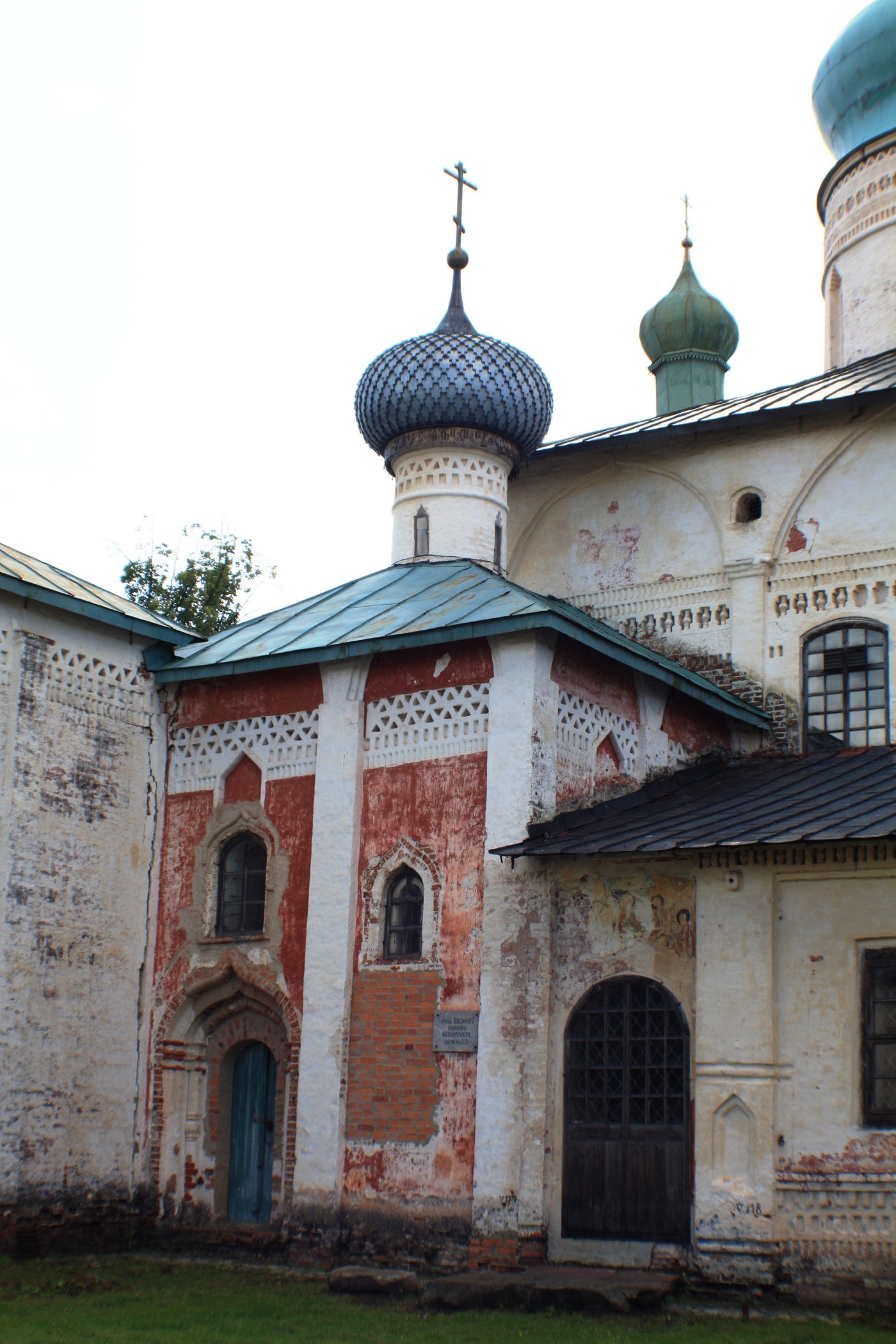
Goritzy Monastery

Kizhi Church on the Volga
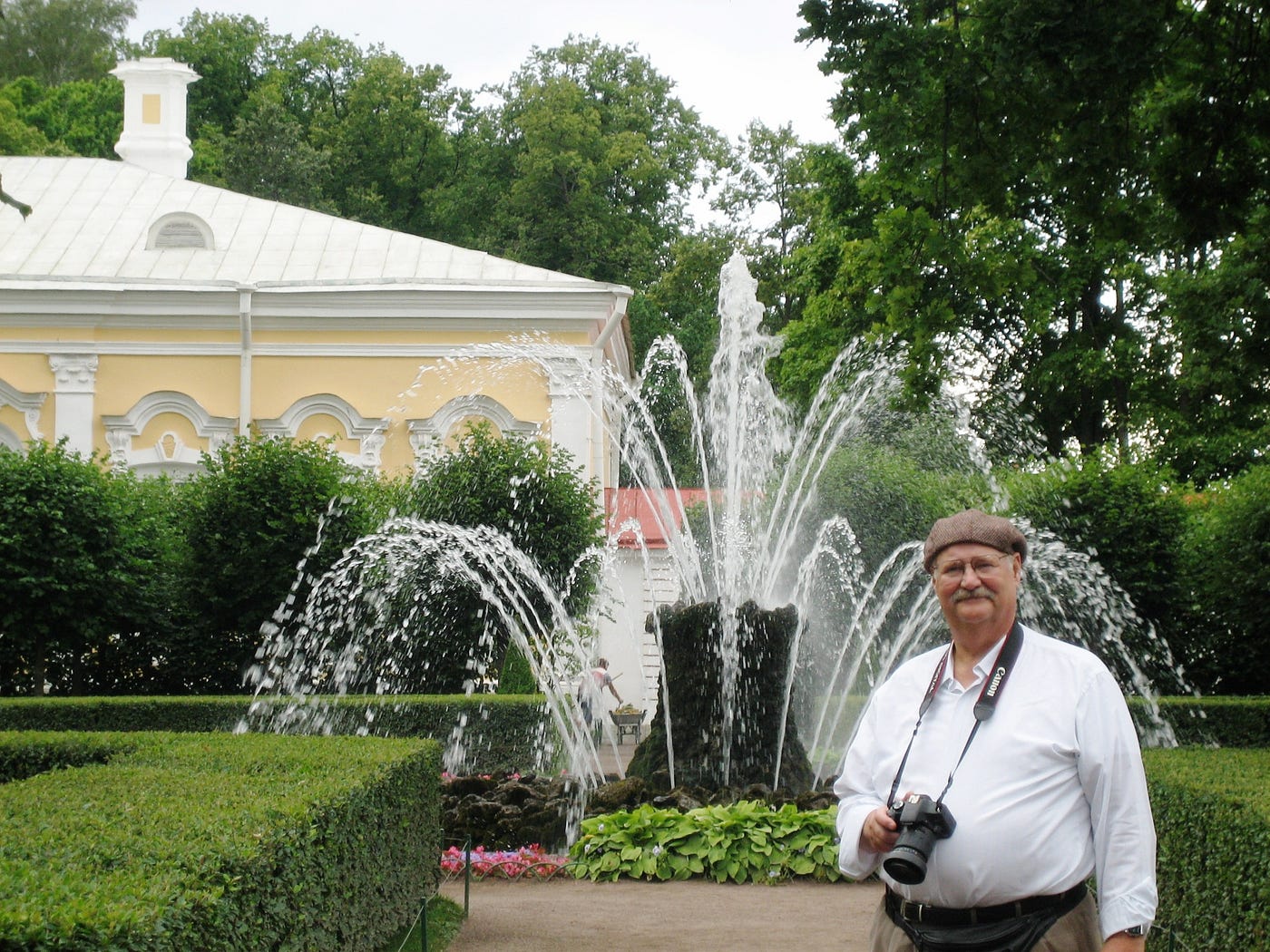
Fountain at Peterhof Palace near St Petersburg

Peterhof’s canal to the Sea
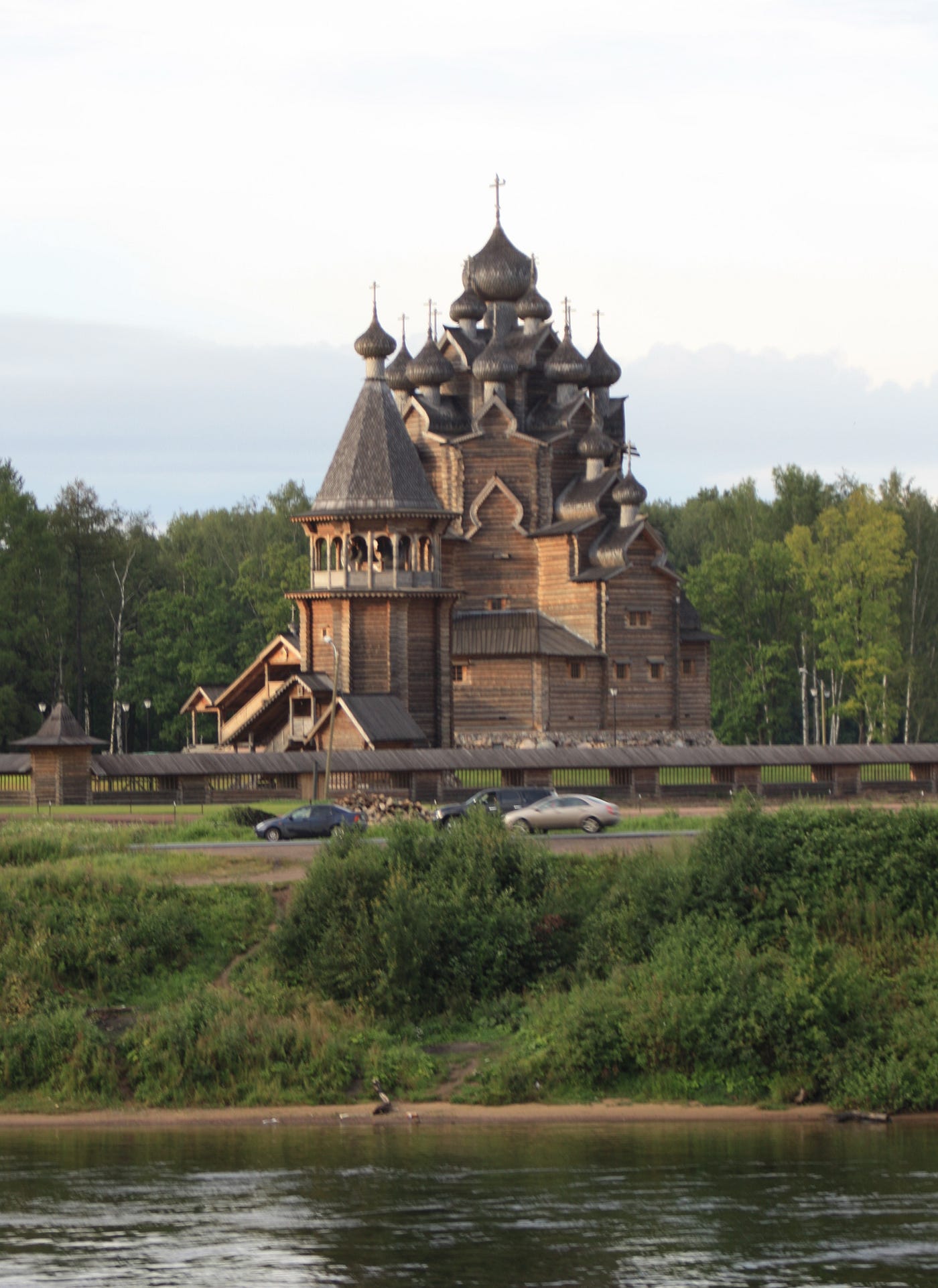
Active Church taken from the boat as we cruise south on the Volga River
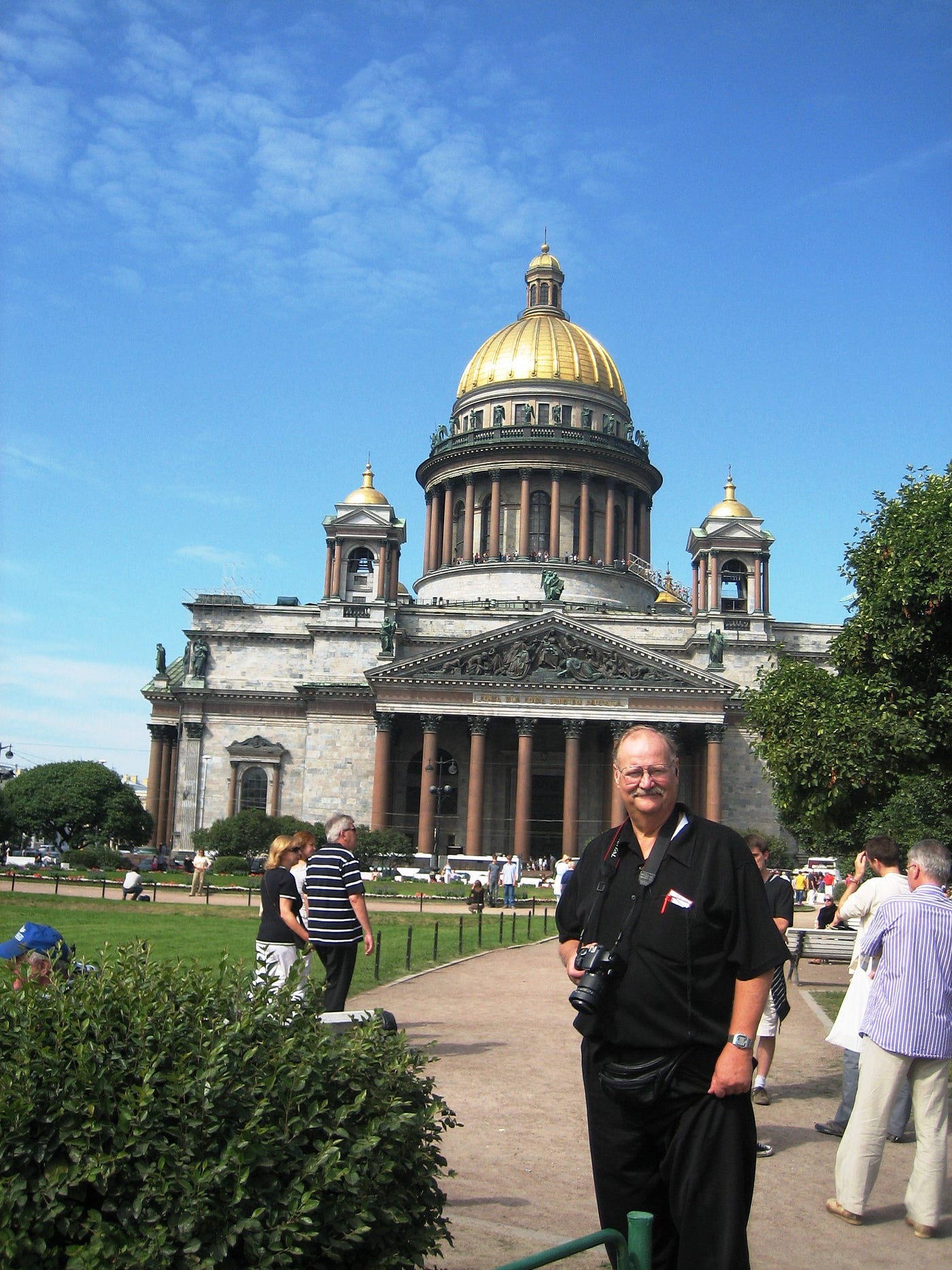
St Issac’s Cathedral in St. Petersburg
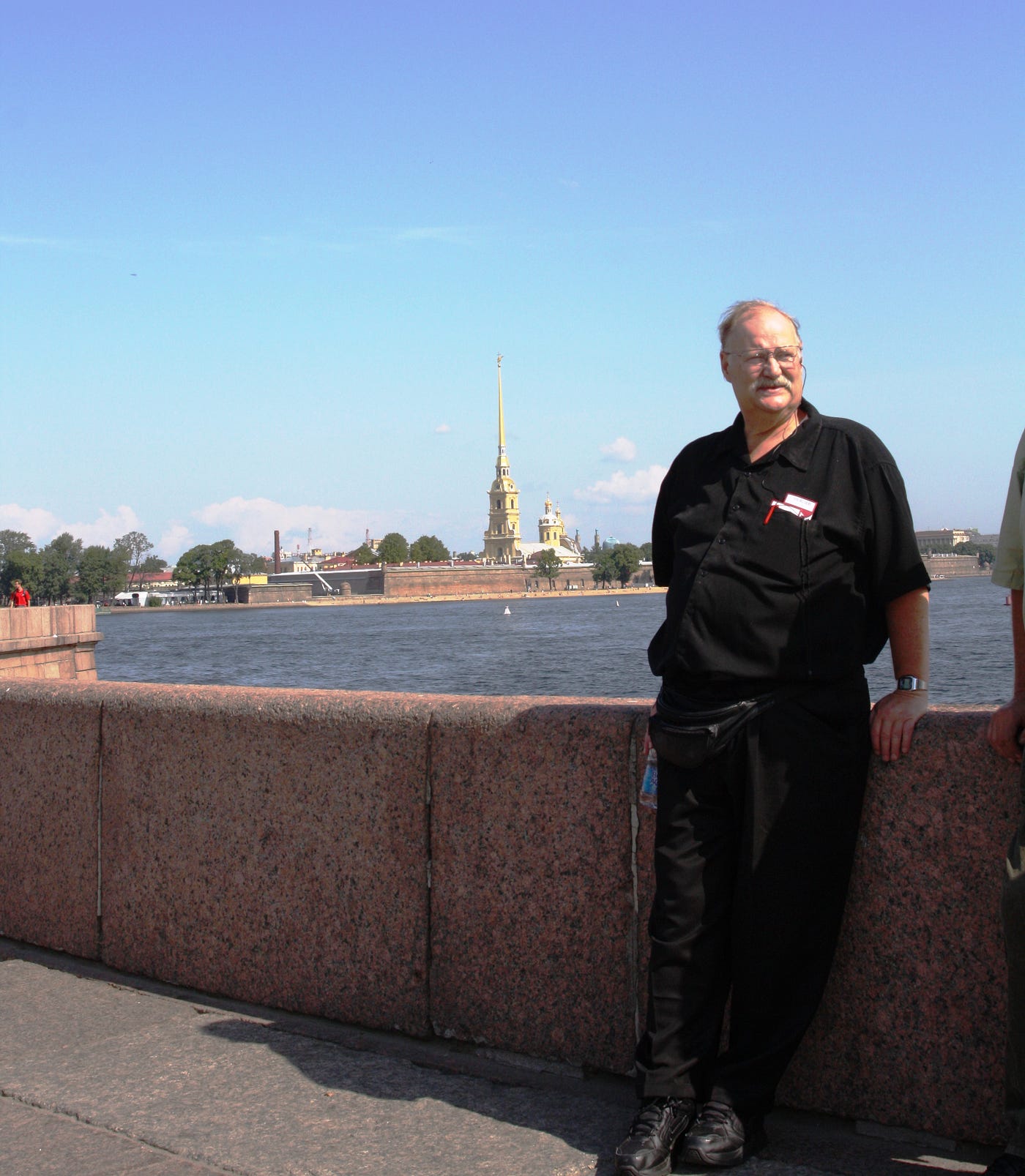
Sea Wall looking across the Neva River to the Peter and Paul Fortress in St. Petersburg

Summer Palace Cathedral Dome

Church Spire in Uglich

The Bolshoi closed for renovations
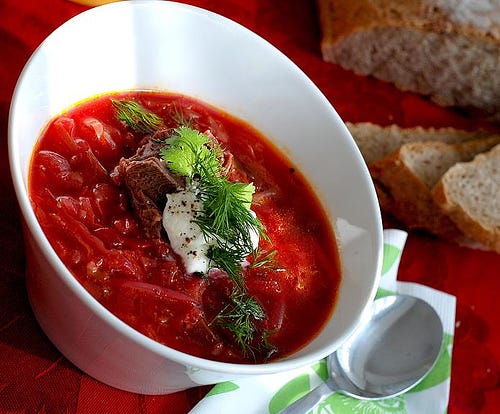
Traditional Borscht
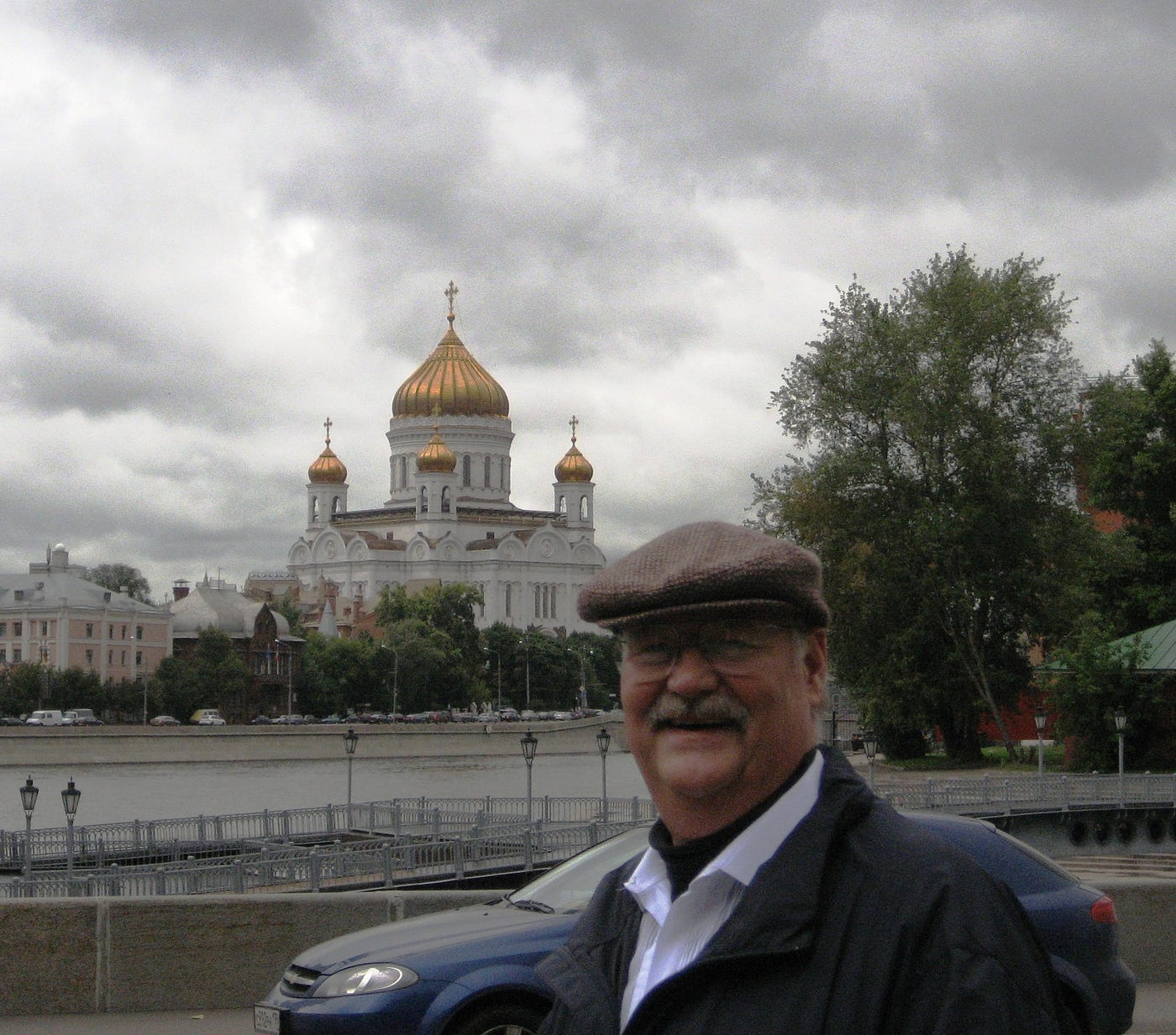
Church of Our Saviors in Moscow

Church of the Czars inside the Kremlin in Moscow

Lenin’s Tomb in the Kremlin Wall in Moscow
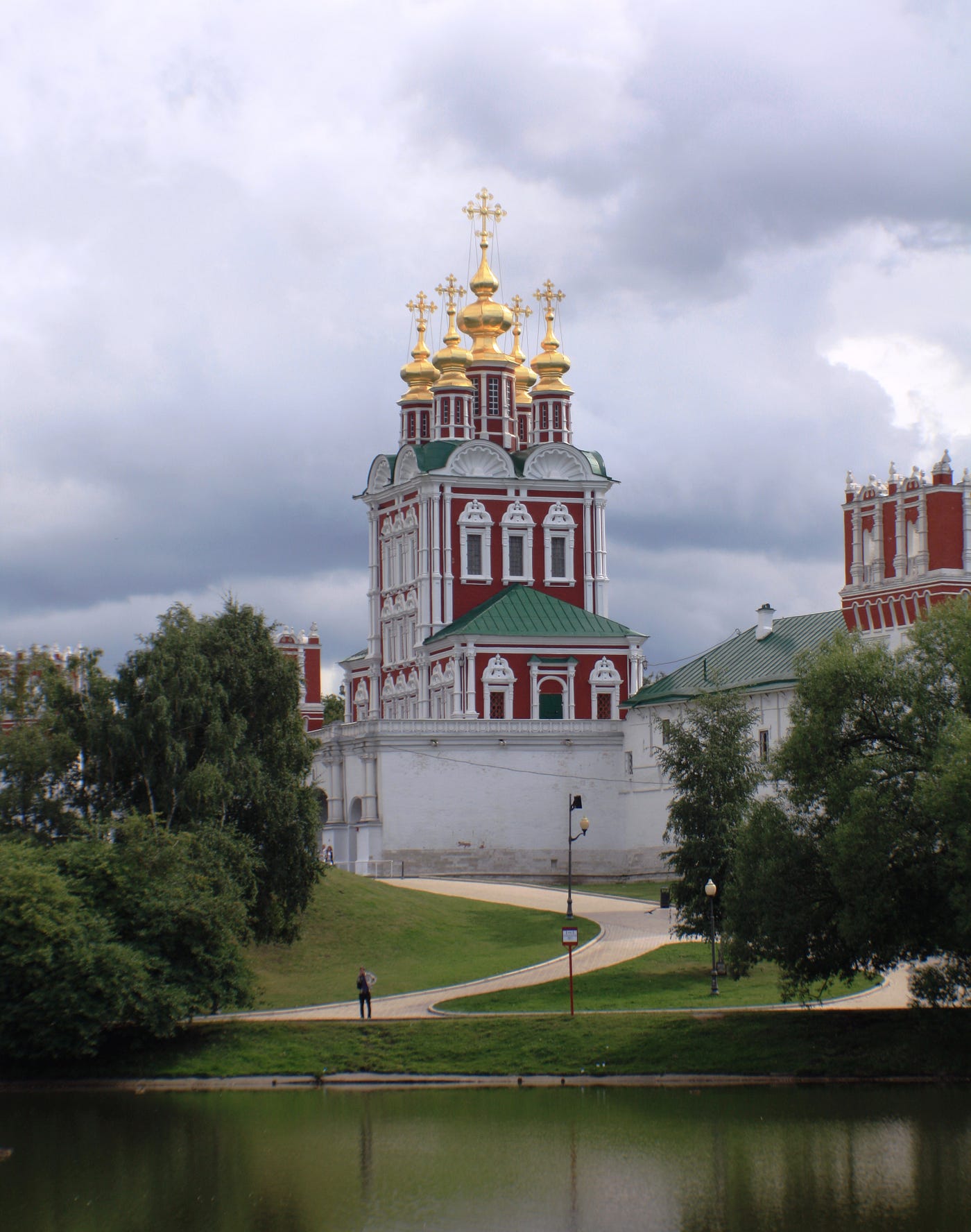
Novodecky Convent in Moscow
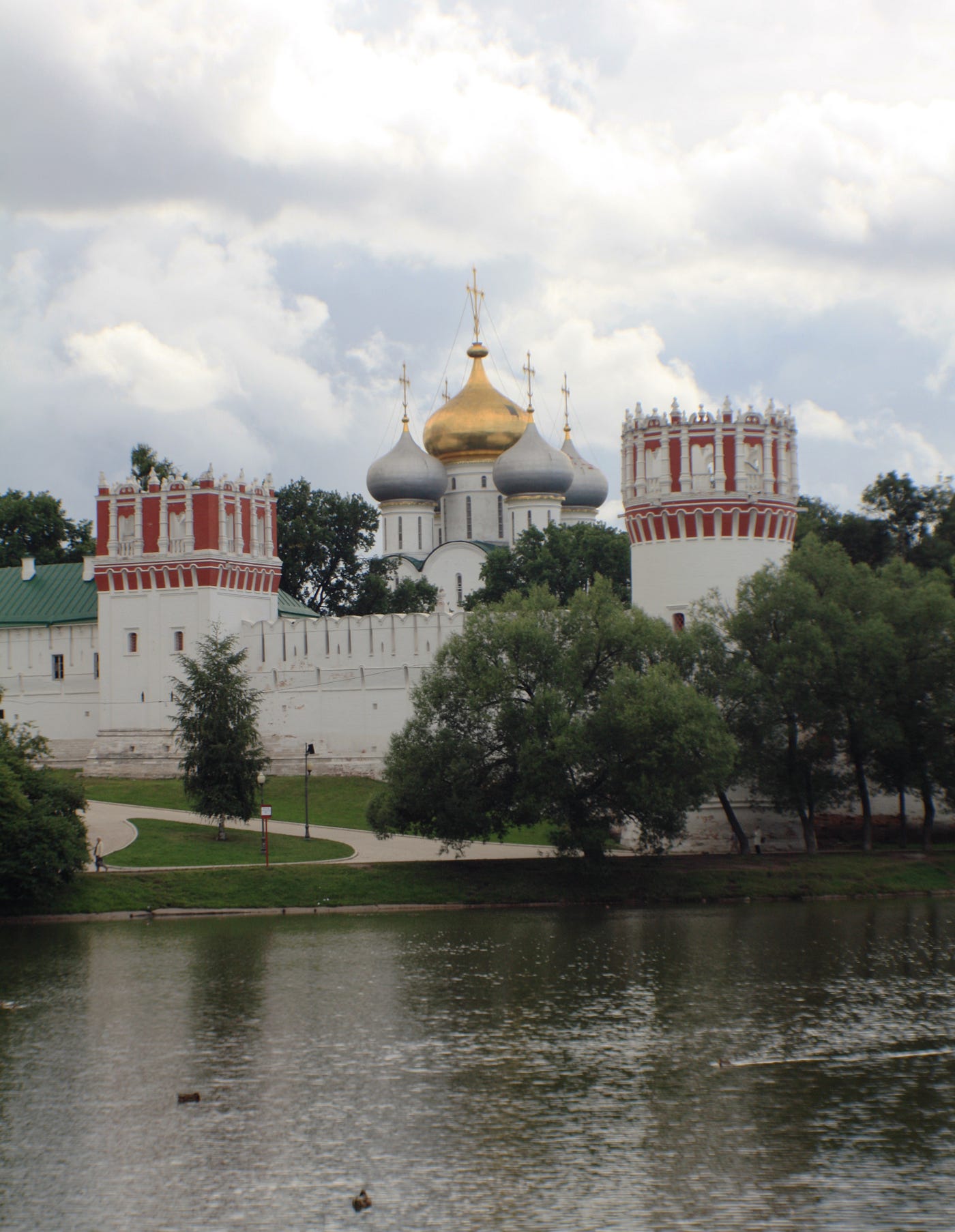
Novodecky Convent in Moscow
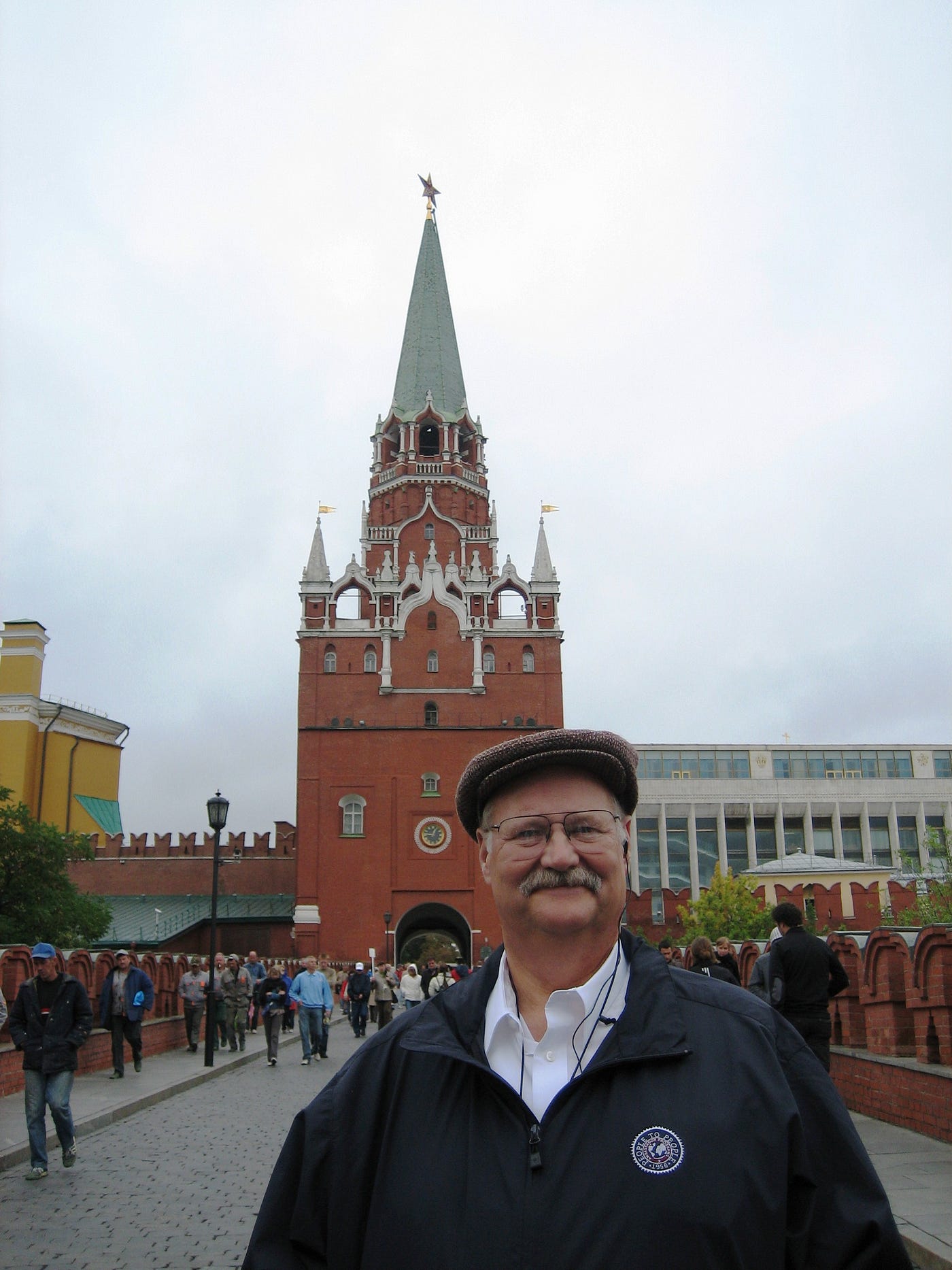
Red Square in Moscow
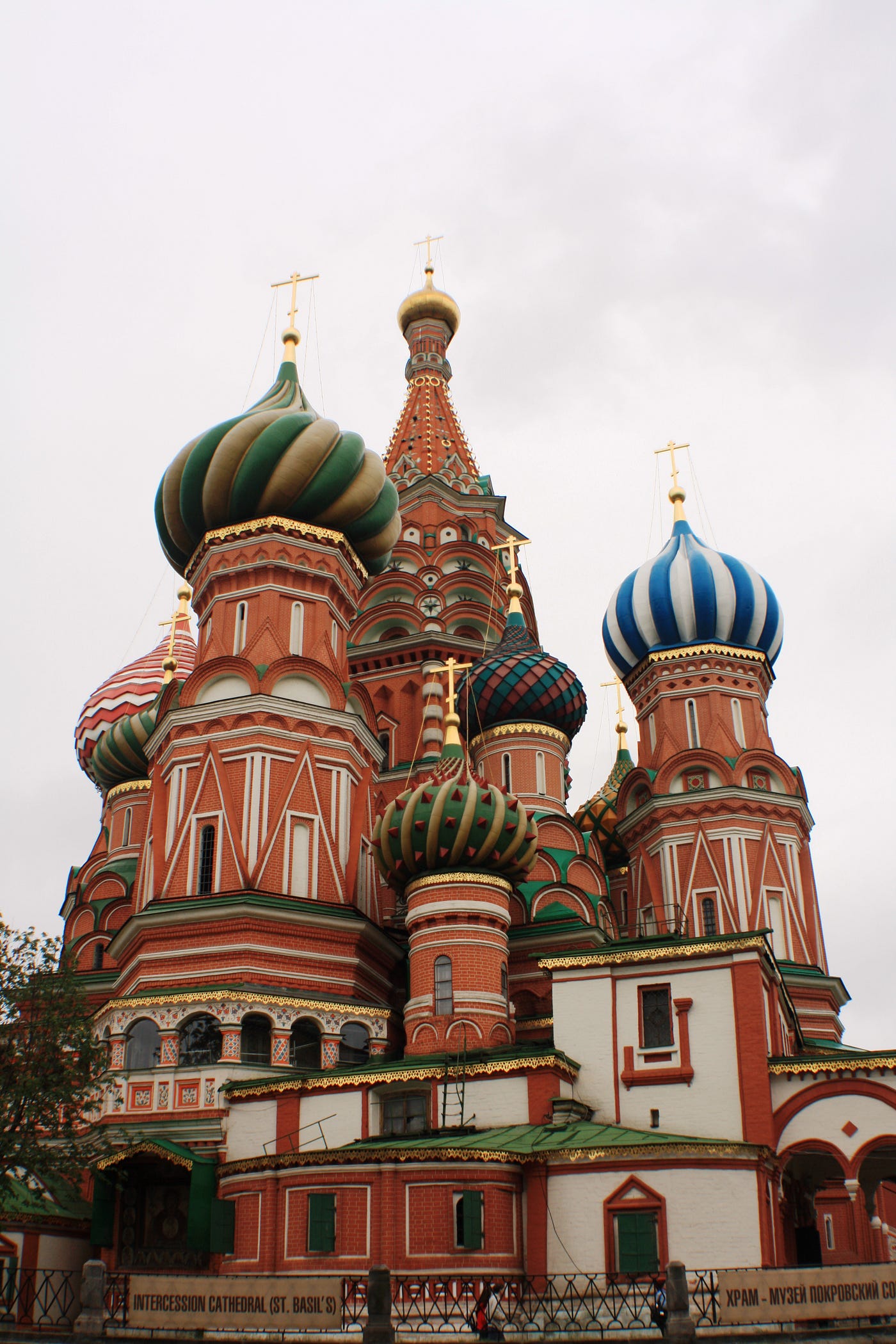
St. Basil’s Cathedral in Red Square

Who wants to try a Crapdos!s? Not me!!
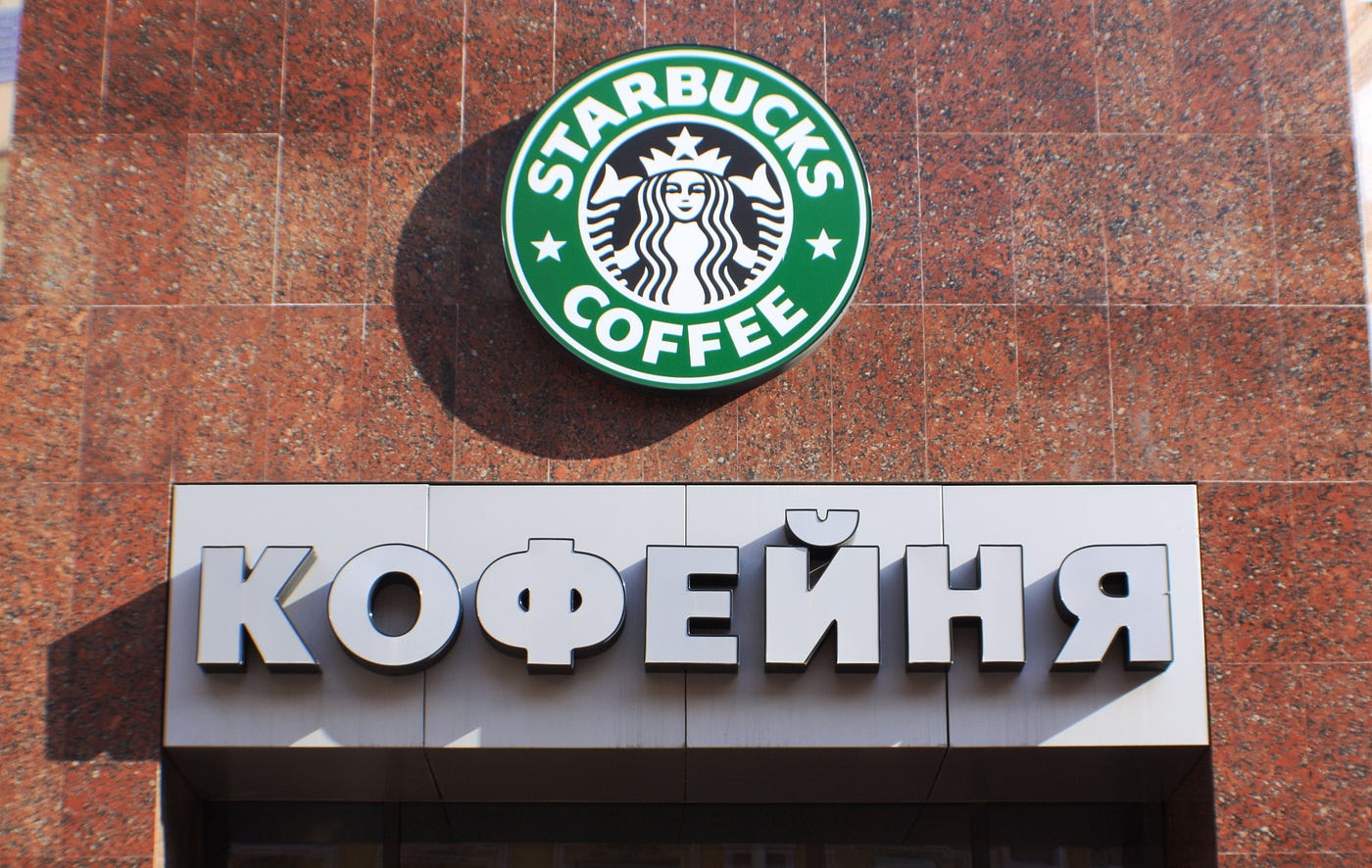
Starbucks is all over Moscow, as is McDonalds and KFC
메타데이터
- post_id
- 166caabc3bc8
- slug
- my-trip-to-russia-166caabc3bc8
- url
- https://medium.com/@rotiguy/my-trip-to-russia-166caabc3bc8
- canonical_url
- https://medium.com/@rotiguy/my-trip-to-russia-166caabc3bc8
- author_url
- https://medium.com/@rotiguy
- status
- ok
- fetched_at
- 2026-06-26 03:39:16