When the Systems Says “Sorry, We Can’t Help”: A Reflection on Bureaucracy and the Vulnerability of…
“We do not need superheroes to protect children — we need systems that listen, believe, and act.”

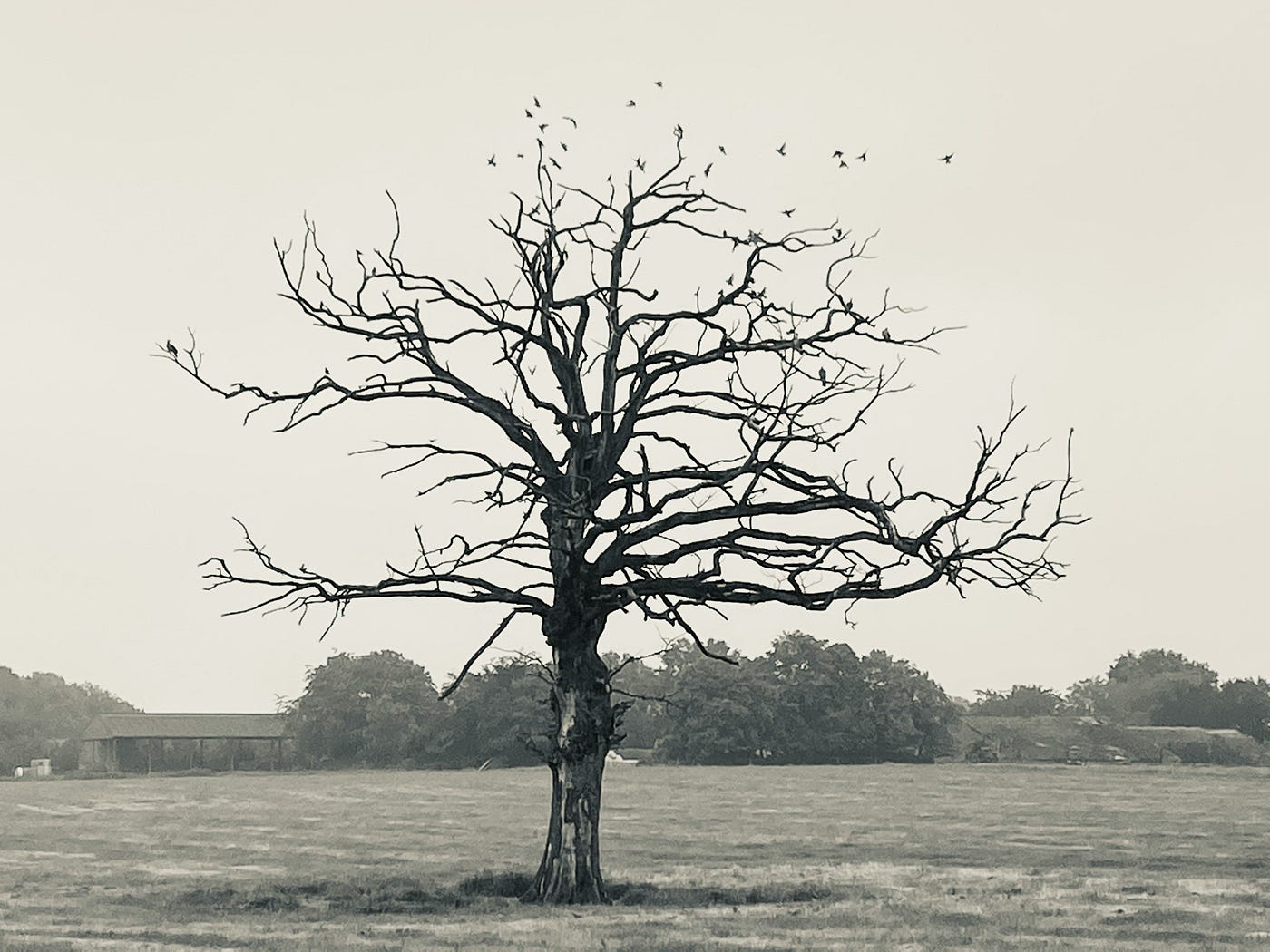
Photo by Brett Sayles / Pexels
When the Systems Says “Sorry, We Can’t Help”: A Reflection on Bureaucracy and the Vulnerability of Survivors
“We do not need superheroes to protect children. We need systems that listen, believe, and act.”
He was just a kid, sitting alone on the side of the street, knees pulled close, head down. No one asked what he needed. No one stopped. Some people looked, some didn’t. Most assumed someone else would help. But when a child is in distress, the silence around him speaks volumes. And sometimes, so does the system.
This story is not about one child. It is a story about many. Many children, teenagers, and survivors of abuse turn to official institutions hoping to find safety. What they often encounter instead is a gatekeeper of procedures, forms, and hesitation. They are told they must wait for a review, that their guardian must be present, that the issue might be better resolved within the family, or to come back next week. For someone living in fear, next week can be too late.
In many child protection offices, the first obstacle is not the perpetrator, it is the process itself. Survivors are asked to retell painful stories multiple times. They are asked to prove what happened as if trauma leaves neatly organized paperwork. This is not about blaming individuals. It is about recognizing how rigid systems can replicate harm through indifference, delay, or emotional detachment. A child who gathers the courage to speak up should be met with urgency, not instructions.
When survivors feel ignored, the consequences are profound. They may stop asking for help, return to dangerous environments, or begin to believe their suffering is not worth attention. For many, that moment of silence from the system becomes a lifelong echo.
International human rights principles emphasize a survivor-centered approach. Survivors should be met with quick responses, sensitivity, and empathy. These values are meaningless if they are not practiced where it matters most, on the frontlines where survivors first seek help. Institutions must ask themselves whether they are truly places of protection or simply buildings filled with procedures. Do they listen more to policies than to people?
A child in pain does not need perfect solutions. They need someone who says, “You are safe here. We believe you. Let us help you now.” Systems are built by people, which means they can be rebuilt with urgency, care, and survivors at the center. Bureaucracy should never be louder than a child’s cry for help.
메타데이터
- post_id
- 16d35eb70f91
- slug
- when-the-systems-says-sorry-we-cant-help-a-reflection-on-bureaucracy-and-the-vulnerability-of-16d35eb70f91
- url
- https://medium.com/@vairanimarchia/when-the-systems-says-sorry-we-cant-help-a-reflection-on-bureaucracy-and-the-vulnerability-of-16d35eb70f91
- canonical_url
- https://medium.com/@vairanimarchia/when-the-systems-says-sorry-we-cant-help-a-reflection-on-bureaucracy-and-the-vulnerability-of-16d35eb70f91
- author_url
- https://medium.com/@vairanimarchia
- status
- ok
- fetched_at
- 2026-08-31 18:49:28