End of critical thinking?
एक interesting बात है जो हमारे समय की सबसे बड़ी tragedy को perfectly reflect करती है -एक fact से 50 intellectuals को चुप कराया जा सकता है…
End of critical thinking?
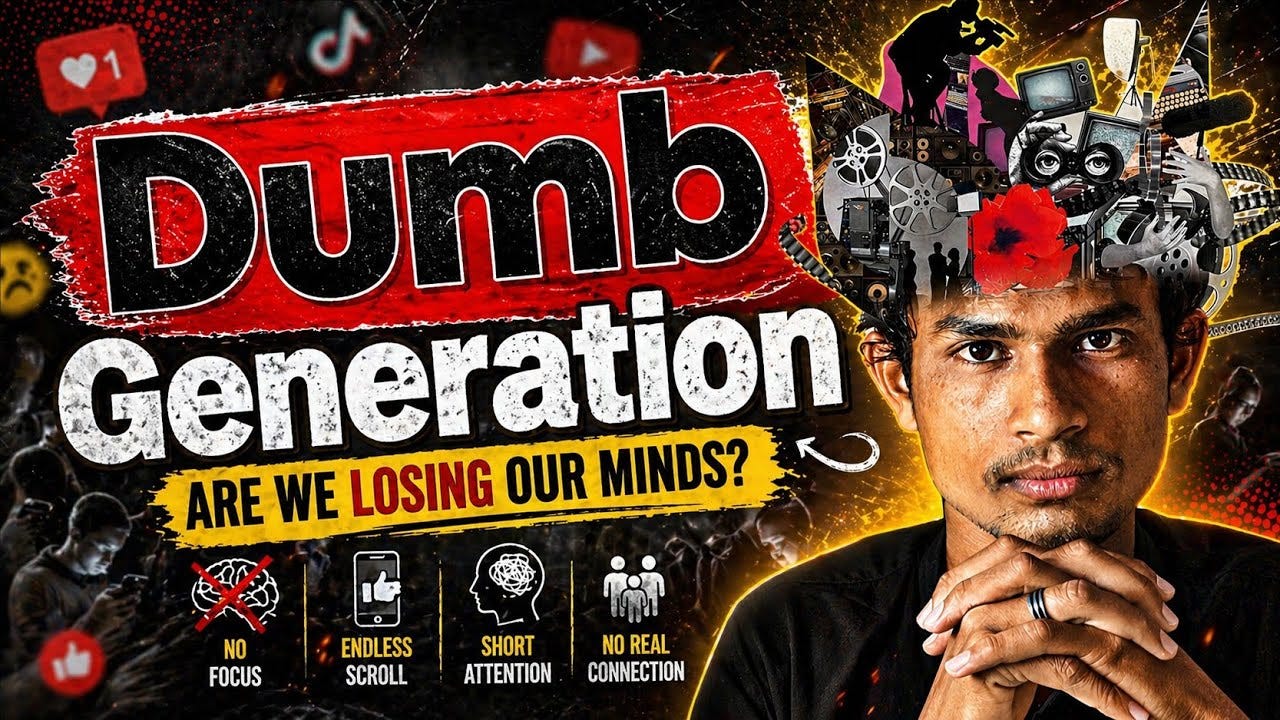
एक interesting बात है जो हमारे समय की सबसे बड़ी tragedy को perfectly reflect करती है -एक fact से 50 intellectuals को चुप कराया जा सकता है, लेकिन 50 facts से एक मूर्ख को नहीं। जब critical thinking खत्म होती है तो mass stupidity अपने आप बढ़ने लगती है। ऐसी दुनिया में हर कोई confident होता है कि वही सही है। Opinion logic से ज़्यादा powerful हो जाती है और emotions proof से ज़्यादा dominant। लेकिन असली सवाल यह है कि ऐसा क्यों हो रहा है? बचपन में इतने numbers याद होते थे, अब अपना phone number भी याद नहीं रहता। हमारे समय में critical thinking इतनी तेज़ी से क्यों खत्म हो रही है? लेकिन यह समझने से पहले कि यह extinct क्यों हो रही है, एक moment के लिए पीछे मुड़कर देखना ज़रूरी है। आखिर critically सोचने का मतलब क्या होता है? क्योंकि सच यह है कि हम सब सोचते हैं, लेकिन क्या हम सच में critically सोचते हैं? आलोचनात्मक सोच सिर्फ ज़्यादा सोचने का नाम नहीं है -यह एक disciplined habit है। Assumptions को question करना, proof ढूंढना, और किसी भी belief को accept करने से पहले उसे logic से test करना। आसान शब्दों में, यह खुद को बेवकूफ बनने से बचाने की कला है-दूसरों से भी और अपने ही दिमाग से भी। इसकी जड़ें 2500 साल पहले ancient Greece तक जाती हैं। Socrates सीधे जवाब देने के बजाय सवाल पूछते थे -ऐसे सवाल जो uncomfortable हों, जो सामने वाले की सोच को हिला दें। उन्होंने कहा था: “मैं सिर्फ इतना जानता हूँ कि मैं कुछ नहीं जानता।”(All I know is that I know nothing.) यही humility critical thinking की foundation है। लेकिन Socrates को इसकी भारी कीमत चुकानी पड़ी। 399 BC में उन पर आरोप लगाया गया कि वो युवाओं को भटका रहे हैं। असल में उनका crime सिर्फ इतना था कि वो सवाल पूछते थे -और society को यह पसंद नहीं आया। उन्हें death sentence दे दी गई। लेकिन उनकी सोच खत्म नहीं हुई। Plato और Aristotle ने इस tradition को आगे बढ़ाया और Aristotle ने formal logic develop किया -एक ऐसा system जिससे किसी भी argument की validity check की जा सके। यह tradition सिर्फ पश्चिम तक सीमित नहीं थी। Gautam Buddha ने Kalama Sutra में कहा था -किसी बात को सिर्फ इसलिए मत मानो क्योंकि कोई authority कह रही है या किसी text में लिखा है। खुद experience करो, खुद verify करो। यह 2500 साल पुरानी बात आज की scientific method से बिल्कुल match करती है। Swami Vivekananda ने भी blind belief के खिलाफ जाकर कहा कि truth समझने के लिए reasoning और personal experience दोनों ज़रूरी हैं। India के Nyaya school of philosophy ने तो logic और epistemology का पूरा framework develop किया था। Enlightenment period में Kant ने कहा “Sapere Aude” -खुद सोचने की हिम्मत रखो। Descartes ने कहा -हर चीज़ पर doubt करो जब तक किसी ऐसे truth तक न पहुँचो जिसे doubt न किया जा सके। धीरे-धीरे critical thinking science, democracy और innovation की backbone बन गई।
메타데이터
- post_id
- 16d56a4671d1
- slug
- end-of-critical-thinking-16d56a4671d1
- url
- https://medium.com/@dilipnarvariya058/end-of-critical-thinking-16d56a4671d1
- canonical_url
- https://medium.com/@dilipnarvariya058/end-of-critical-thinking-16d56a4671d1
- author_url
- https://medium.com/@dilipnarvariya058
- status
- ok
- fetched_at
- 2026-07-10 21:04:09