The Biology of Cancer, 3rd Edition Review
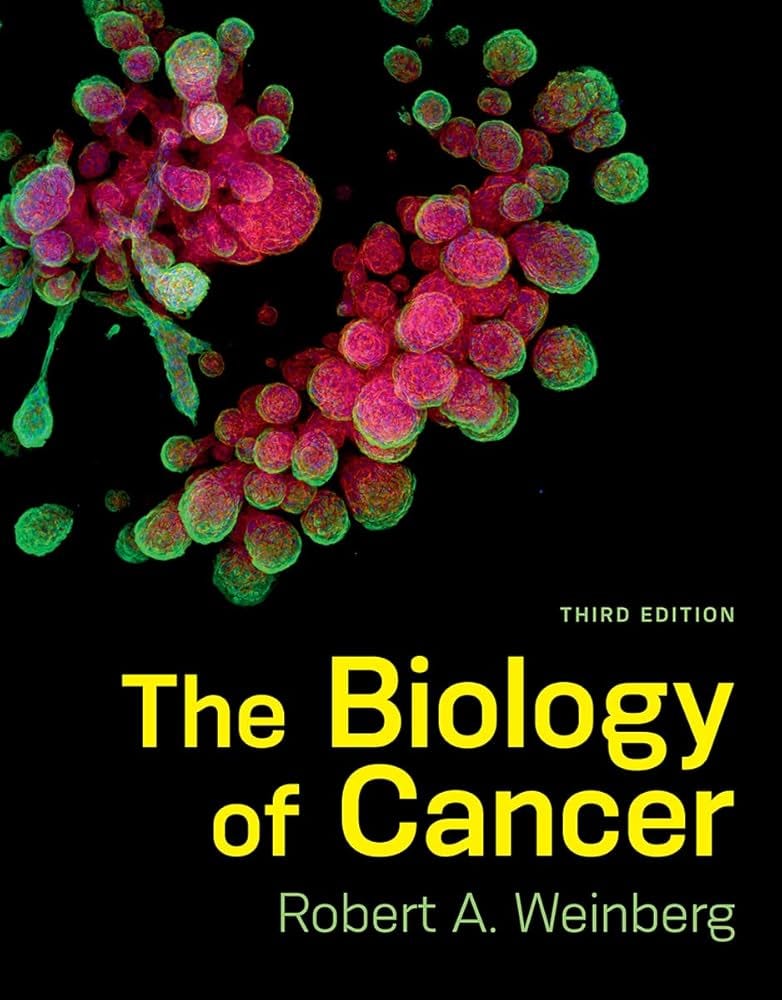
What is The Biology of Cancer, 3rd Edition?
The Biology of Cancer, 3rd Edition Review
What is The Biology of Cancer, 3rd Edition?
The Biology of Cancer, 3rd Edition, is a comprehensive oncology and cancer biology textbook designed for medical students, researchers, oncologists, and biomedical scientists. It explains the molecular and cellular mechanisms of cancer development, tumor progression, immunology, genomics, and modern cancer therapies using evidence-based scientific principles.
Introduction
Cancer biology has evolved dramatically over the past few decades, transforming from a largely descriptive discipline into one deeply rooted in molecular genetics, cellular biology, genomics, and immunology.
The Biology of Cancer, 3rd Edition, stands among the most respected and influential textbooks in modern oncology education, offering an in-depth exploration of how cancers arise, progress, evade immune defenses, and respond to treatment.
This textbook is widely recognized for bridging fundamental molecular biology with clinically relevant oncology concepts.
Rather than focusing solely on clinical management, the book emphasizes the biological foundations of malignant disease, helping readers understand the mechanisms that drive tumor development and therapeutic resistance.
The third edition incorporates major advances in cancer genomics, immunotherapy, tumor microenvironment research, and targeted therapeutics.
It is particularly valuable for medical students, graduate students, oncology trainees, cancer researchers, and healthcare professionals seeking a scientifically rigorous understanding of cancer pathogenesis.
The book’s structure progresses logically from genetics and cellular biology to oncogenes, tumor suppressor genes, metastasis, immunology, and rational cancer treatment strategies. This makes it both a foundational educational resource and an advanced reference for modern oncology education.
WHAT THIS BOOK COVERS
Foundations of Cancer Biology
The book begins by establishing the biological and genetic principles underlying normal cellular function and malignant transformation. Early chapters discuss Mendelian genetics, gene expression, chromatin regulation, RNA biology, and molecular evolution.
The text explains how modern cancer research emerged from advances in molecular biology and genetics, emphasizing the importance of DNA structure, gene regulation, and cellular signaling pathways in understanding tumor biology.
Nature and Development of Cancer
Several chapters focus on the origins of tumors, carcinogenesis, and cancer epidemiology. The textbook discusses the following:
- Tumor classification
- Progressive cancer development
- Environmental carcinogens
- Mutagenesis
- Lifestyle-related cancer risks
- Viral and infectious causes of cancer
The chapter on infectious disease and cancer explores tumor viruses, retroviral oncogenes, and the discovery of proto-oncogenes.
Oncogenes and Tumor Suppressor Genes
One of the major strengths of this textbook is its detailed explanation of oncogenic signaling and tumor suppressor biology.
The book covers:
- Proto-oncogene activation
- Ras signaling
- Growth factor receptors
- Tyrosine kinases
- Cell cycle regulation
- pRb pathway
- p53 tumor suppression
- DNA repair systems
These chapters explain how genetic mutations disrupt normal cellular homeostasis and lead to uncontrolled proliferation.
The section on p53 is especially detailed, discussing apoptosis, DNA damage responses, senescence, and tumor progression.
Cancer Genomics and Tumor Evolution
The textbook provides extensive coverage of genomic instability and tumor evolution. Topics include:
- DNA repair pathways
- Mutational burden
- Chromosomal abnormalities
- Driver vs passenger mutations
- Tumor heterogeneity
- Cancer genome sequencing
The discussion of cancer genomics reflects the major advances in precision oncology and next-generation sequencing technologies.
Tumor Microenvironment and Angiogenesis
An important modern aspect of oncology education is understanding the tumor microenvironment. The book explains:
- Stromal interactions
- Extracellular matrix biology
- Angiogenesis
- Immune cell interactions
- Tumor-associated macrophages
- Endothelial signaling
These concepts are critical for understanding metastatic disease and anti-angiogenic therapies.
Metastasis and Cancer Progression
The metastasis chapter provides an advanced discussion of:
- Epithelial–mesenchymal transition (EMT)
- Tumor invasion
- Intravasation
- Circulating tumor cells
- Metastatic colonization
- Organ-specific metastasis
The book thoroughly explains why metastasis remains one of the most challenging aspects of cancer treatment.
Tumor Immunology and Immunotherapy
The third edition includes extensive coverage of modern cancer immunology and immunotherapy, including:
- Immune surveillance
- Tumor antigens
- Immune checkpoints
- CAR T-cell therapy
- Monoclonal antibodies
- Checkpoint inhibitors
- Therapeutic vaccination
These sections reflect the transformative impact of immunotherapy in oncology practice.
Rational Cancer Treatment
The final section addresses the scientific rationale behind modern cancer therapies, including:
- Chemotherapy principles
- Targeted therapies
- Synthetic lethality
- Drug development
- Clinical trials
- Therapeutic resistance
- EGFR inhibitors
- Proteasome inhibitors
- BRAF-targeted therapies
The text integrates laboratory science with translational oncology concepts.
Key Features
- Comprehensive molecular and cellular oncology coverage
- Strong emphasis on mechanistic understanding
- Extensive discussion of cancer genetics and genomics
- Detailed illustrations and conceptual explanations
- Up-to-date immunotherapy content
- Integration of basic science with translational medicine
- Logical chapter progression from fundamentals to therapeutics
- Advanced discussion of signaling pathways
- Evidence-based scientific approach
- Suitable for both coursework and independent study
Who Should Read This Book
Medical Students
Students interested in oncology, pathology, molecular medicine, or biomedical research will benefit from the book’s foundational explanations.
Residents and Oncology Trainees
Residents in oncology, pathology, hematology, and internal medicine can use the book to deepen their understanding of tumor biology and therapeutics.
Biomedical Researchers
Graduate students and laboratory researchers will appreciate the detailed exploration of signaling pathways, genomics, and experimental cancer biology.
Oncology Specialists
Clinicians seeking a mechanistic understanding of modern targeted therapies and immunotherapy can use this textbook as a reference resource.
Exam Candidates
The book may be useful for advanced oncology-related coursework and graduate-level examinations, especially in molecular oncology and cancer biology programs.
Why This Book Is Useful
Strong Scientific Foundation
The textbook provides a rigorous explanation of the biological principles underlying malignant transformation. It explains not only what occurs in cancer but also why it occurs mechanistically.
Clinically Relevant Concepts
Although primarily a cancer biology textbook, the content has direct relevance to modern oncology practice, especially in areas such as:
- Precision oncology
- Immunotherapy
- Molecular diagnostics
- Targeted treatment strategies
Excellent Integration of Research and Medicine
The book successfully connects laboratory discoveries with clinical applications. This makes it especially valuable for translational medicine education.
Useful for Modern Oncology Education
The inclusion of cancer genomics, immune checkpoint inhibition, and CAR T-cell therapy reflects current oncology advances and modern cancer treatment paradigms.
Table of Contents Overview
Major sections include:
- The Biology and Genetics of Cells and Organisms
- The Nature of Cancer
- Cancer as an Infectious Disease
- Cellular Oncogenes
- Growth Factors, Receptors, and Cancer
- Cytoplasmic Signaling Circuitry
- Tumor Suppressor Genes
- pRb and Cell Cycle Control
- p53 and Apoptosis
- Cell Immortalization and Tumorigenesis
- Multi-Step Tumorigenesis
- Cancer Genomics
- Tumor Microenvironment and Angiogenesis
- Invasion and Metastasis
- Tumor Immunology
- Cancer Immunotherapy
- Rational Treatment of Cancer
Strengths of the Book
One of the greatest strengths of The Biology of Cancer is its depth and scientific rigor. The text provides exceptionally detailed explanations of molecular pathways while remaining educationally structured and readable.
Additional strengths include:
- Comprehensive integration of genetics, molecular biology, and oncology
- High-quality scientific illustrations
- Strong organization and conceptual flow
- Coverage of contemporary cancer research topics
- Detailed explanations of signaling pathways and tumor progression
- Excellent discussion of immunotherapy and cancer genomics
The textbook is particularly respected for explaining complex molecular concepts in a logical, academically coherent way.
Limitations
While highly comprehensive, the book may be challenging for readers without a strong background in molecular biology or genetics.
Additional potential limitations include the following:
- Dense scientific detail in advanced chapters
- Less focus on bedside clinical management compared with clinical oncology handbooks.
- A large volume of material may be overwhelming for beginners
However, these limitations are largely expected for a graduate-level oncology and cancer biology reference.
Comparison With Similar Books
Compared with shorter oncology review books, The Biology of Cancer provides substantially deeper mechanistic and molecular detail.
Compared with pathology-focused oncology texts, this book emphasizes the following:
- Molecular signaling
- Genetic mechanisms
- Experimental biology
- Tumor evolution
- Cancer genomics
It is often considered more research-oriented than clinically oriented oncology manuals, making it particularly valuable for academic and scientific study.
메타데이터
- post_id
- 16e4de83bd16
- slug
- the-biology-of-cancer-3rd-edition-review-16e4de83bd16
- url
- https://medium.com/@randadesigns4u/the-biology-of-cancer-3rd-edition-review-16e4de83bd16
- canonical_url
- https://medium.com/@randadesigns4u/the-biology-of-cancer-3rd-edition-review-16e4de83bd16
- author_url
- https://medium.com/@randadesigns4u
- status
- ok
- fetched_at
- 2026-06-09 15:37:30