You’re Pouring These Liquids Down Your Sink And Quietly Damaging Your Home and the Planet
Scientists warn that common household liquids clog pipes, contaminate water, and bypass wastewater treatment. Here’s what should never go…
You’re Pouring These Liquids Down Your Sink And Quietly Damaging Your Home and the Planet
Scientists warn that common household liquids clog pipes, contaminate water, and bypass wastewater treatment. Here’s what should never go down your sink and why it matters.
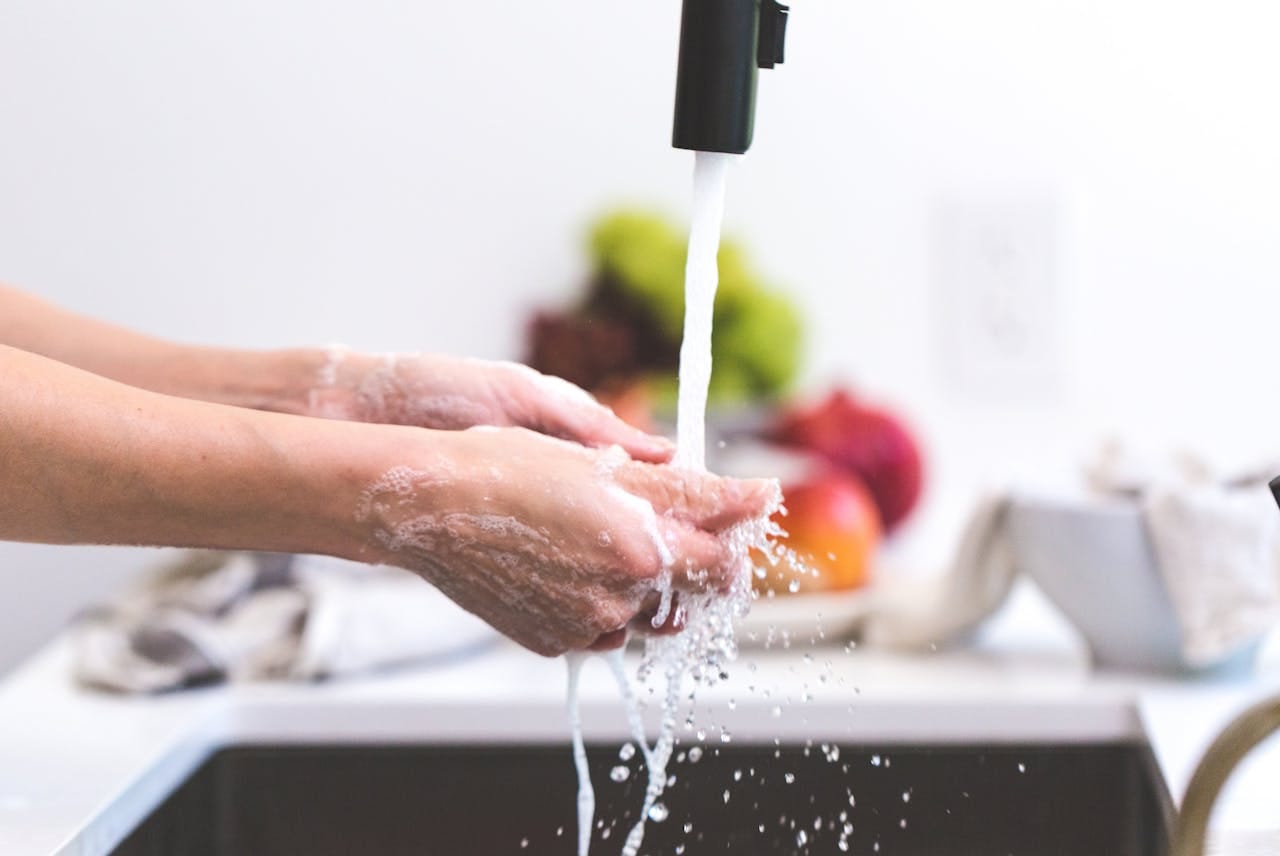
Photo by Burst on Pexels
Every day, millions of households unknowingly damage their plumbing and pollute the environment, simply by pouring the wrong liquids down the sink. What disappears in seconds can quietly cause years of damage beneath our homes and far beyond them.
From cooking oils and cleaning chemicals to paints and unused medicines, many liquids we assume are harmless trigger serious long‑term consequences once they enter drainage systems.
Modern wastewater treatment plants are not designed to neutralize many household chemicals. As a result, these substances often pass straight through treatment processes and end up in rivers, lakes, groundwater, and even drinking water supplies.
This isn’t just a plumbing issue. It’s a public health, environmental, and infrastructure problem, one that starts inside ordinary homes and spreads silently through entire water systems.
This scientific review explains which household liquids are dangerous, why they matter scientifically, and how to dispose of them responsibly, based on environmental research.
1. Cooking oil, grease & animal fats

Photo by Ron Lach on Pexels
Why it’s a problem
Hot oils may look harmless as liquids, but once they cool inside pipes, they solidify. Over time, they form thick layers that trap debris, leading to stubborn clogs and sewage backups.
On a city scale, fats, oils, and grease (FOG) combine to create massive sewer obstructions known as fatbergs, costing municipalities millions in maintenance and emergency cleanup.
Environmental impact
FOG disrupts wastewater treatment efficiency and contributes to sewer overflows that contaminate natural water bodies.
Safer disposal
- Let oil cool and solidify
- Store it in a sealed container
- Dispose with household waste or recycle where available
2. Harsh cleaning chemicals (bleach, ammonia, drain cleaners)

Photo by Matilda Wormwood on Pexels
Scientific concern
Many cleaning agents contain corrosive or highly reactive compounds. Mixing or flushing them can release toxic gases and gradually damage plumbing infrastructure.
Wastewater treatment plants cannot fully neutralize these substances, allowing chemical residues to reach aquatic ecosystems where they harm microorganisms, fish, and amphibians.
Safer disposal
- Use only recommended quantities
- Never mix cleaning products
- Take unused chemicals to hazardous‑waste facilities
3. Paints, solvents & varnishes

Photo by David Renken on Pexels
Why science says “No”
Paints and solvents contain volatile organic compounds (VOCs) and heavy metals that persist in water. These chemicals interfere with wastewater treatment processes and contribute to air and water pollution.
Environmental risk
Even small amounts can contaminate groundwater and pose long‑term risks to both human and ecosystem health.
Safer disposal
- Let paint dry completely before disposal
- Use absorbent materials for leftovers
- Utilize municipal hazardous‑waste programs
What makes these liquids especially dangerous is that most wastewater systems were never designed to remove them, meaning the problem doesn’t end at your sink.
4. Medications & pharmaceutical liquids

Photo by cottonbro studio on Pexels
A hidden pollution source
Unused medicines poured down the sink often pass through treatment plants unchanged. Studies have detected pharmaceutical residues in rivers, fish tissues, and even treated drinking water.
Why it matters
These trace compounds can disrupt hormone systems in wildlife and contribute to antibiotic resistance, a growing global health concern.
Safer disposal
- Use pharmacy take‑back programs
- Follow local medication disposal guidelines
- Never flush unless explicitly instructed
5. Automotive fluids (motor oil, antifreeze, brake fluid)

Photo by Gera Cejas on Pexels
Toxic by design
Automotive liquids contain heavy metals and toxic chemicals that are highly persistent and extremely harmful to both humans and aquatic life.
A single liter of motor oil can contaminate millions of liters of freshwater.
Safer disposal
- Take fluids to certified automotive recycling centers
- Use municipal hazardous‑waste facilities
6. Pesticides & herbicides

Photo by Dinuka Gunawardana on Pexels
Ecological impact
Designed to kill living organisms, pesticides remain chemically active in water systems. Once introduced, they disrupt food chains, reduce biodiversity, and bioaccumulate in aquatic species.
Safer disposal
- Use products strictly as directed
- Never pour leftovers into drains
- Dispose through authorized collection programs
7. Food based liquids (milk, coffee grounds, starchy waste)

Photo by Greta Hoffman on Pexels
Not harmless at scale
While biodegradable, large quantities of milk, coffee residues, and starchy liquids feed bacteria inside pipes, contributing to odors, slime buildup, and blockages.
Safer disposal
- Compost coffee grounds and tea leaves
- Dispose of food liquids gradually
- Avoid dumping large quantities at once
Final thoughts: Small habits, big impact

Photo by Curtis Adams on Pexels
Your sink connects directly to a larger water system that supports ecosystems, agriculture, and human health. Treating it as a disposal shortcut creates hidden damage, both inside your home and far beyond it.
By understanding which household liquids should never go down the sink, you help:
✅ Protect plumbing systems ✅ Reduce wastewater treatment strain ✅ Prevent environmental contamination ✅ Promote sustainable household habits
Responsible disposal isn’t just good household practice, it’s one of the simplest ways individuals can protect water systems, ecosystems, and future generations.
✍️ Author’s note …
Thanks for reading!
If this article helped you rethink what really happens after liquids go down the sink, I’d love to hear your thoughts. I’m a science enthusiast and innovation seeker, sharing evidence based insights that connect everyday choices with environmental and human health.
Your claps👏, highlights, and shares help this knowledge reach more readers and together, we can make science driven awareness part of daily life.
Follow me on Medium for more science backed articles exploring how everyday habits, innovation, and environmental awareness can help us live smarter and more sustainably.
💛 Enjoyed this article? You can support my work via Buy Me a Coffee by clicking the link below the image 👇 Thank you!

https://www.buymeacoffee.com/SampathManage
References
- U.S. Environmental Protection Agency — What Not to Put Down the Drain URL 👉 https://www.epa.gov/septic/septic-systems-what-not-put-down-drain
- U.S. Environmental Protection Agency — Volatile Organic Compounds and Water Quality URL 👉 https://www.epa.gov/ground-water-and-drinking-water/volatile-organic-compounds-impact-water-quality
- National Institutes of Health — Pharmaceuticals in Drinking Water URL 👉 https://www.ncbi.nlm.nih.gov/pmc/articles/PMC3556615/
- U.S. Environmental Protection Agency — Reducing Hazardous Household Waste URL 👉 https://www.epa.gov/recycle/reducing-hazardous-waste-non-household-sources
- Journal of Environmental Science — Pesticide Contamination in Freshwater Ecosystems URL 👉 https://pubmed.ncbi.nlm.nih.gov/29760233/
메타데이터
- post_id
- 1712c8fd44b2
- slug
- youre-pouring-these-liquids-down-your-sink-and-quietly-damaging-your-home-and-the-planet-1712c8fd44b2
- url
- https://medium.com/@spmanage/youre-pouring-these-liquids-down-your-sink-and-quietly-damaging-your-home-and-the-planet-1712c8fd44b2
- canonical_url
- https://medium.com/@spmanage/youre-pouring-these-liquids-down-your-sink-and-quietly-damaging-your-home-and-the-planet-1712c8fd44b2
- author_url
- https://medium.com/@spmanage
- status
- ok
- fetched_at
- 2026-08-22 00:25:20