Shared Charging Visibility Network
From the Group Technical Solutions for the Electrical Grid
Shared Charging Visibility Network
From the Group Technical Solutions for the Electrical Grid

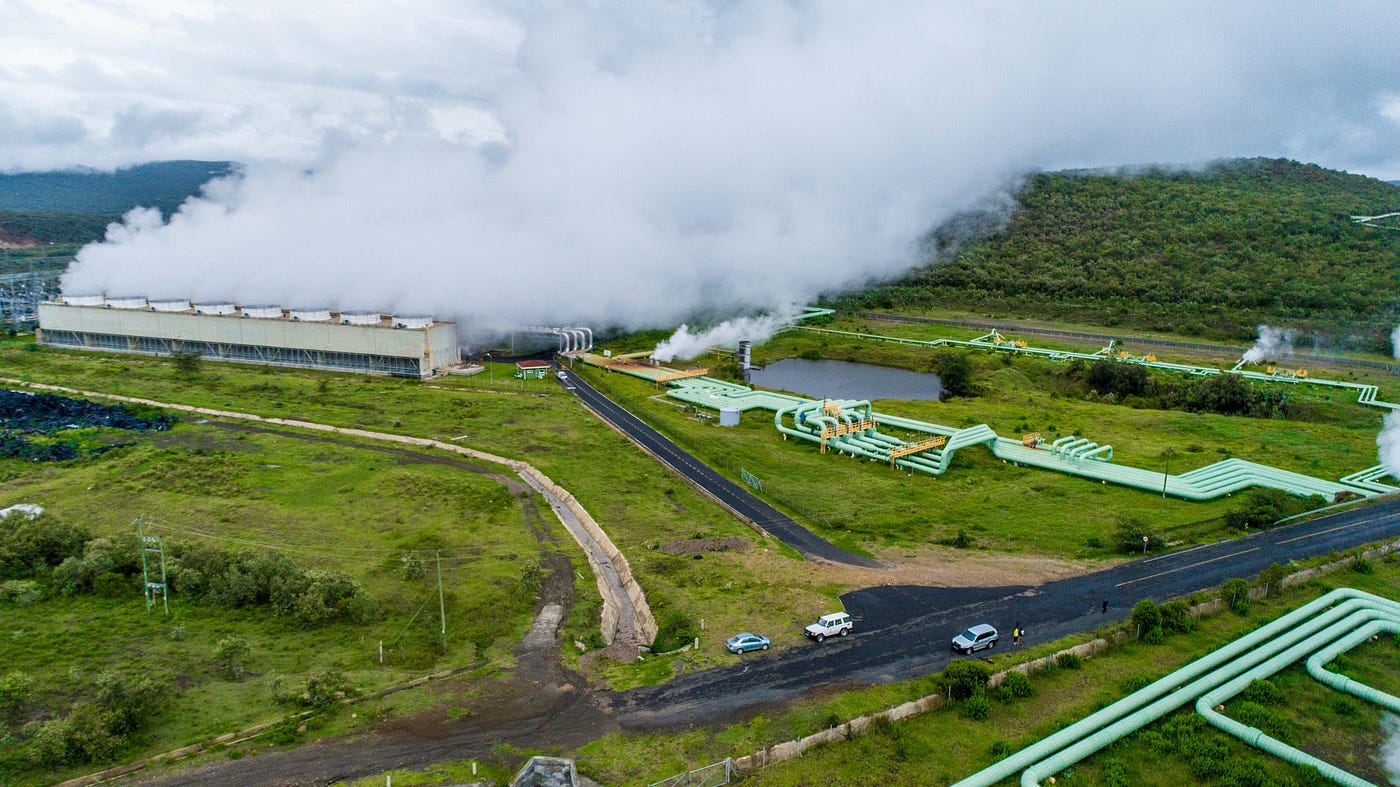
Finding relevant BEV charging options is crucial to amplify sustainable flexible transportation, image generated by chatGPT 5.3
Context
Electric vehicle adoption is accelerating, yet drivers still struggle to reliably find available and fairly priced charging stations. Charging providers operate fragmented systems, while car vendors increasingly aim to integrate charging experiences directly into vehicles and apps.
Multiple actors (charging providers, OEMs, platform aggregators) each optimize locally, resulting in incomplete visibility, inconsistent pricing transparency, and underutilized infrastructure.
The industry aims to harmonize the situation similar to widely adopted practice in international and inter-state mobile telephony (like roaming which reduced friction).
Problem
Charging station providers want higher utilization and better customer reach, while car vendors want seamless in-car charging experiences, but there is no trusted, shared mechanism to expose real-time availability and pricing across ecosystems without losing control, margin, or customer ownership.
No standards are established.
This leads to:
- Drivers experiencing uncertainty and frustration
- Providers suffering from unused capacity
- OEM integrations remaining partial or outdated
- Data being siloed, delayed, or inconsistent
Forces
- Push: Low utilization, poor driver experience, fragmented discovery channels
- Pull: Seamless in-car experience, increased demand, ecosystem positioning
- Habit: Existing reliance on aggregators, legacy APIs, bilateral deals
- Anxiety: Loss of pricing control, disintermediation by OEMs, data misuse
- Providers seek visibility, but fear dependency
- OEMs seek integration, but lack standardized, reliable data access
- Drivers seek certainty, but encounter fragmentation
Solution
Therefore: Establish a Shared Charging Visibility Network where each charging provider exposes standardized, real-time availability and pricing data through controlled, permissioned interfaces, enabling car vendors to integrate this data directly into driver touchpoints while preserving provider autonomy.
Key elements:
- Provider-owned data endpoints (no central ownership of data)
- Standardized data contracts (availability, pricing, status)
- Permissioned access layers (who can use what, under which terms)
- Transparent pricing logic (clear, comparable for drivers)
- Feedback loops (usage data flowing back to providers)
This is not a single platform, but a standardized network of interoperable agreements and interfaces.
Resulting Context
- Drivers experience predictable, transparent charging journeys
- Providers achieve higher utilization and controlled visibility
- OEMs deliver seamless in-car charging experiences
- The ecosystem shifts from fragmentation to coordinated optionality
New tensions emerge:
- Standardization vs. differentiation
- Ecosystem collaboration vs. competitive positioning
Consequences
- Increased station usage and revenue potential
- Improved driver trust and adoption of BEVs
- Stronger ecosystem partnerships
- Requires agreement on standards and governance
- Demands technical maturity (real-time data reliability)
- Introduces strategic questions about platform power
Related Patterns
- Stable Teams (to own and evolve provider APIs)
- Standards as Guidance (which allow vendor customization for differentiation)
- Development Partnership (OEMs ↔ providers collaboration)
- Minimum Viable Bureaucracy (governance without central control)
- Greatest Value (focus on driver outcomes, not integrations)
References:
- *Meta Scrum for Standardization and Guidance, Scrum PLoP*
- Better Discovery Using Jobs-to-be-Done (JTBD) ** Thoralf J Klatt
- Data-Driven Strategy using Jobs-to-be-Done (JTBD) * Thoralf J Klatt
- Discerning Segments Through Outcome-Based Analysis * Thoralf J Klatt
- Intelligente Netzanbindung von Elektrofahrzeugen zur Erbringung von Systemdienstleistungen — INEES, Volkswagen AG, Lichtblick SE, Fraunhofer IWES, SMA Solar Technology AG
메타데이터
- post_id
- 17b9af096c5b
- slug
- shared-charging-visibility-network-17b9af096c5b
- url
- https://medium.com/elevate-tech/shared-charging-visibility-network-17b9af096c5b
- canonical_url
- https://medium.com/elevate-tech/shared-charging-visibility-network-17b9af096c5b
- author_url
- https://medium.com/@thoralfjklatt
- status
- ok
- fetched_at
- 2026-06-09 15:37:30