We don’t need more information. We need more lived experience.
My AI writes a ten-page QA report in seconds. I only have time to read the summary.
We don’t need more information. We need more lived experience.

My AI writes a ten-page QA report in seconds. I only have time to read the summary.
It used to be that “information” truly informed. As in, formed. “I have read your essay and formed an opinion”.
We should come up with another word for the mass of AI-produced text that comes our way. And no, that’s not “AI slop”. What My AI produces actually makes sense.
It’s just that it’s TL;DR.
— — — — — — — -
Manually testing UI is ingesting lived experience and coming out richer.
— — — — — — — -
Humans are complicated. There’s no way mere language can seep into the crevices of our animal brain the way we need it to build lived experience.
Users love meticulously crafted, beautiful, easy to use interfaces.
According to Forrester Research every $1 invested in UX returns $100.
As far as we know, only humans, by themselves experiencing the interface, can give the kind of feedback necessary to achieve really good UX.
There might be an algorithm behind the combination of subtle animations within a workflow that make a human feel good. If there is, AI could only have ingested it at the time of training.
Thing is, human preference changes every ten minutes.
— — — — — — — -
We code ten times faster, but we should build experience ten times slower.
— — — — — — —
An acid interface, what would that look like?
Product people want interfaces that look just right, but they struggle to convey what that means in language. That goes for coding agents just as it goes for traditional software development.
Product people gesture and speak in terms of taste, hoping that another human will pick up on it and build their perfect UX. Fat chance a coding agent will.
— — — — — — —
How to emulate the layers of taste and talent that produces great UX?
— — — — — — —
At our company, we have a problem. We too have heavily invested in agentic AI for coding.
We too have raised our productivity tenfold — at least.
But the humans. They are sooooo slow.
We used to have multiple layers of expertise between us and the end user. The software architect, the product person, the lead developer and the UX programmer. Each inserting their personal taste. Each with their backlog.
Shipping a UX change could take weeks.
And, as we’re discovering, maybe it should.
— — — — — — —
My AI produces language, not experience. But experience is what we crave for.
— — — — — — —
There’s a fundamental difference between producing language and telling a story.
Humans have been sitting around fires telling stories for hundreds of thousands of years. With all their senses, gesturing and using metaphor when language falls short. Producing rich UX.
We just rebuilt our company website in the space of a week. It’s not bad, we’ve far better SEO, we have LLM.txt and all the latest fads. Much faster.
Everything built for language is great. Obviously, because we use Agentic AI for coding.
But now we’re going back to look at it all again. Slowly. Back to every page, every hub, every container, every title and subtitle, every text, every image and every animation.
Is it all exactly to our taste?
— — // — — — — — — —
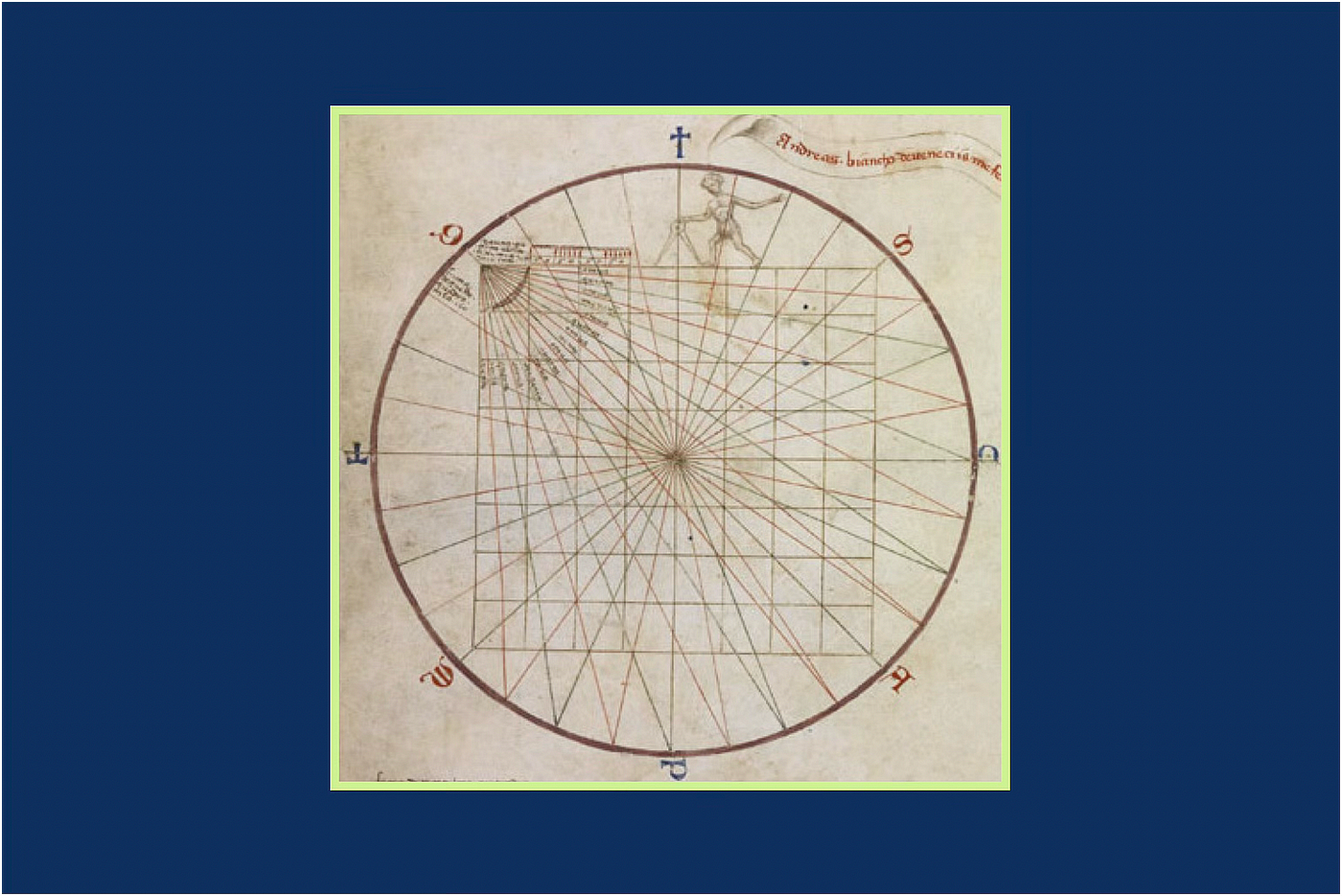
Header Image: Alessandro Sani (ITALIAN, 19th century)
메타데이터
- post_id
- 17cb18fcb52b
- slug
- we-dont-need-more-information-we-need-more-lived-experience-17cb18fcb52b
- url
- https://medium.com/@gmdekkers/we-dont-need-more-information-we-need-more-lived-experience-17cb18fcb52b
- canonical_url
- https://medium.com/@gmdekkers/we-dont-need-more-information-we-need-more-lived-experience-17cb18fcb52b
- author_url
- https://medium.com/@gmdekkers
- status
- ok
- fetched_at
- 2026-06-09 15:37:30