7 Red Flags Buyers Should Watch for When Choosing a Bone Conduction Headphone Manufacturer in China
The global demand for bone conduction headphones keeps growing, especially in sports audio, swimming headphones, and open-ear wearable…
7 Red Flags Buyers Should Watch for When Choosing a Bone Conduction Headphone Manufacturer in China

The global demand for bone conduction headphones keeps growing, especially in sports audio, swimming headphones, and open-ear wearable devices.
But for importers, Amazon sellers, and private-label brands, the biggest challenge is no longer “finding a supplier.”
The real challenge is finding a manufacturer that can actually deliver stable quality, real compliance, and long-term production reliability.
After years of working in the audio manufacturing industry, we’ve noticed that many overseas buyers run into the same problems — delayed orders, fake certifications, unstable waterproof quality, or products that are not truly bone conduction at all.
Here are some of the biggest warning signs buyers should pay attention to before starting cooperation with a manufacturer in China.
1. The Supplier Cannot Clearly Explain the Difference Between Bone Conduction and Air Conduction
This is one of the most common issues in the market today.
Many suppliers use “bone conduction” as a marketing term, but the product actually works like a small open-ear speaker. Some factories simply buy generic open-ear designs and relabel them as bone conduction headphones.
A real manufacturer should be able to explain:
- transducer structure
- vibration positioning
- leakage control
- cheekbone contact design
- waterproof sealing structure
If the supplier only talks about appearance or Bluetooth version, that is usually a warning sign. Several industry discussions and technical explainers have pointed out that fake or low-grade bone conduction products often avoid discussing the actual transducer system. (alovaaudio.com)
2. Waterproof Claims Sound Unrealistic
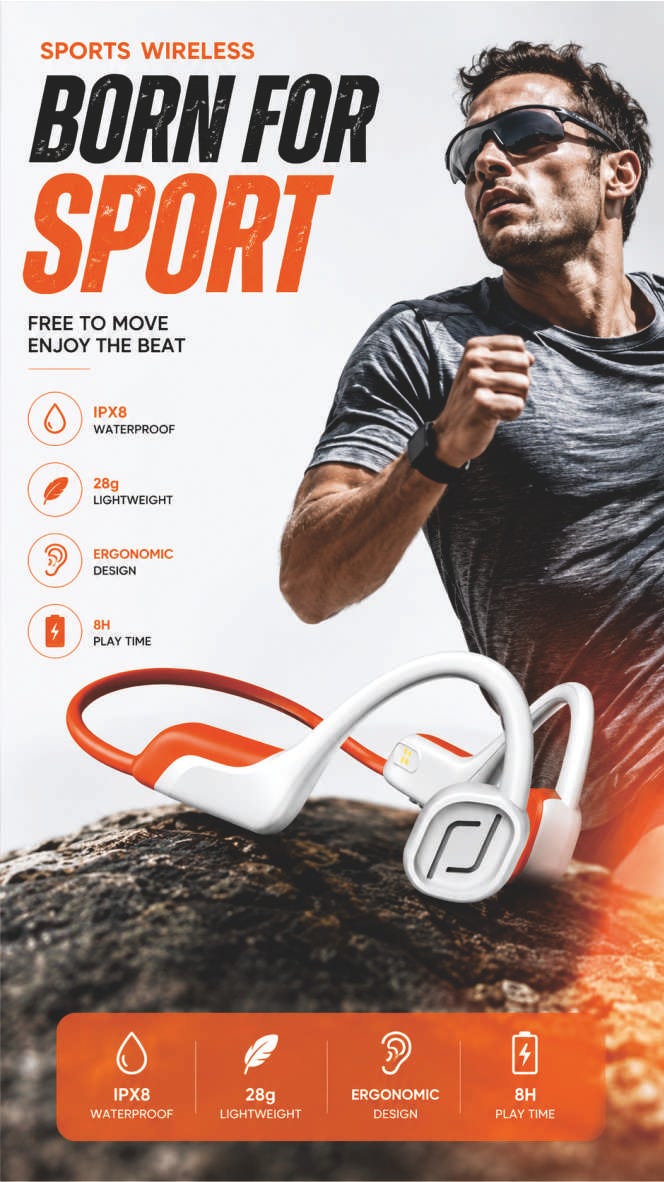
Many factories advertise IPX8 waterproof headphones, but very few explain how the waterproofing is actually tested.
For swimming headphones, waterproof structure is not only about sealing glue. It also affects:
- vibration stability
- charging design
- pressure resistance
- battery protection
- long-term durability
If a supplier cannot provide testing videos, test standards, or real waterproof production experience, buyers should be careful.
In practice, many factories are experienced in standard sports headphones, but not in underwater audio products.
3. The MOQ Changes Constantly During Negotiation
Stable manufacturers usually have stable production systems.
When MOQ suddenly changes after discussing logo printing, packaging, or color customization, it often means the supplier is outsourcing production instead of controlling it internally.
This creates several risks:
- unstable delivery time
- inconsistent quality
- packaging mismatch
- weak after-sales support
For B2B buyers, production consistency matters more than extremely low pricing.
4. The Factory Avoids Discussing Certifications
For Europe and North America, CE, FCC, and RoHS compliance are basic requirements.
Some suppliers only send screenshots or edited PDF files instead of valid certification reports. Others use certificates that belong to completely different product models.
A professional supplier should understand:
- certification matching
- battery transport compliance
- export packaging standards
- testing documentation
This becomes especially important for Amazon sellers and large distributors.
5. The Supplier Has No Understanding of OEM vs ODM
Experienced manufacturers usually separate OEM and ODM projects very clearly.
OEM requires customized development and deeper engineering support. ODM focuses on adapting existing platforms for faster market entry.
If the supplier cannot explain development timelines, tooling logic, or customization boundaries, it often indicates limited engineering capability.
According to industry sourcing discussions, many buyers now prioritize engineering responsiveness over low MOQ because audio product competition has become much faster. (electronics.alibaba.com)
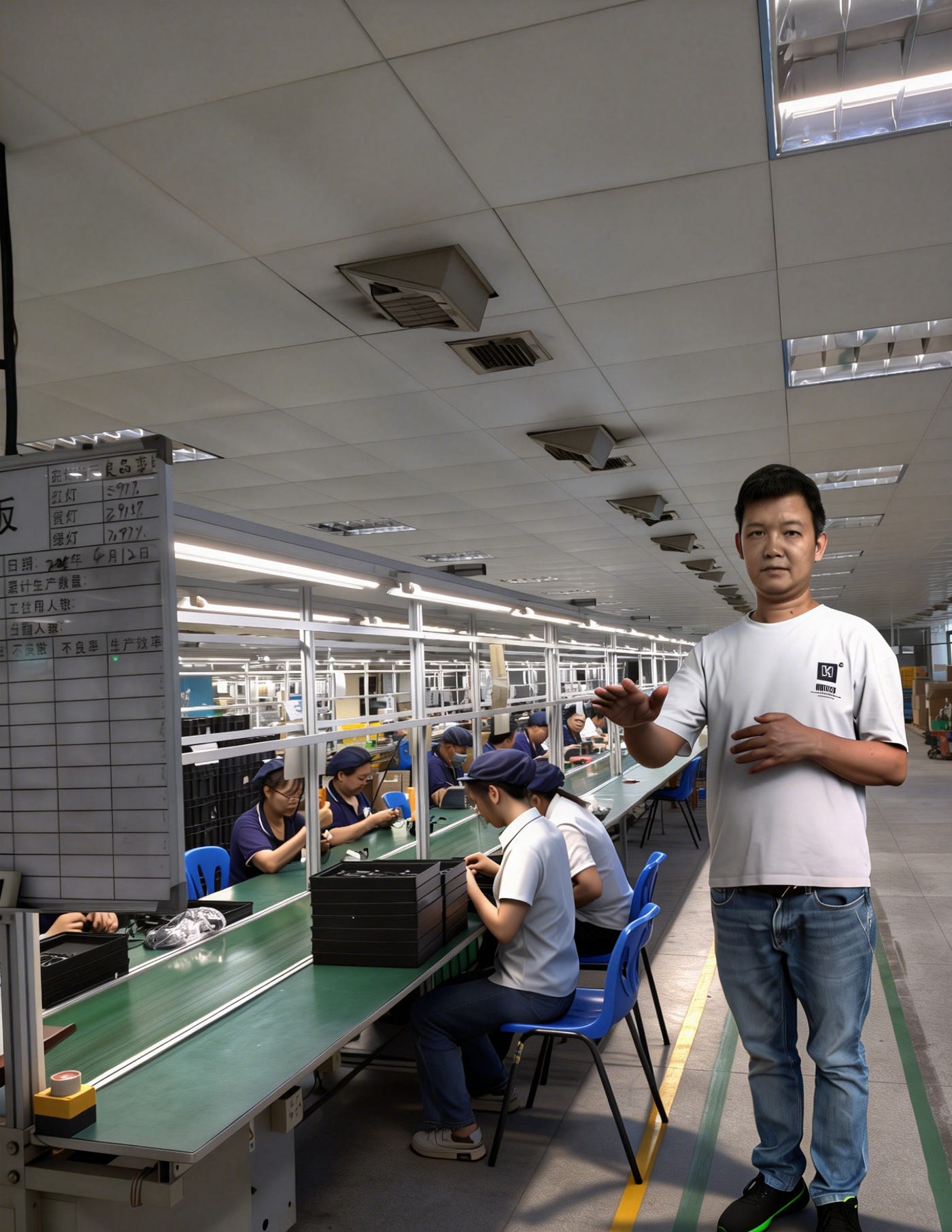
6. There Is No Real Production or Testing Content
Today, many trading companies use copied product photos from other factories.
Before cooperation, buyers should always ask for:
- production videos
- waterproof testing footage
- packaging process photos
- assembly details
- warehouse inspection images
Real manufacturers are usually comfortable showing their workflow.
This is especially important in bone conduction products because vibration structure and waterproof assembly directly affect product lifespan.
7. Pricing Is Extremely Low Compared to the Market
Very low pricing is usually connected to one of three problems:
- fake bone conduction technology
- poor waterproof structure
- low-grade battery and chipset selection
Real bone conduction transducers are expensive compared to generic speaker modules. Several industry articles and community discussions also mention that ultra-cheap “bone conduction” products are often misleading or incomplete implementations of the technology. (alovaaudio.com)
For long-term B2B cooperation, stable quality is normally more valuable than saving a few dollars per unit.
Why More Buyers Are Asking Deeper Questions in 2026
Five years ago, many buyers mainly focused on pricing.
Today, the conversation is different.
Distributors, ecommerce brands, and sporting goods retailers now care more about:
- compliance stability
- waterproof reliability
- low return rates
- customization speed
- supply chain transparency
As open-ear audio becomes more competitive, choosing the right manufacturing partner becomes part of brand strategy — not just procurement.
Final Thoughts
China still remains the center of the global bone conduction headphone supply chain.
But the gap between real manufacturers and simple trading suppliers is becoming much larger.
For B2B buyers, the safest approach is not choosing the cheapest supplier. It is choosing the supplier that can clearly explain the technology, prove production capability, and support long-term product consistency.
That usually becomes obvious during the first few conversations.
메타데이터
- post_id
- 17ea7b008c30
- slug
- 7-red-flags-buyers-should-watch-for-when-choosing-a-bone-conduction-headphone-manufacturer-in-china-17ea7b008c30
- url
- https://medium.com/@lhh116688/7-red-flags-buyers-should-watch-for-when-choosing-a-bone-conduction-headphone-manufacturer-in-china-17ea7b008c30
- canonical_url
- https://medium.com/@lhh116688/7-red-flags-buyers-should-watch-for-when-choosing-a-bone-conduction-headphone-manufacturer-in-china-17ea7b008c30
- author_url
- https://medium.com/@lhh116688
- status
- ok
- fetched_at
- 2026-06-09 15:37:30