Introducing the Architect’s Guide to Asynchronous Processing
Our newest Well-Architected Decision Guide
Introducing the Architect’s Guide to Asynchronous Processing
Our newest Well-Architected Decision Guide

Asynchronous processes execute in the background, without users having to wait for them to complete before moving on to other work. They also have higher limits per context and can increase the overall scalability of your system. But asynchronous processes also come with their own limitations and their lack of SLAs can create issues if they aren’t implemented properly.
Today we’re introducing the Architect’s Guide to Asynchronous Processing, which provides details for asynchronous use cases, tool comparisons and information about potential drawbacks. It also provides insights into how asynchronous processes operate behind the scenes within the Salesforce platform and contains downloadable diagrams for a variety of architecture patterns.
How to use this guide
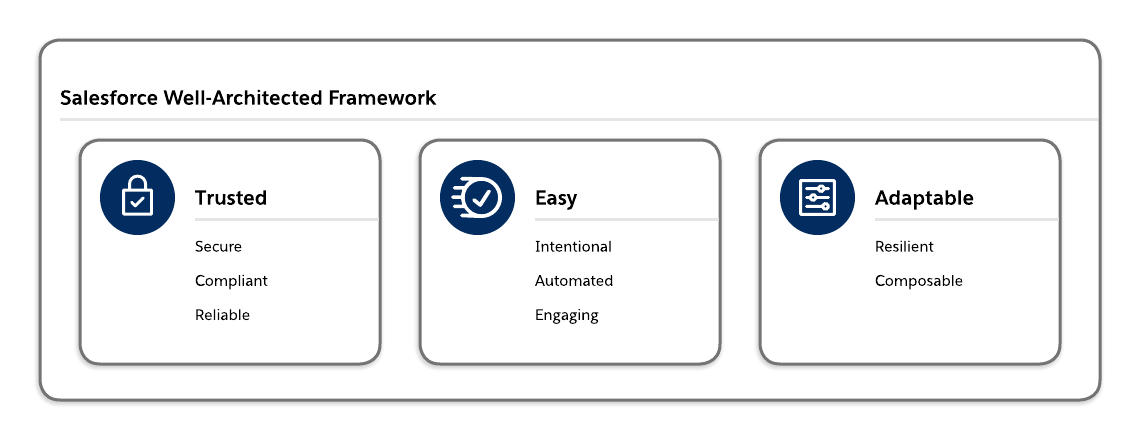
Well-Architected Decision Guides provide information directly from Salesforce product teams that will help you make the best decisions for your organization and to ensure alignment with Salesforce’s strategic direction. You can use them to evaluate trade-offs and potential benefits, choose the right tools for the right tasks, and understand why things work the way they do.
The Architect’s Guide to Asynchronous Processing is divided into four sections:
- Key Takeaways: A summary of key points covered throughout the guide, including preferred tools and implementation approaches.
- Tool Comparisons: Tables containing side-by-side comparisons of Salesforce tools that are relevant to asynchronous processing.
- Architecture Patterns: Examples of business use cases where asynchronous processing is commonly used.
- Additional Information: Recommendations for how to monitor asynchronous processes and alert the appropriate stakeholders in the event of an issue.
See the Guides in Action
Dreamforce ’24 is coming up quickly and I’m going to be speaking about Asynchronous Processing and some of the other topics that are covered in the Decision Guides during sessions that you can check out in person or stream on Salesforce+
- I’ll be speaking with Claire Cheng, VP of Software Engineering about building efficiency into AI-based automations during the Architect Keynote
- I’ll be sharing the latest updates during A Look at What’s New for Decision Guides
- I’ll be teaming up with the rest of the Well-Architected product team to share key resources available to build solutions with Salesforce during An Architect’s Toolkit: Essential Resources you should Know
- If you’ll be attending Dreamforce in person, make sure to check out the Architect’s Guide to Asynchronous Processing where my colleague Jsun and I will be discussing the topics covered in the new guide.
And if you’re looking for more great Dreamforce content, the Salesforce Architects team has put together a curated list of architect-focused sessions. Check out the Architect’s Guide to Dreamforce ‘24 to make sure you don’t miss any of them.
Contributors
Thank you so much to all of the content contributors and technical reviewers who assisted with the creation of this guide:
- Arturo Alvarado
- Chocks Kandasamy
- Himanshu Sharma
- Jeremy Westerman
- Jsun Pe
- Justin Piehowski
- Kelly Zerr
- Kris Harrison
- Marc Braga
- Marissa Lowe
- Nat Wyatt
- Nevea Van Wright
- Raj Advani
- Sean Harp
- Shoby Abdi
- Steve Bobrowski
- Susannah Plaisted
- Tyson Read
- Zayne Turner
메타데이터
- post_id
- 187dde7a1ffe
- slug
- introducing-the-architects-guide-to-asynchronous-processing-187dde7a1ffe
- url
- https://medium.com/salesforce-architects/introducing-the-architects-guide-to-asynchronous-processing-187dde7a1ffe
- canonical_url
- https://medium.com/salesforce-architects/introducing-the-architects-guide-to-asynchronous-processing-187dde7a1ffe
- author_url
- https://medium.com/@tomleddy
- status
- ok
- fetched_at
- 2026-06-14 17:09:17