A Long-Awaited Oral Shigella Vaccine Delivers Remarkable Results
The experimental vaccine protected nearly 90% of volunteers against one of the world’s most contagious diarrheal diseases.
A Long-Awaited Oral Shigella Vaccine Delivers Remarkable Results
The experimental vaccine protected nearly 90% of volunteers against one of the world’s most contagious diarrheal diseases.
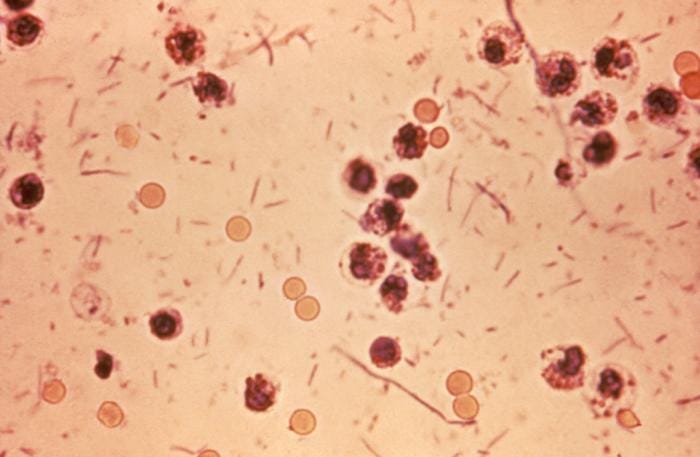
Centers for Disease Control and Prevention Publich Health Image Library — Centers for Disease Control and Prevention Publich Health Image Library
Shigella is a type of bacteria that commonly infects humans, causing an estimated 450,000 cases of shigellosis in the United States alone. With no vaccine currently available and antibiotic-resistant strains emerging worldwide, the medical community is desperate for a breakthrough.
Most people have experienced a bout of food poisoning at some point in their lives, but few realize that one of the most contagious causes is a group of bacteria called Shigella. Shigella is a major cause of diarrheal disease, particularly among young children in low-resource countries.
Shigella: A Small Dose Can Cause Serious Illness
Unlike many bacteria that require swallowing thousands or even millions of organisms to cause illness, Shigella is remarkably infectious. In some cases, ingesting as few as 10 to 100 bacterial cells can make someone sick. This means the bacteria can spread very easily through contaminated food or water, direct person-to-person contact, or by touching contaminated surfaces and then inadvertently transferring the bacteria to the mouth.
Outbreaks are especially common in places where people live or work in close quarters, including day care centers, schools, nursing homes, shelters, and cruise ships.
The bacteria belong to a genus containing four major species, Shigella sonnei, S. flexneri, S. boydii, and S. dysenteriae, each differing slightly in where they are most common and how severe the disease they produce can be.
Once swallowed, Shigella survives the acidic environment of the stomach and travels into the large intestine, where it launches a highly coordinated attack on the cells lining the colon. Rather than remaining harmlessly within the intestinal contents, the bacteria invade the intestinal wall itself.
They hijack the host cell’s internal machinery to gain entry, multiply within the cell, and even propel themselves directly into neighboring cells without returning to the intestinal lumen.
As infected cells are damaged and destroyed, the colon’s lining becomes inflamed and ulcerated. The result is the characteristic symptoms of shigellosis: frequent diarrhea, abdominal cramps, fever, and an urgent need to use the bathroom. In more severe cases, the stool may contain blood and mucus because the intestinal lining has been injured.
Although the illness is often self-limited and resolves within about a week, it can be dangerous in young children, older adults, and people with weakened immune systems because severe diarrhea may lead to dehydration and electrolyte imbalances.
A Vaccine Breakthrough
As of today, no commercially available vaccine can protect you against Shigella. However, there has been a concerted effort for many years.
Just a few weeks ago, in June of 2026, a paper covering a phase II trial for a Shigella vaccine, WRSs2, was published in The Lancet Infectious Diseases, and the results are very promising.
WRSs2 is a genetically weakened (live-attenuated) oral Shigella sonnei vaccine, and it was being tested to determine whether it could safely protect people from infection. Using a standard trial protocol, double-blinded, randomized, placebo-controlled, researchers from two U.S. facilities tested the efficacy of this vaccine.
108 healthy adults, aged 18–49, were enrolled, and after four weeks, eligible participants were intentionally given approximately 1,500 colony-forming units of virulent S. sonnei under carefully monitored hospital conditions.
The results were astounding, to say the least. Only 3 of the 34 vaccinated participants developed shigellosis. This, compared to the 21 out of 26 people in the placebo group becoming ill, demonstrated that the vaccine offers an 89 percent rate of protection.
Additionally, protection against severe shigellosis reached approximately 96% in a post-hoc analysis, and the vaccinated participants also shed fewer bacteria after challenge, suggesting they may be less likely to transmit infection.
On top of this, the vaccine appeared very safe. Mild side effects were reported, such as headache, chills, stomach cramps, fatigue and diarrhea. Unfortunately, six participants experienced grade 3 adverse events, primarily severe gastrointestinal symptoms. These events prompted two independent Data Safety Monitoring Board reviews, leading investigators to lower the vaccine dose and tighten eligibility criteria during the study. No vaccine-related serious adverse events or deaths occurred.
Looking Forward
While these results are encouraging, there are still a few hurdles before WRSs2 reaches your doctor’s office. This study was conducted in healthy adults in the United States using a controlled human infection model, where volunteers were intentionally exposed to Shigella under close medical supervision.
Before the vaccine can be approved, researchers must demonstrate that it works just as well in the people who need it most, particularly young children living in countries where shigellosis is common. Larger clinical trials will also be needed to further evaluate safety and determine how well the vaccine performs under real-world conditions.
The encouraging news is that this study represents one of the strongest results ever reported for a Shigella vaccine, with protection levels far exceeding many previous candidates. As antibiotic-resistant strains continue to spread around the world, an effective vaccine could dramatically reduce severe diarrheal illness, prevent countless hospitalizations, and save thousands of lives each year.
While it is too early to predict exactly when a vaccine will become available, after decades of setbacks, the finish line finally appears to be coming into view.
메타데이터
- post_id
- 188f2b80c92e
- slug
- a-long-awaited-oral-shigella-vaccine-delivers-remarkable-results-188f2b80c92e
- url
- https://medium.com/microbial-instincts/a-long-awaited-oral-shigella-vaccine-delivers-remarkable-results-188f2b80c92e
- canonical_url
- https://medium.com/microbial-instincts/a-long-awaited-oral-shigella-vaccine-delivers-remarkable-results-188f2b80c92e
- author_url
- https://medium.com/@mcmarone7
- status
- ok
- fetched_at
- 2026-07-13 06:23:13