Emerging Botanical Discoveries Scientists Believe Could Improve Human Health
Remarkable plants that are opening exciting new paths for wellness and medical research
Emerging Botanical Discoveries Scientists Believe Could Improve Human Health
Remarkable plants that are opening exciting new paths for wellness and medical research
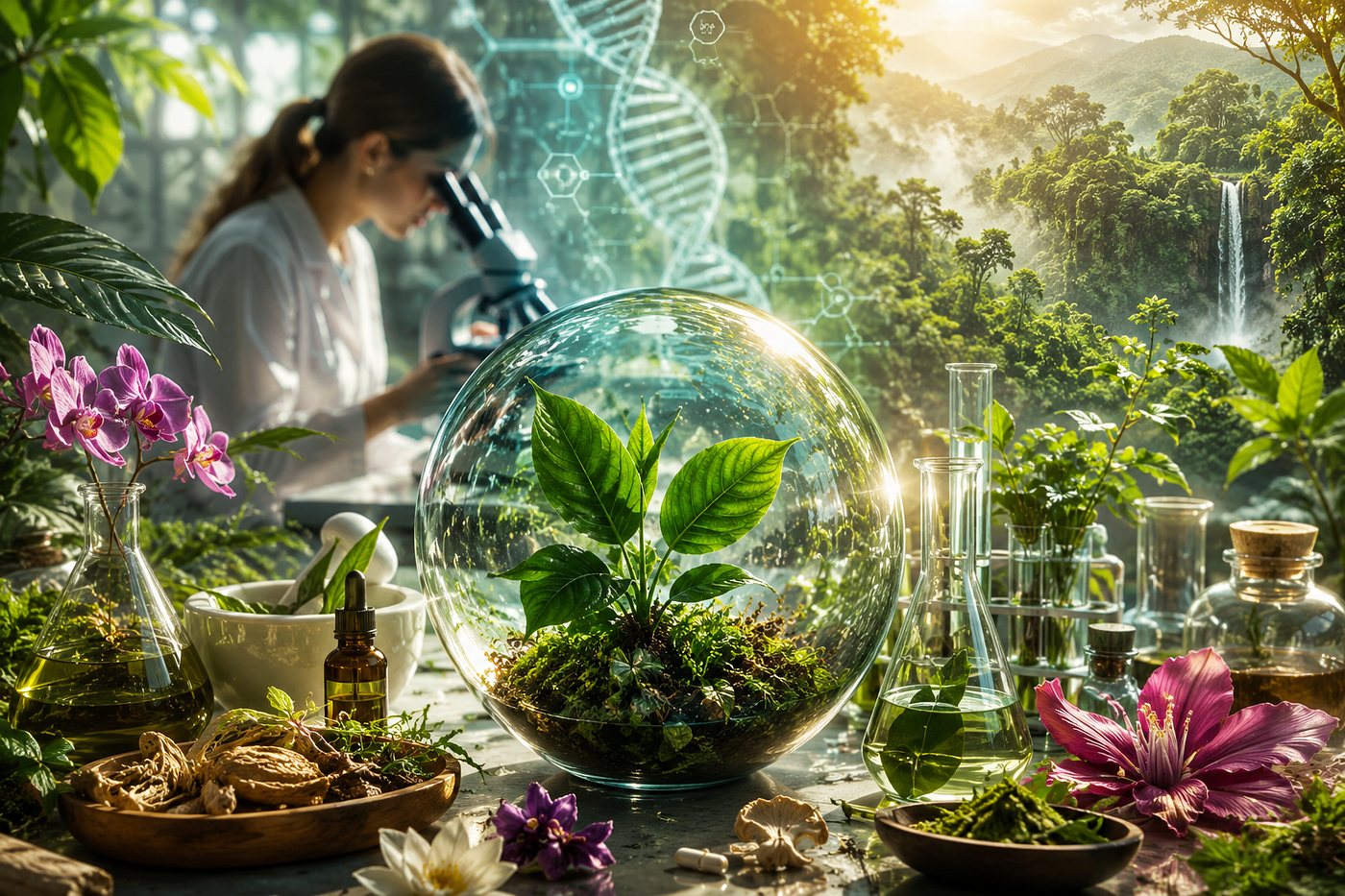
This image is for illustrative and conceptual purposes only
Fresh discoveries from forests, mountains, wetlands, and remote islands continue to remind researchers that nature still holds many surprises. Hidden among leaves, roots, flowers, and bark are natural compounds that may support better health in ways that science is only beginning to understand. Every year, botanists and medical researchers uncover plants with unique chemical properties, adding new pieces to the puzzle of human wellness.
Many modern medicines have roots in plants. Aspirin, quinine, and several cancer treatments all began with careful study of natural compounds. That history keeps scientists searching for the next breakthrough, especially as interest in natural health, medicinal plants, herbal medicine, plant compounds, disease prevention, and plant based medicine continues to grow.
Among the most exciting botanical discoveries are several remarkable plants that researchers believe deserve much closer attention.
Dragon’s Blood Tree has attracted growing interest because of the deep red resin it produces. Found mainly on the island of Socotra, this unusual tree has been valued for centuries in traditional practices. Modern laboratory research has identified compounds with antioxidant and antimicrobial properties. Researchers continue studying whether these natural substances may support wound healing and help protect healthy cells from oxidative stress. Human studies remain limited, making additional research necessary before medical use can be recommended.
Another impressive discovery comes from Snow Lotus, a rare mountain plant that survives in extreme alpine environments. Constant exposure to freezing temperatures, powerful sunlight, and thin air has led this plant to develop unique protective compounds. Early laboratory studies suggest these natural chemicals may support healthy inflammation response and protect cells under stressful conditions. Scientists are also investigating possible benefits related to joint health and immune function. Larger clinical studies are still needed before any health benefits can be confirmed.
Researchers have also turned their attention toward Sea Holly, a coastal plant that thrives in salty environments where many other species cannot survive. Living under constant environmental pressure has encouraged this plant to produce specialized natural compounds. Laboratory findings suggest some of these substances display antibacterial and antifungal activity. With antibiotic resistance becoming an increasing concern around the world, researchers continue exploring whether compounds from this plant could contribute to future pharmaceutical development.
Interest has also grown around Ghost Orchid, one of the world’s most mysterious flowering plants. Although famous for its striking appearance, scientists have recently begun studying the microscopic compounds found within its tissues. Early investigations focus on naturally occurring molecules that may offer antioxidant activity and support future research into cellular protection. Much remains unknown about this rare species, making it an exciting subject for ongoing botanical studies.
Another plant receiving growing scientific attention is African Potato, a traditional medicinal herb native to southern Africa. For generations, local communities have valued this plant for wellness purposes. Modern research has identified several naturally occurring compounds that researchers are examining for possible roles in supporting immune health and reducing oxidative stress. While preliminary findings appear encouraging, scientists continue emphasizing that traditional use alone does not establish medical effectiveness.
These discoveries highlight a larger pattern in botanical science. Plants living under harsh environmental conditions often produce powerful natural chemicals that help them survive. Those same compounds may eventually inspire new medicines, nutritional supplements, or therapies after years of careful scientific evaluation.
Researchers are also exploring the complex relationships between plants and the microorganisms surrounding their roots. Many beneficial fungi and bacteria help plants absorb nutrients while producing entirely new natural compounds. This expanding area of botanical research continues revealing surprising chemical diversity that had remained hidden for generations.
Another important lesson has become increasingly clear through modern plant research. Natural products are not automatically safe simply because they come from nature. Many plants contain powerful active compounds that require careful testing, proper dosage evaluation, and extensive clinical trials. Laboratory findings often provide promising starting points, though successful treatments require years of additional research involving human volunteers before reliable medical recommendations can be made.
Conservation plays a vital role in protecting future discoveries. Tropical rainforests, mountain ecosystems, wetlands, and isolated islands continue disappearing because of habitat loss and climate change. Every plant species lost before scientific study may represent a missed opportunity to discover valuable natural compounds with future medical importance. Protecting biodiversity supports healthy ecosystems while preserving opportunities for tomorrow’s medical breakthroughs.
Scientific curiosity continues leading researchers into places few people ever visit. Remote valleys, cloud forests, rocky cliffs, and untouched islands still shelter thousands of plant species that remain largely unexplored. Each expedition brings the possibility of finding natural compounds unlike anything previously recorded.
The story of botanical discovery continues to grow with every new research project. Careful investigation, responsible conservation, and rigorous scientific testing remain essential before promising laboratory findings become trusted medical treatments. Even with many questions still unanswered, these remarkable plants remind us that nature continues offering extraordinary opportunities to improve human health through careful research and responsible discovery.
메타데이터
- post_id
- 18a4d985c58b
- slug
- emerging-botanical-discoveries-scientists-believe-could-improve-human-health-18a4d985c58b
- url
- https://medium.com/@wilmer.salvatierra0624/emerging-botanical-discoveries-scientists-believe-could-improve-human-health-18a4d985c58b
- canonical_url
- https://medium.com/@wilmer.salvatierra0624/emerging-botanical-discoveries-scientists-believe-could-improve-human-health-18a4d985c58b
- author_url
- https://medium.com/@wilmer.salvatierra0624
- status
- ok
- fetched_at
- 2026-07-17 10:16:35