Weeknotes s07e23
TL;DR: In the spotlight for various things. Reaching an EPR milestone and heading into the final 2 weeks before go-live.
Weeknotes s07e23
TL;DR: In the spotlight for various things. Reaching an EPR milestone and heading into the final 2 weeks before go-live.
[week ending 17/10/2025]
Who did you talk to outside of your organisation? Marc and I met with Sophie from Corestream to see a demo of the software being used to support the complaints process at another Trust. The software helps keep track of the incoming complaints, tracks their completion and return to the requester. I’m still keen to see a demo of a system that can use AI to look at historical complaints sent out, the tone of those letters and review a medical record and propose a first draft for a human to review. It feels like this should be possible, but
Ironically, searching for this on Google, ended up with two adjacent hits that made me smile — clearly it would not be desirable for any party to have AI generated complaints and replies, without any human interaction. Not been able to read the full article, but looks the BMJ are thinking this way too.

Colin and I met colleagues from Nottingham Trent University to talk about a couple of potential projects that I’d proposed in a list ages ago. We provided a bit more detail into the projects that will now be worked out into a more detailed project brief.
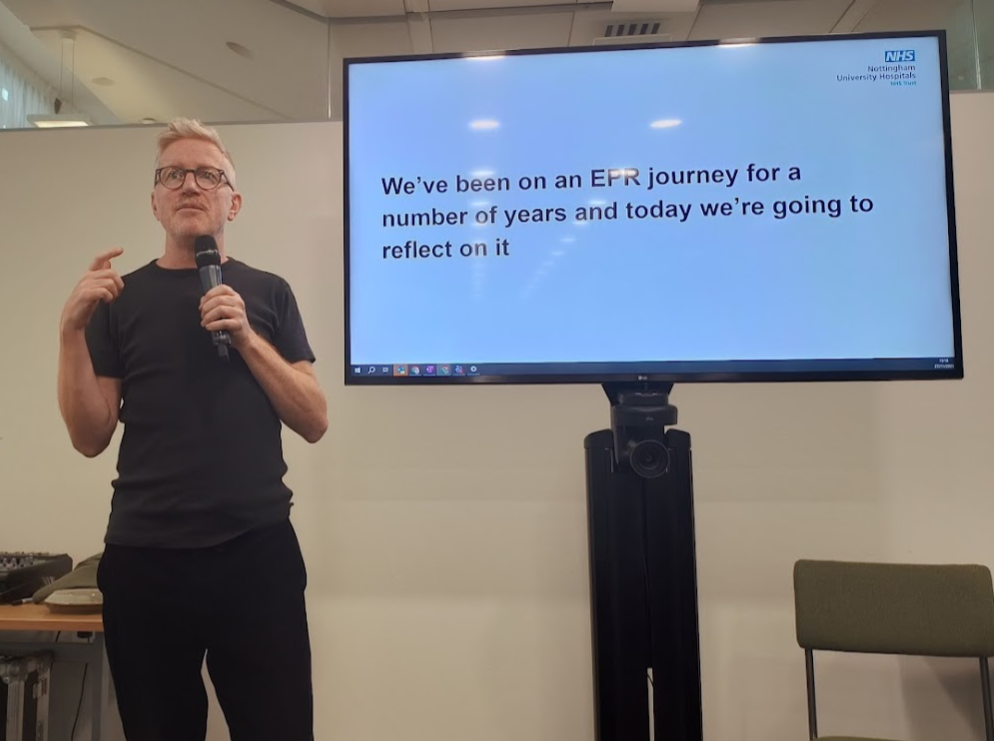
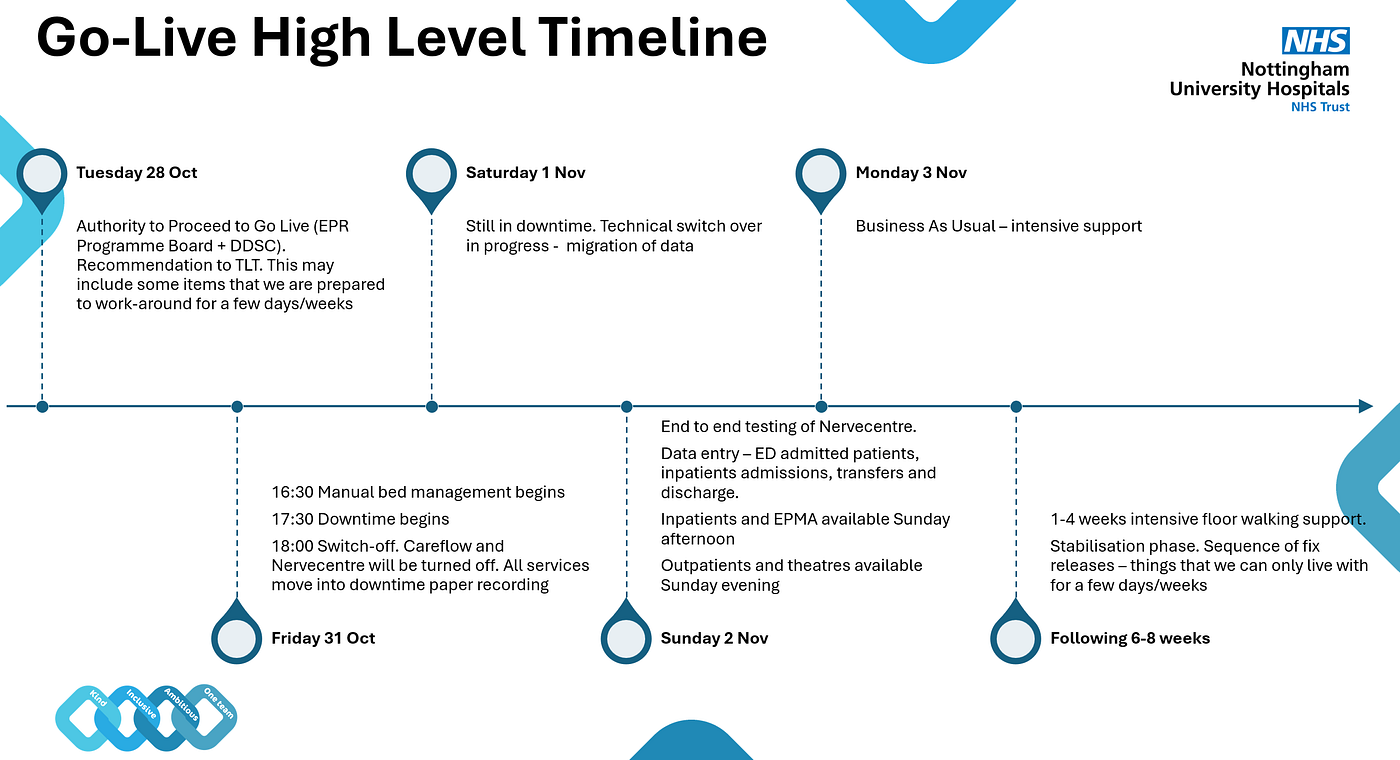
What situation caused the strongest emotional response this week? This week we knew that our EPR Programme would be considered at the NHS Endland Midlands Steering Group meeting. As part of the preparation for this, a few of us met with regional colleagues to talk through the programme status, and the work we know we still have to do in the final two weeks. If I had some anxiety at the meetings I mentioned earlier in the week, this one felt the highest stakes; do a bad job of communicating and our EPR programme gets delayed. Thankfully, the meeting seemed to go ok and there was sufficient information provided to the regional team to go into the steering group meeting. At the end of the week, we got a response, requiring a number of critical caveatst to be met, thankfully none of which are a surprise.
Over the past few weeks, the EPR Programme has made great strides and we are now in the territory where we are now ticking things off. With two weeks to, I wanted to look back and note a few of them, as all this potentially gets lost in the madness of a go live:
- A few weeks ago, we were worried about the data migration. The full dress rehearsal showed a 99.98% success rate on 103m rows of data.
- We were concerned about the Patient Tracking List expanding as a result of the move. We now estimate the growth to be <1% and validatable within a number of days
- On Monday, we still had a couple of software issues — with RTT and theatre timing. By Friday, Nervecentre had made the updates and we’d applied the new version.
This list could go on and on, but it shows the reality of the highs and lows on an almost hour by hour basis as issues are identified and our talented teams seek to address them as quickly as possible. Big things this week are:
- Seeking a bit up-tick in our training completion numbers
- Filling more gaps in the floor walking rotas
- Continuing the trajectory of completing the 303 reports that need changing as a result of moving to Nervecentre.
What did you learn? Colin and met with a group of acute medicine registrars as part of their Innovation and Research training day. It was an opportunity to meet Nick, who has clearly been doing some great stuff using data to drive improvements and patient care. Colin and I have arranged to meet with him later in the year. It was also good to meet with Professor Hsu, who had a brilliant way of framing questions in a thoughtful and engaging way. Colin and I both came away wishing we’d be able to attend more of the day as the agenda was fascinating and wide ranging. One telling point was when Professor Hsu asked the room who was regularly using LLMs in their daily work and only a few hands went up. It just shows what a bubble one can be in, where you assume everyone is using these tools as much as you, just because they are so in your face everythere (at least where I look).

Professor Hsu talked through some research on using Large Language Models to do biological predictions in large-scale populations, which I didn’t fully undestand, but was fascinating nonetheless.
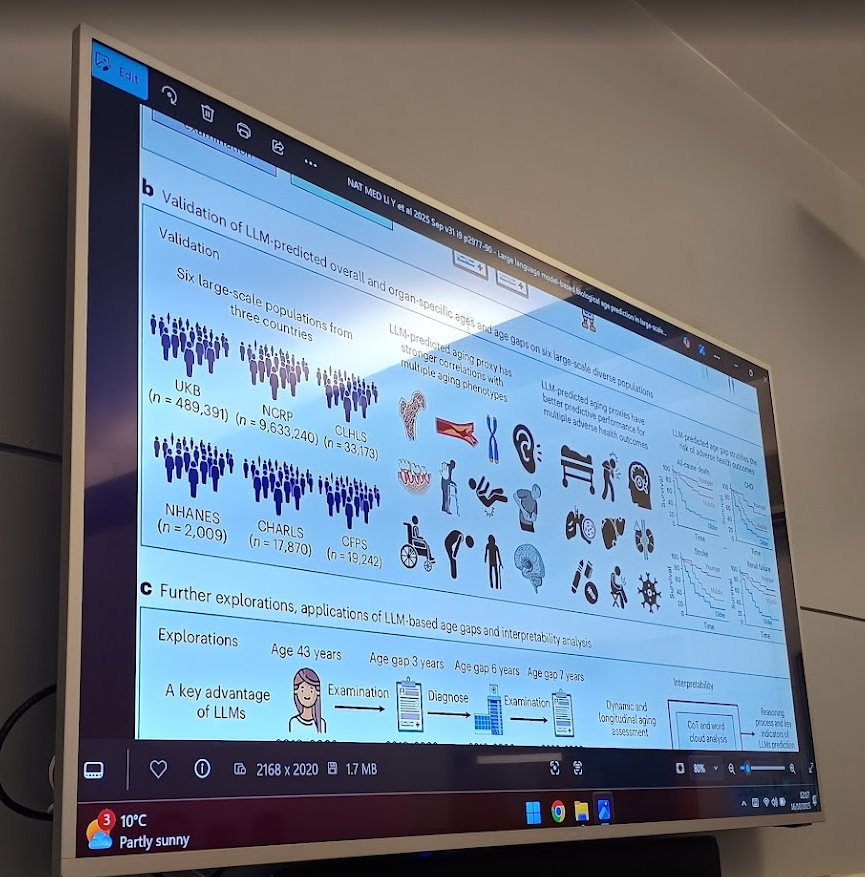
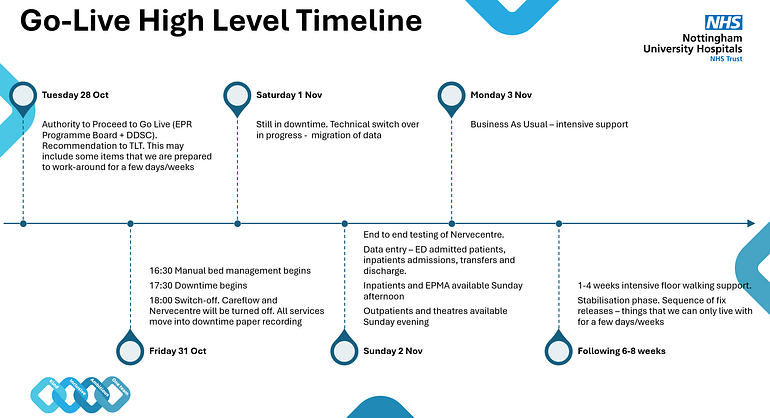
I this image is included in the detailed paper
What did you enjoy? Mark and I joined a meeting with the Trust Consultant body, where we had a series of questions about the EPR Programme, the impact on practice and the frustration of using old kit.
What did you achieve? I had two interviews this week. The first was in relation to the Ockenden review, which was seeking to reflect staff voices. Staff have been asked if they want to take part in interviews to incorporate the views and experience of staff into the review, which we are due to receive next year. The second interview was part of our CQC Well-Led preparations. This is part of us determining how good our evidence would be in the event of a visit. I found both of these sessions gave me some anxiety as I’d be gutted if something I forgot to say led to negative outcomes for the Trust. I know the colleagues doing these things triangulate data from many sources, but that doesn’t make it any easier.
I had my 1–2–1 with Anthony this week — main topics were the EPR programme and supporting our Financial Sustainability Programme.
What are you looking forward to next week?
- Spending some time with the Data Protection Office team
- Care Group performance meetings
- Chairing EPR Programme board (filling in for Mark)
- Shortened Digital and Data Strategic Committee
Interesting Stuff read/consumed:
- How is Collective Leadership Co-Created in a Representative Sample of English National Health Service Executive Boards? (Pre-print) by a load of people including my pal Jamie Ridealgh. My interpretation is that it is possible, through analysis of Board meetings to determine key leadership moments — and how actions were accepted, or more information was requested. I’d be fascinated to run our Board papers through this model.
- 1.9 Years: What Short CDO Tenure Says About Your Organisation at DataIQ. It draws on some research that shows the mean enture of Chief Data Officers in Europe is 1.9 years.
Books finished this week:
- Fiction: None.
- Non-Fiction: H is for Hawk by Helen Macdonald.
Currently Reading:
- Fiction: The Vanishing of Audrey Wilde by Eve Cross. Having been captivated by the Midnight Hour by the same author, I bought all of her other books. This isn’t quite grabbing me the same so far, but only about a third in.
- Non-Fiction: Surprised by Scripture. Engaging With Contemporary Issues by Tom Wright
- Non-Fiction: Black History for Every Day of the Year by David Olusoga, Yinka Olusoga and Kemi Olusoga.
메타데이터
- post_id
- 18f084e403f1
- slug
- weeknotes-s07e23-18f084e403f1
- url
- https://medium.com/web-of-weeknotes/weeknotes-s07e23-18f084e403f1
- canonical_url
- https://medium.com/web-of-weeknotes/weeknotes-s07e23-18f084e403f1
- author_url
- https://medium.com/@andy-callow
- status
- ok
- fetched_at
- 2026-08-04 08:51:59