The Future of Data Storage: From Flash Memory to DNA Introduction
The rapid growth of digital data is transforming how we think about storage technologies. From social media and cloud computing to…
The Future of Data Storage: From Flash Memory to DNA
Introduction
The rapid growth of digital data is transforming how we think about storage technologies. From social media and cloud computing to artificial intelligence and scientific research, the world is generating data at an unprecedented scale. Traditional storage systems like flash memory have served us well, but they are beginning to face physical and technological limitations. As a result, researchers are exploring revolutionary alternatives such as DNA-based storage, which could redefine how humanity preserves information for future generations.
Flash Memory: The Backbone of Modern Storage
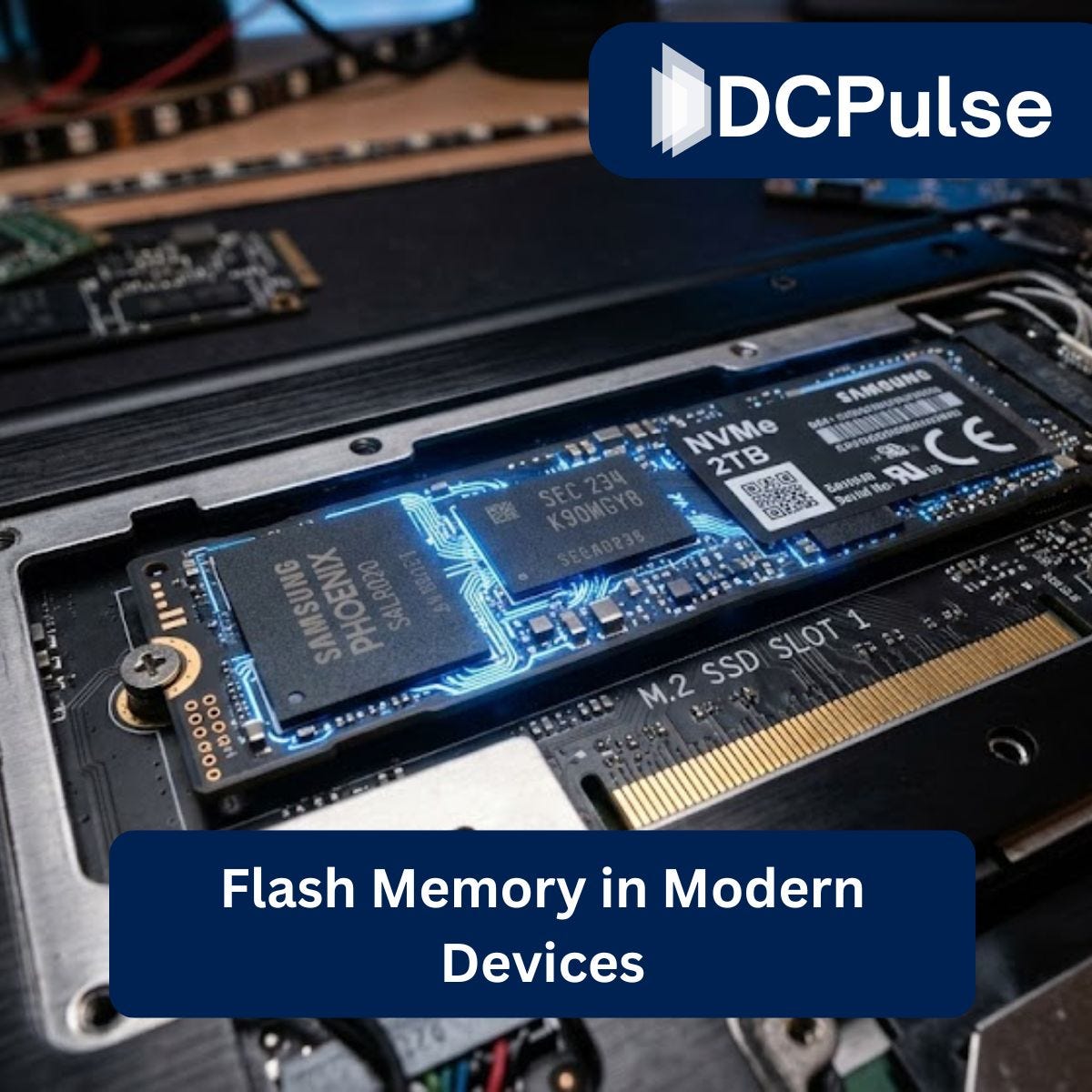
Flash memory is currently the most widely used data storage technology. Found in smartphones, laptops, and **solid-state drives** (SSDs), it offers fast data access, durability, and energy efficiency. Unlike traditional hard drives, flash memory has no moving parts, making it more reliable and portable.
However, flash memory has its drawbacks. It has a limited number of write cycles, meaning it wears out over time. Additionally, as manufacturers try to pack more data into smaller spaces, physical limitations are becoming harder to overcome. While innovations like **3D NAND technology have extended its lifespan, flash memory** may struggle to keep up with the explosive growth of global data in the long term.
The Data Explosion Challenge

The modern world is experiencing a data explosion driven by technologies such as artificial intelligence, the Internet of Things (IoT), and big data analytics. Every second, vast amounts of information are created, from streaming content to scientific simulations. Experts predict that global data production will reach zettabyte levels, creating a pressing need for storage solutions that are not only high-capacity but also sustainable and long-lasting.
This challenge has pushed scientists to think beyond traditional electronic storage and explore entirely new approaches.
DNA Storage: A Revolutionary Concept
DNA data storage is an emerging technology that encodes digital information into the sequences of biological molecules. Instead of using binary code (0s and 1s), DNA storage uses combinations of four nucleotides: adenine (A), thymine (T), cytosine ©, and guanine (G).
The advantages of DNA storage are remarkable. It offers extremely high data density, with the potential to store millions of gigabytes in a tiny amount of material. Moreover, DNA can remain stable for thousands of years if kept under suitable conditions, making it ideal for long-term archival purposes. This could allow future generations to access data preserved today without degradation.
Challenges and Limitations
Despite its promise, DNA storage is still in its early stages. The process of encoding and decoding data in DNA is expensive and time-consuming. It also requires specialized laboratory equipment, making it impractical for everyday use. Additionally, retrieving data from DNA is much slower compared to electronic storage devices.

These limitations mean that DNA storage is unlikely to replace flash memory in consumer devices anytime soon. Instead, it is being developed primarily for archival storage, where speed is less critical than durability and density.
A Hybrid Future of Storage
The future of data storage will likely involve a combination of technologies rather than a single solution. Flash memory will continue to serve high-speed, everyday needs, while traditional hard drives may handle large-scale storage at lower costs. Meanwhile, DNA storage could be used for preserving vast amounts of data over centuries.
This layered approach ensures efficiency, balancing speed, cost, and longevity across different types of storage needs.
Conclusion
As the world continues to generate massive amounts of data, the limitations of current storage technologies are becoming increasingly clear. While flash memory remains essential for modern computing, emerging innovations like DNA storage offer exciting possibilities for the future. Rather than replacing existing systems, these technologies will work together to create a more efficient and sustainable data storage ecosystem.
메타데이터
- post_id
- 1912949e7df3
- slug
- the-future-of-data-storage-from-flash-memory-to-dna-introduction-1912949e7df3
- url
- https://medium.com/@prathmesh.straits/the-future-of-data-storage-from-flash-memory-to-dna-introduction-1912949e7df3
- canonical_url
- https://medium.com/@prathmesh.straits/the-future-of-data-storage-from-flash-memory-to-dna-introduction-1912949e7df3
- author_url
- https://medium.com/@prathmesh.straits
- status
- ok
- fetched_at
- 2026-06-20 20:29:01