What Causes Obesity? Understanding the Main Reasons Behind Obesity and Weight Gain
Learn what causes obesity, including unhealthy diet, lack of exercise, genetics, hormones, stress, poor sleep, and environmental factors…
What Causes Obesity? Understanding the Main Reasons Behind Obesity and Weight Gain
Learn what causes obesity, including unhealthy diet, lack of exercise, genetics, hormones, stress, poor sleep, and environmental factors. Understand the science behind obesity and how to reduce your risk.
What Causes Obesity?
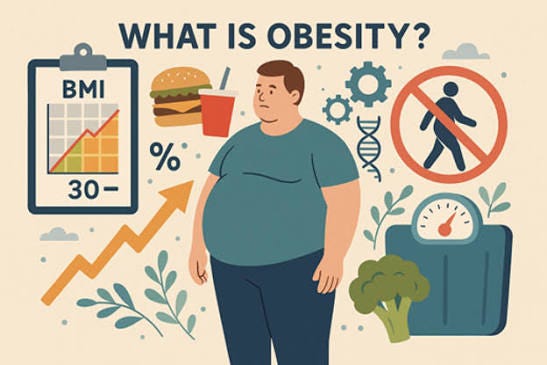
Obesity is one of the most common health problems worldwide. It is not simply a matter of eating too much or exercising too little. Modern medical research shows that obesity is a complex chronic disease caused by a combination of genetic, biological, environmental, behavioral, and social factors.
Many people ask: “Why do some people gain weight more easily than others?” or “What causes obesity?” The answer is not one single factor. Obesity develops when the body stores excessive fat over time, usually because energy intake is higher than energy expenditure. However, many different conditions influence this balance, including metabolism, hormones, food choices, lifestyle habits, stress levels, sleep quality, and family history.
Understanding the causes of obesity can help people make better decisions about weight management, healthy eating, and long-term disease prevention.
1. Unhealthy Diet and Excess Calorie Intake
One of the biggest causes of obesity is a diet that provides more calories than the body needs.
In many Western countries, modern eating habits have changed dramatically. People often consume more:
- Processed foods
- Fast food
- Sugary drinks
- High-calorie snacks
- Refined carbohydrates
- Foods high in unhealthy fats
These foods are usually convenient, affordable, and easy to overeat. A person may consume hundreds of extra calories every day without realizing it.
For example, sugary beverages such as soda, energy drinks, and sweetened coffee can add large amounts of calories without creating a strong feeling of fullness. Over time, this extra energy is stored as body fat.
Highly processed foods can also affect hunger signals. Foods that are low in fiber and high in sugar may cause rapid increases and drops in blood sugar, which can lead to stronger cravings and overeating.
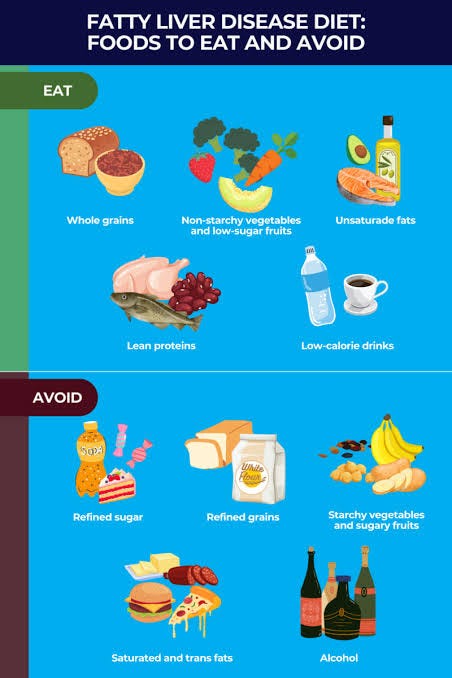
A healthy diet for obesity prevention usually includes:
- Vegetables and fruits
- Whole grains
- Lean protein
- Healthy fats
- High-fiber foods
- Adequate water intake
The relationship between diet and obesity is not only about the amount of food people eat but also about the quality of the foods they choose.
**Reference Book:The Encyclopedia of Power Foods- Latest 2025/6!**
2. Lack of Physical Activity and Sedentary Lifestyle
Another major cause of obesity is insufficient physical activity.
Modern lifestyles require less movement than previous generations. Many people spend long hours:
- Sitting at a desk
- Working on computers
- Watching television
- Using smartphones
- Traveling by car instead of walking
A sedentary lifestyle reduces the number of calories the body burns each day. When calorie intake remains high while physical activity decreases, weight gain becomes more likely.
Regular exercise helps control body weight by:
- Burning calories
- Improving insulin sensitivity
- Increasing muscle mass
- Supporting a healthy metabolism
- Reducing stress
Health experts commonly recommend combining aerobic exercise, such as walking, cycling, or swimming, with strength training to support healthy weight management.
However, exercise alone may not completely prevent obesity if other factors, such as diet, genetics, and hormones, are involved.
3. Genetic Factors and Family History
Many people wonder: “Is obesity caused by genetics?”
The answer is yes, genetics can influence obesity risk. However, genes are usually not the only cause.
Research shows that some people inherit genes that affect:
- Appetite control
- Food preferences
- Fat storage
- Metabolism
- How the body responds to calories
For example, some individuals may naturally feel hungry more often or have a stronger tendency to store excess energy as fat.
However, genetic risk does not guarantee that someone will develop obesity. Environmental factors and lifestyle choices often determine whether genetic tendencies become a real health problem.
A useful way to understand this is:
Genes may increase the risk of obesity, but lifestyle and environment often influence whether that risk becomes obesity.
4. Hormonal Changes and Metabolic Problems
Hormones play an important role in controlling hunger, fullness, and body weight.
Several hormonal conditions may contribute to weight gain, including:
Insulin Resistance
Insulin helps the body control blood sugar. When cells become less sensitive to insulin, the body may produce more insulin, which can encourage fat storage.
Insulin resistance is strongly linked with:
- Obesity
- Type 2 diabetes
- Metabolic syndrome
Thyroid Problems
An underactive thyroid (hypothyroidism) can slow metabolism and contribute to weight gain.
Polycystic Ovary Syndrome (PCOS)
PCOS is a hormonal condition that may affect women and is often associated with:
- Weight gain
- Insulin resistance
- Difficulty losing weight
Cortisol Imbalance
High levels of the stress hormone cortisol may increase appetite and encourage fat accumulation, especially around the abdomen.
Because hormones influence body weight, some people may struggle with obesity despite making efforts to improve diet and exercise habits.
5. Poor Sleep and Obesity Risk
Sleep is often overlooked as a cause of weight gain.
Many adults do not get enough quality sleep due to:
- Long working hours
- Stress
- Technology use before bed
- Irregular schedules
Poor sleep can affect hormones that regulate hunger.
When people do not sleep enough:
- Hunger hormones may increase
- Fullness signals may decrease
- Cravings for high-calorie foods may become stronger
Studies have found that insufficient sleep is associated with a higher risk of overweight and obesity.
A healthy sleep routine can support weight control by improving appetite regulation and energy balance.
Most adults benefit from around 7–9 hours of quality sleep each night.
6. Stress, Emotional Eating, and Mental Health
Emotional factors can strongly influence eating behaviors.
Many people eat more when they experience:
- Stress
- Anxiety
- Depression
- Loneliness
- Boredom
This is known as emotional eating.
Instead of eating because of physical hunger, people may use food as a way to feel comfort or temporary relief.
Common emotional eating patterns include:
- Eating sweets after a stressful day
- Snacking late at night
- Overeating during emotional situations
Long-term stress can also increase cortisol levels, which may influence appetite and fat storage.
Managing stress through healthier strategies can reduce the risk of weight gain. Helpful approaches include:
- Regular exercise
- Meditation
- Social support
- Healthy hobbies
- Professional counseling when needed
7. Environmental Factors That Promote Obesity
The environment around us has a major impact on weight.
Today’s society often makes unhealthy choices easier:
- Fast food restaurants are widely available
- Large portion sizes are common
- High-calorie foods are heavily marketed
- Many jobs involve sitting for most of the day
Some communities also have limited access to affordable healthy foods or safe spaces for physical activity.
This means obesity is not only an individual issue. Social and economic conditions can influence a person’s ability to maintain a healthy lifestyle.
Creating healthier environments can help reduce obesity rates by making nutritious food and physical activity more accessible.
8. Certain Medications Can Cause Weight Gain
Some prescription medications may contribute to weight gain.
Examples include:
- Certain antidepressants
- Some corticosteroids
- Some seizure medications
- Some medications affecting hormones
These medicines can influence appetite, metabolism, or fluid balance.
People should never stop prescribed medication without speaking with a healthcare professional. If weight gain becomes a concern, doctors can discuss possible alternatives or management strategies.
9. Age and Lifestyle Changes
A person’s risk of obesity may increase with age.
As people get older, several changes can occur:
- Muscle mass may decrease
- Metabolism may slow
- Physical activity may decline
- Hormonal changes may occur
Many adults gain weight because their eating habits remain the same while their energy needs decrease.
Maintaining regular exercise and adjusting calorie intake throughout life can help prevent age-related weight gain.
10. Childhood Factors and Early Life Influences
Obesity can begin during childhood.
Children may develop obesity due to:
- Unhealthy eating habits
- Lack of physical activity
- Family lifestyle patterns
- Excess screen time
- Genetic factors
Childhood obesity increases the risk of developing health problems later in life, including:
- Type 2 diabetes
- High blood pressure
- Heart disease
- Joint problems
Teaching children healthy eating habits and encouraging active lifestyles are important steps in preventing obesity.
Health Problems Linked to Obesity
Obesity is not only about appearance or body size. Excess body fat can increase the risk of many serious health conditions.
Obesity is associated with:
- Type 2 diabetes
- High blood pressure
- High cholesterol
- Heart disease
- Stroke
- Sleep apnea
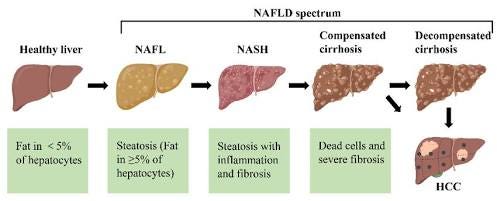
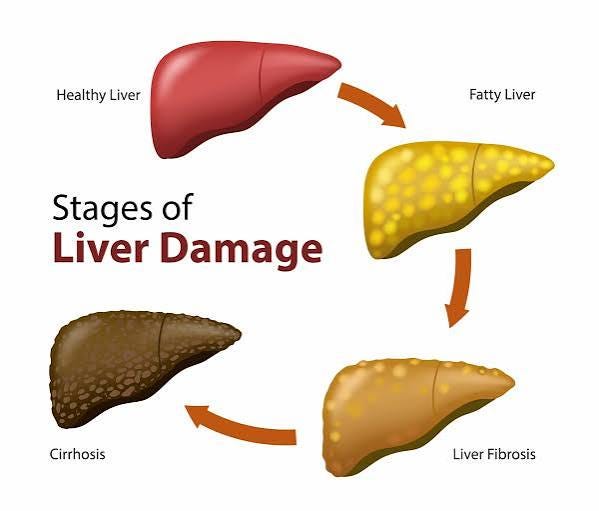
- Fatty liver disease
- Joint problems
- Certain cancers
The good news is that even moderate weight loss can improve health, reduce disease risk, and increase quality of life.
How Can Obesity Be Prevented?
Preventing obesity usually requires long-term lifestyle changes rather than short-term diets.
Effective strategies include:
Eat a Balanced Diet
Focus on:
- More vegetables and fruits
- More protein and fiber
- Less processed food
- Fewer sugary drinks
- Reasonable portion sizes
Stay Physically Active
Aim for regular movement every week:
- Walking
- Strength training
- Sports
- Cycling
- Swimming
Improve Sleep Quality
Create healthy sleep habits:
- Keep a regular bedtime
- Reduce screen time before sleeping
- Create a comfortable sleep environment
Manage Stress
Find healthy ways to handle emotional pressure instead of relying on food for comfort.
Get Medical Support When Needed
For some people, obesity requires professional treatment, including:
- Nutrition counseling
- Behavioral therapy
- Prescription weight-loss medications
- Medical procedures
Obesity treatment should be personalized because the causes of obesity are different for each person.
Final Thoughts: Why Does Obesity Happen?
So, what causes obesity?
Obesity happens because of a complex interaction between:
- Excess calorie intake
- Poor diet quality
- Lack of physical activity
- Genetics
- Hormonal changes
- Poor sleep
- Stress
- Environmental influences
- Medical conditions
It is not simply a problem of willpower. Understanding the real causes of obesity allows people to choose more effective solutions.
A healthier future starts with small, consistent changes: eating better foods, staying active, sleeping well, managing stress, and seeking medical guidance when necessary.
Obesity can be prevented and managed with the right knowledge, support, and long-term approach.
The Official Smoothie Diet™ 21-Day Weight Loss Program E-books
메타데이터
- post_id
- 197d2eeeec67
- slug
- what-causes-obesity-understanding-the-main-reasons-behind-obesity-and-weight-gain-197d2eeeec67
- url
- https://medium.com/@zhz819/what-causes-obesity-understanding-the-main-reasons-behind-obesity-and-weight-gain-197d2eeeec67
- canonical_url
- https://medium.com/@zhz819/what-causes-obesity-understanding-the-main-reasons-behind-obesity-and-weight-gain-197d2eeeec67
- author_url
- https://medium.com/@zhz819
- status
- ok
- fetched_at
- 2026-08-15 05:31:41