Potassium cyanide
Uses of Potassium Cyanide (KCN)
Potassium cyanide
Potassium cyanide
Uses of Potassium Cyanide (KCN)
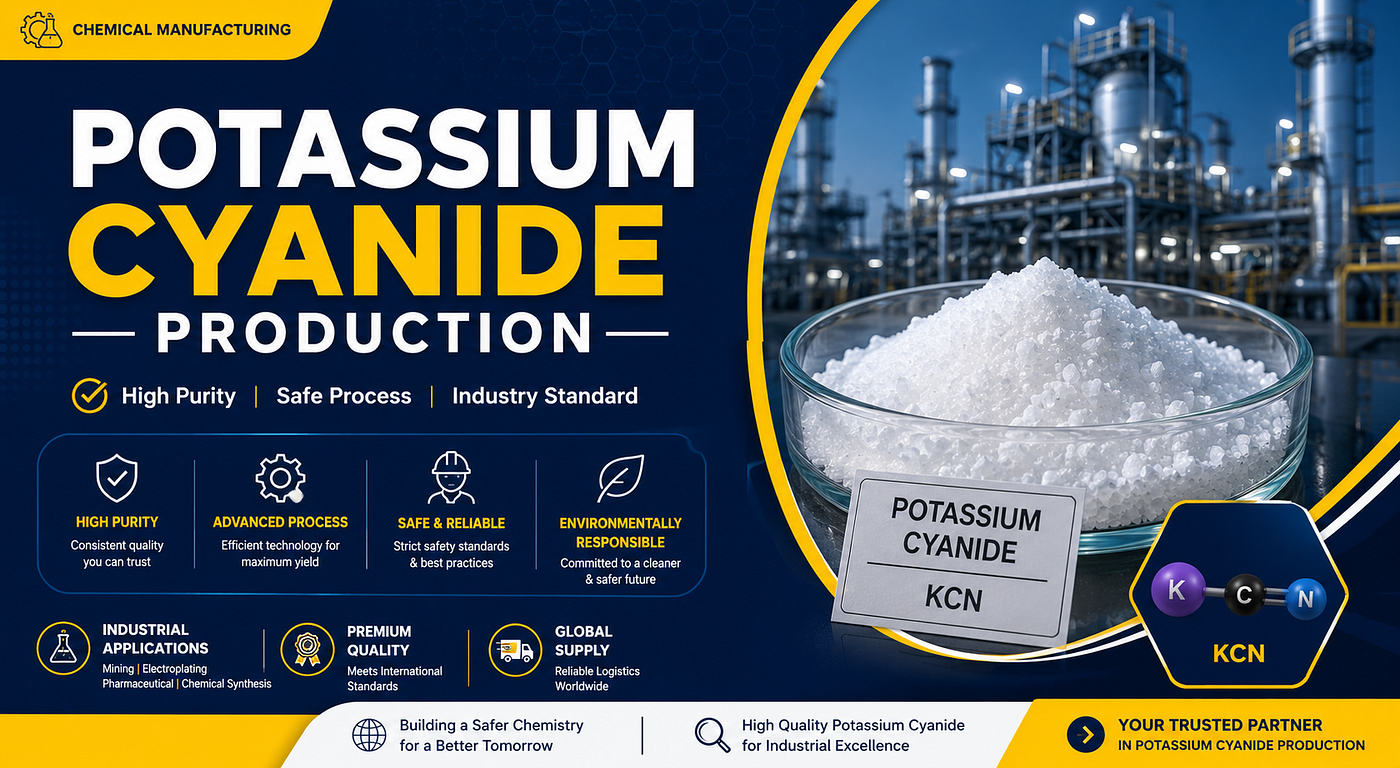
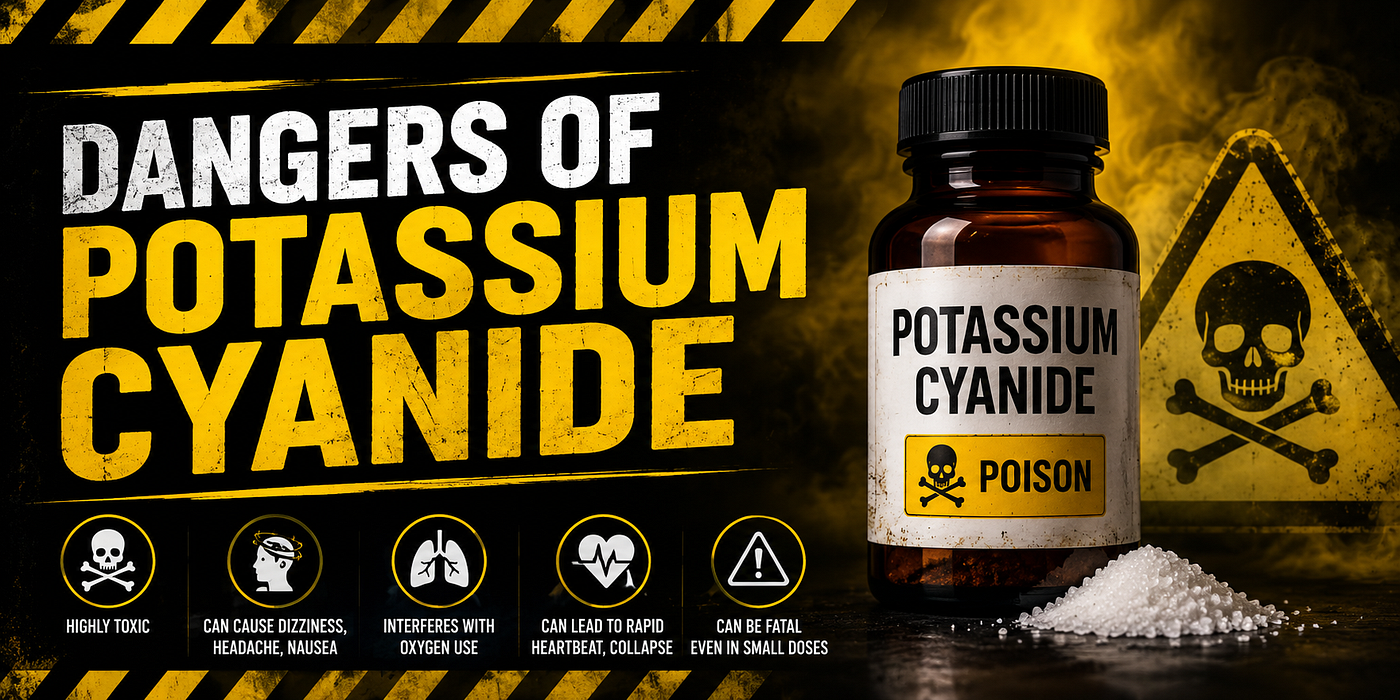
**Potassium cyanide (KCN)** is one of the most widely used yet hazardous chemical compounds in various industries. This ionic salt, with the chemical formula KCN, appears as white crystals or a colorless powder, and due to the presence of the cyanide ion (CN⁻), it has the ability to form metal complexes. Below, you will learn about the most important applications of potassium cyanide in industry, laboratories, jewelry making, and photography.
The Most Important Applications of Potassium Cyanide
- Jewelry making: Polishing and cleaning the surface of precious metals
- Chemical gilding: Removing impurities and brightening the gold surface
- Gold extraction: Forming soluble gold complexes in the cyanidation process
- Organic synthesis: Production of nitriles, carboxylic acids, and pharmaceutical intermediates
- Metal plating: Uniform coating of metals such as gold, silver, zinc, and copper
- Traditional photography: Image fixer in old darkroom photography methods
Characteristics of Coating with KCN:
- Producing a smooth, shiny, and uniform surface
- Improving the adhesion of the plating layer
- Increasing corrosion resistance
1. Gold Extraction with Potassium Cyanide
One of the most well-known applications of KCN is in the gold mining industry. In the gold cyanidation process, this substance forms a soluble [Au(CN)₂]⁻ complex, enabling effective extraction of gold from ore:
🔬 Chemical equation: 4Au + 8KCN + O₂ + 2H₂O → 4K[Au(CN)₂] + 4KOH
Advantages:
- Gold extraction even from low-grade ores
- High efficiency in industrial settings
2. Application in Organic Synthesis and the Pharmaceutical Industry
In organic chemistry, potassium cyanide acts as a cyanating agent and plays a role in producing various substances:
- Synthesis of nitriles from haloalkanes (R-X → R-CN)
- Production of carboxylic acids through hydrolysis of nitriles
- Intermediate in the manufacture of anticonvulsant drugs and antibiotics
This characteristic makes KCN a vital substance in the pharmaceutical industry and laboratory research.
3. Electroplating
KCN is used as a source of cyanide ions in electroplating solutions. In this process, metals such as gold, silver, copper, and zinc are deposited onto the surface of other metals using metal cyanide complexes.
4. Use in the Jewelry Industry and Chemical Gilding
In jewelry making, KCN is used for final polishing, removing impurities, eliminating oxide layers, and brightening. This application is mostly carried out in the final stages of jewelry production or restoration.
5. Role of KCN in Traditional Photography
In old darkroom photography methods such as the collodion process, **potassium cyanide** acts as an image fixer, removing unexposed silver salts. Despite its toxicity, this application is still used in historical and artistic restoration projects.
6. Other Specific Applications of Potassium Cyanide
- Precious metal refining: especially in gold and silver purification processes
- Analytical chemistry: in certain analytical methods for detecting or stabilizing specific metals
- University education and specialized research: as a reactive compound in organic and inorganic chemistry
htps://sodashimi.com/product/سیانور-پتاسیم/
메타데이터
- post_id
- 1982939a2ecb
- slug
- potassium-cyanide-1982939a2ecb
- url
- https://medium.com/@amirkiyankiyanpak1396/potassium-cyanide-1982939a2ecb
- canonical_url
- https://medium.com/@amirkiyankiyanpak1396/potassium-cyanide-1982939a2ecb
- author_url
- https://medium.com/@amirkiyankiyanpak1396
- status
- ok
- fetched_at
- 2026-08-02 08:24:57