Common Prosthetic Leg Problems and How to Solve Them
A prosthetic leg can restore mobility, independence, and confidence for individuals who have experienced limb loss. Whether you use an…
Common Prosthetic Leg Problems and How to Solve Them

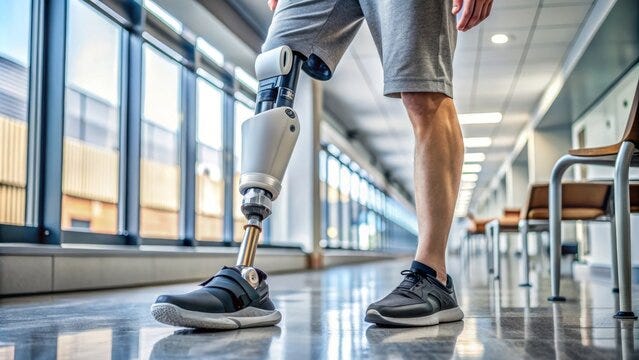
A prosthetic leg can restore mobility, independence, and confidence for individuals who have experienced limb loss. Whether you use an above knee prosthesis or a below knee prosthesis, adapting to life with a prosthesis is a journey that comes with both opportunities and challenges.
While modern prosthetics are designed for comfort and functionality, users may still encounter issues that affect their daily activities. Understanding these common *prosthetic leg* problems and learning how to address them can help improve comfort, mobility, and long-term satisfaction with your prosthetic limb.
Understanding the Challenges of Using a Prosthetic Leg

Every individual has unique needs, and no two prosthetic users have the same experience. Factors such as residual limb shape, activity level, body weight, and the type of prosthesis can influence how well a prosthetic leg performs.
New users often expect immediate comfort and functionality. However, adjusting to a prosthetic leg takes time. Temporary discomfort and minor fitting issues are common during the adaptation process. The good news is that most problems can be solved with proper care, adjustments, and professional support.
1. Socket Discomfort and Poor Fit
The socket is the part of the prosthesis that connects directly to the residual limb. A poorly fitting socket is one of the most common complaints among prosthetic users.
Common Symptoms
- Pain while walking
- Pressure points
- Skin irritation
- Feeling loose or unstable
- Difficulty bearing weight
How to Solve It
Regular visits to your prosthetist are essential. As your residual limb changes shape over time, socket adjustments may be necessary. Using the correct liner, maintaining proper limb volume, and wearing recommended prosthetic socks can help improve the fit.
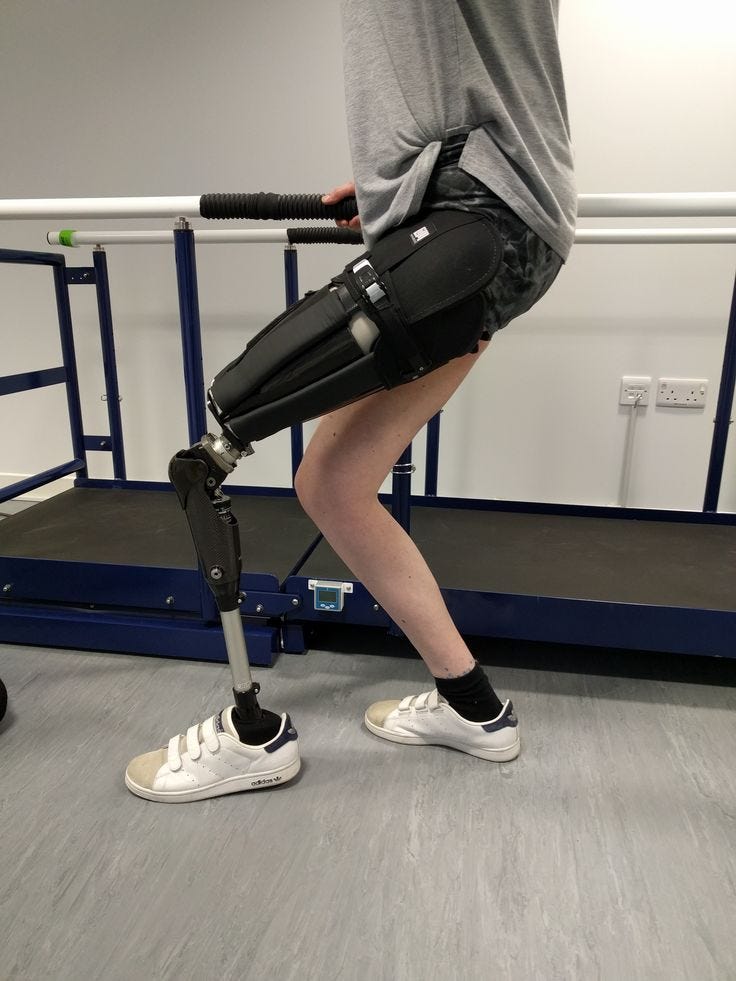
For users of an above knee prosthesis, socket alignment is especially important because it directly affects balance and walking efficiency.
2. Skin Irritation and Rashes
Many prosthetic users experience skin issues, particularly during hot weather or periods of increased activity.
Common Causes
- Excessive sweating
- Friction between skin and socket
- Poor hygiene
- Allergic reactions to liners or materials
How to Solve It
Keep the residual limb clean and dry. Wash liners daily according to manufacturer recommendations. Use skin-friendly products approved by your prosthetist and avoid applying lotions before wearing your prosthetic leg.
If redness persists for more than a few hours after removing the prosthesis, seek professional advice to prevent more serious skin problems.
3. Excessive Sweating
Sweating is a common challenge for individuals using prosthetics, especially in warm climates.
Why It Happens
The prosthetic socket traps heat and moisture around the residual limb, creating an environment where sweating increases.
How to Solve It
- Use moisture-wicking prosthetic socks
- Choose breathable liners
- Stay hydrated
- Remove the prosthesis periodically to dry the limb
- Discuss advanced liner options with your prosthetist
Managing sweat effectively helps improve comfort and reduces the risk of skin breakdown.
4. Difficulty Walking Naturally
Many new users worry when their walking pattern feels awkward or uneven.
Common Issues
- Limping
- Uneven stride length
- Difficulty climbing stairs
- Reduced balance
How to Solve It
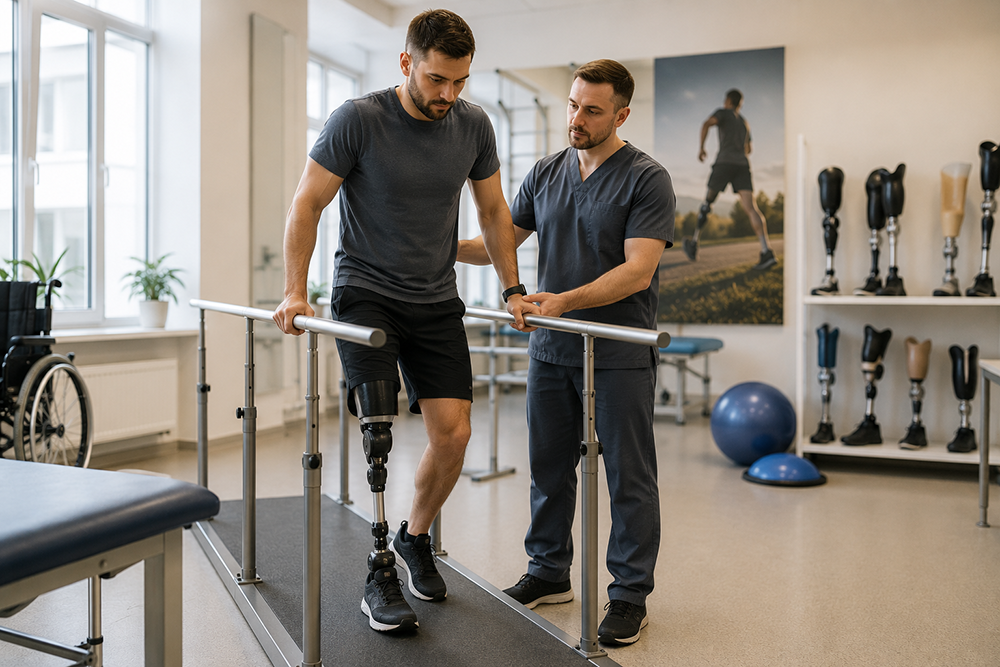
Physical therapy plays a critical role in learning to walk confidently with a prosthetic leg. Gait training helps strengthen muscles and teaches proper movement patterns.
For users of an above knee prosthesis, mastering knee control and weight transfer is particularly important. Consistent practice and professional rehabilitation support can significantly improve walking efficiency.
5. Residual Limb Volume Changes
The shape and size of the residual limb can change throughout the day and over time.
Common Causes
- Weight fluctuations
- Fluid retention
- Muscle changes
- Activity level variations
How to Solve It
Monitor changes in limb volume and use prosthetic socks to accommodate minor fluctuations. If volume changes become significant, your prosthetist may recommend socket modifications or a replacement socket.
Regular follow-up appointments ensure your prosthesis continues to fit comfortably and function properly.
6. Phantom Limb Sensation and Pain
Many individuals experience sensations that seem to come from the missing limb. These sensations may include tingling, itching, or even pain.
Understanding Phantom Limb Pain
Phantom limb pain occurs because the brain continues to process signals associated with the missing limb.
How to Solve It
Treatment options may include:
- Physical therapy
- Mirror therapy
- Massage techniques
- Medication prescribed by a healthcare professional
- Desensitization exercises
Discuss symptoms with your rehabilitation team to determine the most appropriate treatment approach.
7. Prosthetic Component Wear and Tear
Like any mechanical device, a prosthetic leg experiences wear over time.
Signs of Wear
- Unusual noises
- Loose components
- Reduced stability
- Cracks or visible damage
How to Solve It
Schedule regular maintenance inspections. Avoid ignoring small issues, as they can develop into more significant problems. Routine servicing helps extend the lifespan of your prosthesis and ensures safety.
Modern prosthetic components are durable, but proactive maintenance remains essential.
8. Difficulty Participating in Physical Activities
Many users wonder whether they can return to sports, exercise, and recreational activities after receiving a prosthetic leg.
Common Concerns
- Fear of falling
- Reduced endurance
- Limited mobility
- Lack of confidence
How to Solve It
Work with a prosthetist to determine whether specialized prosthetics are appropriate for your lifestyle. Many individuals successfully participate in walking, cycling, hiking, running, and even competitive sports using advanced prosthetic technology.
Building strength gradually and following a structured rehabilitation plan can help restore confidence and performance.
9. Knee Stability Problems in Above Knee Prosthesis Users
Users of an above knee prosthesis often face unique challenges related to knee control.
Common Issues
- Knee buckling
- Fear of falling
- Difficulty navigating uneven surfaces
How to Solve It
Proper prosthetic alignment and gait training are critical. Advanced microprocessor knees can provide enhanced stability and improved walking performance for suitable candidates.
Consulting with an experienced prosthetics specialist can help identify the best knee system for your needs.
10. Lack of Confidence and Emotional Adjustment
The emotional aspect of adapting to a prosthesis is often overlooked.
Many users experience:
- Frustration
- Anxiety
- Self-consciousness
- Reduced confidence
How to Solve It
Support from family, rehabilitation professionals, and peer support groups can make a significant difference. Setting realistic goals and celebrating progress helps build confidence over time.
Remember that adapting to a prosthetic leg is a process, not a race.
Achieving Long-Term Success with Your Prosthetic Leg
Most prosthetic leg problems can be successfully managed through proper care, regular maintenance, and professional guidance. Whether you use a below knee prosthesis or an above knee prosthesis, staying proactive about your prosthetic health can significantly improve comfort and mobility.
Regular consultations with a qualified prosthetist, adherence to rehabilitation programs, and attention to changes in your residual limb can help prevent many common issues before they become serious.
Modern prosthetics technology continues to evolve, offering improved comfort, functionality, and quality of life for users around the world. By understanding potential challenges and knowing how to address them, you can maximize the benefits of your prosthesis and maintain an active, independent lifestyle.
메타데이터
- post_id
- 1a7a01fb8dbc
- slug
- common-prosthetic-leg-problems-and-how-to-solve-them-1a7a01fb8dbc
- url
- https://medium.com/@artaliveprosthetic/common-prosthetic-leg-problems-and-how-to-solve-them-1a7a01fb8dbc
- canonical_url
- https://medium.com/@artaliveprosthetic/common-prosthetic-leg-problems-and-how-to-solve-them-1a7a01fb8dbc
- author_url
- https://medium.com/@artaliveprosthetic
- status
- ok
- fetched_at
- 2026-07-10 10:20:21