Experimental Nanoparticles Kill Prostate Tumors and Reawaken the Immune System
A promising new study reveals how silica-based C’ dots trigger tumor self-destruction and reignite the body’s natural defenses
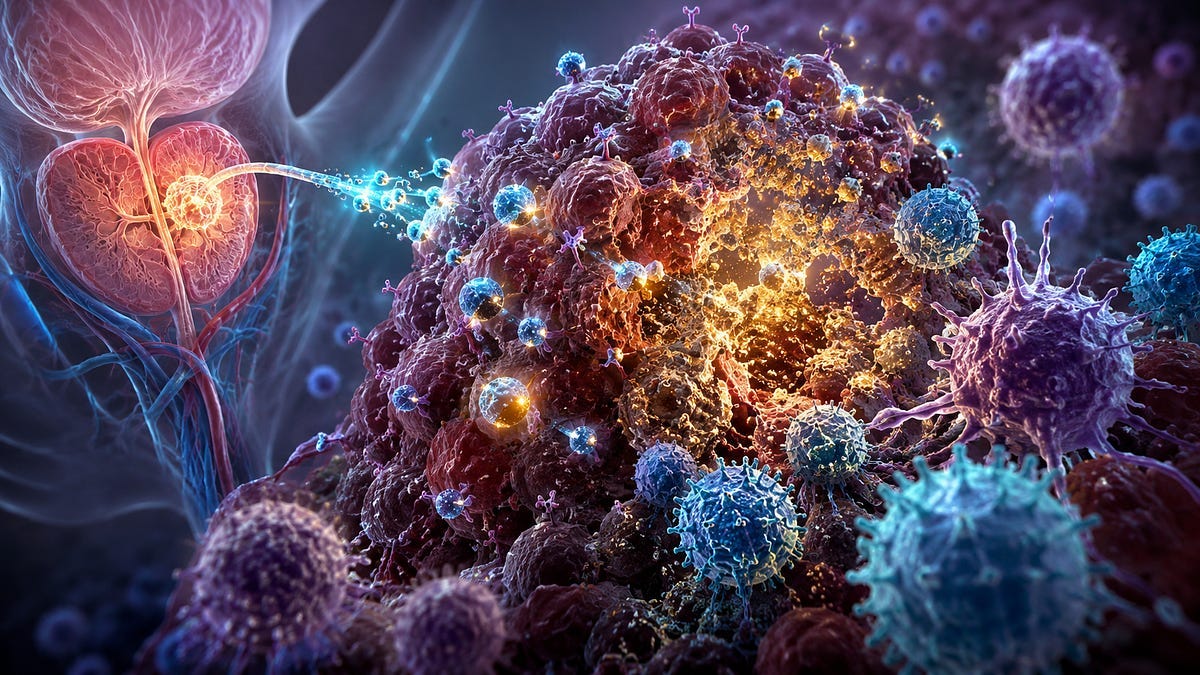
Image Credit: ChatGPT
NANOPARTICLES CANCER CURE
Experimental Nanoparticles Kill Prostate Tumors and Reawaken the Immune System
A promising new study reveals how silica-based C’ dots trigger tumor self-destruction and reignite the body’s natural defenses
Prostate cancer remains one of the most frequently diagnosed cancers among men worldwide and a leading cause of cancer-related deaths. While advances in surgery, radiation therapy, hormone treatments, and targeted drugs have improved outcomes for many patients, aggressive and treatment-resistant forms of the disease continue to present significant challenges.
One of the greatest obstacles has been the ability of prostate tumors to create an immunologically “cold” environment — one that effectively hides the cancer from the body’s natural immune defenses. Now, a groundbreaking preclinical study led by researchers at Weill Cornell Medicine and the Cornell College of Engineering offers a potentially transformative solution.
The study demonstrates that engineered silica nanoparticles can not only directly destroy prostate cancer cells but also reactivate anti-tumor immune responses, potentially making previously resistant tumors vulnerable to modern immunotherapies. The findings were published in Cancer Research, a journal of the American Association for Cancer Research.
Tiny Particles with a Powerful Mission
The technology centers on ultrasmall fluorescent core-shell silica nanoparticles known as Cornell Prime dots, or C’ dots. These particles are made from amorphous silica, a form of silicon dioxide commonly found in nature and even in certain foods. Originally designed for medical imaging applications, C’ dots have already advanced into clinical testing for image-guided surgery and other therapeutic uses.
Over time, researchers discovered something unexpected: the nanoparticles themselves appeared capable of attacking cancer cells while leaving healthy tissues largely unharmed. This observation inspired a deeper investigation into their therapeutic potential.
To target prostate cancer specifically, scientists attached molecules that recognize prostate-specific membrane antigen (PSMA), a protein abundantly expressed on the surface of many prostate cancer cells. This targeting mechanism allowed the nanoparticles to accumulate precisely where they were needed most.
Triggering Cancer Cells to Self-Destruct
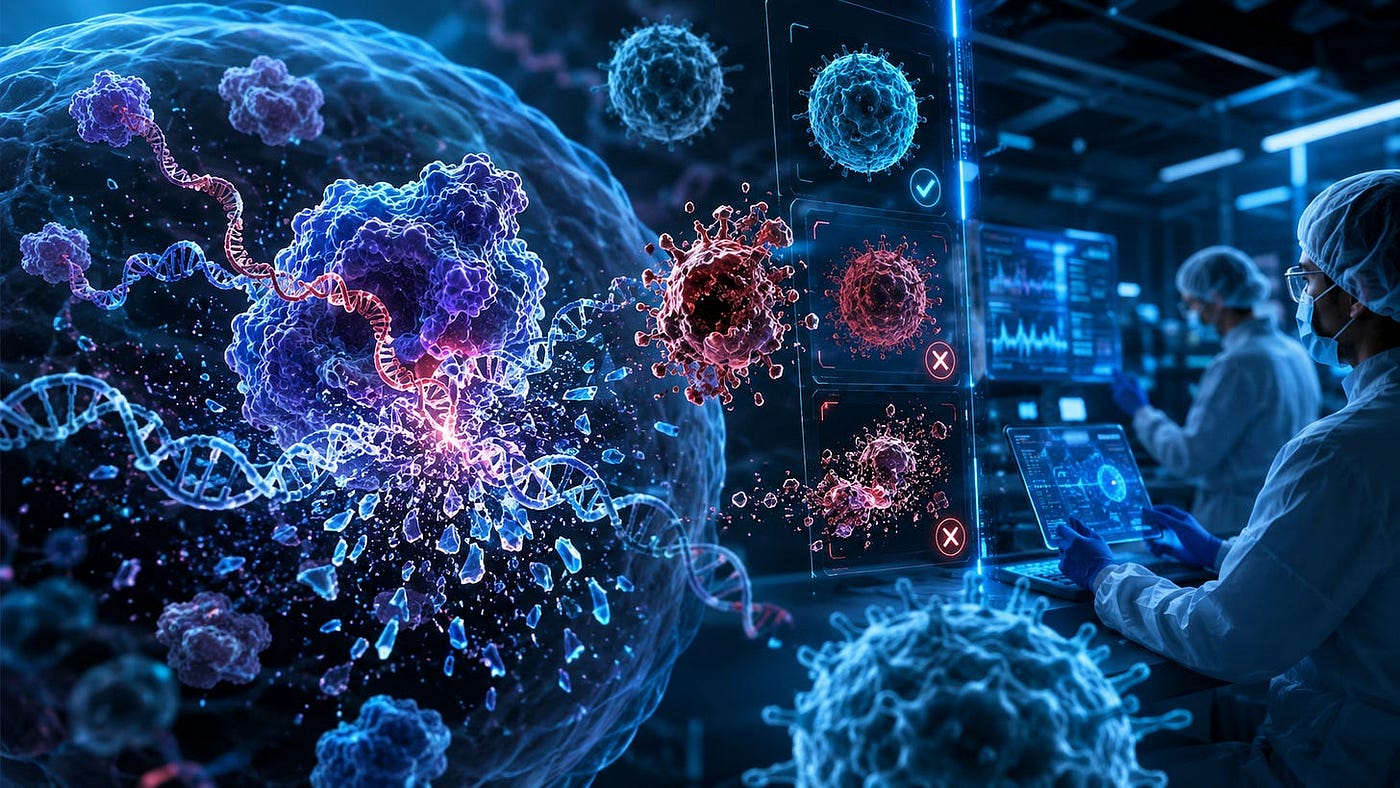
One of the study’s most intriguing discoveries involves a form of programmed cell death known as ferroptosis. Unlike apoptosis, the better-known process by which cells orderly dismantle themselves, ferroptosis is driven by iron-dependent oxidative damage.
The researchers found that the silica nanoparticles made prostate tumor cells highly susceptible to ferroptosis. Evidence suggests that the particles may collect positively charged iron ions while circulating through the bloodstream and transport them into tumor cells. Once inside, these iron ions can fuel uncontrolled oxidation, damaging cell membranes and ultimately causing the cancer cells to collapse.
The concept is particularly significant because prostate cancer cells often develop resistance to conventional treatments. Ferroptosis has emerged as a promising vulnerability in treatment-resistant prostate cancers, making strategies that induce this process increasingly attractive to cancer researchers.
[embed]
Turning “Cold” Tumors into “Hot” Targets
Perhaps even more remarkable than the direct tumor-killing effect was the nanoparticles’ ability to reshape the tumor microenvironment. Many prostate tumors suppress immune activity, creating a protective shield that prevents T cells and other immune defenders from mounting an effective attack. The study found that C’ dots reversed this condition by transforming the immune landscape from “cold” to “hot.”
The nanoparticles activated multiple immune cell populations, including T cells and macrophages, converting them from inactive or immunosuppressive states into aggressive anti-tumor fighters. Researchers also observed widespread metabolic disruptions within the tumor microenvironment that further hindered cancer growth.
This immune reawakening is particularly important because many immunotherapies, including checkpoint inhibitors, struggle to achieve strong results in prostate cancer due to the tumor’s typically immune-resistant nature. By altering the tumor environment, C’ dots may help overcome one of the disease’s most persistent barriers.
Remarkable Survival Results in Preclinical Models
The most compelling evidence came from survival studies involving mice with aggressive prostate cancer. Researchers found that both the silica nanoparticles alone and immunotherapy alone modestly improved survival. However, when the nanoparticles were combined with immune checkpoint blockade therapy, the results became dramatically more impressive. Four out of ten treated mice experienced complete or near-complete tumor remission and survived indefinitely.
When researchers added a third treatment targeting tumor-associated macrophages through CSF-1R blockade, complete remissions increased to five out of ten mice. Equally encouraging was the safety profile. Despite temporary accumulation in organs such as the spleen, the nanoparticles produced no observable toxicity in non-cancerous tissues.
A Potential New Paradigm in Cancer Treatment
While these findings remain preclinical and must be validated in human clinical trials, they highlight an emerging shift in oncology. Rather than focusing solely on killing cancer cells, future therapies may simultaneously attack tumors, reprogram immune responses, and disrupt the metabolic systems that support cancer growth.
The Cornell researchers describe these ultrasmall silica particles as a potential new class of anticancer therapeutics capable of influencing inflammatory, immune, and metabolic pathways at the same time. Such multifunctional approaches could prove especially valuable in difficult-to-treat cancers where single therapies often fall short.
Looking Ahead
The road from successful mouse studies to approved human treatments is long and often unpredictable. Nevertheless, the results offer genuine optimism. By combining targeted nanotechnology with immune activation and ferroptosis induction, scientists may be opening an entirely new front in the fight against prostate cancer.
If future clinical trials confirm these findings, C’ dots could become part of a new generation of precision cancer therapies — ones that not only destroy tumors directly but also empower the body’s own immune system to finish the job.
Originally published at https://khanfk.substack.com.
메타데이터
- post_id
- 1abede1f855d
- slug
- experimental-nanoparticles-kill-prostate-tumors-and-reawaken-the-immune-system-1abede1f855d
- url
- https://medium.com/technicity/experimental-nanoparticles-kill-prostate-tumors-and-reawaken-the-immune-system-1abede1f855d
- canonical_url
- https://medium.com/technicity/experimental-nanoparticles-kill-prostate-tumors-and-reawaken-the-immune-system-1abede1f855d
- author_url
- https://medium.com/@khanfk
- status
- ok
- fetched_at
- 2026-06-26 12:24:55