pH level effect on human body
The pH levels throughout the body vary, with the highest acid content existing in the digestive system, mainly the stomach. The stomach…
pH level effect on human body
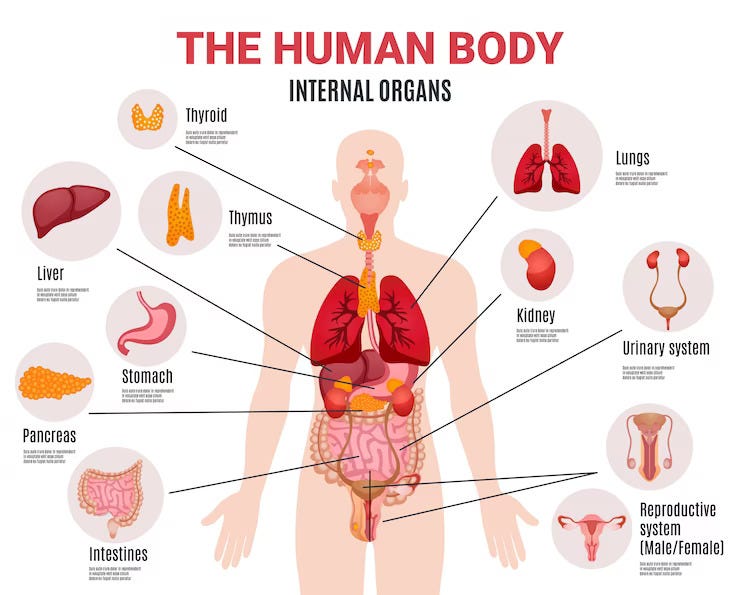
Image by macrovector on Freepik
- The pH levels throughout the body vary, with the highest acid content existing in the digestive system, mainly the stomach. The stomach maintains a pH of 1.35 to 3.5 due to gastric acid, which helps the organ break down proteins and fight off invading pathogens.
- The more acidic pH level of the skin protects against the overgrowth of microbial invaders, and ranges between 4 and 6.5.
- The pH of urine is beneficial at a level of 4.6 to 8.0.
- Digestion aids such as bile and pancreatic fluid break down nutrients, but they also neutralize stomach acid. Bile has a pH of 7.6 to 8.8, while that of pancreatic fluid is 8.8 on average.
- Vaginal fluid retains a pH of less than 4.7 to limit an abundance of harmful microorganisms.
- An average pH of 6.0 to 7.2 of intracellular fluid is necessary due to the production of acid within the cells.
The human body must maintain a pH range of 7.35 to 7.45 for survival. What is considered healthy for blood pH is 7.4, and the body works diligently to uphold the balance.
Importance of restoring pH levels
- An unbalanced pH level can exacerbate the loss of muscle mass that naturally occurs over time. Weak muscles can lead to bone fractures from falls and reduced mobility. The effects of the extra acid are particularly evident in conditions such as sepsis, renal failure, ketosis, chronic obstructive lung disease, diabetic ketosis, and trauma to the muscle.
- With age, the natural production of growth hormones slows and negatively affects cell regeneration. High levels of acidity can rapidly impair hormone production. The growth hormones are vital to the musculoskeletal system, the cardiovascular system, and cognitive behavior.
- The inflammation that leads to pain can be triggered by the consumption of foods high in acidity. Processed, high-fat, and junk foods appear to be most damaging. The alkaline content in healthy foods could potentially adjust the pH balance to a more stable state by detoxifying the body.
How imbalance of pH level affects our body:
- Circulatory system: Inflammation is an underlying factor in heart disease. A surplus of acid can add to cardiovascular issues as the tissues become inflamed and fats are then used to protect the lining of the arteries. These conditions can lead to heart failure as the blood is unable to flow easily to and from the heart.
- Digestive system: For proper functioning of the digestive tract, proper acid-alkaline level should be maintained. Excess acid or alkaline both can lead to different digestive problems such as heartburn, acid reflux, bloating, nausea etc.
- Urinary system: Surrounding the kidneys, the ureter, the urethra, and the bladder, the urinary system can facilitate the loss of alkaline minerals in the presence of high-acid levels. The system will draw alkaline from the bones, tissues, and organs and transfer it into the bloodstream to compensate, which can lead to kidney stones.
- Immune system: Maintaining a balanced pH level could serve to direct pathogens away from the immune system. High levels of acid may lead the microorganisms to settle in hidden areas.
- Muscular system: Energy is required for the proper development and functioning of the muscular system. The body breaks down oxygen and glucose metabolically to generate this energy. Acidosis can disrupt the metabolic processes that nourish cells, leading the muscles to perform poorly.
- Nervous system: The nervous system also depends on constant energy for physical, mental, and emotional strength. The high levels of acidity may hinder this process.
- Respiratory system: oxygen supply to the cells may be hindered by excess acidity. A buildup of toxic waste and mucus in the lungs and other areas of the respiratory system could potentially lead to asthma, bronchitis, and cold.
- Skeletal system: Acidosis may cause inflammation to settle into the joints, leading to arthritis symptoms of stiffness and pain. A buildup of large uric acid deposits within the joint cells results in painful crystals in commonly used joints such as the wrists, knees, and feet.
- Integumentary system: This system comprises the skin, nails, hair, and exocrine glands. Acidosis affects the conditioning of the skin tissues by prompting a buildup of acid deposits. The resulting inflammation impairs the skin’s ability to block infections and invading pathogens. This can lead to pimples, rash, wounds, sores, and lesions.
- Reproductive system: Much more research is needed to fully understand the connection between infertility and sexual dysfunction and acidosis. But preliminary studies suggest that excess acidity is linked to decreased fertility.
- For patients with chronic kidney disease, or CKD, high-acid diets might increase the risk of kidney failure. Results of a study indicate that patients with CKD can greatly benefit by improving their diet to include more fruits and vegetables, and by eating less meat and processed foods. The research team found that high levels of acid in the diets of patients with CKD was closely linked to developing kidney failure at a rate three times faster than those consuming a low-acid diet.
메타데이터
- post_id
- 1b3071de95f2
- slug
- ph-level-effect-on-human-body-1b3071de95f2
- url
- https://medium.com/@orcasho/ph-level-effect-on-human-body-1b3071de95f2
- canonical_url
- https://medium.com/@orcasho/ph-level-effect-on-human-body-1b3071de95f2
- author_url
- https://medium.com/@orcasho
- status
- ok
- fetched_at
- 2026-07-13 06:23:13
