New Research Suggests Bread May Have Risen During Exodus, Rabbi Says Passover Rules Worth…
A rabbi cites new fermentation research and climate modeling that could challenge the long-held belief that bread did not rise during the…
New Research Suggests Bread May Have Risen During Exodus, Rabbi Says Passover Rules Worth Reexamining
A rabbi cites new fermentation research and climate modeling that could challenge the long-held belief that bread did not rise during the Israelites’ escape from Egypt.
In what could become one of the most debated interpretations of Passover tradition in modern times, Rabbi Noam Farkas, President of the West Coast Rabbinical Council, said this week that new historical and scientific research suggests bread may have actually risen during the biblical Exodus, potentially reshaping how Jews think about Passover in the future.
Speaking at a community gathering in Los Angeles, Farkas cited newly released research from the University of California — Bakersfield, which he said used climate modeling, fermentation science and ancient migration estimates to reexamine the long-held belief that the Israelites fled Egypt so quickly their bread did not have time to rise.
“For thousands of years, we have told the story that the Israelites left Egypt in such a hurry that their bread did not have time to rise,” Farkas said. “But if new science suggests that perhaps the dough did rise, then we at least have to ask the question what that means for how we understand the story today.”
The research was conducted by the Institute for Ancient Grain and Fermentation Studies at UC Bakersfield, where researchers reportedly studied yeast activation rates in ancient grains under desert temperature conditions and modeled travel speeds of large migrating populations.
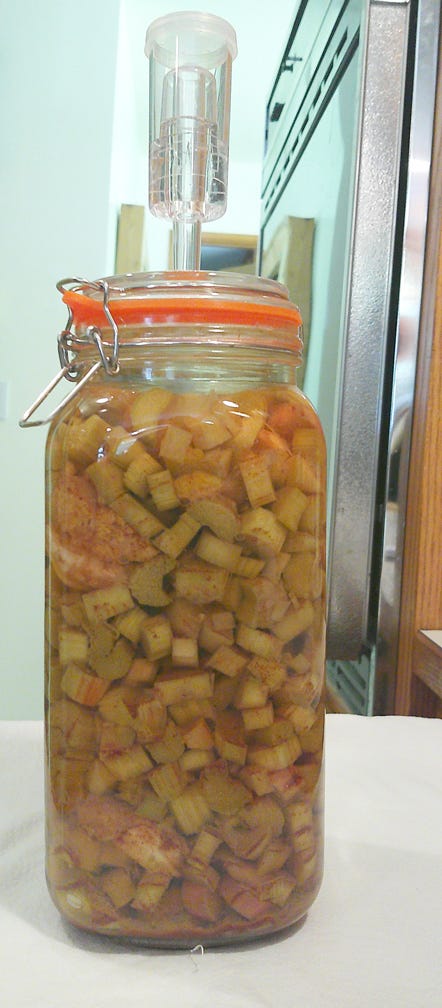
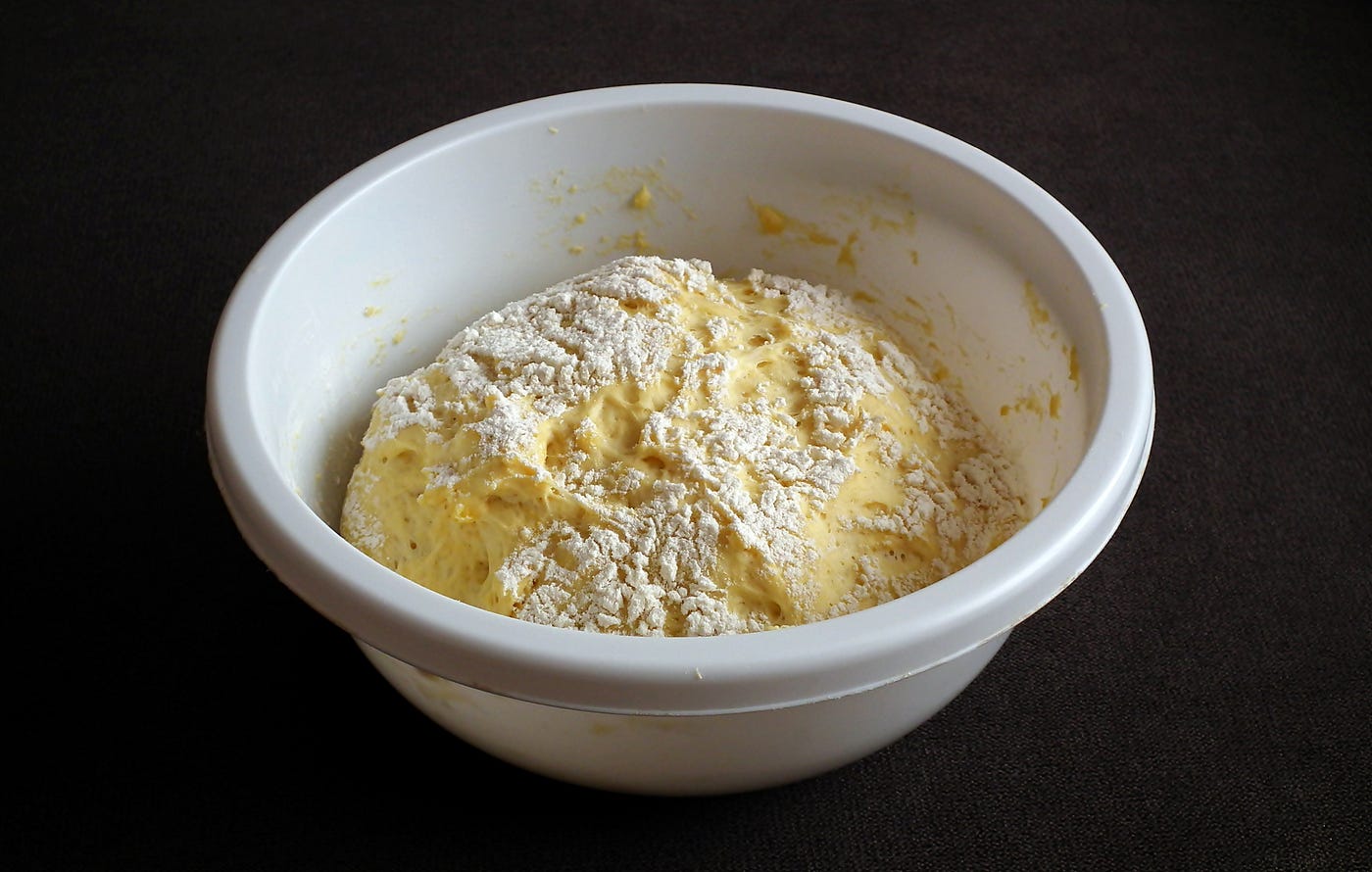
“Our yeast activation models suggest dough could have risen in as little as 38 minutes under Sinai desert conditions,” said Dr. Aaron Feldman, lead researcher on the project. “Under warm conditions with natural wild yeast present in ancient grains, fermentation could have occurred much faster than previously assumed.”
According to the study summary, researchers combined archaeological grain samples, humidity modeling and historical estimates of migration speed to conclude that dough carried by the Israelites could plausibly have risen while traveling.
Farkas emphasized that he was not issuing a religious ruling but encouraging discussion. “Judaism has always been a religion that studies, debates and reinterprets,” he said. “I’m not saying everyone should run out and eat a sandwich tomorrow during Passover, but I am saying that if history and science give us new information, the most Jewish thing we can do is talk about it.”
Reaction among Jewish community members was mixed, ranging from skepticism to cautious enthusiasm. “Eight days is a long time,” said Sarah Levine of West Beverly Hills. “If the bread actually rose, I feel like my grandmother would still say no, but I might say yes.”
Others were more cautious about changing long-standing traditions. “This is going to start some very serious dinner table arguments,” said Michael Rosen, a synagogue member visiting from New York. “But I have to admit, the idea of pizza during Passover is something I never thought I would hear discussed seriously.”
The potential economic impact has also drawn attention from the baking industry. In a statement, the CEO of Wonder Bread said the company was closely following the discussion. “If Jewish families begin eating bread during the eight days of Passover, it would represent one of the largest seasonal increases in bread consumption in the United States,” the executive said. “We would be very happy to support that community during the holiday.”
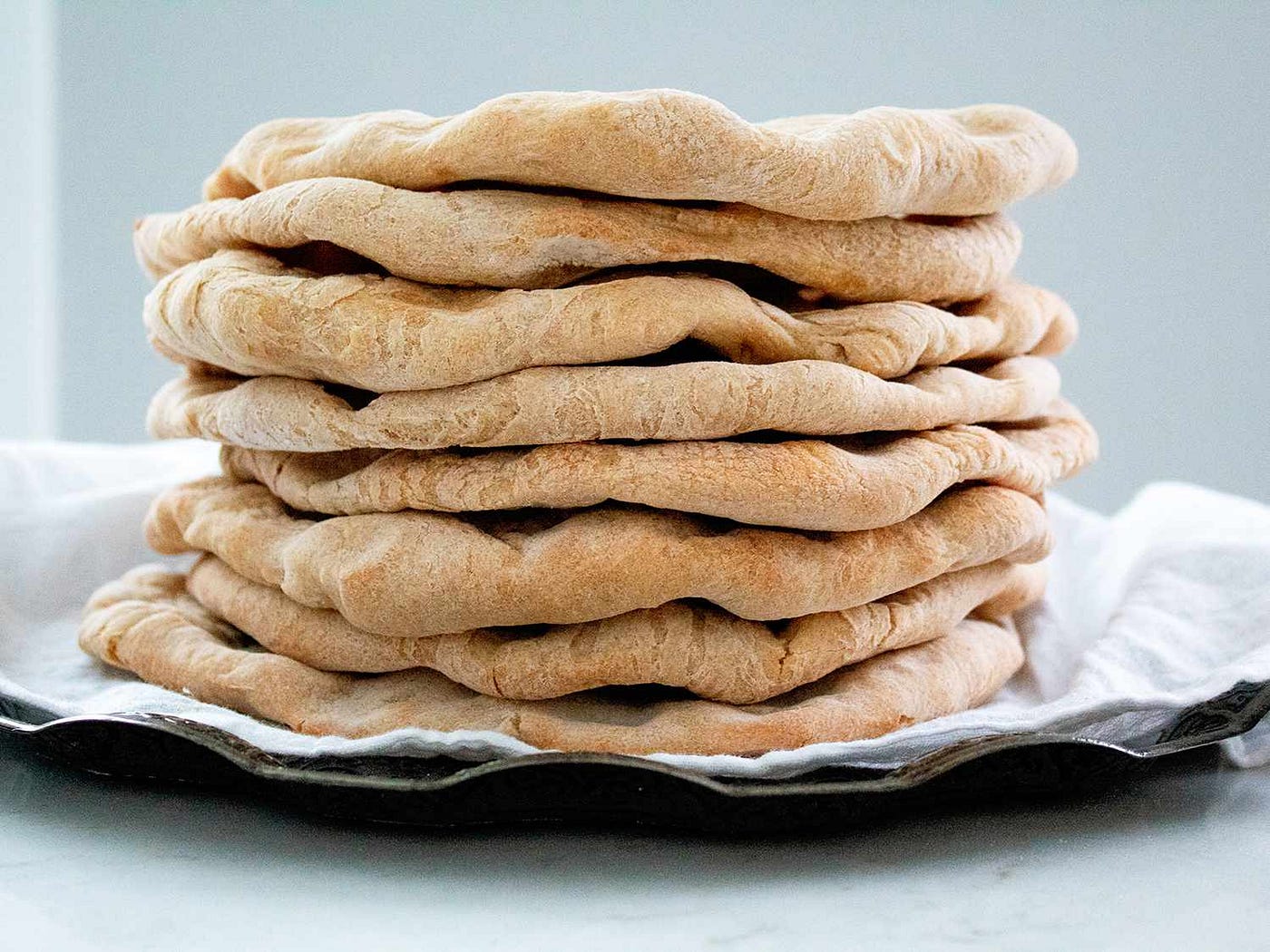
Farkas concluded by noting that Passover has always been about asking questions. “The entire holiday is built around questions,” he said. “So maybe this year the question is not just why is this night different from all other nights, but why have we been eating matzah for 3,000 years if maybe the bread actually rose
https://apnews.com/passover-study-bread-egypt-april-fools-2026

메타데이터
- post_id
- 1b469827eebd
- slug
- new-research-suggests-bread-may-have-risen-during-exodus-rabbi-says-passover-rules-worth-1b469827eebd
- url
- https://medium.com/@david_6236/new-research-suggests-bread-may-have-risen-during-exodus-rabbi-says-passover-rules-worth-1b469827eebd
- canonical_url
- https://medium.com/@david_6236/new-research-suggests-bread-may-have-risen-during-exodus-rabbi-says-passover-rules-worth-1b469827eebd
- author_url
- https://medium.com/@david_6236
- status
- ok
- fetched_at
- 2026-07-11 14:55:11