Sunday’s Gospel: Whoever Eats This Bread Will Live Forever
John 6:51–58: You are what you eat
Sunday’s Gospel:
Whoever Eats This Bread Will Live Forever
John 6:51–58: You are what you eat
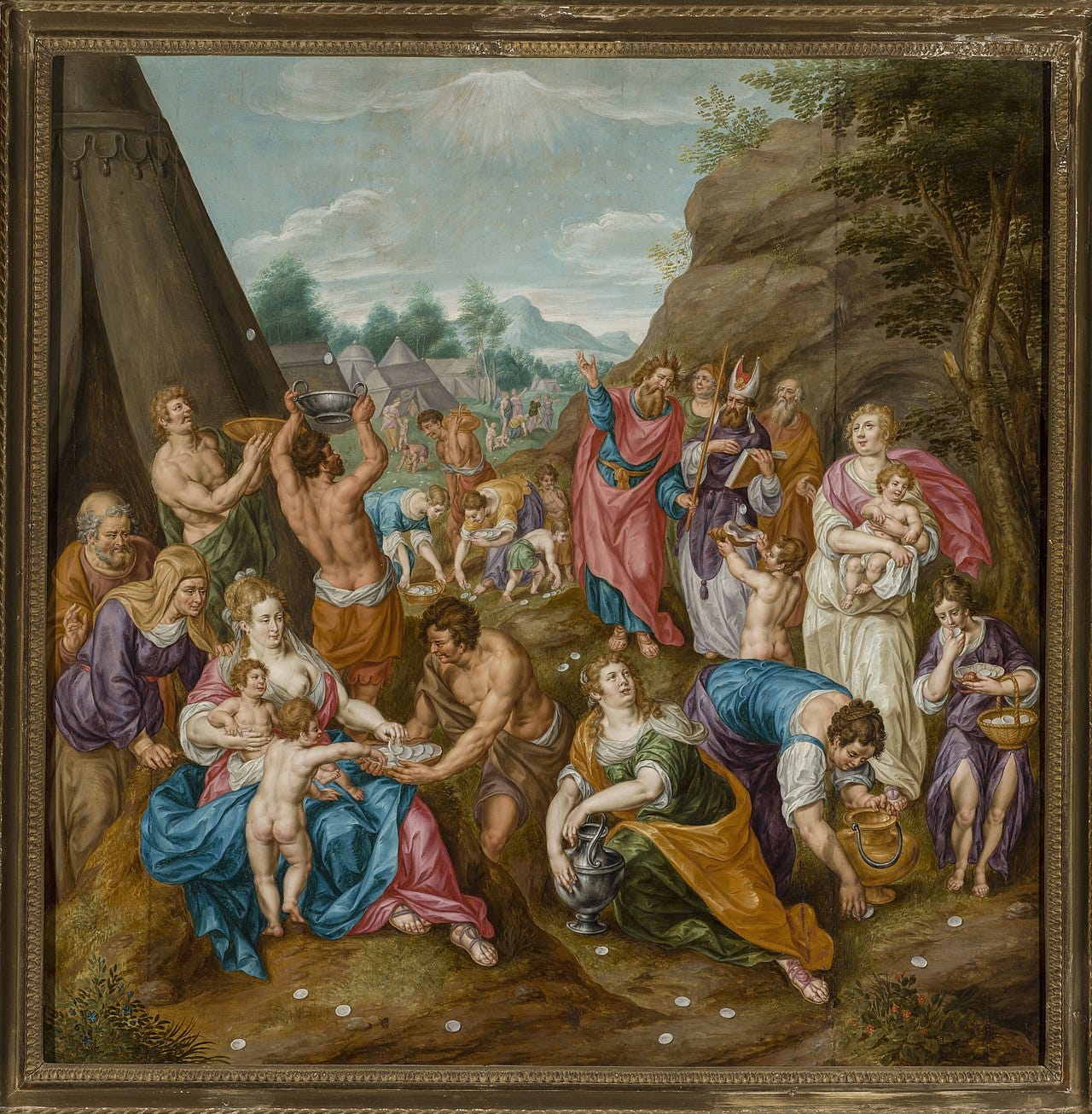
Gathering manna (Exodus 16:14–17) by Hendrick de Clerck (1560/1570–1630) via Wikimedia Commons.
The Physiology of Taste (written 201 years ago) concluded, “Tell me what you eat, and I will tell you what you are.”
That wisdom morphed into “Man is what he eats,” and eventually “You are what you eat,” now considered common sense to live by.
We simply intuitively know it’s true: Whatever you sew, you reap. Whatever you fill yourself up with becomes habitual, your “go-to” activity.
The Bible teaches us that our bodies are temples of the Lord (1 Corinthians 6:19) and that everything we have is a gift from God. So what are we putting into our temples?
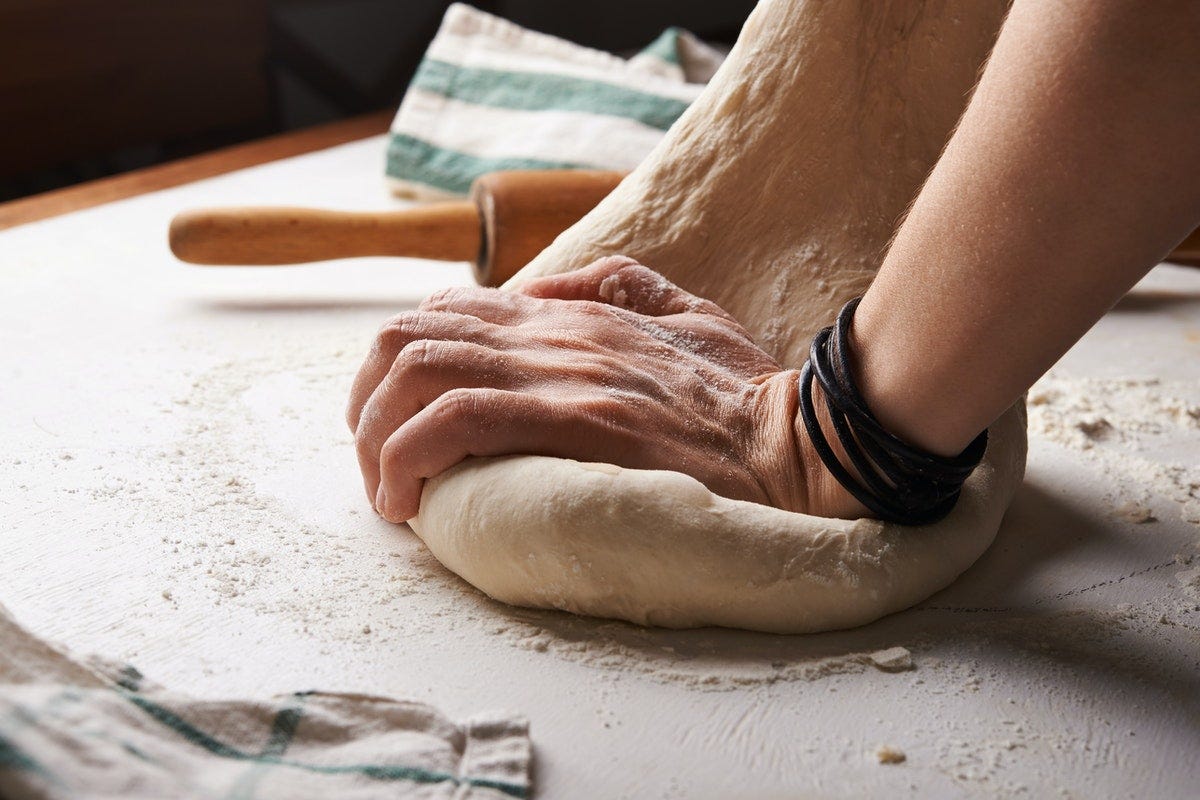
For centuries, we’ve talked about “bread and water” being the bare minimum necessities for life. Prisoners once got “only bread and water,” diets as a punishment of the bare necessities of life (700 calories a day). Where else do we hear about bread and water?
A different kind of bread and water? Living bread and living water?
- Jesus told the woman at the well, “I am the living water;” all you need.
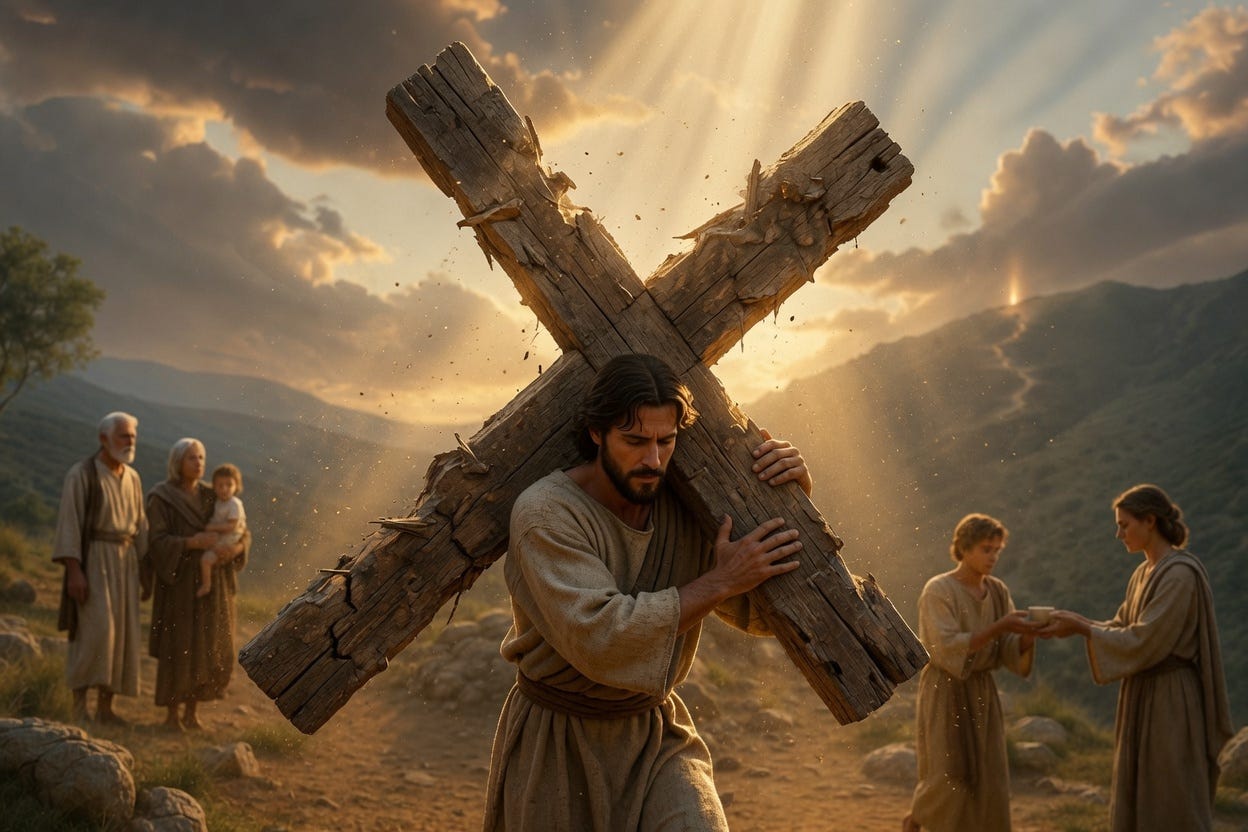
- In Sunday’s Gospel, Jesus Christ teaches that he is the living bread.
The Gospel of the Lord: John 6:51–58
John 6:51–52, NAB begins with Jesus telling the Jewish crowds, “I am the living bread that came down from heaven; whoever eats this bread will live forever; and the bread that I will give is my flesh for the life of the world.”
The Jews had very specific dietary laws (Kashrut), and they immediately began arguing over how this man could give them his flesh to eat.
“Jesus said to them, “Amen, amen, I say to you, unless you eat the flesh of the Son of Man and drink his blood, you do not have life within you. Whoever eats my flesh and drinks my blood has eternal life, and I will raise him on the last day. For my flesh is true food, and my blood is true drink.
Whoever eats my flesh and drinks my blood remains in me and I in him. Just as the living Father sent me and I have life because of the Father, so also the one who feeds on me will have life because of me. This is the bread that came down from heaven. Unlike your ancestors who ate and still died, whoever eats this bread will live forever.” (John 6:53–58, NAB)
The Old Testament prepares us for the New Testament
Fifteen hundred years before Jesus, we see a very similar story. People are lost, starving, and full of fear.
God sent manna — a special bread from Heaven.
For 40 years, they wandered in the desert. They were freed from slavery, but suddenly, freedom looked more like a problem than a solution. Many longed for the food they had eaten as slaves.
Moses taught God directed their journey “so as to test you by affliction and find out whether or not it was your intention to keep his commandments. He therefore let you be afflicted with hunger, and then fed you with manna, a food unknown to you and your fathers, in order to show you that not by bread alone does one live, but by every word that comes forth from the mouth of the LORD. (Deuteronomy 8:2-16, NAB).
Don’t forget your God, he said, the God who took them through dangerous places but gave them the gift of a special bread called manna, a food unknown before or after.
God provides. But we have to open our eyes to see him and the hidden gifts we often overlook.
He has granted peace in your borders; with the best of wheat he fills you.He sends forth his command to the earth; swiftly runs his word! (Psalm 147:12-20, NAB)
How do we apply this Gospel to our own world?
Today, we teach that you are the average of your five closest friends. Whoever you spend time with influences everything from beliefs to routines to concerns.
Your habits, income, and mindset are heavily influenced by that inner circle of people you look and listen to most often. But what if you have no friends or spend more time with screens than people?
You’ve heard of the algorithm, right? Every article, photo, and video, everything you talk about or listen to is picked up by the devices around you. And that algorithm then feeds you similar songs, similar content.
If you start reading a bunch of articles about the world being flat, you’ll start thinking it might be true. But if you keep clicking on posts about Jesus Christ? And spending time with Jesus and Christians?
Well, try it and let me know if you notice a change in your life.
Brothers and sisters: The cup of blessing that we bless, is it not a participation in the blood of Christ? The bread that we break, is it not a participation in the body of Christ? Because the loaf of bread is one, we, though many, are one body, for we all partake of the one loaf. (1 Corinthians 10:16–17, NAB)
메타데이터
- post_id
- 1b8bc858b270
- slug
- sundays-gospel-whoever-eats-this-bread-will-live-forever-1b8bc858b270
- url
- https://medium.com/koinonia/sundays-gospel-whoever-eats-this-bread-will-live-forever-1b8bc858b270
- canonical_url
- https://medium.com/koinonia/sundays-gospel-whoever-eats-this-bread-will-live-forever-1b8bc858b270
- author_url
- https://medium.com/@serwachjoe
- status
- ok
- fetched_at
- 2026-06-10 08:17:25