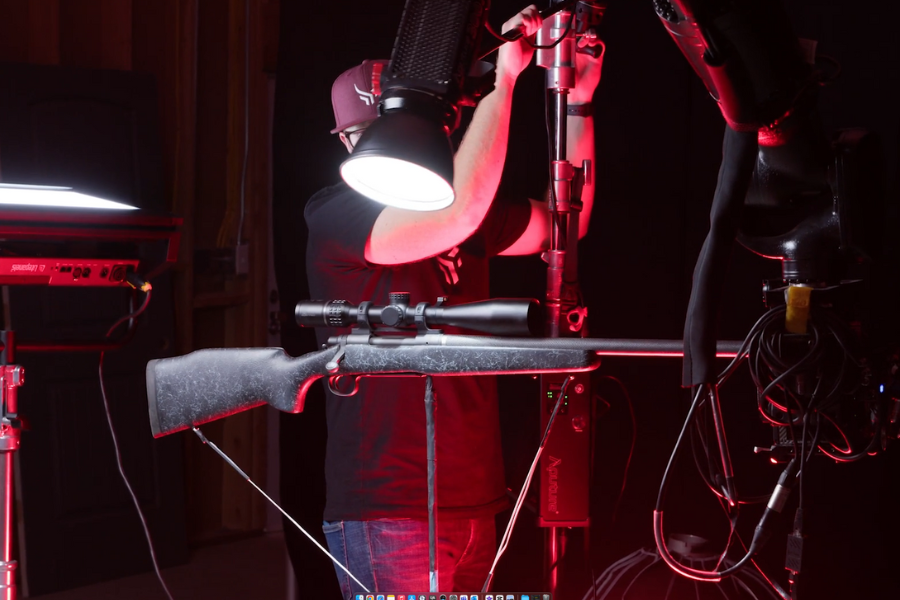
Motion Control or Manual? How to Choose the Right Camera Movement for Your Video
When you’re planning a video production shoot, one of the biggest creative choices you’ll face is how to move the camera. Should you go…
Motion Control or Manual? How to Choose the Right Camera Movement for Your Video
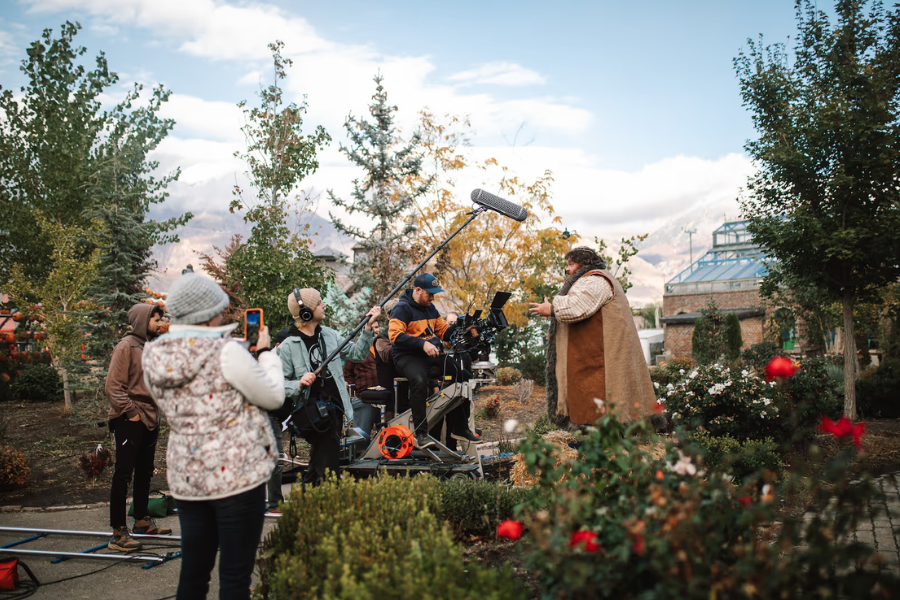
The team at Porter Pro Media filming a commercial using a motion control robot.
When you’re planning a video production shoot, one of the biggest creative choices you’ll face is how to move the camera. Should you go with the flawless precision of robotic motion control, or the organic feel of manual camera work? Each has its strengths — and knowing when to use which can make or break your final product.
Why Motion Control Rocks (Literally and Technically)
Motion control is like giving your camera choreography. It’s robotic, programmable, and repeatable down to the millimeter. This makes it perfect for things like VFX shots, product videos, time-lapses, or any scenario where you need the exact same camera move across multiple takes.
Want a product spin that’s identical in every shot? Or a seamless composite with zero drift? Motion control rigs can do that — all while controlling speed, focus, zoom, and even lighting triggers. It’s not just about cool tech. It’s about control you can count on.
When Manual Movement Makes More Sense
Now let’s talk human touch. Manual camera work brings flexibility and emotion to your footage. Operators can follow talent, adjust on the fly, and capture unscripted magic that robots just can’t replicate. It’s ideal for interviews, live events, indie shoots, or any scene where spontaneity rules.
Yes, it’s less precise — but that’s often a plus. A little camera shake can add tension, realism, or energy. And with a skilled cinematographer, those “imperfections” become cinematic gold.

Scott the Bot in action!
Use Motion Control When You Need:
- Repeatable, precise moves for VFX or compositing
- Product reveals and macro shots
- Timelapse or hyper-lapse sequences
- Music videos with layered effects
Go Manual When You Need:
- Flexibility during unscripted or live shoots
- Emotional, character-driven scenes
- Quick, agile setups
- Creative intuition in real time
What About Using Both?
Hybrid approaches are often the smartest move. You might start with motion control for a product reveal, then switch to handheld for lifestyle footage. Or use robotic camera paths for polished hero shots, and manual for behind-the-scenes content.
This combo works especially well in brand videos, commercials, and multi-camera shoots where you need both precision and personality.
[embed]A Porter Pro Media commercial that used a motion control robot
Don’t Forget the Logistics
Motion control takes time to set up and often involves more gear. Manual setups are quicker, but they demand a skilled operator and sometimes stabilization tools. Either way, your choice should depend on your project’s goals, timeline, and budget.
At Porter Pro Media, we help you find the right balance. We bring both top-tier motion control systems and experienced camera operators to the table — so your vision doesn’t just move, it moves with purpose.
Need help deciding the best camera movement for your next project? Let’s talk. At Porter Pro Media, we match the right tools to your creative goals — and bring it all to life with expert precision.
Want to learn more? Check out our extended blog on Porter Pro Media!
메타데이터
- post_id
- 1bc317fa026d
- slug
- motion-control-or-manual-how-to-choose-the-right-camera-movement-for-your-video-1bc317fa026d
- url
- https://medium.com/@porterpromedia/motion-control-or-manual-how-to-choose-the-right-camera-movement-for-your-video-1bc317fa026d
- canonical_url
- https://medium.com/@porterpromedia/motion-control-or-manual-how-to-choose-the-right-camera-movement-for-your-video-1bc317fa026d
- author_url
- https://medium.com/@porterpromedia
- status
- ok
- fetched_at
- 2026-08-11 14:02:38