The Devastating Impact of Child Neglect: Insights from Romanian Orphanages and MRI Studies
One of the most devastating examples of child neglect occurred in Romanian orphanages during the last century. In 1966, the country’s…
The Devastating Impact of Child Neglect: Insights from Romanian Orphanages and MRI Studies

One of the most devastating examples of child neglect occurred in Romanian orphanages during the last century. In 1966, the country’s president, Nicolae Ceausescu, prohibited abortion and contraceptive methods in an effort to boost the population and develop a larger workforce for political reasons. Families with fewer than five children were fined, leading to a significant population increase in Romania.
Impoverished families who couldn’t afford to care for their children sent them to state-run orphanages. Unfortunately, the conditions in these institutions were extremely unfavorable, with children and infants often unable to sleep at night. Adequate sleep, attention, and social interaction are crucial for normal brain development in children.
Due to the lack of affection and social connections, these children’s brains displayed significantly lower neuronal activity as measured by electroencephalogram (EEG) readings. In short, the neglect and marginalization these children experienced had a devastating impact on their cognitive abilities.
In the early 1990s, a wave of NGOs crept into Romania to help the children, and a new law was passed in Romania that made it easier for foreigners to pick up children Between 1990 and 2001, an estimated 10,000 Romanian children were adopted by families in other countries. Of course, this was a pleasant measure to restore some of these children’s affection, but at the same time there was a risk that Romanian children could be trafficked on the black market. Although most of the children were moved from a poor psychosocial environment to a much better educational environment, the effects of neglect and marginalization at an early age still caused problems It has created a lot of socialization for them.
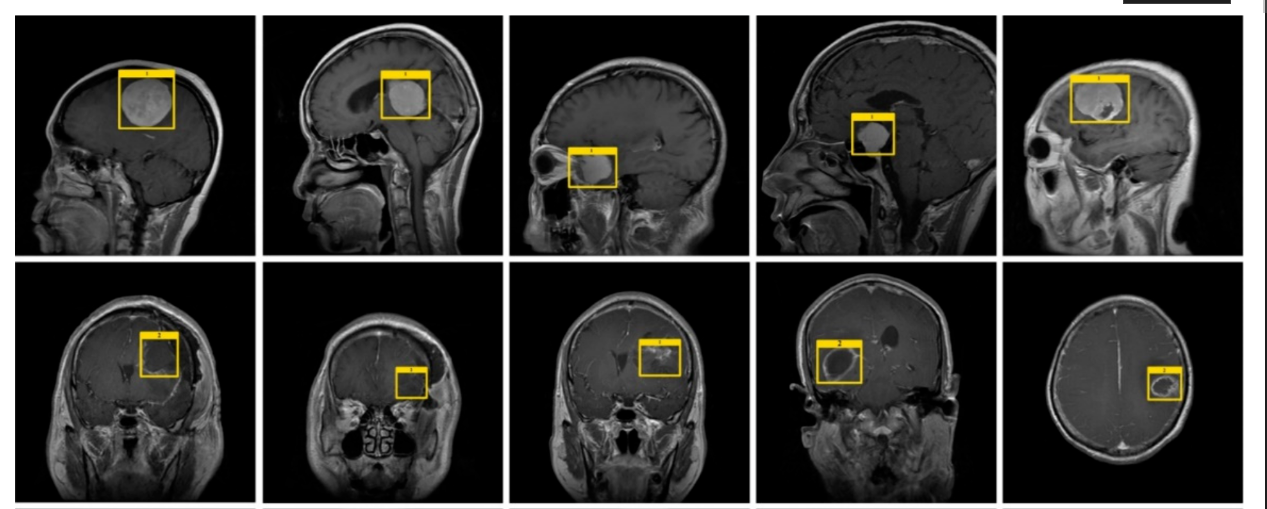
A group of scientists conducted a study in which they compared MRI data from the brains of 67 Romanians who were born during the Ceausescu era and later adopted by British families with the brains of 21 British children who were also adopted. The Romanian children had suffered severe neglect and marginalization for periods ranging from 3 to 41 months before being adopted, while the British children had not experienced such conditions. The study’s results indicated that the Romanian children’s brain sizes were 8.6% smaller on average than those of the British children who had not been subjected to emotional neglect.

Mackes, N. K. et. al. (2020)
The figure presented provides several key insights. (i) It illustrates that the brains of marginalized Romanian children have a smaller right inferior frontal gyrus than non-neglected children. This area of the brain plays a crucial role in cognitive functions, such as attention. (ii) The figure shows that the right inferior temporal gyrus, which processes audio and visual information and some aspects of memory, is thicker in the brains of Romanian children. Other environmental factors were also found to be involved, but larger brain areas were less likely to be associated with developing ADHD. (iii) The figure further demonstrates that the right medial prefrontal cortex was affected by the duration of neglect in children. The study revealed that the longer the neglect period, the smaller the brain, indicating a positive correlation between brain size and marginalization period. In other words, the smaller the brain, the more severe the neglect. Rescuing and removing such children from neglectful environments as early as possible was found to be critical in minimizing cognitive and brain damage.
Reference:
Eagleman, D. (2015). The brain: The story of you. New York: Pantheon Books. P.157–158.
Rebeca Popescu, Ana Muntean & Femmie Juffer (2020) Adoption in Romania: Historical Perspectives and Recent Statistics, Adoption Quarterly, 23:1, 1–26, DOI: 10.1080/10926755.2019.1665602
Mackes, N. K. et. al. (2020). Early childhood deprivation is associated with alterations in adult brain structure despite subsequent environmental enrichment. Proceedings of the National Academy of Sciences. 117 (1), pp. 641–649.
메타데이터
- post_id
- 1c24d987fe14
- slug
- the-devastating-impact-of-child-neglect-insights-from-romanian-orphanages-and-mri-studies-1c24d987fe14
- url
- https://medium.com/@kamokamo660/the-devastating-impact-of-child-neglect-insights-from-romanian-orphanages-and-mri-studies-1c24d987fe14
- canonical_url
- https://medium.com/@kamokamo660/the-devastating-impact-of-child-neglect-insights-from-romanian-orphanages-and-mri-studies-1c24d987fe14
- author_url
- https://medium.com/@kamokamo660
- status
- ok
- fetched_at
- 2026-07-08 13:21:46