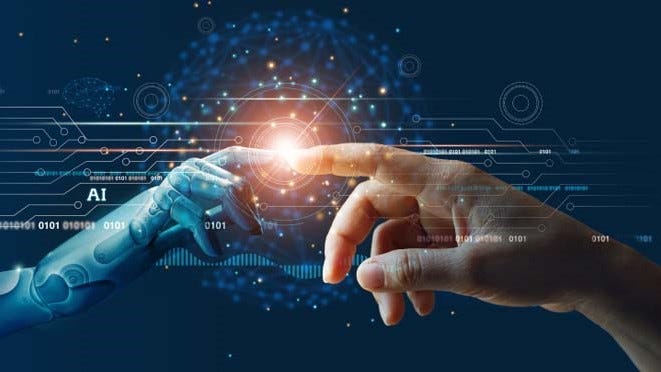
How Myths Evolve with Technology
For centuries, myths have served as vessels for culture, morality, and shared human experience. They began as whispered tales around…
How Myths Evolve with Technology
For centuries, myths have served as vessels for culture, morality, and shared human experience. They began as whispered tales around campfires, traveled through ancient manuscripts, and later became immortalized in art and literature. In today’s digital age, however, myths are transforming in unprecedented ways, shaped and amplified by the very technologies that define our era. From folklore to viral hoaxes, the evolution of myths illustrates the dynamic interplay between storytelling and technological progress.
The core of any myth is its ability to resonate with human emotions and imagination. In the past, these tales were geographically rooted — stories of sea monsters would arise from coastal communities, while desert tribes might speak of spirits hidden in the sands. But as technology broke down barriers, myths started to transcend borders. The printing press allowed stories to reach distant lands, while radio and television turned local legends into global phenomena. Today, the internet has taken this evolution further, making myths instantaneously accessible and adaptable across cultures.
A striking example of this phenomenon is the rise of the “Slender Man.” Born in an online forum as a piece of fictional writing, Slender Man quickly spiraled into a global myth. What started as a mere digital creation evolved into a narrative so pervasive that it inspired fan fiction, games, and even real-life events. This underscores a critical way in which technology reshapes myths: it democratizes their creation. No longer confined to oral traditions or elite storytellers, myths can now be generated, edited, and spread by anyone with an internet connection.
Social media, in particular, has become fertile ground for modern myth-making. Platforms like Twitter and TikTok are not just for sharing news or entertainment — they are breeding grounds for contemporary myths. Consider the concept of urban legends. While traditional urban legends spread through word of mouth, today’s versions — such as viral conspiracy theories or creepy “challenges” — gain momentum through likes, shares, and comments. The speed and reach of these platforms can turn a fabricated story into a widely believed phenomenon almost overnight.
Interestingly, the digital age has also blurred the line between myth and reality. Deepfakes, AI-generated content, and photo-editing tools make it easier than ever to create convincing but false narratives. A doctored image or video can lend an air of credibility to an otherwise fantastical tale, leading people to question what is real. This is reminiscent of historical myths that were “proven” by mysterious artifacts or cryptic accounts — but now, the tools to craft such proof are more sophisticated than ever.
Technology has also given rise to entirely new kinds of myths that revolve around itself. Stories of haunted AI, cursed computer programs, and time-traveling hackers are modern iterations of age-old fears about the unknown. These myths tap into our collective anxieties about rapidly advancing technology, echoing the way early myths often reflected fears of nature or the divine.
Despite these changes, one thing remains constant: myths evolve to reflect the values, fears, and aspirations of their time. In the digital age, they serve as mirrors, reflecting not only our fascination with technology but also our distrust of it. The internet’s ability to amplify both truth and falsehood has made myths more powerful — and more dangerous — than ever.
Yet, there’s a silver lining. Just as myths can spread fear and misinformation, they also unite people. Shared stories, even those born online, foster a sense of community and identity. Memes, for instance, are a form of modern myth-making that often blends humor, culture, and shared experiences. While they may not have the gravitas of ancient myths, they carry a similar function: connecting people through shared narratives.
As technology continues to evolve, so too will the myths we create. Virtual reality might give rise to entirely immersive myths, while AI could craft stories so intricate they feel indistinguishable from ancient lore. The tools may change, but the human need for stories remains constant. Myths, both old and new, will always find a way to adapt, ensuring they remain as timeless as the human imagination itself.
메타데이터
- post_id
- 1c50b837f1b2
- slug
- how-myths-evolve-with-technology-1c50b837f1b2
- url
- https://medium.com/@jsibin3/how-myths-evolve-with-technology-1c50b837f1b2
- canonical_url
- https://medium.com/@jsibin3/how-myths-evolve-with-technology-1c50b837f1b2
- author_url
- https://medium.com/@jsibin3
- status
- ok
- fetched_at
- 2026-06-14 11:28:49