What Twelve Years as a Chemist Taught Me About Food and Health
I view the world as a small experiment in a laboratory.
What Twelve Years as a Chemist Taught Me About Food and Health
I view the world as a small experiment in a laboratory.
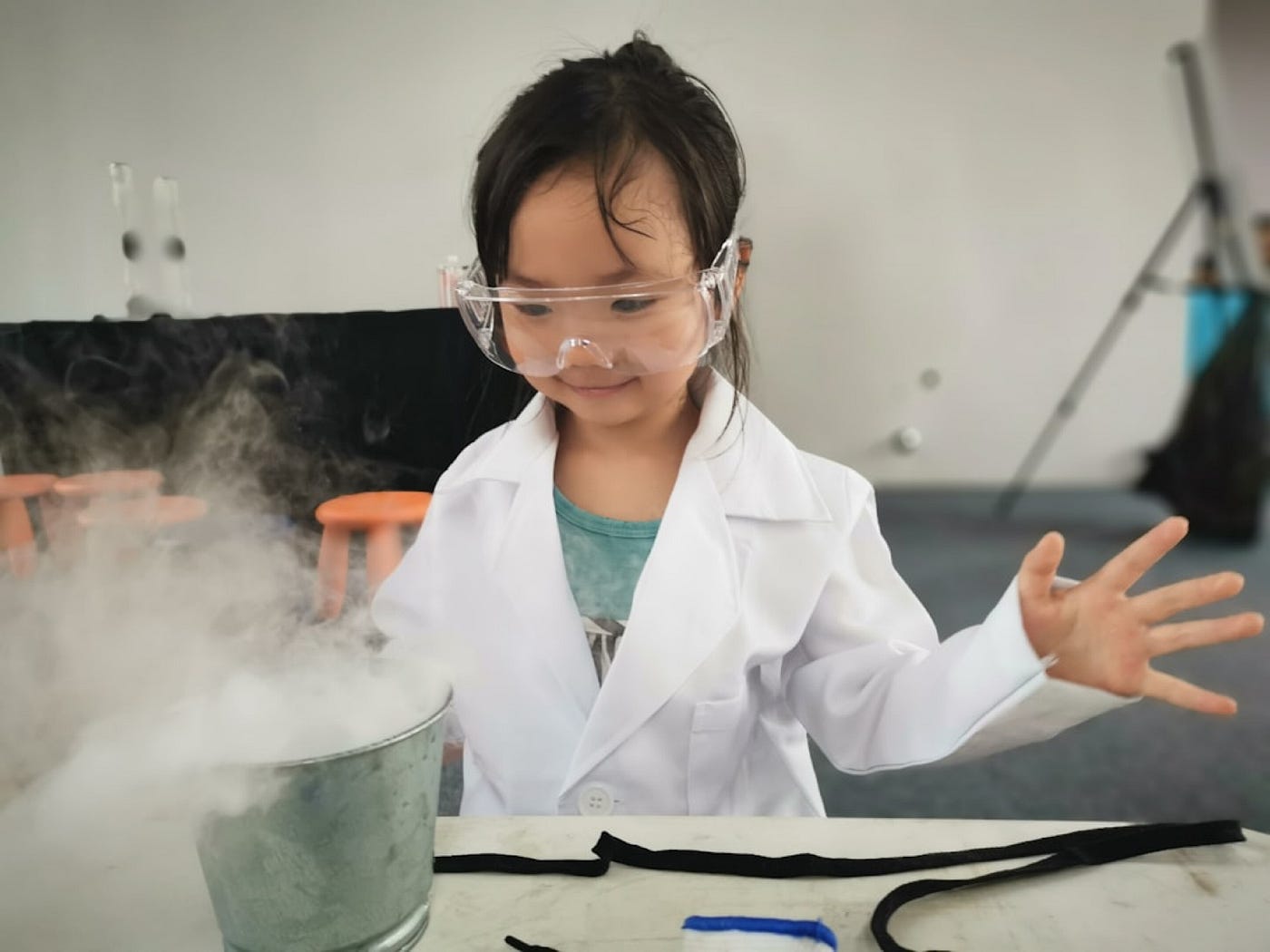
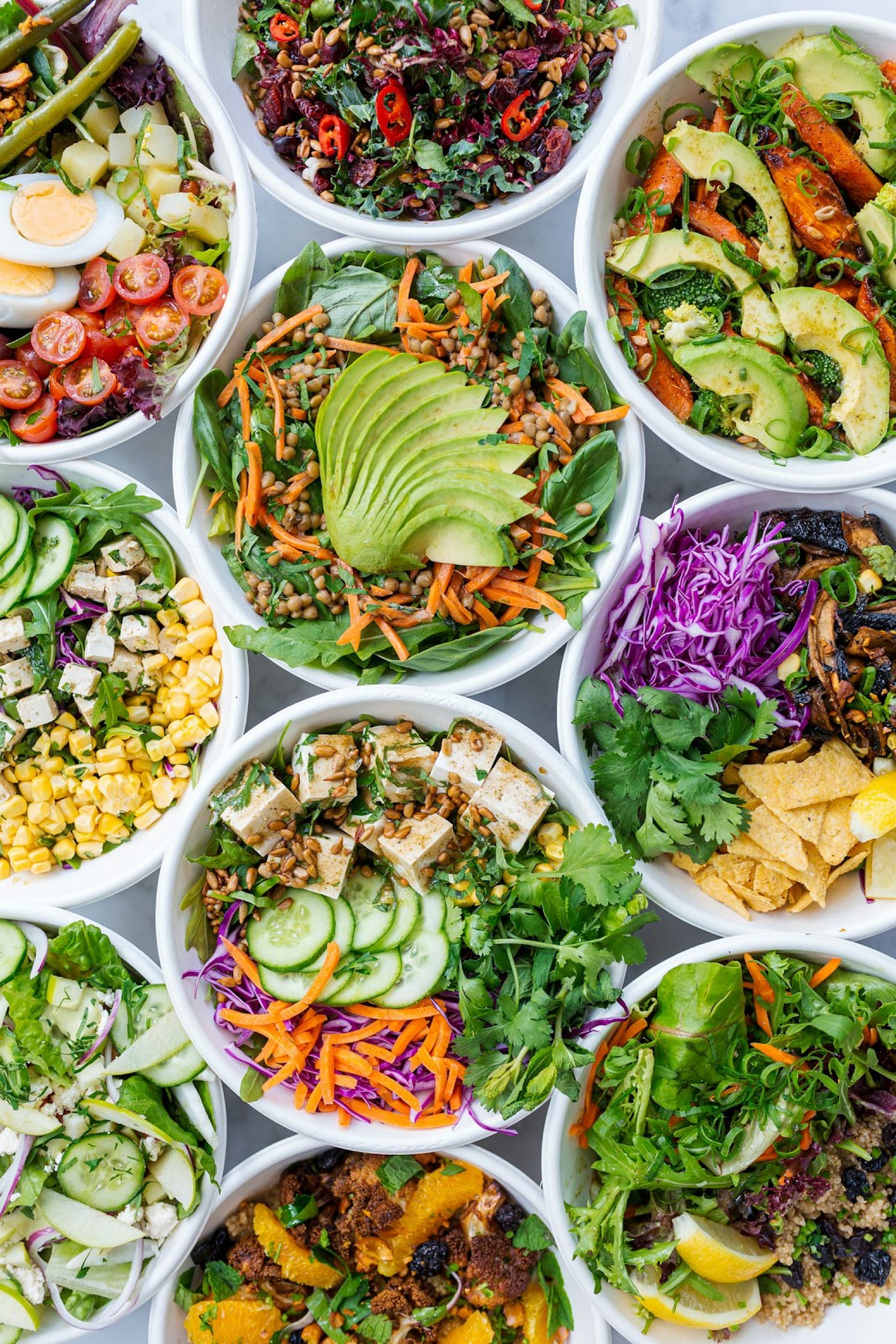
Photo by YY TEOH on Unsplash
“Everything around you is reacting with everything else. Even the air you’re breathing contains microplastics — including particles released when products like liquid detergents are sprayed onto furniture. This process is called aerosolization.”
My skeptic friend looked at me in disbelief. “Wait, what? Microplastics in the air? That sounds impossible.”
But I wasn’t done.
“It’s true. And it doesn’t stop there. That carton of packaged juice? It’s not just full of sugar. The inside is lined with a thin layer of plastic, and tiny amounts of chemicals from that lining can migrate into the drink. This process is called chemical migration.”
“So the chemicals are actually leaving the packaging and getting into my juice?”
I nodded. “Exactly. They’re simply moving to a new environment where conditions — like moisture — allow that to happen.”
I didn’t start thinking this way because I studied chemistry. I started thinking this way because my body broke first.
What Did Chemistry Teach Me About What I Can’t See in Food?
For years, I worked in a lab where precision was everything. If something went wrong, there was always a reason — contamination, temperature, timing, a trace impurity too small to see but powerful enough to change the outcome entirely. Chemistry taught me to respect what I couldn’t immediately detect.
But when I began dealing with unexplained health issues, those lessons stopped being theoretical.
At first, I tried to ignore everything. That’s what you do when you trust systems – you assume the contamination will evaporate or precipitate. But when nothing happened, I started to look at what’s around me differently. Not just what I ate, but where it came from. Not just what I drank, but how it was stored. Not just what I put on my skin, but what those substances might be doing over time.
Once you start seeing exposure everywhere, you cannot stop.
“Chemistry ought to be not for chemists alone”.
– Miguel de Unamuno, Spanish philosopher, novelist, and poet
This quote from 1925 highlights the importance of making knowledge about chemical processes relatable to everyone.
Why Do Dose and Repeated Exposure Matter in Chemistry and Food?
When assessing the safety and effects of food additives and packaging materials, the dose and frequency of exposure are much more important than the presence of these substances.
Many chemicals, such as preservatives, artificial flavorings, and colorants, are found in processed foods at very low levels. While a sudden high dose of these chemicals can cause symptoms such as diarrhea and vomiting as the body attempts to expel toxins, chronic exposure to low levels may lead to harmful accumulation in tissues without noticeable symptoms.
Another important factor that adds complexity to assessing risk is the interactions between substances.
Chemicals do not always remain stable in their original form; they can degrade or transform into new compounds. While individual trace compounds may be harmless on their own, their interactions over time with other substances, as well as the effects of different temperatures and light environments – both in food and within the body – can lead to unexpected consequences.
For example, plasticizers in food packaging may migrate into the food, and their chemical structure can change as they interact with fats, acids, or other compounds in the food.
Why Do I Prefer Food That’s Closer to Its Source?
Even if a substance is legally considered safe, the chemical burden on the body is more complicated than the sum of the components.
Chemically speaking, less processed foods are less likely to contain a mix of synthetic compounds. Whole foods bought from the source may be less prone to accumulation and transformation into potentially harmful substances. Sometimes, simplicity is the best way to find both stability and comfort.
I personally aim to get my food and water as close to their natural source as possible.
I buy bread from a bakery not from a supermarket shelf. I choose my dairy directly from farmers instead of factories that mistreat animals. I pick my fruits and vegetables from a farmer with whom I can build a relationship at a farmer’s market; you might even find organic options without realizing or having to pay extra.
Even for something as basic as water, you might be surprised by where I get it.
I recently discovered a hidden spring at the base of an untouched mountain, far from any development. The water was incredibly fresh – better than bottled – cold, mineralized, and waiting to be found.
Why Do I Eat Mostly Raw Foods?
What does it mean to eat raw food? The term “raw” means heating food to a maximum of 118°F (48°C). From a chemical perspective, once food is heated, it ceases to be raw. For a food to be considered 100% raw, it should not be exposed to any high temperatures – only to those at or below room temperature.
This means that processes like fermentation, sprouting, and soaking adhere to this rule.
What I discussed here were plant-based foods, but I’m uncertain about eating raw animal products. While studies suggest raw animal products may pose risks, others claim they healed their bodies with raw meat. In my country, people enjoy raw meat and liver with Arak on Sundays, but my mother didn’t prepare us for it, so I’m hesitant to eat raw animal products.
I follow a diet that is 70 – 80% raw plant-based and 20 – 30% includes cooked seafood or some goat dairy products.
As a chemist, I choose to eat raw foods because I prefer to avoid exposing my food to high temperatures, which can cause nutrient loss. Cooking methods like boiling, sautéing, or baking can break the chemical bonds in food, causing minerals and vitamins to leach into the cooking water or to transform into less bioavailable compounds.
The best method for preserving nutrients might be steaming, but I personally dislike the taste of steamed vegetables.
In some cases, certain nutrients can even be literally burned if food is burned. For example, B vitamins are known to be unstable when heated. Folate, in particular, is highly sensitive to cooking; boiling spinach for just 8 minutes can reduce its folate content by up to 70%, and cooking broccoli in a microwave or oven can result in a 30% loss of folate.
Raw foods preserve heat-sensitive nutrients, while cooking reduces pathogens and breaks down antinutrients, a process that soaking and fermentation can also achieve.
How Does Skincare Chemistry Affect Our Skin Like Food Affects Our Health?
I love the caress of sensual creams and lotions — who doesn’t? The scents make you feel irresistible, attracting your partner who can’t help but come closer and adore you more. But there’s a little twist: many of these so-called “luxury” products are made from petroleum. Yes, the same fragrant substance we put in our cars before a road trip.
While gasoline is a premium product for your car, petroleum-based ingredients are cheap in the skincare industry.
And if that wasn’t enough, let’s talk packaging. Just as with food and water, when these products are stored in plastic, tiny bits from the packaging can interact with the lotion inside. That means microplastics and nanoplastics could leach into the product and then slip through your skin barrier.
So, while your skin is soaking in all the hydration, you might also be soaking in a little plastic… which isn’t as glamorous as it sounds.
From a chemical standpoint, three key factors influence how substances are absorbed through the stratum corneum, the outermost layer of the skin: molecular size, solubility, and formulation. Small, lipophilic (fat-soluble) molecules tend to penetrate the skin more effectively because they can pass through the lipid-rich layers of the epidermis with greater ease.
In contrast, larger or hydrophilic (water-soluble) molecules may find it difficult to pass through these layers without the aid of specialized delivery systems.
When skincare product molecules are absorbed through the skin, they can enter the bloodstream, possibly causing oxidative stress, promoting inflammation, and contributing to premature aging. Here is the good news: it’s easier than ever to find 100% natural beauty and self-care products stored in glass.
My perfume, shampoo bar, serum, and lotion all come from a small local business run by a biochemist who respects nature and people.
This woman has been in the game for years, and she’s ready to customize anything to fit my skin’s impulses. And here’s the best part: no petroleum – just pure shea butter, natural oils, and flower essences and hydrosols. After searching both local and international brands, I finally found “the one”, and you can find it too.
Do You Need a Lab Coat to Think Like a Chemist?
I love digging deep to uncover the real reasons behind issues, probably because of a childhood cartoon show. A little detective named Konan was a bright boy with big glasses like mine and had a “super-ability” to rush in and help whenever there was a problem. He spotted troublemakers and made things right.
I wasn’t aware of how much this show affected me and my future until I wrote this article.
This is when everything started – being a health detective is one of my dreams. I turned my passion for detection into a career as a nutritionist. Then, using chemistry as my magnifying glass, I analyze air, water, food, and clothing, sharpening my ability to observe unnoticed chemical reactions around us.
You don’t need a lab coat to think like a chemist and recognize the toxins that are all around us.
The secret to improving our health is simple: focus on what’s natural and make smarter choices every day. While we can’t control every bit of exposure, we can choose what we eat, what we drink, and where we live. By being mindful of what’s in our food, water, and environment, we can reduce harmful chemicals in our lives.
In chemistry, purity is a goal. In life, it’s a myth we keep negotiating with.
Love life reactions. Love chemistry. Love nature.
With love ❤️
Hit subscribe if you’re ready for a chemist-nutritionist who serves science with a side of fun.
Disclaimer: The content of my stories reflects my professional insights and the results of scientific studies, but it’s for informational purposes only. This information does not constitute medical advice, diagnosis, or treatment. Always seek the advice of your personal physician for any questions you may have about your health.
메타데이터
- post_id
- 1c8c6f2b1b1b
- slug
- what-twelve-years-as-a-chemist-taught-me-about-food-and-health-1c8c6f2b1b1b
- url
- https://sciencespectrumu.com/what-twelve-years-as-a-chemist-taught-me-about-food-and-health-1c8c6f2b1b1b
- canonical_url
- https://sciencespectrumu.com/what-twelve-years-as-a-chemist-taught-me-about-food-and-health-1c8c6f2b1b1b
- author_url
- https://medium.com/@leiladrouby
- status
- ok
- fetched_at
- 2026-07-11 19:25:18