Beyond Applications: Using Application Lifecycle Management Software to Unlock Business Value
Organizations can no longer afford ineffective development processes at a time when software underpins everything from internal operations…
Beyond Applications: Using Application Lifecycle Management Software to Unlock Business Value
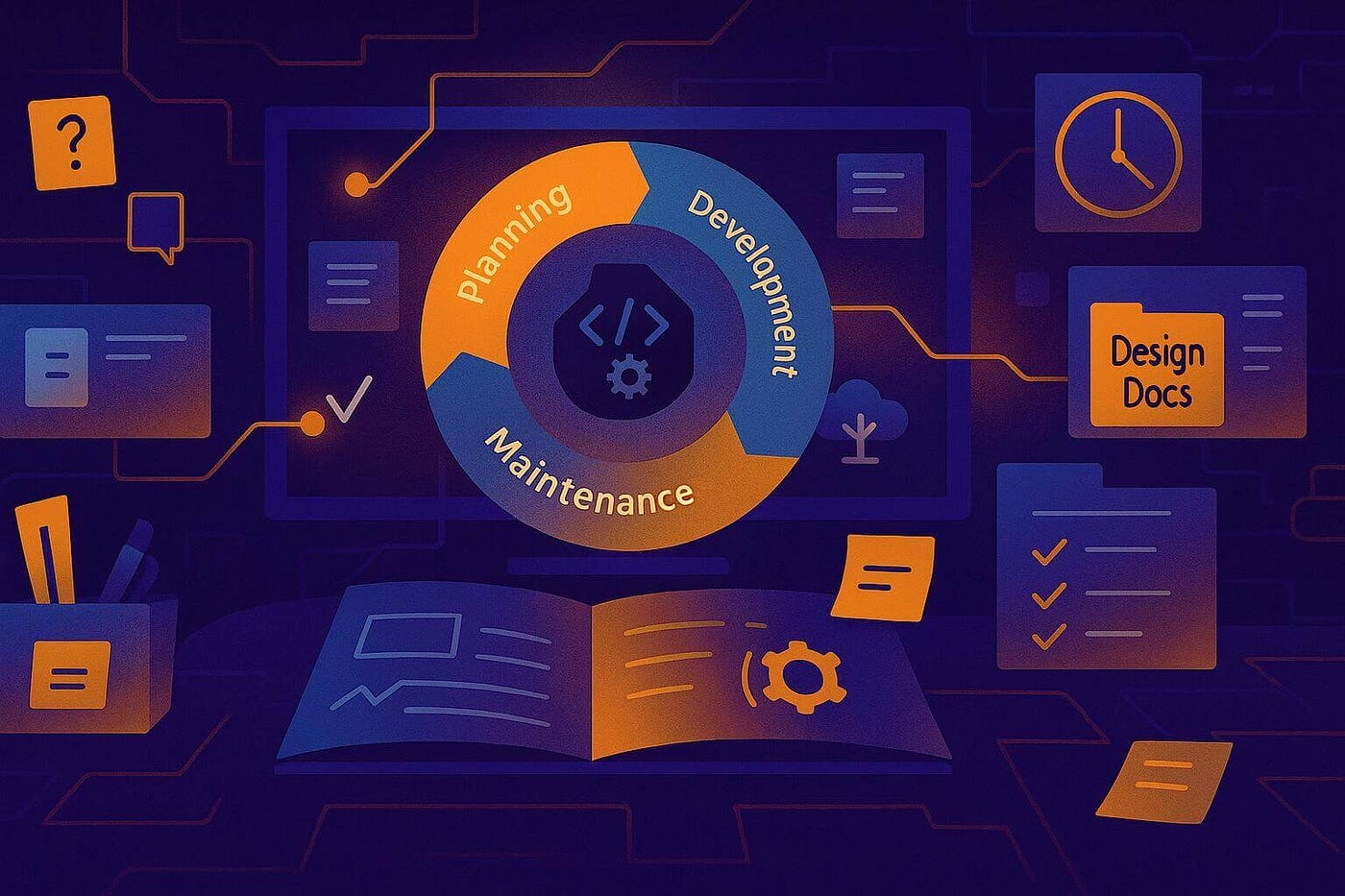
Organizations can no longer afford ineffective development processes at a time when software underpins everything from internal operations to client interactions. Companies require technologies that facilitate teamwork, handle complexity, and produce high-caliber applications fast. Software for Application Lifecycle Management becomes crucial in this situation. ALM solutions are more than simply development tools; they offer a thorough framework for overseeing each phase of an application’s existence, assisting businesses in increasing productivity, visibility, and creativity.
What is Application Lifecycle Management (ALM)?
Application Lifecycle Management ( ALM ) is the management of an application from the initial idea and planning stages , through development , testing , deployment , maintenance and eventual retirement . It combines people, processes and technology into a single system that ensures the smoothest collaboration during the software development lifecycle.
Modern businesses tend to work with distributed teams, agile methodologies and continuous delivery practices . Without a centralized approach, requirements management, progress tracking and quality assurance can become overwhelming. ***Application Lifecycle Management software*** solves these problems by offering a single platform where all stakeholders can collaborate and monitor project activities in real time.
Why Application Lifecycle Management Software Is Important
Software development projects are complex things. Developers code , testers test , project managers manage schedules , and business stakeholders write business requirements . Miscommunication between these groups can cause delays, budget overruns and poor quality releases.
Application Lifecycle Management software addresses these issues by creating an interconnected environment where everyone is using the same information. Teams get better visibility into project status, changes to requirements, testing results and deployment progress.
Major benefits include:
. Team collaboration is enhanced
. Improved project visibility and control
. More rapid software delivery cycles
. Higher quality product
. Reduced development risk
. Enhanced compliance and governance
More efficient workflows and information centralization lead to improved organizational decision-making and productivity.
Key Features of Application Lifecycle Management Tools
The best Application Lifecycle Management tools support all stages of software development. Features vary by platform, but most of the leading solutions offer the following features:
Requirements Management
Good requirements form the foundation for good software projects. ALM tools assist teams in capturing, organizing, prioritizing and tracking requirements through the project life cycle. This aligns development efforts with business objectives.
Planning and Tracking of Projects
Project managers can assign tasks, set milestones, track progress and identify bottlenecks. Real-time dashboards provide insights that allow you to make proactive decisions.
Integration with Source Code and Version Control
Most ALM platforms support integration with popular version control systems, enabling development teams to efficiently manage code changes with full traceability.
Test and Quality Assurance
Quality is an important ingredient of software success.*** Application Lifecycle Management tools*** provide teams with the ability to plan, execute, automate and track test activities and manage defects in a central location.
Release and Deployment Management
Many modern ALM solutions support automated deployment processes, allowing organizations to accelerate releases while reducing the risk of human error.
Analytics & Reporting
Robust reporting capabilities provide key metrics around project status, team productivity, defect trends and release-ready-ness.
Beyond Uses: ALM’s Strategic Function
Although ALM solutions are first used by many firms to enhance software development processes, their benefits go well beyond application management. ALM platforms are strategic tools used by modern enterprises to support long-term growth and digital transformation activities.
Organizations can match technology investments with business goals by using Application Lifecycle Management software. Businesses can better adapt to shifting consumer expectations and market demands by integrating planning, development, testing, and operations.
Additionally, ALM supports contemporary development approaches like DevOps and Agile. These strategies place a strong emphasis on automation, teamwork, and continual improvement — all of which are reinforced by effective lifecycle management techniques.
Consequently, companies can:
. Quicken the pace of innovation
. Boost client satisfaction
. Boost the effectiveness of operations
. Lower the expenses related to defects and rework
. Boost the agility of the organization
Selecting the Best Tool for Application Lifecycle Management
It is important to carefully consider both technical and business requirements when choosing an ALM solution. Scalability, usability, integration potential, automation features, security, and vendor support are all important considerations for organizations.
The perfect platform should accommodate future expansion and changing business goals in addition to addressing present development issues.
In conclusion
Software for application lifecycle management has developed into a vital business tool that goes beyond conventional software development. ALM solutions help businesses produce better software more quickly and effectively by offering visibility, collaboration, automation, and governance throughout the whole application lifecycle.
Investing in the appropriate Application Lifecycle Management technologies can offer a substantial competitive edge as technology continues to propel corporate success. Businesses that adopt full lifecycle management are better able to innovate, adapt, and prosper in a world that is becoming more and more digital.
메타데이터
- post_id
- 1cb9d6da4fac
- slug
- beyond-applications-using-application-lifecycle-management-software-to-unlock-business-value-1cb9d6da4fac
- url
- https://medium.com/@beyondapplications1/beyond-applications-using-application-lifecycle-management-software-to-unlock-business-value-1cb9d6da4fac
- canonical_url
- https://medium.com/@beyondapplications1/beyond-applications-using-application-lifecycle-management-software-to-unlock-business-value-1cb9d6da4fac
- author_url
- https://medium.com/@beyondapplications1
- status
- ok
- fetched_at
- 2026-07-13 06:23:13