Seven Years Later, I’d Still Say This
Why researchers need to understand the systems that shape decisions
Seven Years Later, I’d Still Say This
Why researchers need to understand the systems that shape decisions
Seven years ago, I was in an interview when I was asked what sounded like a simple question: “What advice would you give someone just starting out as a researcher?”
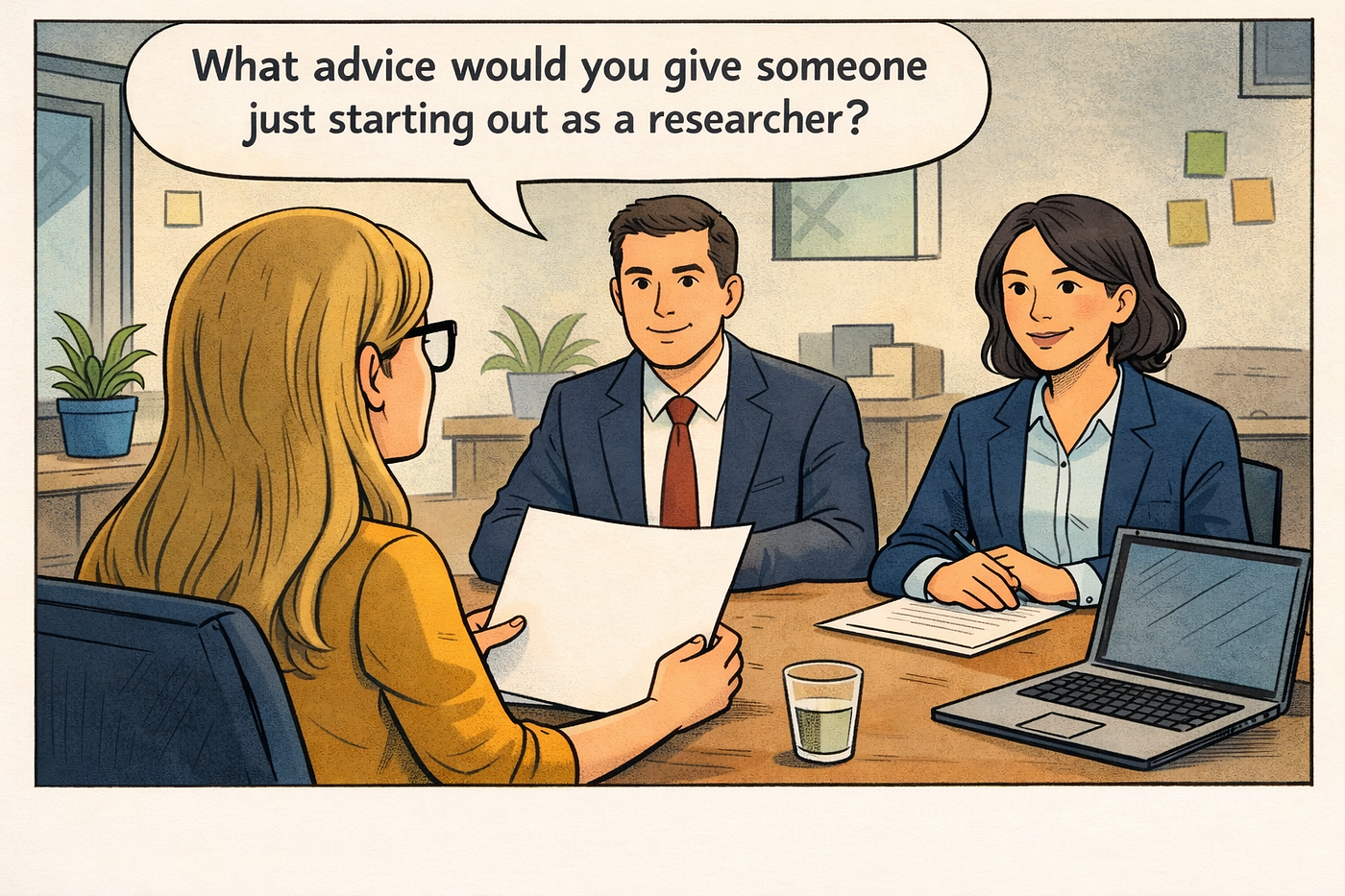
I did not pause. I did not hedge. I just said it.
“Learn to code.”
I did not get the job.
I remember driving home afterward replaying the moment in my head, wondering if I had missed something obvious. Maybe they were looking for something more traditional. Something safer. Advice like building strong relationships, getting really good at storytelling, or sharpening your interviewing craft.
All of that is solid advice. It is still true.
But that is not what came out of my mouth. And it is a moment I have found myself thinking about more than once in the years since.
The Part I Was Starting to Notice

At that point in my career, I had already started noticing a pattern. Research would land well. People would nod. Sometimes roadmaps would even shift. From the outside, it looked like the work was having impact.
But the impact was episodic.
A few months later we would often find ourselves right back where we started. New priorities would emerge. New debates would begin. The same kinds of decisions would be made in the same ways. The deck mattered. The insights mattered. But the way decisions were made had not changed.
What I slowly realized was that we were influencing moments, not mechanisms. We could shape a conversation or a decision in the moment, but the machinery that produced decisions quarter after quarter remained untouched.
And machinery is what scales.
This is one of the quiet tensions in research. We spend years getting better at studies, synthesis, and storytelling. But the durability of our impact often has less to do with how good the insight is, and more to do with whether it survives the systems that drive decisions.
What I Really Meant

When I said “learn to code,” I did not mean everyone should become a software engineer. What I meant was stop standing outside the system that drives decisions.
Learn how the product is instrumented. Understand where the data actually comes from and how metrics are defined, sometimes quietly redefined. Pay attention to how evidence moves through your organization, and just as importantly, where it gets stuck.
When you understand those mechanics, you stop depending on someone else to translate reality for you. You can pull telemetry yourself. You can question how a metric is calculated. You can prototype a quick dashboard instead of waiting two quarters for one. You can design research that connects directly to how decisions are made.
That changes your leverage. You are no longer just delivering insights. You are shaping the system that determines whether those insights actually matter.
Why It Hits Harder Now
Seven years ago, that answer probably sounded a little off. Today, it feels almost obvious.
We are building AI systems that depend on structured data. TTeams are thinking more intentionally about evidence maturity, instrumentation, and feedback loops. At the same time, we are trying to connect qualitative nuance with behavioral signals in ways that can operate much closer to real time.
In that environment, if you do not understand how the system works, it becomes much harder to meaningfully shape it. The researchers who will define the next phase of this field will not just be great interviewers or facilitators. They will understand how the product teams learn, how data flows through the system, because they are helping build the systems that enable that learning.
If I Were Asked Again
If someone asked me that question today, I might phrase the answer a little differently. I might talk about developing technical fluency, understanding how your work becomes operational, and learning enough about the system that you can actually influence it.
But the core idea would be the same. If you want system-level impact, you need system-level literacy. You do not need to become an engineer, but you do need to understand how things are built and how decisions move through the system.
Otherwise, you are limited to influencing one decision at a time. When you understand the system, you have the chance to influence the way decisions get made.
Seven years later, I would still say this.
And if you give an answer in an interview that costs you something, but you still believe it afterward, that is probably worth paying attention to. The roles you do not get are not always verdicts. Sometimes they are just redirections.
The future of this field will not just belong to people who study systems.
It will belong to the people who build the systems that help teams learn.

I proudly used AI to help shape and polish this post — not to replace my voice, but to strengthen it. Sometimes it can be a struggle to find the right words, and AI gives me the space and support to bring my real voice forward with clarity and confidence.
메타데이터
- post_id
- 1cbd8bf254c2
- slug
- seven-years-later-id-still-say-this-1cbd8bf254c2
- url
- https://medium.com/uxr-microsoft/seven-years-later-id-still-say-this-1cbd8bf254c2
- canonical_url
- https://medium.com/uxr-microsoft/seven-years-later-id-still-say-this-1cbd8bf254c2
- author_url
- https://medium.com/@serenahillman
- status
- ok
- fetched_at
- 2026-06-22 17:31:34