Fog or Haze? Choosing the Right Atmosphere for Your Event
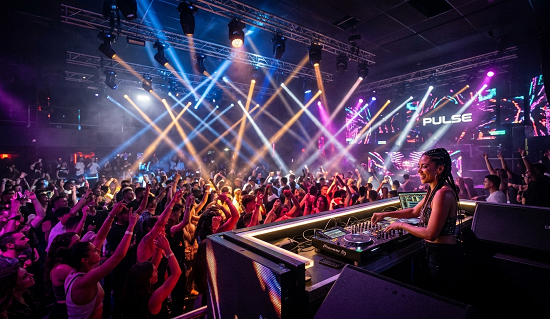
Have you ever walked into a concert or theatre hall and seen those beams of light cut through misty air, giving depth and drama to the…
Fog or Haze? Choosing the Right Atmosphere for Your Event
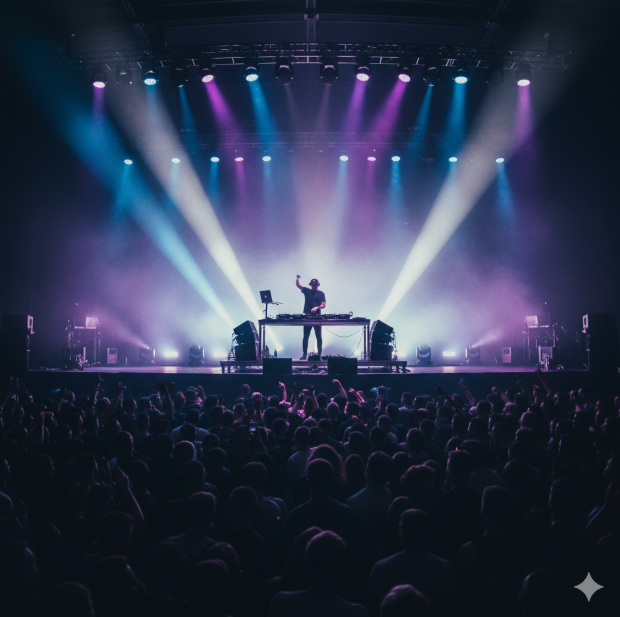
Have you ever walked into a concert or theatre hall and seen those beams of light cut through misty air, giving depth and drama to the scene? That visual magic often comes from fog or haze machines. But here’s a question: what’s the actual difference between fog and haze, and more importantly — when should you use each?
If you’re a DJ, event planner, sound engineer, or just someone curious about stage effects, understanding fog versus haze is key. Making the wrong choice can lead to a washed-out show, irritated audience, or even triggering fire alarms. Over the next few minutes, I’ll walk you through the nuts and bolts, benefits, limitations, and smart use cases. By the end, you’ll know not just what they are, but which one will suit your next event best.
What Are Fog and Haze?
Fog — The “thick cloud” effect
- A fog machine (or smoke machine) vaporizes a special fluid (commonly water + glycol or glycerin) by heating it, producing dense vapor that condenses into visible fog.
- You often see fog released as bold bursts, clouds, or rolling mist across a stage.
- There are also low-lying fog systems (e.g. dry ice, liquid nitrogen) that cause the fog to hug the floor, creating ground-level clouds.
Haze — The “fine mist” ambiance
- A haze machine (hazer) produces a fine, light mist (very small droplets) that stays suspended in the air for longer.
- The purpose is subtle: you don’t necessarily see “fog clouds,” but beams of light, lasers, and fixtures become more visible because of the suspended particles.
- Haze often lasts longer and spreads more evenly.
When to Use Fog
Fog is your go-to when you want visual drama and momentary impact. Here are some ideal cases:
- Climactic moments — just as a DJ drops the beat, or in theatrical reveals, the burst of fog adds theatrical flair.
- Thematic effects — scenes with “smoke,” “mystery,” haunted houses, or fantasy effects benefit from denser clouds.
- Low-lying fog effects — for example, a “ghostly mist around the stage floor” or a dancing cloud close to the ground using dry ice systems.
- Small bursts in large spaces — when you want a sudden wave of atmosphere without committing the entire show to haze.
Too much fog can block visibility, become overwhelming, or trigger alarms. Use it in moderation, and plan ventilation.
When to Use Haze
Haze shines in roles where lighting is the star:
- Enhancing light beams, lasers, moving heads — because the mist is subtle, it reveals the path of the light like a theatrical “airbrush.”
- Ambient consistency — if you want the venue to feel atmospheric throughout, haze provides that even layer.
- Subtle mood setting — in corporate events, exhibitions, or dance floors where you don’t want fog to distract.
- Smaller venues or indoor spaces — when dense fog would overwhelm the space, haze is safer and more audience-friendly.
If your show uses intricate lighting design, haze is often considered essential.
Choosing Based on Venue & Purpose
Let’s walk through how a DJ, event planner or sound engineer might decide between fog and haze, based on their context.
For DJs / Clubs
- Use haze throughout the performance so that every beam and moving head stands out.
- Reserve short fog bursts for peaks (e.g. final track, high energy drop).
- Choose machines that are compact, efficient, and ideally DMX-controllable to sync with sound.
Concerts / Festivals
- In large venues, haze helps maintain visibility of light effects across the hall.
- Fog adds dramatic moments at chorus drops or special transitions.
- Combine both: haze as base layer, fog as accent.
Theatres / Performing Arts
- Haze is often more appropriate because the audience expects subtler atmospheres.
- Fog can be used sparingly for effect, like simulating smoke, atmosphere in fantasy scenes, or magical moments.
Corporate / Indoor Events
- The priority is classy lighting without making the effect obvious.
- Haze is safer, less intrusive, and less of a risk to alarms or ventilation.
- Fog might only be used in theatrical intros or dramatic reveals — if permitted by the venue.

Practical Tips & Best Practices
- Use manufacturer-approved fluids only. Misusing fluids can damage your machine or produce harmful residues.
- Start with haze — let the room fill gradually. Once you’re happy with the base layer, add fog bursts if needed.
- Control density with output settings — don’t blast full power unless needed.
- Ventilation matters — ensure airflow so fog doesn’t linger too thickly.
- Test before the event — run your machine in the actual venue, check how the fog/haze reacts to fans, doors, AC.
- Avoid overuse — the audience may become desensitized, or visibility may suffer.
- Check with the venue — some venues have strict rules, fire alarms, or local safety codes limiting fog usage.
Example Scenario: How a Show Might Use Both
Imagine a DJ set in a mid-sized club. The production team might run haze from the start, keeping the beams and lasers visible all night. Then, just before the final track, they trigger several fog bursts, synchronized to drops and lighting cues, for dramatic effect. The haze gives consistent ambiance; the fog gives theatrical sizzle.
Conclusion & Call to Action
Deciding between fog and haze isn’t a matter of “which is better” — it’s about which suits your show, venue, lighting design, and audience experience. Fog gives bold, dramatic bursts; haze delivers consistent ambiance and reveals your lighting in the best possible way. Often, the magic lies in combining both.
If you’re preparing your next show, my advice is: start with haze, plan where fog can accent, test in the actual venue, and always consider audience comfort and safety. And when you’re ready, working with a reputable audio shop and effects provider can make all the difference — the right gear and expert advice can elevate your event.
메타데이터
- post_id
- 1cfb7e3dad0d
- slug
- fog-or-haze-choosing-the-right-atmosphere-for-your-event-1cfb7e3dad0d
- url
- https://medium.com/@charlesspeters6/fog-or-haze-choosing-the-right-atmosphere-for-your-event-1cfb7e3dad0d
- canonical_url
- https://medium.com/@charlesspeters6/fog-or-haze-choosing-the-right-atmosphere-for-your-event-1cfb7e3dad0d
- author_url
- https://medium.com/@charlesspeters6
- status
- ok
- fetched_at
- 2026-08-02 09:14:02