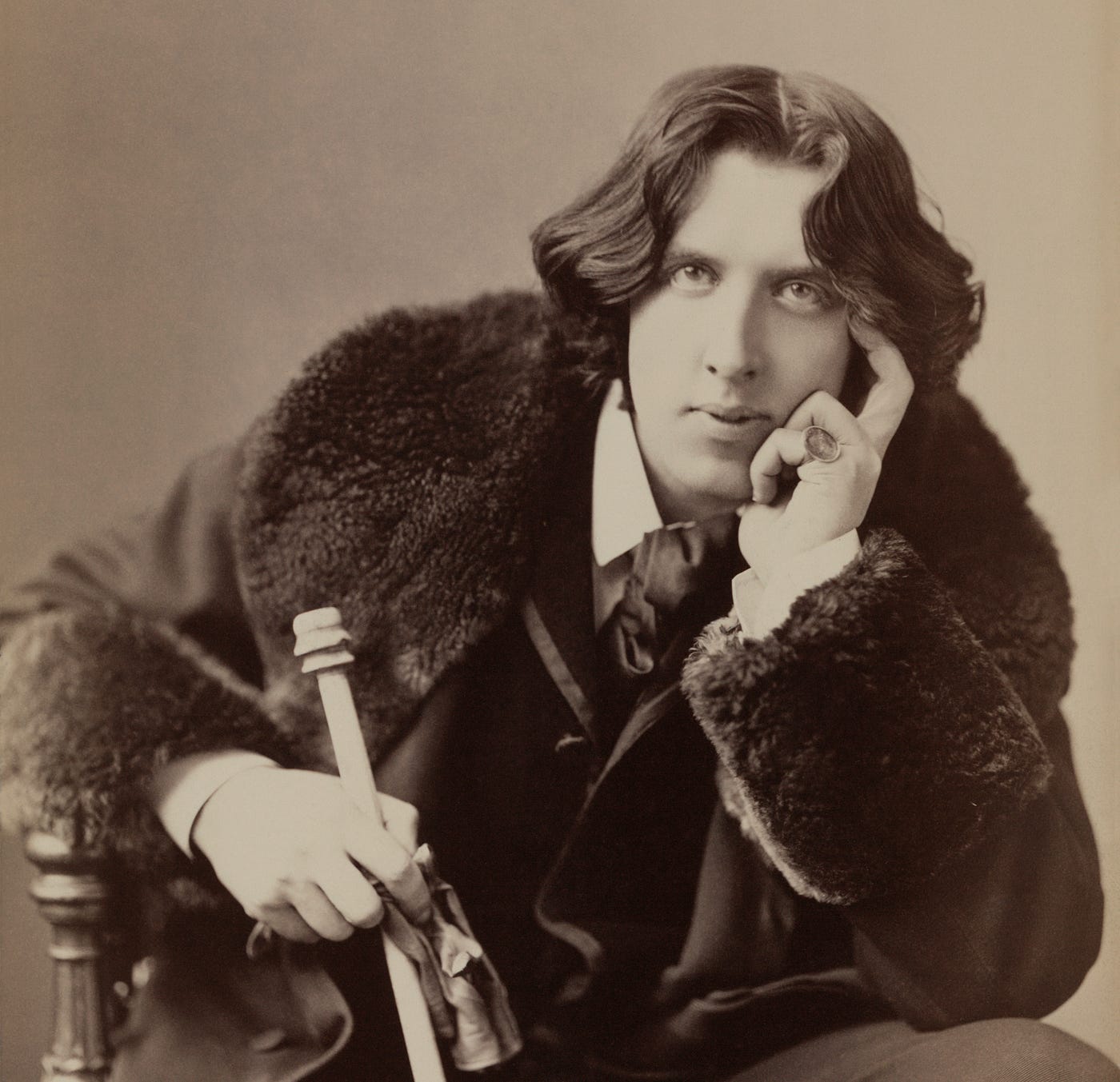
Where pathos overflows: The aching weight of Shubhapantuvarali and its allies!
A memory of music, mischief, and scales that refuse to lighten, and yet…
Where pathos overflows: The aching weight of Shubhapantuvarali and its allies!
A memory of music, mischief, and scales that refuse to lighten, and yet…
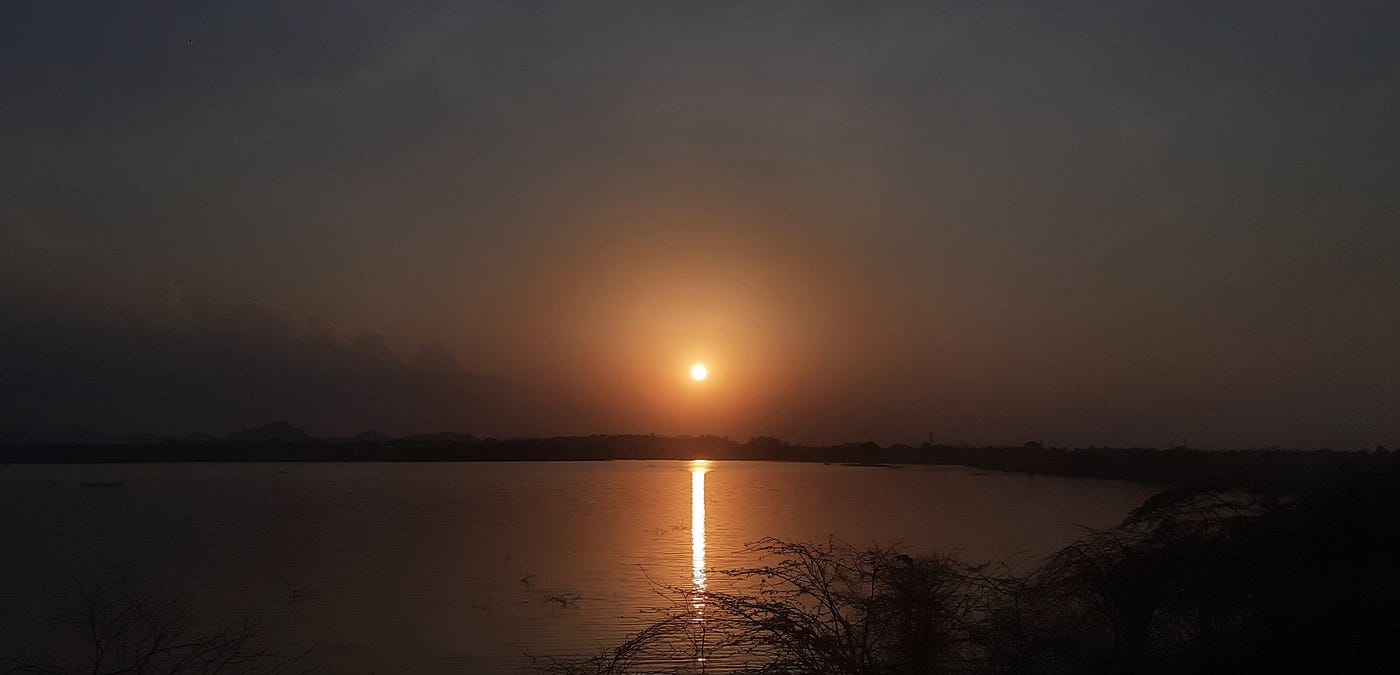
The last light carries a plea | Photo: Sunset, Arsikere
Sometime in 2016, I had been to Chennai to take vocal lessons with my music teacher. I used to visit him once every six months, for two to three days, and each time, he would teach me a few rare kritis, while encouraging me to learn some of the more popular ones on my own.
On one such visit, he was scheduled to perform a concert and asked all of us students to attend. It was about a thirty-minute drive from his home, and some of us students went together. We were casually chatting about what he would sing, while some groaned: “Ayyo.. Akka… you have no idea. It is typical…Kalyani dhaan paduvaanga! Sir always sings Kalyani in the evenings. Just watch.”
The venue was a small community hall, with only a modest audience. A few of his regular students were told to sit behind him and accompany him on stage, while some of us were asked to sit in the front row of the audience.
The concert began.
He actually did open with the Vanajakshi varnam in Kalyani! The students were spot on. One of them, with a soft but sure smile, signalled from the stage as if to say, "See, just like we told you!
He started slow, but then ramped it up through three speeds, which really kicked off the evening and set the perfect mood.
About forty-five minutes into the concert, after performing pieces such as Janani Ninnu Vina in Reethigowla, Sarasa Samadhana in Kapi Narayani, and a few Tamil songs, he began an alapanai in Shubhapantuvarali.
Well, after that high-energy start, just those very first phrases of Shubhapantuvarali were enough to pull one into a vortex of deep pathos.
And yet, behind him, a quiet mischief was brewing. Some of our friends on stage were playfully mocking the mood — faking tears, dramatically wiping them, and pleading to the heavens in exaggerated despair. While, for a few seconds, those phrases really took me to another world, the mischief behind them snapped me right out of it. I struggled to hold back my laughter. One of them even gestured upward, as though begging the divine to make the alaapanai stop right there. A flustered senior student, feeling the weight of the audience’s gaze, grimaced at the mischief, signalled frantically in a few, sharp eye glances and gestures that clearly meant to behave: Dei…! Summa okkaru da! Pakranga..Ippadi ellam pannade!
I didn’t quite know how to respond — whether to just listen to my teacher’s elaborate rendition of the raga, or give in to the laughter stirring behind him. Not trusting myself, I was certain I would burst out laughing — I lowered my head, closed my eyes, and tried to focus on the music. The violinist, too, seemed briefly distracted: perhaps even letting a discordant note slip in…before quickly regaining focus. At one point, my teacher sensed something amiss, turned back and gave a stern look. The mischief ended there- ¡Qué risa!
Even in that brief anger, he continued, weighing in more on the G2, M2, and D1 — notes that seemed to anchor its gripping pleading. It began as a slow, simmering emotion, and even as the phrases gathered speed, it felt like a fervent appeal — perhaps for mercy, or for release.
And yet, I was unable to enter that space fully. Despite the gravity of the music, my thoughts were a bit of a mess. I struggled to stay present, mentally drifting in and out throughout the vocal and violin solos.
He went on to render Sri Sathyanarayanam Upasmahe with great elaboration, where the kriti’s vision of the all-pervading, blissful absolute unfurling through the aching pathos of the raga, as though the finite were pleading their way toward the infinite. It stirred many opposing emotions at once: the weight of the raga, thoughts drifting elsewhere at that time and the memory of those funny antics on stage. I didn’t quite know how to just be in that moment. Somehow, I sat through the rendition with fractured focus. It was a constant tug-of-war. The music would pull me in, and then my thoughts would pull me right back out.
The violinist was exceptional. The tone of his instrument alone was enough to zone one in, especially when he drew long bows, weighing more on the M2/D1 axis, and certain phrases kept circling in my mind long after I had returned home from that brief visit to Chennai.
And yet, my relationship with Shubhapantuvarali began much earlier.
As a child, while learning devotional songs, I had the habit of listening to cassettes — singing along, memorising, and trying to absorb. One such song, though I didn’t know its raga then — I was barely ten — was ***Nadedu Barayya Bhava Kadalige Kumbha Sambhava.*** Somewhere in it, a brief violin interlude strangely caught my attention. I remember asking my uncle to recreate that bit over and over again. And, he would happily oblige!
My mother would often identify the ragas of the songs we heard, from silver-screen melodies to devotional songs. I was just an observer then; I didn’t know how to contest, and just accepted her word as gospel. I remember the moment this song came up; she exclaimed, “Shubhapantuvarali! A Sampoorna raga, Melakartha №.45!”
Yet, she didn’t miss an opportunity to take a jab at it right there. She poked fun at the irony of the scale and quipped: “It carries ‘Shubha’ — the auspicious — in its very name, and yet, listen to that heavy, grounding pathos. Ayyo… who named it so? It should have been *Dukha*pantuvarali!” As the sahitya reached the line Nadedu Barayya, she would rib, “If the Lord heard such a wailed pleading, He** would run for his life instead of walking towards the devotee!”
But I really appreciate the song’s lyrical craft: The poet pleads with the Lord, with folded hands, to challenge the Lord’s ‘divine ego,’ daring Him to rush to His devotee’s side if He truly wishes to uphold His reputation as the ultimate Saviour, as he closes the song!
Despite its name, which means auspicious moon, this raga is best known for its tear-jerking characteristic, often finding its way into cinema to heighten moments of tragedy or intense spiritual longing. And yet, in doing so, it offers a kind of emotional catharsis: a deep purging. One wonders: in that release, is something truly cleansed, even purified… or does a trace of grief still remain?
In the framework of Rasa Theory, the raga Shubhapantuvarali serves as a powerful vessel for the most moving human experiences, transforming a simple melody into a bridge to the soul’s deepest vulnerabilities. It deftly captures the sharp pain of separation (Viraha), the grounding humility found in recognising one’s own limitations, and the gravity of tragic narratives often portrayed in cinema. By weaving these heavy, sombre threads into a structured musical form, it becomes more than just a sequence of notes; it is perhaps a clear reflection that shows the complexities and existential weight of the human condition.
But Rasa isn’t about getting trapped in grief; it’s about tasting the sadness and letting it move and pass through you. This is likely why the raga is called Shubha or auspicious. The real beauty isn’t found in the pain itself, but in the sense of peace and relief that comes from finally letting it go.
This perhaps is why this raga’s versatility allows it to shift seamlessly across different musical landscapes. In Carnatic music, it often carries a sense of weary devotion — a surrender born from the realisation of life’s fleeting nature. *Ennallu Urake Unduvo questions the period of silence of the Lord. [Sri Satyanarayanam](https://www.youtube.com/watch?v=Ah3zLznd3ls) describes the Lord as an all-pervasive embodiment of truth and bliss. Likewise, [Nee Samanamevaru](https://www.youtube.com/watch?v=0-erlAegvbg) poses a question to the Divine Mother: “Who is equal to you*?”
Beyond these staples, the raga reaches into more specific geographies. A lesser-known *Pashupathiswaram describes Lord Pashupatinatha. I learnt this composition has lesser Carnatic grammar and has more of Hindustani influences. Reflecting on my own visit to Pashupathinath in Kathmandu, I realise that knowing about the song then would have deepened my appreciation for the symbolism of the deity, the music, and the sacred landscape. Interestingly, within Dikshitar’s school of thought, this scale is recognised as Shivapantuvarali*.
To explore these classical depths further, the archives of Sangeethapriya.org and YouTube offer a wealth of renditions. I also recommend a brilliant whistling version, or a beautiful Nadaswaram rendition, or an evocative *Ragam Thanam Pallavi (RTP), or an insightful [lec-dem](https://www.youtube.com/watch?v=un_bL6rKgU8)* on the raga’s various applications.
Furthermore, by simply shifting the tonic note (Graha Bhedam), the scale transforms into Chalanata — a raga that is bright, forceful, and entirely different in temperament!
In the devotional realm, the raga’s haunting beauty is exemplified in *Karuniso — a devotional plea. Aaru Hitavaru Ninage asks where true comfort lies: in a woman, earth, or wealth? Though this power-packed track weaves through multiple notes in the middle, its soul remains firmly rooted in Shubhapantuvarali/Lalit.*
The mood shifts again in the Hindustani tradition, where it is known as Miyan ki *Thodi. It is even played at auspicious events, truly living up to the “Shubha” in its name. Just yesterday, I was watching a movie that closed with the wedding of the lead characters, with Miyan ki thodi* playing gently in the background.
But, how can one forget the scintillating Shehnai rendition?
Omit the Pancham, and you get a beautiful Gurjari Thodi — and a finer example is a bandish, *Bhor Bhaye Thor Takat Piya. Or simply add an M1 to this scale, and it becomes a beautiful, morning raga [Lalit](https://www.youtube.com/watch?v=zC1rC50Pl3o).*
Well, with a wealth of interpretations available online, there’s plenty to explore — find your own way in!
The allure of allies
In the cinematic world, this scale often serves as the quintessential sound of sorrow, providing the backdrop for the most heart-wrenching tragedies. Its pathos is apparent in *Kanneera Dhaare Ideke, the tune of which appears to be directly taken from a soul-stirring ghazal, [Koi Paas Aaya Savere Savere.](https://www.youtube.com/watch?v=iZxbEFsBw-U) However, the two versions contrast in mood: while the Kannada track is steeped in deep helplessness, the original conveys the arrival of someone in the morning raga Lalit*. Interestingly, filmmakers often lean toward the structure that omits the 5th note, known as Shekharachandrika or Shubhali, though that specific name carries far fewer references.
**Yet the raga refuses to be pigeonholed**. Its gravity is further underscored in *Rama Katha Ganalaya to masterfully highlight the tension between a wedding and a death; yet in [Nee Ayirathil Oruvan](https://youtu.be/HTvrtkkYaDg?si=Yng-Ceql0Fqb2IlP), it feels like pure admiration. In [Mohe Piya](https://youtu.be/NMn-1v_8u7g?si=baKrmEpmc9Wrun03), the raga shifts again into a delicate, intimate longing, particularly in the final phrases, where a mother’s yearning to unite two lovers is abruptly met with a hard-hitting reality. Though the song begins with entirely different scales and traverses notes outside the traditional configurations, it eventually culminates in Shubhapantuvarali (Miyan ki Thodi), and it is this specific ending that lends the piece its true power. It appears in praise of Lord Shiva in [Mahaprana Deepam](https://youtu.be/K-eMFiFSFRg?si=zd24wGF0ztk_KiR1), or in praise of Lord Krishna in [Re Man Krishna Naam](https://www.youtube.com/watch?v=6G9xZbnyEyE). The scale’s versatility as Lalit continues through the classic [Raina Beet Jaaye](https://www.youtube.com/watch?v=vl1XkstVXn8) and the techno-blended [Badi Dheere Jali](https://www.youtube.com/watch?v=nqvEf7wYtCg)*, which are some of the beautiful ones to soak in!
For those interested in exploring further, various multilingual compilations are available on YouTube. But perhaps its most interesting use is the climactic art mela scene in Taare Zameen Par, which opens with a soulful Shehnai rendition in this scale, setting a tone for a new beginning and a dramatic [face-off ](http://This scale works for both the peaceful art scene in Taare Zameen Par and the dramatic confrontation between the two powerful women in Ponniyin Selvan.)between two powerful women in Ponniyin Selvan! I’d love to see in comments if you find more such contrasting uses of this scale or its allies in cinema!
Ultimately, experiencing this raga is a personal journey. Its mood shifts from the quiet of dawn to the fading light of dusk, with its emotional landscape shape-shifting depending on the light. Sometimes, the raga even sheds its own weight, turning tears into something light. While these ragas share a common lineage, their emotional distance is measured in the smallest of shifts. *Shubhapantuvarali and Hindustani Todi* use the full scale to create a grounding, devotional depth. However, by omitting the Panchama, the mood thins and sharpens into the fragile, unresolved pathos of Shekharachandrika and Gurjari Todi. Then there is the outlier, Lalit, which introduces the Shuddha Madhyam (M1) to shed that brooding Todi skin, transforming the landscape into an ethereal morning light. It is a masterclass in musical alchemy: by simply removing a note or shifting an oscillation, the auspicious moon of one sets, only to rise as the heart-wrenching sorrow of another.
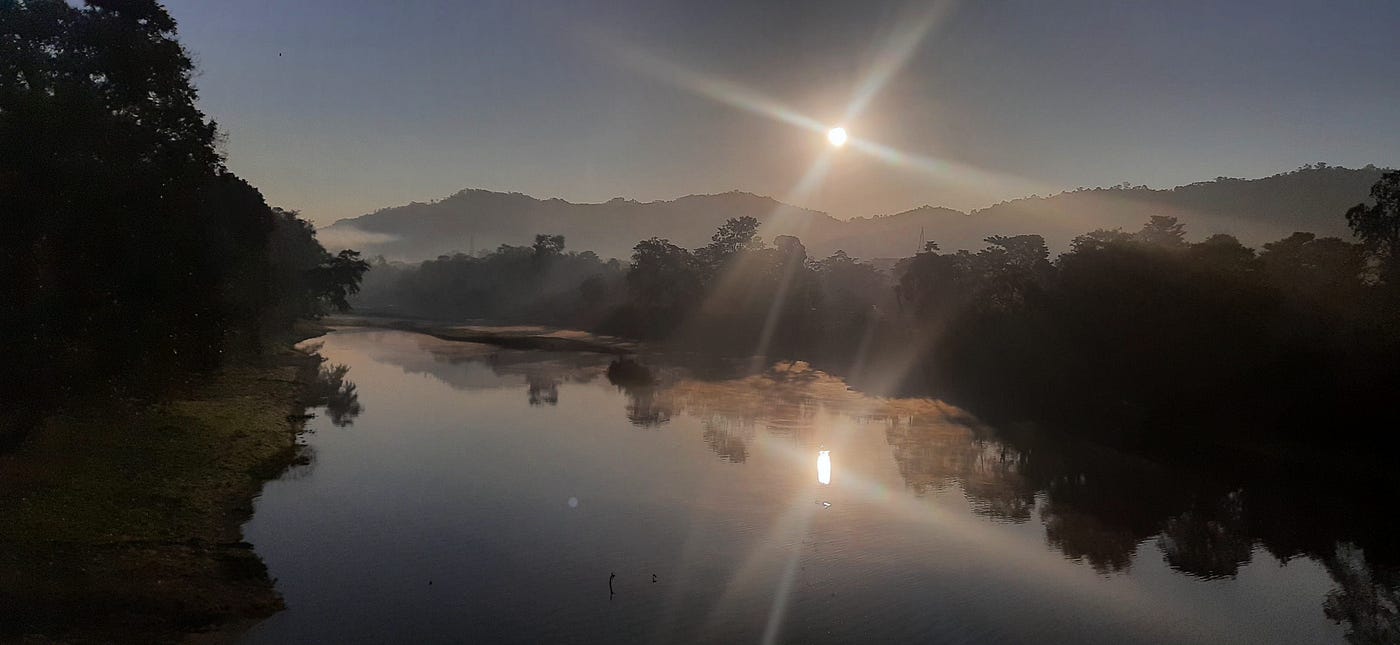
Dawn | Kaziranga, Assam
My fellow comrades, the fact that you’re still here deserves a standing ovation and a medal of honor. Since my budget doesn’t quite cover the bronze, please accept my eternal gratitude for enduring this monologue!
I’ll stop now, while I’m still reluctantly exiting the stage, wiping away melodramatic stage-tears with a silk handkerchief. ¡Ay, qué tragedia! Boo-hoo… (tearfully), wiping my eyes…nose… and whining…
Before I finally draw the curtains on this short, little rant, let me help you lighten the mood with a *cheeky track set in this very scale, proof that even the most melancholic raga* can find its way to a witty, whimsical detour!
After all, this whole experience has been wrapped in comedy and draped in tragedy!
Ayyooooo… What are you still doing here? To put a scene, ah?
메타데이터
- post_id
- 1d74ff9ad6b5
- slug
- where-pathos-overflows-the-aching-weight-of-shubhapantuvarali-and-its-allies-1d74ff9ad6b5
- url
- https://medium.com/musicality/where-pathos-overflows-the-aching-weight-of-shubhapantuvarali-and-its-allies-1d74ff9ad6b5
- canonical_url
- https://medium.com/musicality/where-pathos-overflows-the-aching-weight-of-shubhapantuvarali-and-its-allies-1d74ff9ad6b5
- author_url
- https://medium.com/@ramyabadrinath
- status
- ok
- fetched_at
- 2026-06-10 22:22:12