Web 1.0, Web 2.0, and the Emergence of Web 3.0: A Comprehensive Overview
The evolution of the internet has been marked by distinct phases, each with its own defining characteristics and technological…
Web 1.0, Web 2.0, and the Emergence of Web 3.0: A Comprehensive Overview
The evolution of the internet has been marked by distinct phases, each with its own defining characteristics and technological advancements. Web 1.0, Web 2.0, and the emerging concept of Web 3.0 represent significant milestones in this journey.
Web 1.0: The Static Web (1990s)
Key Characteristics:
Static Web Pages: Web 1.0 was characterized by static web pages with basic HTML content. These pages provided information but lacked interactivity.
Limited User Involvement: Users primarily consumed content, and there was minimal opportunity for user-generated content or interaction.
Centralized Data: Information was stored in centralized servers, and users had limited control over data.
Search Engines: Early search engines like Yahoo! and AltaVista helped users discover content, but the internet was largely unorganized.
Major Advancements:
HTML: The development of HTML (Hypertext Markup Language) allowed the creation of web pages with text, images, and hyperlinks.
First Websites: Early websites like the “World Wide Web” project by Tim Berners-Lee paved the way for internet usage.
Web 1.0 was the foundation of the modern internet. It served as an information repository but lacked the interactivity and user engagement that later phases introduced.
Web 2.0: The Interactive Web (2000s)
Key Characteristics:
Interactivity: Web 2.0 brought a dynamic shift by introducing interactive web applications, social media, and user-generated content platforms.
User-Centric: Users actively contributed content through blogs, social networks, and wikis.
Rich User Experiences: The introduction of AJAX (Asynchronous JavaScript and XML) enabled richer, more responsive web experiences.
Search and Discovery: Advanced search algorithms and social recommendation systems improved content discovery.
Major Advancements:
Social Media: Platforms like Facebook, Twitter, and YouTube revolutionized how people connected and shared content.
Blogging: The rise of blogs allowed individuals and organizations to publish content easily.
Web-Based Applications: Online email, document collaboration, and cloud computing services became mainstream.
Web 2.0 democratized the internet, making it more accessible, interactive, and social. It allowed users to actively participate and contribute, shaping the web’s content.
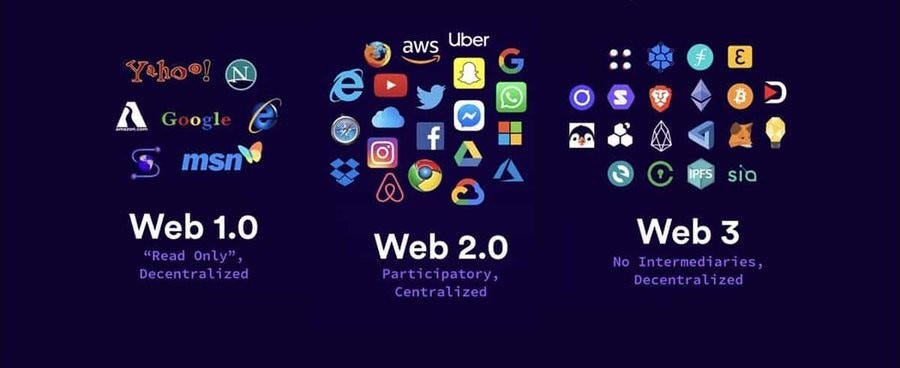
web1.0 vs web2.0 vs web3.0
Web 3.0: The Decentralized and Semantic Web (Emerging)
Key Characteristics:
Decentralization: Web 3.0 seeks to decentralize data, putting users in control of their information. Blockchain technology plays a crucial role in enabling this.
Semantic Understanding: Web 3.0 aims to enhance data interpretation, allowing machines to understand content in a more human-like manner.
Interoperability: The concept of a more interconnected internet promotes the seamless exchange of data and assets across applications and services.
Potential Advancements:
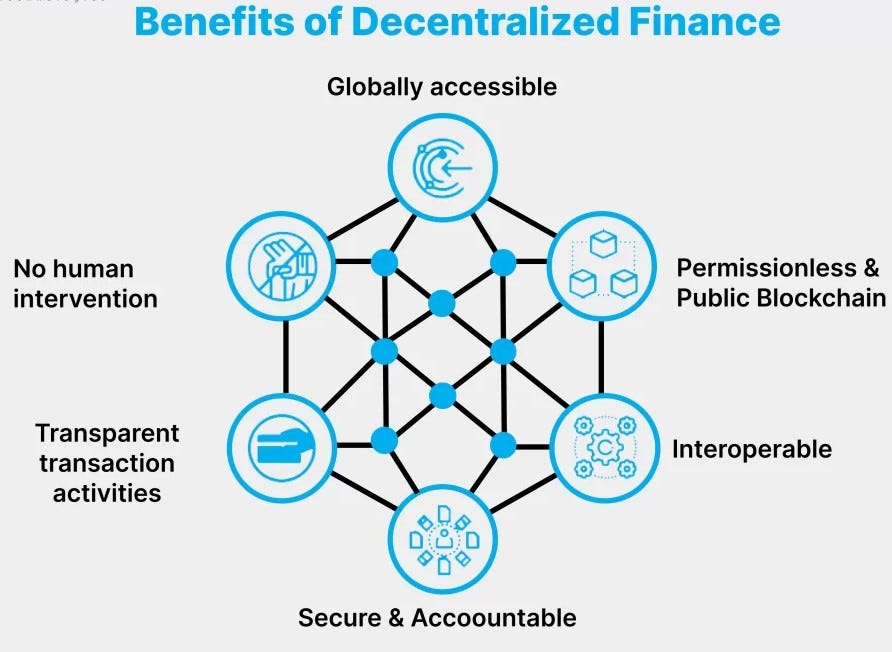
Decentralized Finance (DeFi): DeFi platforms are changing how financial services are delivered, offering lending, trading, and earning opportunities without traditional intermediaries.
NFTs (Non-Fungible Tokens): NFTs represent unique digital assets, opening up new possibilities for creators and collectors.
Self-Sovereign Identity: Users gain greater control over their personal data and identity.
Blockchain-Based Applications: Decentralized applications (DApps) offer transparency, security, and trust.
Smart Contracts: These self-executing agreements have applications in various sectors, automating processes and reducing the need for intermediaries.
Web 3.0, while still emerging, is centered around decentralization, data ownership, and a semantic understanding of content. It promises a more secure, user-centric, and interconnected internet, with exciting possibilities for innovation and collaboration.
The journey from Web 1.0 to Web 2.0 and, ultimately, to Web 3.0 reflects the internet’s continuous evolution, driven by technological advancements and changing user expectations. Each phase has left its mark, shaping the way we interact with the digital world and opening up new horizons for the future.
메타데이터
- post_id
- 1d8de74e77d2
- slug
- web-1-0-web-2-0-and-the-emergence-of-web-3-0-a-comprehensive-overview-1d8de74e77d2
- url
- https://medium.com/@yaserarabth/web-1-0-web-2-0-and-the-emergence-of-web-3-0-a-comprehensive-overview-1d8de74e77d2
- canonical_url
- https://medium.com/@yaserarabth/web-1-0-web-2-0-and-the-emergence-of-web-3-0-a-comprehensive-overview-1d8de74e77d2
- author_url
- https://medium.com/@yaserarabth
- status
- ok
- fetched_at
- 2026-07-25 01:35:12