Which Goat Breed is Right For You? Part 1: Dairy and Meat
By Logan Smith, February 2026
Which Goat Breed is Right For You? Part 1: Dairy and Meat
By Logan Smith, February 2026
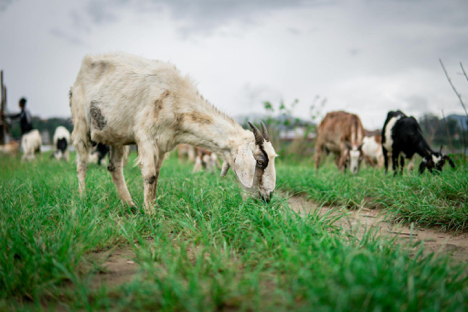
Understanding the demands and rewards of different breeds of goats.
Around the world you will find this four legged friend fulfilling a variety of roles and functions for their humans. Goats are one of the most common livestock for amateur farmers and homesteaders due to their versatility and amiable companionship. Goats are even believed to have been the very first domesticated livestock in human history, with evidence of their domestication spanning back 10,000 years. World wide there are more goats than cows, demonstrating how intertwined this species is with human life. It makes sense then that goats have been bred and specialized into a variety of different purposes.
Before starting your goat farm, it is good to know what you want from your goats, and how much work you’re willing to put into them. It can be helpful then, to know what these different breeds are best at so that you can choose the breed of goat that is right for you. This post will focus on the most popular purposes for goats, Dairy and Meat.
Here are the top 5 popular purposes for goats in the United States:
1. Dairy
2. Meat
3. Coat Fibre
4. Brush Clearing
5. Pets and Companions
Dairy
Goats milk is well regarded for its rich flavor and high fat content that produces some of the best cheeses in the world. These are the top breeds for producing milk quantity and quality:
- Saanen: For sheer milk quantity, the Saanen comes out on top averaging 2,500 to 3,800 pounds of milk over 300 days while yielding a lower butterfat content of 2.5–3.5%. Originating from Switzerland and Northern France, these 170lb white and cream colored goats prefer cooler climates with plenty of shade due to their fair skin. They have calm and steady temperaments making them suitable to be around children, but they are known to be talented climbers and clever escape artists if their fence is less than 4 feet tall. (Pieper, 2025)

- Nubian: If you’re a fan of a creamy chèvre cheese, the Nubian might be a good choice. These 130lb brown droopy-eared goats from the Middle East yield milk that is 4–5% fat while still producing 1,500 to 2,500 lbs of milk per a 10 month lactation period. Their high butterfat and high yield make them popular with those wishing to make cheese. These goats are generally heat and cold tolerant, making them suitable for most climates. They are fairly easy to handle, however they are known to be very vocal and noticeably louder than other breeds. (Knapp, 2021)

- Alpine: For a balance of quality and quantity, look no further than the classic Alpine Goat. Yielding higher fat content than the Saanen and more lactation than the Nubian, these goats produce 2,000–3,000 pounds of milk that is 3.5–4% with a proper diet. These 130lb goats trace their origin back to the French Alps and come in a variety of shades of grey and patterns. While considered alert and curious, they have a friendly temperament and prefer cooler climates.

- Kinder: Crossed between the Nubian and a smaller Pygmy goat, the Kinder is known as both an exceptional dairy and meat breed. Its modest 1,200 to 1,800lbs of lactation is combined with a high butterfat percentage of 5.5–7.5%, making it perfect for creamy-rich cheese products. These smaller, 150lb, and well tempered goats are great for new goat owners wishing to make their own top quality cheeses. And though smaller than a typical meat goat, they are known to yield a tender and lean meat. (CareFreeGoats.com)

Meat
A good meat goat is more than just the largest breed. One also needs to take into account growth rate, muscle to frame ratio, hardiness and parasite resistance, and reproductive performance.
- Boer: Perhaps the most well known meat goat for embodying a balance of all parameters, the Boer bucks can reach up to 200lbs with high muscle and broad chests. With proper nutrition and exercise, these goats can grow up to 2lbs per day, reaching maturity in as little as 9 months. This short maturation window is beneficial since they are not known to be particularly parasite resistant and may require deworming medication if they become ill. (Knapp, 2021)

- Spanish: One of the first goat breeds in the Americas, the Spanish goat was brought to North America in the 1500s by, you guessed it, Spanish Settlers. Since this breed is highly disease and parasite resistant, it is often cross bred with other species to make them hardier and more resistant. Pure bred Spanish Goats may be harder to come across, but generally they will weigh between 200 and 250lbs and have long or short rust brown hair. They grow slower than the Boer at around .3-.4lbs per day. These goats are heat, cold, and drought resistant, making them suitable for most weather. However with their size and stubborn temperament, these goats are suited best for experienced goat herders. (Peiper, 2024)
- Kiko: Originally deriving from New Zealand, Kiko means meat in the indigenous Maori language. Bred from the local feral goats with the more docile milk goats, this breed retains the hardiness and parasite resistance of its wild ancestors, while having a much more gentle temperament. These goats boast a speedy growth rate of the Boer at 2lbs per day, reaching up to 180–270lbs. Additionally, they are polyestrous, breeding year round and even known to possibly birth twins or triplets 155 days later.

- Savanna: Savanna goats are hardy, with resistance to most common parasites and the ability to withstand both extreme heat and dry cold when properly acclimated. Their solid white coat helps reflect heat during hot summers, while their dense hair provides insulation during colder months. Developed in South Africa specifically for meat production, mature bucks can reach up to 250 pounds. Their large, well-muscled frame yields high-quality meat while retaining a gentle yet alert temperament. Savannas are often described as a “Boer alternative,” offering comparable size with added toughness for harsher climates. Combined with excellent fertility and strong mothering ability, these goats are a great medium-maintenance choice.

Conclusion
Choosing the right goat breed ultimately comes down to understanding your goals, your land, and the level of management you’re prepared to provide. Dairy breeds reward attentive care with rich milk and exceptional cheese, while meat breeds offer efficiency, growth, and resilience in pasture-based systems. Some prioritize sheer production, others durability and low-input hardiness. There is no single “best” goat — only the goat that best fits your climate, infrastructure, and long-term plans.
Whether you’re dreaming of fresh chèvre in your kitchen or building a productive meat herd, starting with the right breed will make your experience far more enjoyable and sustainable.
And while milk and meat are the most common purposes in the United States, they are far from the only roles goats can play. From brush-clearing powerhouses to luxurious fiber producers and affectionate companion animals, goats continue to surprise people with their versatility.
In the next post, we’ll explore those other purposes — and you may just discover a role for goats you hadn’t even considered.
Sources:
Morning Chores — Boer Goat: Breed Info, Characteristics, Breeding, and Care
Carefree Goats — Kinder Goat: Complete Breed Guide 2025 | Dual Purpose Production | Carefree Goats
Images by pexels.com
(Originally published at blog.livestockcity.com — see more articles from the Livestockcity staff).
메타데이터
- post_id
- 1d91d831bec5
- slug
- which-goat-breed-is-right-for-you-part-1-dairy-and-meat-1d91d831bec5
- url
- https://medium.com/@livestockcity/which-goat-breed-is-right-for-you-part-1-dairy-and-meat-1d91d831bec5
- canonical_url
- https://medium.com/@livestockcity/which-goat-breed-is-right-for-you-part-1-dairy-and-meat-1d91d831bec5
- author_url
- https://medium.com/@livestockcity
- status
- ok
- fetched_at
- 2026-07-13 06:23:13