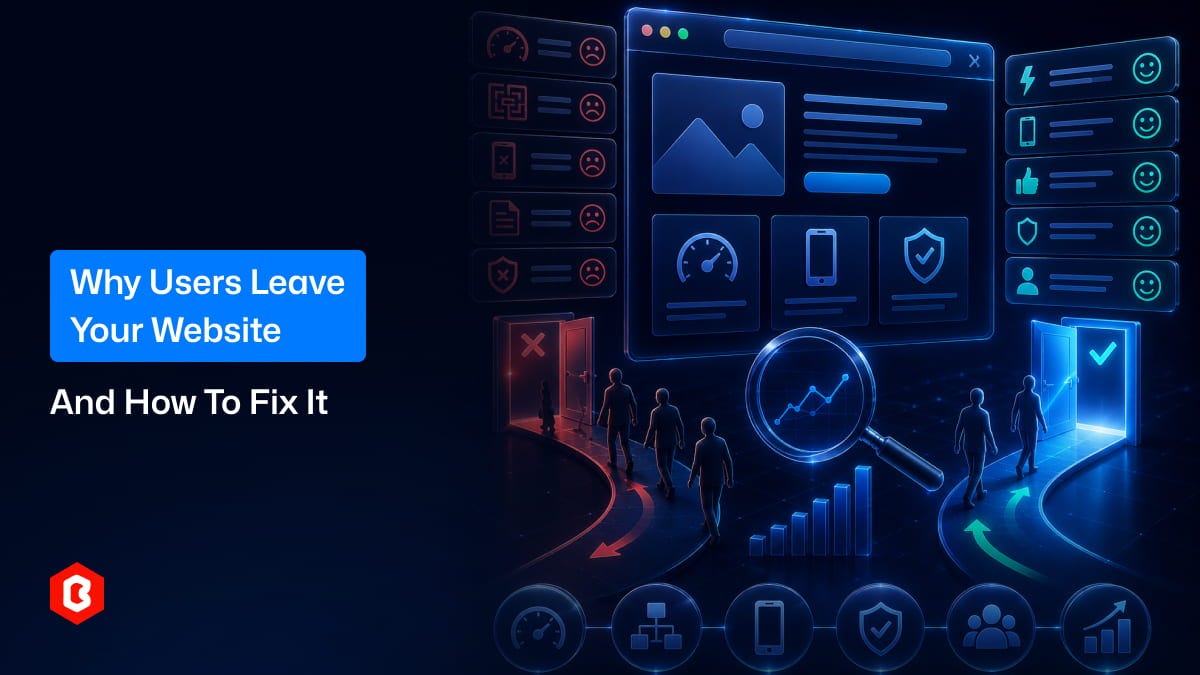
What Modern Users Expect from Your Website Design
If you look at how people use websites today, one thing becomes very clear. Expectations have changed a lot. What felt “good” a few years…
What Modern Users Expect from Your Website Design

User Expectations from Your Web Design
If you look at how people use websites today, one thing becomes very clear. Expectations have changed a lot. What felt “good” a few years ago now feels slow, messy, or just outdated.
People don’t think about web design in technical terms. They don’t say, “This site has great UX.” They just feel it. Either the website is easy and pleasant, or it’s frustrating, and they leave.
That’s the reality now. So if you’re building or improving a website, it helps to understand what modern users actually expect, not in theory, but in real everyday usage. Let’s walk through it in a simple way.
First Impression Still Matters (Maybe Even More Now)
When visitors visit your website, they quickly form an opinion. It’s not something they sit and think about. It just happens.
If the design looks clean and modern, they feel comfortable staying. If it looks cluttered or outdated, they get a bit unsure.
You might notice this yourself, too. When a site looks “old,” you automatically question if it’s still active or trustworthy.
Modern users expect:
- A clean layout that doesn’t feel crowded
- Enough white space so things can “breathe”
- A design that looks updated, not stuck in 2015
It doesn’t need to be fancy. In fact, too much design can sometimes hurt. Simple and clear usually wins.
Fast Loading Is Not Optional Anymore
People don’t like waiting. Honestly, they never did, but now they have even less patience.
If your website loads slower than the average speed (~2 seconds), many users will just leave. They won’t complain. They won’t give feedback. They’ll just go somewhere else.
This is one of those silent problems.
Modern users expect:
- Quick page loading speed, even on mobile data
- Images that don’t take forever to appear
- Smooth browsing without lag
Even a small delay feels annoying now. Speed is part of the experience, not just a technical detail.
Mobile-Friendly Design Is the Default
Most users today browse on their phones. Not sometimes, but most of the time. So when they open your website, they expect it to work perfectly on a small screen. If they have to zoom in, scroll sideways, or struggle to tap buttons, it feels broken.
A good mobile experience means:
- Text is easy to read without zooming
- Buttons are easy to tap
- Layout adjusts naturally to different screen sizes
In a way, mobile-responsive design is no longer a “feature.” It’s just the standard.
Simple Navigation That Makes Sense
People don’t want to think too much while using a website. They want things to be obvious. If your navigation is confusing, they won’t try to figure it out. They’ll just leave. It’s that simple.
Modern users expect:
- Clear menu labels (no clever but confusing names)
- Easy access to important pages
- A logical structure that feels natural
For example, if someone is looking for pricing or contact details, they shouldn’t have to search for it. It should be right there.
Clear and Honest Content
Design is not just visuals. What you say, and how you say it, matters just as much. People don’t want to read long, complicated text. They want clarity. You might notice that users often skim instead of reading everything. So your content needs to work that way too.
Good content today feels:
- Easy to understand
- Straight to the point
- Honest, not overly salesy
If something sounds too exaggerated, people get skeptical. A simple, real tone works better.
Trust Signals Are Quietly Important
Users don’t always say it, but they’re constantly judging whether they can trust your website. Small details make a big difference here.
Things that help build trust include:
- A clean, professional design
- Secure connection (HTTPS)
- Real testimonials or reviews
- Clear contact information
Even little things like broken links or outdated content can reduce trust. People notice more than we think.
Consistency Across the Whole Website
Imagine clicking through a website where every page looks different. Different colors, different styles, different layouts. It feels confusing, right? Modern users expect consistency without even realizing it.
This includes:
- Same color scheme across pages
- Similar layout structure
- Consistent fonts and button styles
When everything feels connected, users feel more comfortable. It’s subtle, but important.
Interactive But Not Overwhelming
Adding animations and effects can make a website feel modern. But there’s a line. Too many animations can actually feel distracting or even annoying. People don’t visit your site to watch animations. They come for information or action.
A balanced approach works best:
- Smooth transitions that feel natural
- Small hover effects on buttons
- Animations that guide attention, not steal it
If something moves just for the sake of it, it usually doesn’t help.
Easy Actions (No Friction)
If a user wants to sign up, buy something, or contact you, the process should be simple. The moment it feels complicated, users start dropping off.
Modern users expect:
- Short and simple forms
- Clear call-to-action buttons
- Minimal steps to complete a task
For example, asking for too many details in a form can feel unnecessary. People prefer quick interactions.
Personalization (But Not in a Creepy Way)
Users now expect a slightly more personalized experience, but there’s a balance. Showing relevant content or remembering preferences can be helpful. But overdoing it can feel uncomfortable.
A good middle ground includes:
- Remembering user preferences (like language or theme)
- Suggesting relevant content or products
- Keeping it subtle and helpful
If personalization feels forced or invasive, it backfires.
Accessibility Matters More Than Before
Websites are used by all kinds of people. Some may have visual or physical limitations. Modern users expect websites to be usable by everyone, even if they don’t explicitly think about it.
This includes:
- Good contrast between text and background
- Readable font sizes
- Proper spacing between clickable elements
It’s not just about being “inclusive.” It also improves the experience for everyone.
Real-Time Feedback Feels Normal Now
When users use your website, they expect instant feedback. If they click a button, something should happen. If they submit a form, they should know it worked. Without feedback, people feel unsure.
Helpful feedback includes:
- Loading indicators
- Success or error messages
- Small visual responses to clicks
These tiny details make the experience feel alive and responsive.
Content That Feels Human
This one is interesting. People are starting to notice when something feels too robotic. Websites that sound overly formal or generic feel less engaging. Modern users connect better with:
- Natural language
- Slightly conversational tone
- Real examples or relatable explanations
You don’t need to be overly casual. Just avoid sounding like a textbook.
Minimal Distractions
Pop-ups, auto-play videos, loud banners. These things can quickly push users away. People want control over their experience.
Modern users expect:
- Fewer interruptions
- No aggressive pop-ups
- Content that’s easy to focus on
A well-designed website feels calm, not noisy.
Regular Updates and Fresh Feel
Even if your design is good, it can start to feel outdated over time. Users notice small things like:
- Old blog posts with no updates
- Expired offers
- Outdated visuals
Keeping your site fresh doesn’t mean redesigning everything. Sometimes, small updates are enough.
So, What Does It All Come Down To?
If you look at all these expectations together, there’s a common theme. Modern users want websites that feel:
- Easy
- Fast
- Clear
- Reliable
Not flashy. Not complicated. Just smooth and natural to use. In a way, the best website design is the one people don’t have to think about. It just works.
A Simple Way to Check Your Website
If you’re not sure how your website performs, try this:
Open it on your phone. Pretend you’re a new visitor. And ask yourself:
- Is your website easy-to-understand?
- Can I find what I need quickly?
- Does anything feel slow or confusing?
That quick test often reveals more than long technical audits.
Final Thoughts
Design trends will keep changing. New tools will come, styles will evolve. But user expectations are moving in a clear direction towards simplicity, speed, and clarity. If your website respects people’s time and makes things easy, you’re already ahead. Everything else is just extra.
메타데이터
- post_id
- 1dc4bf2dc4cb
- slug
- what-modern-users-expect-from-your-website-design-1dc4bf2dc4cb
- url
- https://medium.com/bitrix-infotech-pvt-ltd/what-modern-users-expect-from-your-website-design-1dc4bf2dc4cb
- canonical_url
- https://medium.com/bitrix-infotech-pvt-ltd/what-modern-users-expect-from-your-website-design-1dc4bf2dc4cb
- author_url
- https://medium.com/@bitrix.infotech
- status
- ok
- fetched_at
- 2026-06-15 20:49:13