Why Aadhaar Masking Is Essential for Secure Digital Onboarding in 2026
India’s digital transformation is accelerating at an unprecedented pace. From opening bank accounts and applying for loans to purchasing…
Why Aadhaar Masking Is Essential for Secure Digital Onboarding in 2026
India’s digital transformation is accelerating at an unprecedented pace. From opening bank accounts and applying for loans to purchasing insurance and activating telecom services, customers now expect seamless digital onboarding experiences.
At the center of these processes is Aadhaar, India’s most widely accepted identity document. While Aadhaar has simplified identity verification, it has also raised important concerns around data privacy, security, and regulatory compliance.
As organizations handle millions of Aadhaar documents every year, protecting sensitive identity information is no longer optional. This is where Aadhaar masking has become a critical component of secure digital onboarding in 2026.
The Growing Importance of Aadhaar Data Protection
Aadhaar contains personally identifiable information that is often linked to an individual’s biometric and demographic data. When this information is exposed, the consequences can be significant, ranging from identity theft and financial fraud to privacy violations.
With cyber threats becoming more sophisticated and data protection expectations increasing, businesses must adopt privacy-first approaches to customer onboarding. Aadhaar masking is one of the simplest yet most effective ways to reduce risk while maintaining a smooth verification experience.
What Is Aadhaar Masking?
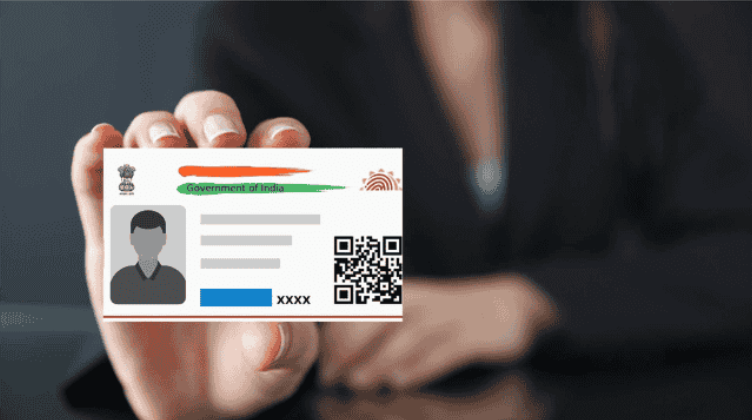
Aadhaar masking is a security technique that hides the first eight digits of an Aadhaar number while displaying only the last four digits.
For example:
XXXX-XXXX-1234
This approach allows organizations to verify the document while ensuring that the complete Aadhaar number is not unnecessarily exposed or stored.
By limiting access to sensitive information, businesses can significantly reduce the chances of misuse if a document is accidentally shared, accessed by unauthorized personnel, or exposed during a security incident.
Why Aadhaar Privacy Matters More Than Ever
As digital onboarding volumes continue to rise, so does the amount of identity data being processed by organizations.
Protecting Aadhaar information helps businesses:
- Prevent identity theft and impersonation
- Reduce the risk of fraudulent account creation
- Strengthen customer trust
- Improve cybersecurity posture
- Minimize the impact of potential data breaches
- Support responsible data governance practices
Consumers today are increasingly aware of privacy risks. Organizations that demonstrate a strong commitment to protecting personal data are more likely to earn customer confidence and long-term loyalty.
Regulatory Expectations Around Aadhaar Usage
Handling Aadhaar data comes with significant compliance responsibilities.
Regulatory frameworks and UIDAI guidelines emphasize the importance of secure processing, controlled access, and responsible storage of Aadhaar-related information. One of the most widely recommended practices is the use of Masked Aadhaar whenever the full Aadhaar number is not required.
Organizations involved in customer onboarding should ensure that:
- Aadhaar data is processed securely
- Sensitive information is adequately protected
- Access controls are enforced
- Identity documents are stored responsibly
- Personal data exposure is minimized
Failure to implement appropriate safeguards can lead to compliance challenges, operational risks, and reputational damage.
The Hidden Risks of Storing Full Aadhaar Numbers
Many organizations still maintain repositories containing unmasked Aadhaar documents. While this may seem convenient, it introduces substantial security risks.
Identity Theft
If Aadhaar data is compromised, cybercriminals may use it to impersonate individuals and gain unauthorized access to services.
Fraudulent Applications
Exposed Aadhaar information can potentially be misused to open accounts, apply for loans, or conduct fraudulent transactions.
Larger Breach Impact
When full Aadhaar numbers are stored, any data breach becomes significantly more damaging because sensitive information is immediately exposed.
Insider Threats
Without proper masking and access controls, employees or contractors with database access may misuse sensitive information.
For these reasons, organizations are increasingly embracing data minimization principles, collecting and storing only the information necessary for business operations.
How Automated Aadhaar Masking Supports Digital Onboarding
Modern onboarding systems process thousands of documents every day. Manually masking Aadhaar numbers is inefficient, time-consuming, and prone to human error.
Automated Aadhaar masking eliminates these challenges by masking sensitive information instantly during document processing.
A typical workflow looks like this:
- A customer uploads an Aadhaar document.
- The system scans the document using OCR and intelligent document processing technologies.
- The Aadhaar number is automatically detected.
- The first eight digits are masked.
- The masked document is securely stored or forwarded for verification.
This process protects customer data without introducing delays into the onboarding journey.
The Role of AI in Aadhaar Masking
Artificial Intelligence is transforming how organizations manage identity documents.
Modern AI-powered Aadhaar masking solutions can:
- Detect Aadhaar numbers in scanned documents and images
- Process both structured and unstructured document formats
- Automatically mask sensitive digits
- Handle bulk document volumes
- Reduce manual intervention
- Improve consistency and accuracy
By combining AI with OCR technology, organizations can achieve faster processing speeds while maintaining compliance and security standards.
This is particularly valuable for industries such as:
- Banking
- Fintech
- Insurance
- NBFCs
- Telecommunications
- Government services
Where identity verification is a core part of customer onboarding.
Business Benefits of Aadhaar Masking
Organizations that implement Aadhaar masking gain advantages that extend beyond compliance.
Enhanced Data Security
Masked documents significantly reduce the exposure of sensitive information.
Reduced Fraud Risk
Limiting access to full Aadhaar numbers makes identity misuse more difficult.
Better Compliance Readiness
Automated masking helps organizations align with evolving privacy and regulatory expectations.
Faster Onboarding
AI-driven masking integrates seamlessly into digital onboarding workflows without creating bottlenecks.
Improved Customer Trust
Customers are more likely to engage with organizations that prioritize privacy and data protection.
Scalable Operations
Automated systems can handle growing document volumes efficiently while maintaining security standards.
Looking Ahead
As India’s digital ecosystem continues to expand, the need for responsible identity management will only increase.
Organizations can no longer treat privacy as an afterthought. Aadhaar masking has evolved from a recommended security practice into a critical requirement for secure digital onboarding.
Businesses that invest in AI-powered Aadhaar masking solutions today are better positioned to protect customer data, strengthen compliance efforts, reduce fraud risks, and scale their digital operations confidently.
In 2026 and beyond, secure onboarding will not simply be about verifying identities it will be about protecting them.
This blog is originally published in:https://aadhaarmasking.com/why-aadhaar-masking-is-essential-for-secure-digital-onboarding-in-2026.html
메타데이터
- post_id
- 1df0d6a9cde3
- slug
- why-aadhaar-masking-is-essential-for-secure-digital-onboarding-in-2026-1df0d6a9cde3
- url
- https://medium.com/@pixldm1/why-aadhaar-masking-is-essential-for-secure-digital-onboarding-in-2026-1df0d6a9cde3
- canonical_url
- https://medium.com/@pixldm1/why-aadhaar-masking-is-essential-for-secure-digital-onboarding-in-2026-1df0d6a9cde3
- author_url
- https://medium.com/@pixldm1
- status
- ok
- fetched_at
- 2026-06-15 20:49:13