HumanGov: Automating HumanGov SaaS Application Build and Deployment Process on Kubernetes with…
In this hands-on project, I ventured into the automation of cloud-based services, focusing on the HumanGov SaaS application. The objective…
HumanGov: Automating HumanGov SaaS Application Build and Deployment Process on Kubernetes with CI/CD Pipelines using the AWS Code Commit, AWS Code Pipeline and AWS Code Build
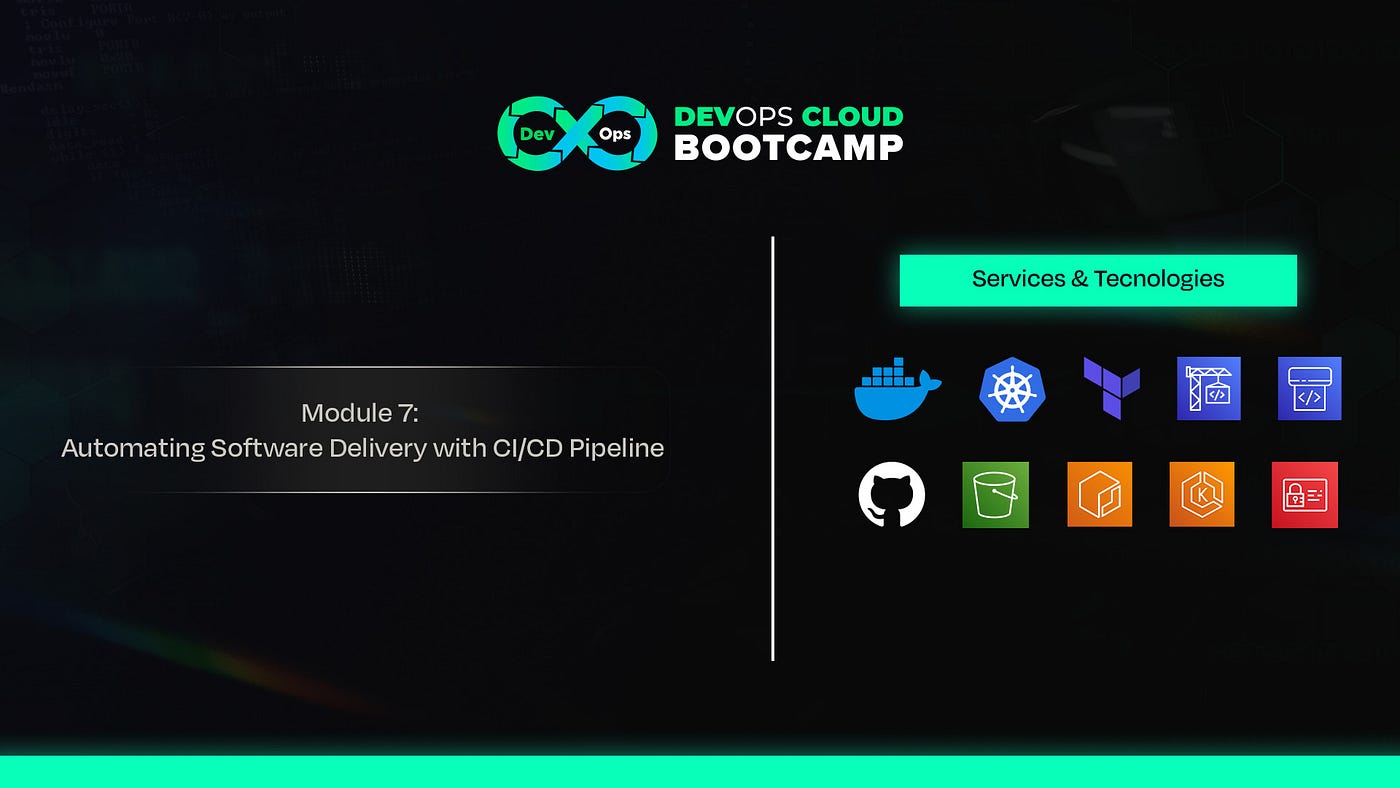
In this hands-on project, I ventured into the automation of cloud-based services, focusing on the HumanGov SaaS application. The objective was to streamline the build and deployment processes using Kubernetes and implement continuous integration and delivery with AWS services.
The project kicked off with the configuration of the AWS CodeCommit repository to manage and store source code, ensuring version control best practices. Following this, I orchestrated the continuous integration (CI) process using AWS CodeBuild, setting up automated builds that compile and package the HumanGov application into a deployable format.
The central piece of the automation was the creation of Kubernetes configurations to define the deployment, including services, pods, and other necessary resources. I defined a continuous delivery (CD) pipeline with AWS CodePipeline, linking the source code repository, build service, and Kubernetes clusters to enable a seamless flow from code commit to deployment.
For the application’s containerisation, Docker came into play. I created Dockerfiles to build images of the HumanGov application, which were then pushed to the AWS Elastic Container Registry (ECR). These images were pulled during the deployment phase on the Kubernetes cluster, ensuring an efficient and reproducible deployment process.
With the CI/CD pipeline in place, any change made in the source code automatically triggered a build process, followed by a deployment to the Kubernetes cluster. This allowed for high agility in feature development and deployment, with minimal human intervention.
The automation process concluded with rigorous testing of the deployment, ensuring that the application was performing as expected in the AWS cloud environment. This project not only automated the application deployment but also provided valuable insights into cloud services, Kubernetes orchestration, and the power of CI/CD in maintaining a robust development workflow.
Key takeaways from this project included the intricacies of AWS services, the advantages of Kubernetes in managing containerised applications, and the efficiency gains from automating the build and deployment pipeline, a controlled process of approving any changes or new version of the application before deploying to production. An implementation of the CI/CD process provides a means to quickly rollback any changes or versions of the application without any issues without much of an issue to the end user

메타데이터
- post_id
- 1e155de8a8ee
- slug
- humangov-automating-humangov-saas-application-build-and-deployment-process-on-kubernetes-with-1e155de8a8ee
- url
- https://medium.com/@jarvis_allen/humangov-automating-humangov-saas-application-build-and-deployment-process-on-kubernetes-with-1e155de8a8ee
- canonical_url
- https://medium.com/@jarvis_allen/humangov-automating-humangov-saas-application-build-and-deployment-process-on-kubernetes-with-1e155de8a8ee
- author_url
- https://medium.com/@jarvis_allen
- status
- ok
- fetched_at
- 2026-08-21 05:43:42