Eco-Friendly Mowing: Sustainable Tips for a Greener Lawn
A lush, healthy lawn is one of the most inviting features of any home. However, traditional lawn care methods often rely heavily on…
Eco-Friendly Mowing: Sustainable Tips for a Greener Lawn
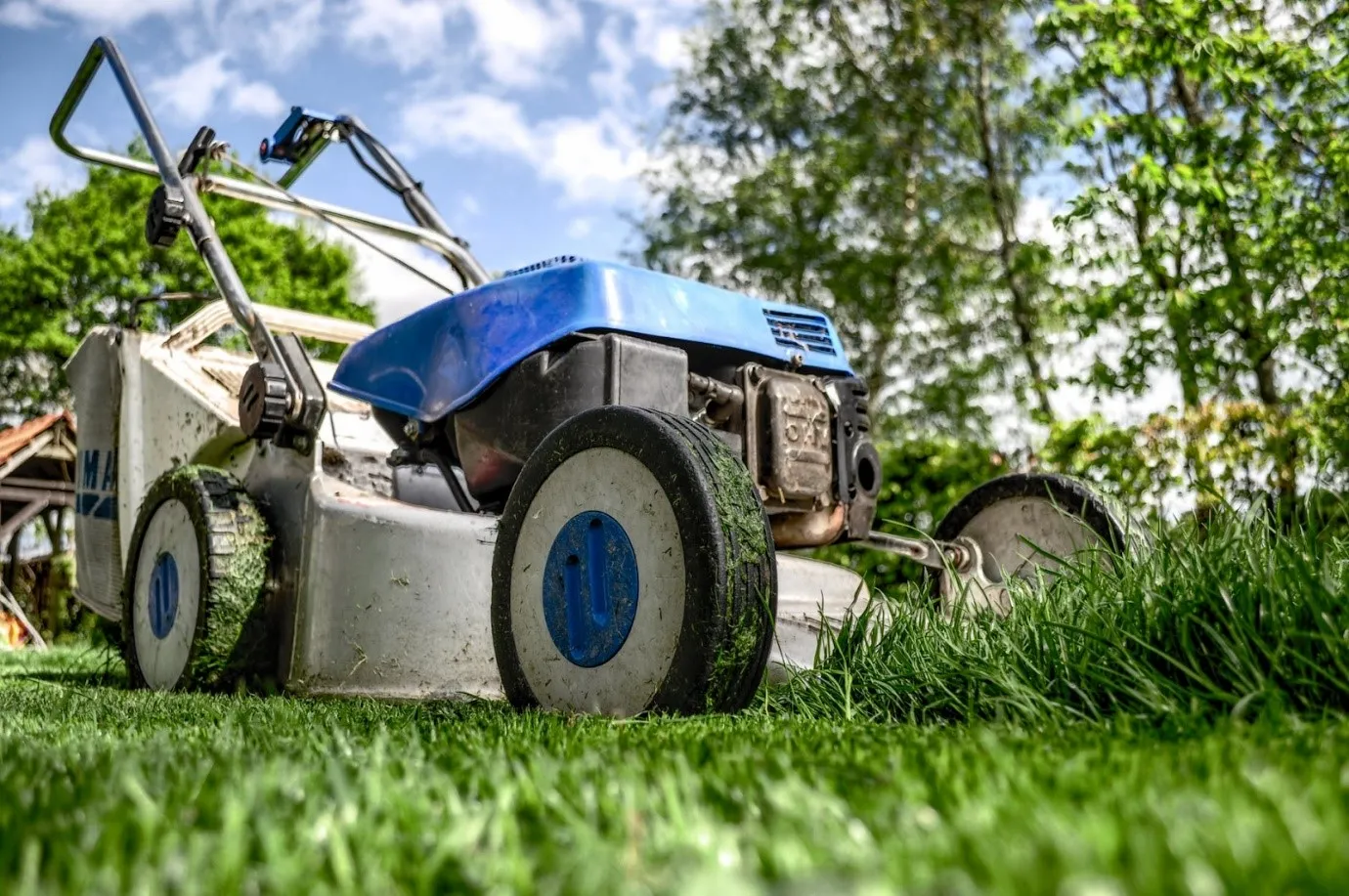
A lush, healthy lawn is one of the most inviting features of any home. However, traditional lawn care methods often rely heavily on fuel-powered equipment, excessive water usage, and chemical treatments that can harm the environment. The good news is that maintaining a beautiful lawn doesn’t have to come at the planet’s expense. By adopting eco-friendly mowing techniques and sustainable garden maintenance practices, homeowners can achieve greener lawns in both colour and conscience.
In this article, we’ll explore practical, eco-conscious tips for mowing, maintaining, and nurturing your lawn while reducing your environmental impact.
1. Choose the Right Lawn Mower
The first step toward sustainable mowing begins with the equipment you use. Gas-powered mowers are convenient but contribute significantly to air pollution and greenhouse gas emissions. Consider switching to a manual reel mower or an electric mower.
- Manual reel mowers are powered by your own movement, producing zero emissions and minimal noise. They are ideal for small to medium lawns and provide a clean, even cut that promotes healthier grass growth.
- Cordless electric mowers, powered by rechargeable batteries, offer a balance between performance and eco-friendliness. They’re easy to use, quiet, and require less maintenance compared to gas models.
Choosing energy-efficient equipment not only reduces your carbon footprint but also lowers long-term costs in fuel and repairs — an essential step in sustainable lawn care.
2. Keep Blades Sharp and Well Maintained
A dull mower blade tears grass instead of cutting it cleanly, leaving ragged edges that stress the lawn and make it more susceptible to disease. Regularly sharpening your mower blades ensures a precise cut, promoting faster recovery and denser growth.
From a garden maintenance perspective, a well-maintained mower also reduces strain on the motor, improving energy efficiency. Aim to sharpen the blades at least once or twice during the mowing season, or more often if you mow frequently. This simple habit enhances both lawn health and mower longevity.
3. Mow at the Right Height
Cutting your grass too short, a common mistake in lawn care, can weaken the roots and make your lawn prone to weeds, pests, and drought. To encourage deeper root systems and natural resilience, mow your grass to an optimal height — typically between 2.5 to 3.5 inches, depending on the grass species.
Longer grass shades the soil, reducing water evaporation and suppressing weed growth naturally. It also creates a habitat for beneficial insects and improves the overall ecological balance of your garden.
By adjusting your mowing height seasonally, you can help your lawn stay healthy year-round while conserving water and minimising the need for fertilisers.
[embed]
4. Leave Grass Clippings on the Lawn
Instead of bagging up and disposing of grass clippings, consider the environmentally friendly approach of grasscycling. Leaving clippings on the lawn allows them to decompose naturally, returning valuable nutrients such as nitrogen into the soil.
This organic process reduces the need for chemical fertilisers and improves soil health over time. Grasscycling also saves time and effort during garden maintenance, as you won’t need to constantly empty mower bags or dispose of yard waste.
The key is to mow regularly so that clippings remain short and evenly distributed. Thick, wet clippings can smother grass, so try mowing when the lawn is dry.
5. Time Your Mowing Wisely
When it comes to mowing, timing matters. Mowing during the heat of the day can stress your grass and cause moisture loss. The best times to mow are early morning or late afternoon when temperatures are cooler and grass blades are dry.
Avoid mowing after rain or when the grass is wet — this can lead to uneven cuts, compacted soil, and potential fungal problems.
Establishing a consistent mowing schedule based on your lawn’s growth rate rather than a fixed calendar date helps maintain a balanced ecosystem and reduces the need for corrective lawn care measures later.
6. Practice Smart Watering Techniques
Eco-friendly mowing works best when paired with responsible watering habits. Instead of daily light watering, aim for deep, infrequent irrigation to encourage roots to grow deeper into the soil. This makes your lawn more drought-resistant and reduces dependency on constant watering.
Install a rain barrel to collect natural rainfall for use in gardening maintenance. You can also use a smart irrigation system that adjusts watering schedules based on weather patterns and soil moisture levels.
Avoid watering immediately after mowing; give the grass time to recover from cutting before adding moisture.

7. Opt for Native or Low-Maintenance Grass Varieties
One of the most sustainable lawn care decisions you can make is selecting grass types suited to your local climate. Native grasses require less water, fertiliser, and mowing compared to imported varieties. They are naturally adapted to regional soil conditions and weather, which means less maintenance and a more resilient lawn.
For example, warm-season grasses like Bermuda or Zoysia thrive in hotter climates, while cool-season varieties such as Fescue or Ryegrass perform better in temperate zones. Choosing the right grass reduces the environmental footprint of your garden maintenance routine.
8. Reduce Lawn Size with Smart Landscaping
If mowing feels like a constant chore, consider redesigning your garden layout. Reducing the overall lawn area by incorporating flower beds, ground covers, native shrubs, or decorative stones can significantly cut down on mowing time and resource use.
These additions not only enhance the visual appeal of your garden but also promote biodiversity by attracting pollinators like bees and butterflies. This sustainable landscaping approach transforms your outdoor space into an eco-friendly haven that requires less energy and water to maintain.
9. Use Organic Lawn Care Products
Chemical fertilisers and pesticides may offer quick results, but they can harm beneficial insects, pollute groundwater, and disrupt the soil’s natural balance. Replace these with organic lawn care products that enrich the soil with natural nutrients.
Compost, seaweed extracts, and organic mulches are excellent alternatives that support long-term soil health. When combined with eco-friendly mowing and proper garden maintenance, these practices create a self-sustaining ecosystem that thrives naturally without synthetic additives.
10. Recycle and Dispose Responsibly
Whether you’re changing mower oil, replacing batteries, or cleaning up yard waste, proper disposal is crucial. Always recycle used oil and batteries at designated collection centres. Composting organic waste such as leaves, clippings, and twigs reduces landfill load and provides nutrient-rich material for your garden.
By making these mindful choices, you contribute to a cleaner environment while maintaining an efficient, sustainable lawn care routine.
Conclusion
Sustainable lawn care begins with mindful mowing and thoughtful garden maintenance. Every small step — from sharpening blades and adjusting cutting height to using electric mowers and recycling clippings — adds up to a significant environmental impact.
By adopting eco-friendly mowing practices, you not only nurture a greener, healthier lawn but also play your part in protecting the planet. Remember, a truly beautiful lawn isn’t just one that looks good — it grows responsibly.
Embrace these sustainable tips today, and enjoy the satisfaction of maintaining a vibrant lawn that’s as kind to nature as it is to your home.
메타데이터
- post_id
- 1e40ca2d7557
- slug
- eco-friendly-mowing-sustainable-tips-for-a-greener-lawn-1e40ca2d7557
- url
- https://medium.com/@breezybloomsmarketing/eco-friendly-mowing-sustainable-tips-for-a-greener-lawn-1e40ca2d7557
- canonical_url
- https://medium.com/@breezybloomsmarketing/eco-friendly-mowing-sustainable-tips-for-a-greener-lawn-1e40ca2d7557
- author_url
- https://medium.com/@breezybloomsmarketing
- status
- ok
- fetched_at
- 2026-07-16 20:14:14